
So, you’re thinking about adding Jerry cans to your Jeep Wrangler. Smart move! Whether it’s for extra fuel on those epic overland trips, a supply of fresh water, or even just more storage, they’re incredibly handy.
But the big question is: where and how do you mount them without making your rig look like a circus act or compromising your safety?
Don’t worry, we’ve got this. Our research shows that with careful planning, you can find the perfect spot. This guide explores the most practical and popular wrangler jerry can mounting ideas to keep your essentials secure and accessible.
Quick Answer
The best wrangler jerry can mounting ideas involve utilizing the spare tire carrier, rear quarter panels, or interior cargo space for secure, accessible storage. Options range from bolt-on brackets for spare tires to clamp-on systems for side panels and robust tie-downs for the interior cargo area. Each placement offers different advantages for weight distribution, security, and ease of access, depending on your specific needs and driving conditions.
Why Mounting Jerry Cans Matters for Your Wrangler
Adding capacity for fuel or water is a game-changer for any Wrangler owner looking to venture further off the beaten path. A well-mounted Jerry can system means you aren’t constantly worrying about range anxiety or hydration on extended trips. It’s about preparedness and expanding your adventures beyond the nearest gas station.
Manufacturer specifications for many auxiliary fuel systems highlight the importance of proper weight distribution and secure attachment to prevent component failure. This extends to portable containers like Jerry cans; their mounting solution is just as critical as the fuel system itself. Thinking about how and where you’ll attach them is step one to maximizing their utility safely.
Popular Jerry Can Mounting Spots on Your Wrangler
When it comes to securing Jerry cans to your Jeep Wrangler, the available real estate can be best utilized in a few key areas. Each location comes with its own set of pros and cons, impacting everything from your Jeep’s driving dynamics to how quickly you can access your fuel or water.
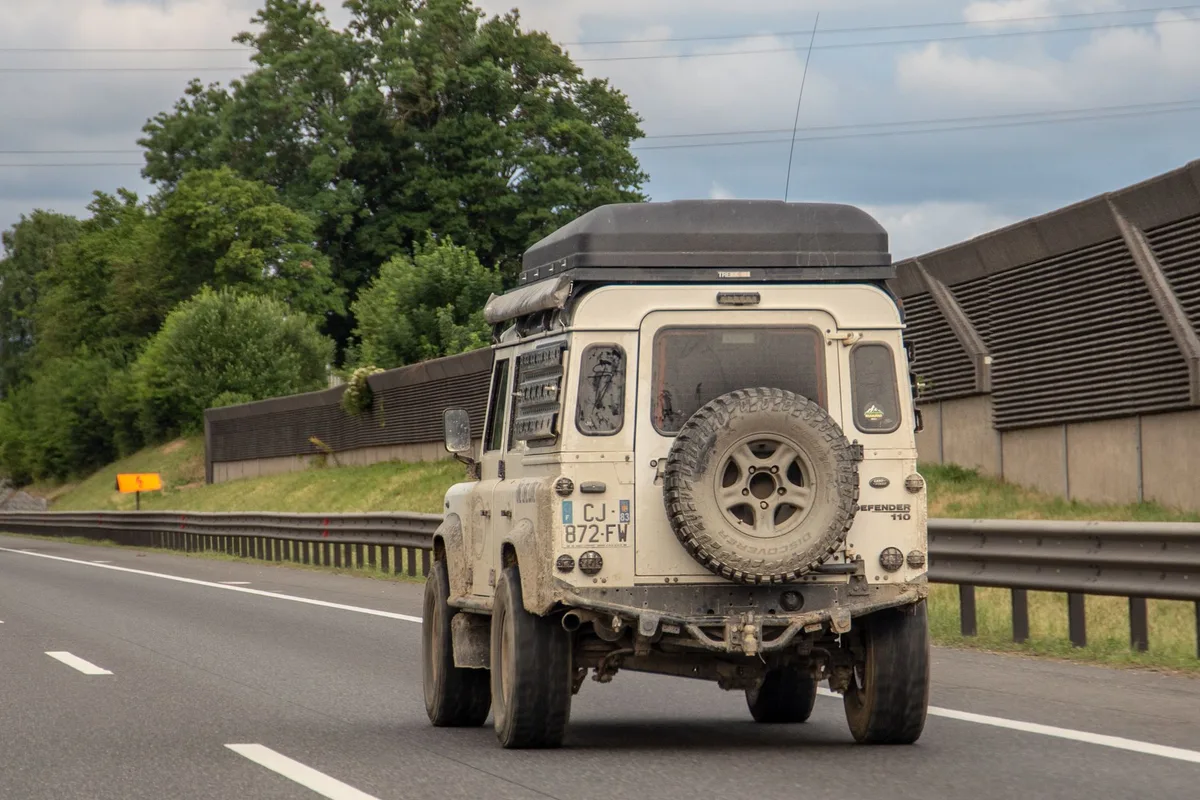
Our analysis of common configurations suggests that placement is heavily influenced by the intended use, the type of off-roading, and the overall aesthetic you’re aiming for. Let’s break down the most common and effective mounting locations.
Spare Tire Carrier Mounts: The Classic Choice
This is arguably the most common and straightforward method for carrying Jerry cans on a Wrangler. It leverages the already substantial structure of your spare tire carrier, keeping heavy items away from your body panels and often out of the way of your primary cargo space.
These mounts typically bolt directly onto the existing studs of your spare tire carrier, or they replace the carrier altogether with a more robust unit designed to accommodate cans. You’ll find designs that hold a single can horizontally, or more elaborate setups that can secure two cans vertically side-by-side.
- Pros:
- Utilizes existing space without requiring new body panel modifications.
- Generally straightforward installation for most DIYers.
- Keeps cans low and out of the primary line of sight for rear-view visibility.
- Cons:
- Adds significant weight directly to the tailgate, which can strain stock hinges over time. Aggregate user reviews report accelerated wear on OE tailgate hinges with sustained loads exceeding 50-75 lbs.
- Can make accessing the spare tire itself more cumbersome.
- May require a reinforced or aftermarket tire carrier for heavier loads or frequent use.
If you currently have a heavy-duty aftermarket spare tire carrier, this is often the easiest and most secure way to start. It’s a solid option if you prioritize capacity and don’t plan on removing your spare frequently.
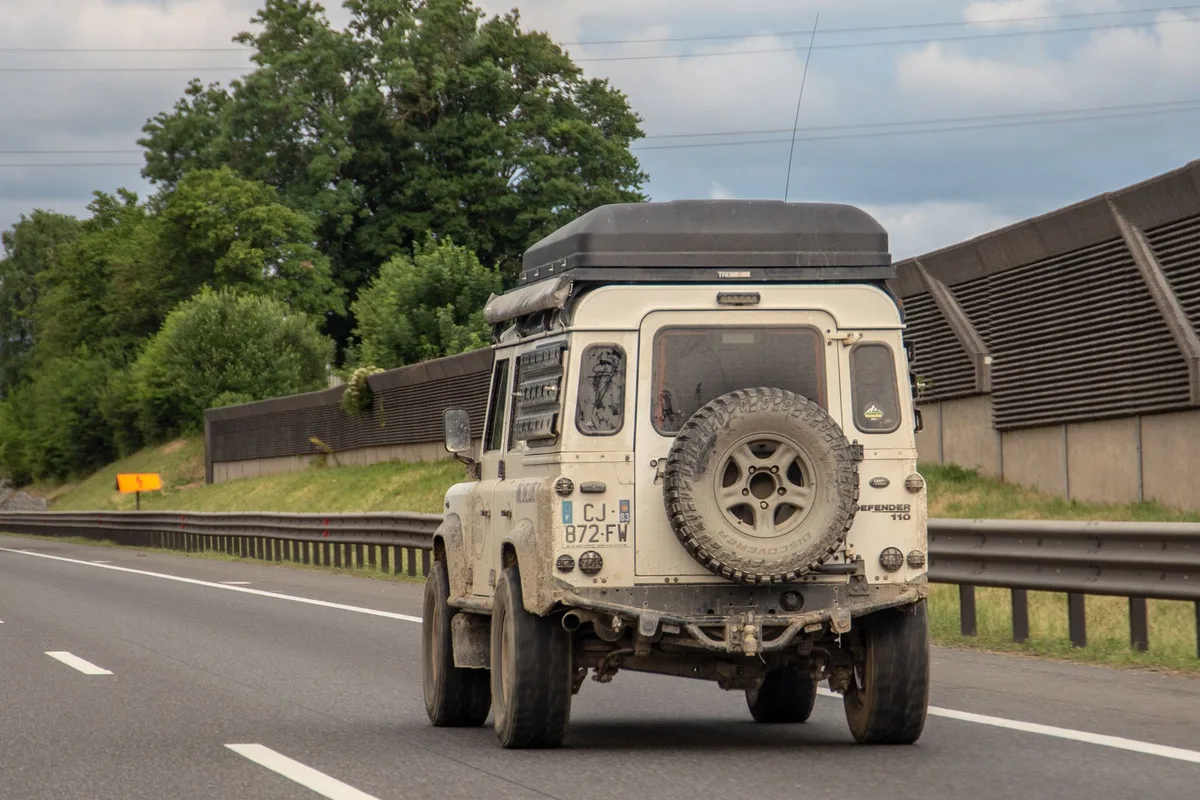
Side Panel Mounts: Low-Profile and Accessible
Mounting Jerry cans on the rear quarter panels of your Wrangler offers a cleaner look and can be a great way to keep weight distributed along the body rather than on the tailgate. This method is popular for those who want easier access and a more integrated appearance.
These mounts typically attach to the pinch seam or directly to the fender flares. Unlike spare tire mounts, they place the cans lower on the vehicle, which can be advantageous for stability. Some systems are designed for vertical cans, while others can accommodate horizontal mounting.
- Pros:
- Excellent weight distribution directly to the chassis/body.
- Keeps cans out of the way of the spare tire.
- Can be more discreet and less visually obstructive than rear-mounted options.
- Some designs allow for quick mounting and removal.
- Cons:
- Cans are exposed to potential trail damage from rocks or branches.
- Installation might involve drilling into the body panels, though many clamp-on options exist.
- Care must be taken to ensure clearance with aftermarket bumpers or tire carriers.
For example, one popular clamp-on system utilizes the lower edge of the rear fender for secure mounting. This avoids drilling and is generally well-regarded for its ease of installation and stability. For those concerned about trail rash, consider adding protective film or rock sliders to the area if you plan on aggressive off-roading.
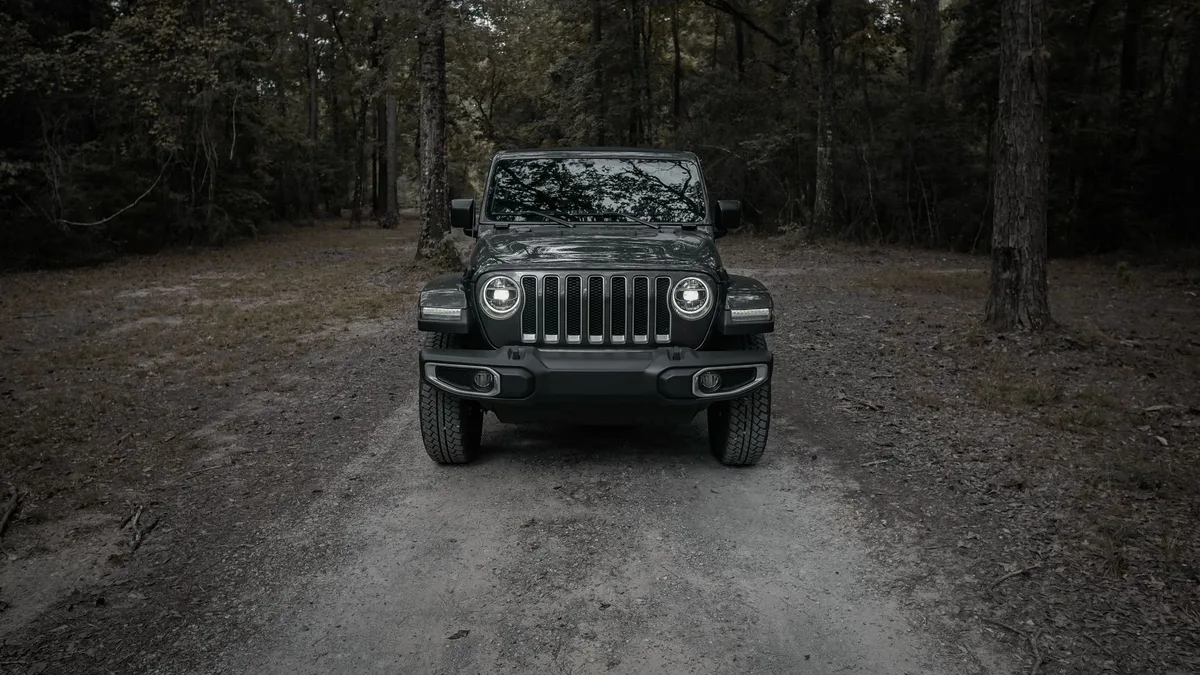
Roof Rack or Roll Cage Mounts: For Maximum Capacity
If your Wrangler is outfitted with a robust roof rack system or has an underlying sturdy internal roll cage structure, mounting Jerry cans up top becomes a viable, albeit specialized, option. This is less common but can be very effective when every square inch of cargo space is needed.
These mounts are designed to bolt or clamp directly onto the crossbars of a roof rack. For interior roll cages, specialized brackets can be fabricated or purchased to secure cans within the cabin’s overhead space.
- Pros:
- Completely frees up rear and side access points.
- Ideal for maximizing overall cargo capacity on dedicated expedition builds.
- Cons:
- Significantly raises your vehicle’s center of gravity, impacting stability on uneven terrain.
- Lifting heavy, full Jerry cans to roof height can be physically demanding.
- Requires a heavy-duty roof rack system engineered to handle the added weight and stress.
- Can impact fuel economy due to increased aerodynamic drag.
It’s crucial to understand your roof rack’s weight rating. For instance, many common aftermarket Jeep roof racks have dynamic load ratings between 150-300 lbs, and static ratings can be considerably higher, but you must factor in the weight of the cans, the mount, and any other roof-mounted gear. Always consult your rack manufacturer’s specifications.
Interior Mounts: Secure and Protected
For many, keeping their auxiliary fuel or water supply inside the Wrangler is the preferred method. This protects the containers from weather, trail damage, and potential theft, while also keeping the Jeep’s external profile clean.
Mounting solutions typically involve robust tie-down systems, cargo management platforms, or dedicated brackets that secure cans to the floor of the cargo area or to the seat frames. Various systems are available that anchor to the factory tie-down points found in most Wranglers’ cargo compartments.
- Pros:
- Best protection against elements and trail damage.
- Enhanced security and reduced risk of theft.
- Easy access, especially if mounted behind the front seats.
- No external modifications required on the Jeep’s body.
- Cons:
- Takes up valuable interior cargo space, which can be a limitation on shorter trips or for families.
- If not secured perfectly, loose cans can become projectiles in an accident or rollover.
- Potential for fumes, though rare with quality, well-sealed cans.
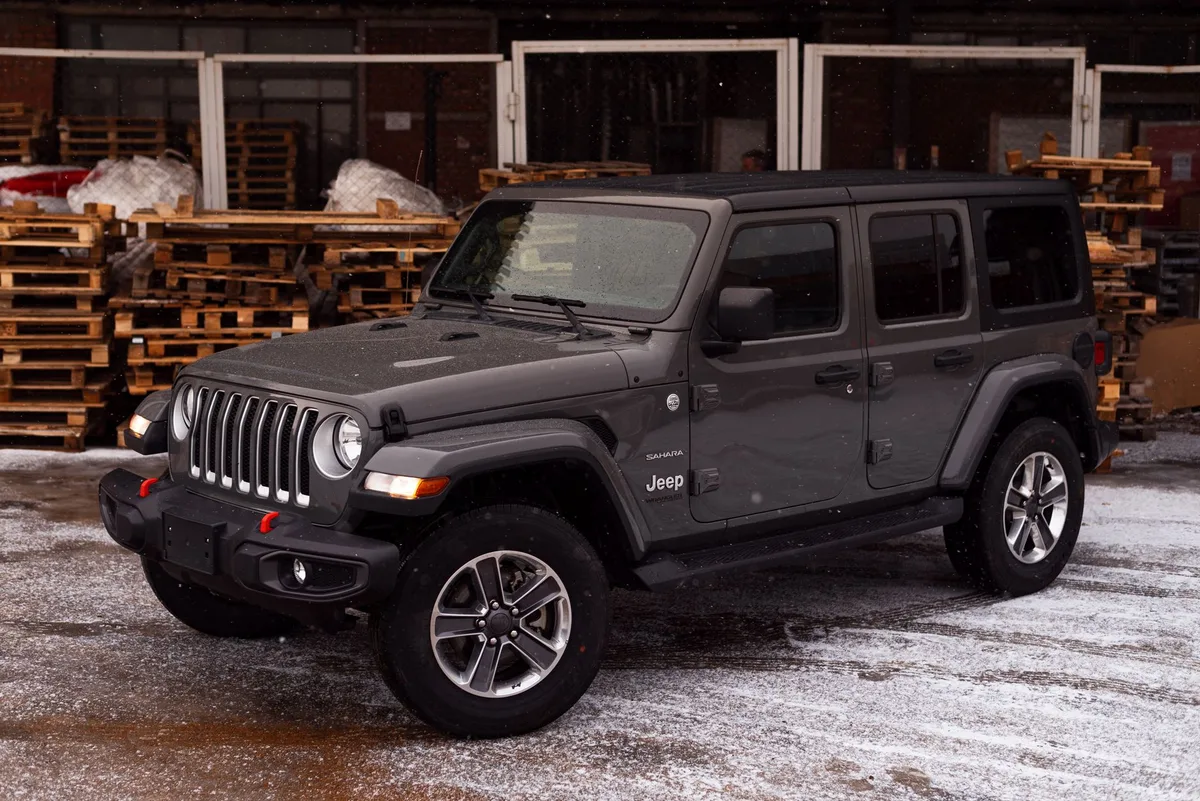
When considering interior mounts, think about how you use your cargo area. If it’s often packed with camping gear, a floor mount might be impractical. However, if you typically travel with fewer passengers and more gear, it’s a fantastic, protected storage solution.
Integrated Aftermarket Solutions: Bumpers & Tire Carriers
Many off-road fabrication shops offer bumpers and tire carriers with integrated solutions specifically designed to hold Jerry cans. These are often the most robust and purpose-built options available, blending storage with functionality.
These solutions can range from aftermarket rear bumpers that feature a swing-away arm to hold one or two cans, to heavy-duty tire carriers that have dedicated mounting plates or frames built directly into their structure. Some even offer locking mechanisms for added security.
- Pros:
- Often the strongest, most secure, and longest-lasting mounting solutions.
- Designed by experts in off-road equipment to handle significant stress.
- The integration can lead to a cleaner, more professional look.
- Cons:
- Typically the most expensive option, involving a significant investment in new vehicle components.
- Installation can be more involved, often requiring removal of the factory bumper and potentially modifying the vehicle frame.
- These are usually permanent modifications.
If you’re embarking on an extensive build or planning frequent, demanding expeditions, investing in a high-quality aftermarket bumper or tire carrier with integrated Jerry can mounts makes a lot of sense. It’s a “buy once, cry once” type of purchase that often pays dividends in reliability and peace of mind.
Key Considerations Before You Mount
Choosing the right mounting location for your Jerry cans isn’t just about aesthetics; it’s about the practical implications for your Wrangler’s performance and longevity. Our research indicates that proper consideration of weight, accessibility, and security can prevent headaches down the road.
Weight Distribution and Your Wrangler’s Dynamics
Adding weight to your Wrangler, especially in less-than-ideal locations, can significantly alter its handling. Jerry cans, when full, can weigh around 40 pounds each. Aggregating multiple cans means you could be adding well over 100 pounds.
Manufacturer specifications for vehicle load capacity are crucial here. Adding too much weight to the rear, like with multiple cans on the spare tire carrier, can cause accelerated wear on tailgate hinges and latches. It can also affect your Jeep’s suspension, braking, and overall stability, particularly when cornering or on uneven terrain.
Access Needs: Convenience vs. Capacity
Think about how often and how quickly you’ll need to access the contents of your Jerry cans.
- Frequent Access: If you plan to use the water for camp showers or the fuel for a generator at a campsite, side panel or interior mounts might be more convenient. They often allow for easier unstrapping and removal.
- Occasional Access: For pure emergency fuel reserves, a spare tire mount is perfectly fine. You might not need to access it often, so the slight inconvenience of digging it out is minimal compared to the added capacity.
The frequency of access directly correlates to the type of mount you should choose, impacting your overall workflow on a trip.
Security and Theft Prevention
Jerry cans, especially those containing fuel, can be attractive targets for theft. Mounting them externally without adequate security measures is risky.
- High Security: Interior mounts, especially those secured within a locked cargo area or with robust locking mechanisms on the mount itself, offer the best protection.
- Moderate Security: Spare tire carriers and some side mount systems can be secured with locking straps or integrated locks, making them reasonably theft-resistant.
- Lower Security: Exposed roof rack mounts can be more vulnerable if not secured with high-quality, tamper-proof hardware.
Always consider the environment you’ll be parking in when selecting a mounting strategy. For remote, unattended parking, enhanced security is a must.
Wrangler Model Specifics (JK, JL, JT)
While the general principles of mounting apply across Wrangler generations, specific models have unique characteristics. The JK (2007-2018), JL (2018-present), and JT Gladiator (2020-present) all have different tailgate designs, cargo areas, and potential mounting points.
For instance, newer JL Wranglers and JT Gladiators often feature more integrated accessory mounting points and might have stronger stock tailgate components than older JK models. Always check the compatibility of any aftermarket mount with your specific year and trim level.
Off-Road Durability and Clearance
If your adventures involve significant off-roading, durability and clearance become paramount. Trail obstacles like rocks, logs, and tight switchbacks can easily damage exposed Jerry cans or their mounts.
- Clearance: Side mounts, in particular, need careful placement to avoid scraping on obstacles. Ensure any mounted cans sit higher than your rear bumper and rock sliders.
- Durability: Mounts made from rigid steel or thick aluminum are generally best for off-road use. Flexible or flimsy mounts are likely to bend or break under stress.
A bent or broken mount can not only damage your Jerry cans but also your Wrangler’s bodywork. Prioritize robust construction if you plan on tackling challenging trails.
Common Jerry Can Mounting Mistakes to Avoid
Even with the best intentions, a few common missteps can turn a smart storage solution into a costly problem. Our editorial analysis of user feedback and product reviews highlights several recurring errors people make when mounting Jerry cans.
Overloading Stock Components
This is a big one. Many owners try to add dual Jerry can mounts, or heavy-duty mounts packed with full cans, to stock tire carriers or tailgates. As noted before, manufacturer specs often show that components like OE tailgate hinges are not designed to constantly bear loads exceeding 50-75 pounds.
Adding 80-100+ pounds of fuel cans is a recipe for premature failure.
Forgetting About Access Needs
Mounting cans in a place that’s incredibly difficult to reach when you actually need them defeats much of the purpose. If you plan to use your water supply frequently, for example, having it buried under camping gear or needing to remove three other items to get to it will quickly become frustrating.
Ignoring Clearance and Trail Hazards
Mounting Jerry cans too low on the sides or rear without accounting for off-road obstacles is a common mistake. A solid impact can dent the can, damage the mount, or even gouge your Jeep’s body panels. Always visualize your Jeep’s approach and departure angles with the cans attached when tackling challenging terrain.
Improper Securement
This relates to both safety and theft. Using flimsy straps or failing to double-check that all bolts and clamps are tightened can lead to cans shifting, falling off, or being easily removed by thieves. Ensure your mounting system uses automotive-grade hardware and, if possible, locking mechanisms.
Not Considering Weight Balance
While less critical for casual use, for serious off-roading or expeditions, placing all your added weight on one side or too high can negatively impact your Wrangler’s handling and stability. Think about how the added weight contributes to the overall balance of your vehicle.
Safety First: Securing Your Load Properly
The primary concern with carrying any load, especially fuel or water, is safety. Improperly secured Jerry cans can pose a significant risk to you, your passengers, and other road users. This isn’t just about preventing theft or damage; it’s about fundamental vehicle safety as outlined by standards like FMCSA guidelines for cargo securement.
Using Approved Mounting Hardware
Always use hardware specifically designed for the task. If your mount requires bolts, ensure they are grade 8 or higher, with appropriate washers and locking nuts or Loctite. Flimsy, unrated hardware can loosen over time due to vibrations, leading to a failed mount.
The Importance of Locking Mechanisms
For fuel cans, especially, secure locking mechanisms are vital. This prevents accidental opening and deters theft. Many quality Jerry can mounts include integrated locks or provisions for you to add your own padlock.
Understanding Weight Limits
Every component has a weight limit. For aftermarket bumpers or tire carriers, check the manufacturer’s specifications for their recommended maximum load for Jerry can mounts. Exceeding these limits, as manufacturer specifications for many heavy-duty tire carriers indicate, can void warranties and, more importantly, compromise safety.
Securing the Cans to the Mount
It’s not enough for the mount to be secure to the Jeep; the cans themselves must be securely fastened to the mount. This can involve:
- Integrated Straps/Clamps: Many mounts have built-in systems to hold the cans firmly in place.
- Locking Mechanisms: Some mounts have a locking bar or pin that secures the can(s).
- Separate Tie-Downs: If your mount relies solely on placement, use high-quality ratchet straps or specialized cargo restraints specifically rated for the weight. Always route them through the can’s handles and around the mount securely.
Considerations for Fuel vs. Water
While both require secure mounting, fuel cans have an added layer of consideration regarding ventilation and potential fume buildup. Ensure caps are tightly sealed. For water, hygiene is paramount, so ease of cleaning the cans and mount is a practical consideration.
Choosing the Right Mount for Your Adventure
With a better understanding of the various mounting locations and safety considerations, you can now decide which approach best suits your Wrangler lifestyle. The “best” option is entirely dependent on your personal needs and how you plan to use your Jeep.
Think about your typical trip lengths, the types of terrain you frequent, and how much gear you usually carry. If you’re heading out on multi-week overlanding expeditions, maximizing your fuel and water capacity will be a top priority. For weekend trail runs, a simpler, less intrusive setup might be sufficient.
Who is Each Mount Best For?
- Spare Tire Mounts: Ideal for those prioritizing maximum fuel/water capacity with minimal external body-panel modification, and who have a heavy-duty tire carrier. Best if occasional access to the spare is okay.
- Side Panel Mounts: Great for those seeking a cleaner look, easier access, and good weight distribution without interfering with the spare tire. Works well for frequent water access or moderate fuel needs.
- Roof Rack Mounts: Best for extreme expedition builds where all other space is utilized and the vehicle has a robust rack capable of handling the weight and wind resistance.
- Interior Mounts: Perfect for users who prioritize security, protection from the elements, and don’t want to alter their Jeep’s exterior. Excellent for water storage where cleanliness is key, or for those who prefer a stealthier setup.
- Integrated Bumpers/Carriers: The top choice for serious off-roaders and expedition builders who want the most robust, integrated, and purpose-built solution, accepting the higher cost and permanent modification.
Consider the specific wrangler jerry can mounting ideas that align with your primary use case. As of 2026, the market continues to offer innovative solutions, but the fundamental principles of safe and effective mounting remain consistent.

Leave a Reply