
A melted candy bar across your car seat feels like a small disaster. If you’re wondering how to get chocolate out of car seat fabric, leather, or a child’s safety seat, the answer depends on three things. Get those right, and most chocolate lifts in under 15 minutes.
Get them wrong, and you can set the stain for good.
Chocolate is a combo stain, and heat is what turns a wipe-away mess into a permanent mark. Chocolate melts at 86 to 93°F, and seat surfaces in a sun-baked car can reach 150°F or more. That’s why the first move is always cold, never warm.
Here’s the quick answer, then the full playbook.
How to Get Chocolate Out of Car Seat
Here’s how to get chocolate out of car seat fabric the right way. Harden the chocolate with ice, then scrape off the bulk. Blot the spot with cold water, never warm.
Work a drop of dish soap into the fibers with a microfiber cloth. Rinse by blotting with clean water, then air dry.
Before you touch anything, answer three questions. They decide which branch of the cleanup you’re on.
- What’s the upholstery? Fabric, leather, vinyl, and Alcantara each need different chemistry.
- Is the chocolate fresh or set-in? Fresh smears lift in minutes. Chocolate that has baked into a hot seat needs a rescue plan.
- Is it plain chocolate? A plain bar is fat plus sugar. Candy shells, caramel, or milk add dyes and proteins to the mix.
Answer those, and the rest of this guide hands you the exact steps for your branch.
Why Chocolate Stains Are Harder Than They Look
Chocolate isn’t one stain. It’s a stack of them, and that’s why one trick never works alone. Cocoa butter is a fat that grips fabric fibers the way grease does.
Sugar leaves a sticky film that re-darkens as it pulls in dirt.
Milk chocolate adds milk proteins, which need enzyme cleaners once they’ve set. Dark chocolate carries tannins and dyes that can tint light fabric. The American Cleaning Institute sorts household stains into categories like these, and chocolate hits three of them at once.
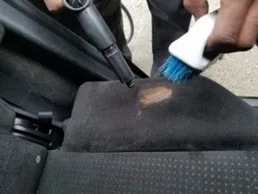
Image source: Bing (Web (fair-use with source credit))
Heat makes everything worse. Chocolate melts between 86 and 93°F, which is nothing for a car interior. In our research, the toughest chocolate stains always trace back to time plus heat.
Melted chocolate wicks deeper into the weave, leaving a greasy halo behind even after the visible smear is gone.
Grease behaves the same way, so the rules for greasy seat stains apply here too. If you’ve cleaned a grease stain off a car seat before, you already understand half the battle.
| Chocolate type | What it adds | Why it matters |
|---|---|---|
| Milk chocolate | Milk fat and protein | Needs soap, plus enzyme treatment once set |
| Dark chocolate | Tannins and strong dyes | Highest risk of tinting light fabric |
| White chocolate | Sugar and dairy fat, no cocoa solids | Sticky residue, fewer dye problems |
| Candy-coated chocolates | Shell dyes | Dye transfer onto light upholstery |
None of this means panic. Fresh chocolate on fabric is genuinely easy. The trouble starts when heat, time, or the wrong cleaner get involved.
Fresh Chocolate on Fabric Seats: The 15-Minute Fix
Fresh chocolate sits on top of the fibers. That’s your window. Catch it within a few hours, and the whole job takes 10 to 15 minutes with pantry items.
What you need:
- Ice cubes in a plastic bag
- A spoon or plastic scraper
- Clean microfiber cloths
- Plain dish soap
- Cold water
Mix one teaspoon of dish soap into two cups of cold water. That’s strong enough to cut the fat without leaving soap residue behind.
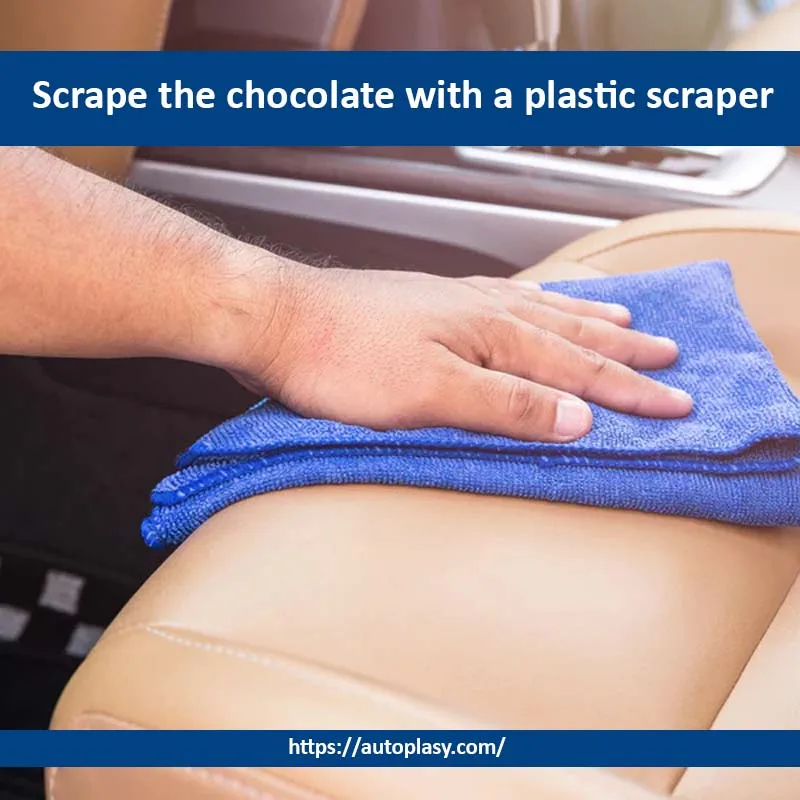
Image source: Web (Bing) / autoplasy.com
Then work in this order:
- Harden the chocolate. Press the ice bag against the smear for a few minutes. Hard chocolate flakes off, soft chocolate smears deeper.
- Scrape the bulk away. Work with a spoon or plastic scraper, lifting from the outside edge toward the center.
- Vacuum the crumbs. A crevice tool gets the bits out of seams and stitching.
- Blot with cold water. Start outside the stain and work inward. Blotting lifts, rubbing grinds.
- Apply the soap solution. Dampen a microfiber cloth and work it into the spot with gentle circular pressure.
- Blot-lift-rinse. Follow with a clean, damp cloth to pull out the soap.
- Blot dry and air out. Crack a window and skip the heater vent.
Never pour water directly onto the seat. You’ll soak the foam padding underneath, and trapped moisture is what causes musty car seat odors.
The freeze-and-scrape opening move is the same trick that loosens gum stuck in seat fabric. Cold turns the sticky mess brittle so it lifts instead of smearing.
If the spot still looks slightly greasy after it dries, that’s leftover fat, not leftover chocolate. The next section handles exactly that.
Dried or Baked-In Chocolate on Fabric: The Set-Stain Rescue
Chocolate that dried overnight or baked into a hot seat is a different job. The fat has bonded to the fibers, and the surface layer has to come off before any liquid can work.
Start the same way, though. Cold still helps. An ice cube in a bag hardens even old chocolate, and it flakes off in chips.
Scrape, vacuum, and only then reach for liquid.
| What you see | What it actually is | The fix |
|---|---|---|
| Dark brown spot | Cocoa solids in the fibers | Dish soap solution with a longer dwell |
| Greasy halo after cleaning | Leftover cocoa butter | Dab of 70% isopropyl alcohol |
| Sticky spot that re-darkens | Sugar residue pulling in dirt | Extra clean-water rinse |
| Milky or sour tinge | Milk protein from chocolate milk or ice cream | Enzyme cleaner |
Work through that table in order. Start with the soap solution, but give it time. Lay a dampened cloth on the stain for 5 to 10 minutes so the surfactant can reach the fat, then blot from the outside in.
Still greasy? Dab a cotton swab with 70% isopropyl alcohol and touch it to the halo. Alcohol cuts fat fast, but it can lift dye, so test it in a hidden spot first.
Blot, never soak.
If the spill was chocolate milk or a melted ice cream bar, milk protein is the real problem. An enzyme cleaner breaks that protein down. Follow the label’s dwell time before blotting.
One warning: don’t flood the spot. Over-wetting pushes the stain into the foam padding underneath, and soaked foam can grow mildew. Air dry for 1 to 4 hours with the windows cracked before you judge the result.
Leather, Vinyl, and Alcantara: Clean Without Cracking the Top Coat
Leather needs a different playbook. Most car leather today is top-coated, which means a clear protective layer sits over the pigment. That coating is exactly what harsh chemicals damage, which is why manufacturer care guides call for pH-neutral cleaners.
Skip the dish soap and the alcohol here. Use a pH-neutral leather cleaner on a microfiber cloth, wipe gently, and dry with a second cloth. Then condition, because cleaning strips the leather’s natural oils.
A cleaner and conditioner set runs about $25 to $40 as of 2026, and it covers years of seat care.
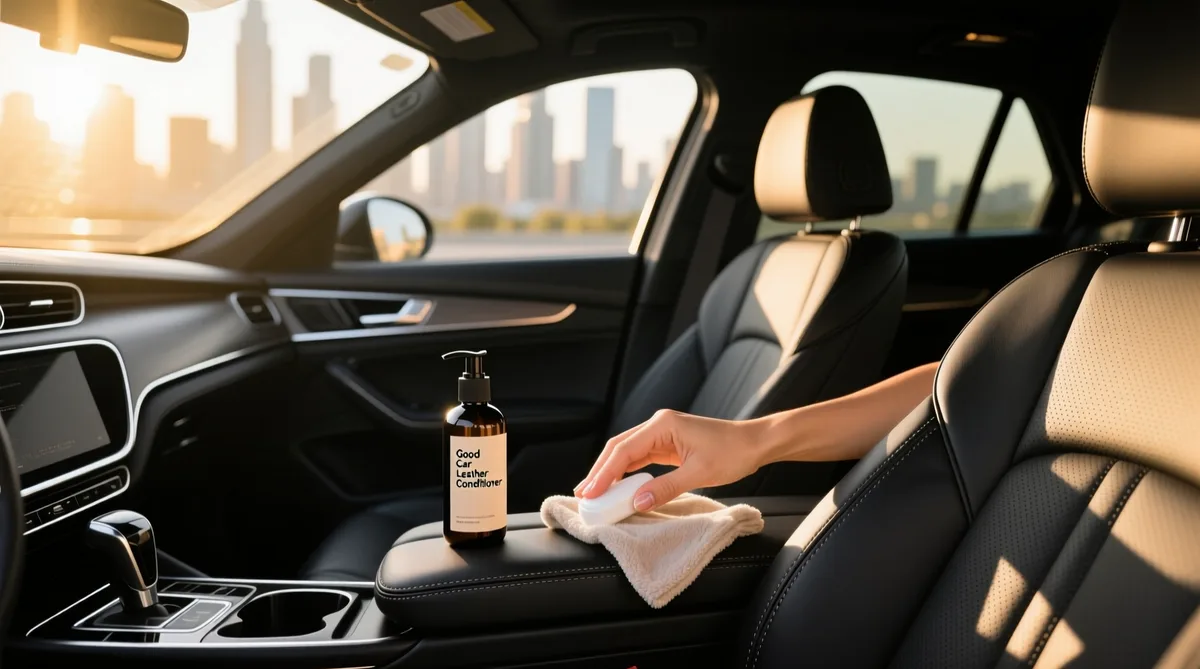
Image source: Web (Bing) / carinterior.alibaba.com
If the chocolate hardened first, scrape gently with a plastic scraper or a fingernail. Metal is too aggressive for coated leather.
Chocolate that has sat in summer heat can stain the coating itself. Those tougher leather stains need a dedicated approach, and sometimes professional-grade products.
Vinyl is more forgiving. Mild soap and water on a microfiber cloth handles most smears. Skip solvents like acetone, which can stiffen vinyl and pull its color.
Perforated and Ventilated Leather: Watch the Holes
Perforated leather has tiny holes thatlet air move through ventilated seats, and any liquid you apply drains straight through into the foam padding underneath. So go easy on moisture here. Use a barely damp microfiber cloth and blot rather than wipe, so nothing gets pushed into the perforations.
Work in small sections and dry each one before moving on. If liquid slips through the holes, leave the heated seat function off and give the leather a full day to dry. A seat that looks dull or stiff afterward isn’t dirty.
It’s dried out. Bringing dried-out leather back to life is a conditioning job, not a reason to scrub harder.
Alcantara and Suede: The Gentle Branch
Alcantara is a synthetic microfiber suede, and it’s the most delicate upholstery you’ll find in a car. Treat it like a fine sweater. Alcohol, solvents, and leather conditioner are all off the table.
Conditioner is made for hides, and it turns microfiber into a matted, greasy mess.
Here’s the gentle approach:
- Dampen a microfiber cloth with plain water and blot gently. Never scrub.
- For stubborn residue, add a drop of mild soap to the water and blot again.
- Let it air dry fully, then brush the nap lightly with a soft brush to restore the texture.
The official care guidance from Alcantara agrees: blot, avoid harsh chemicals, and lift the nap with a soft brush once the surface is dry.
That covers every upholstery type. Next up is the branch parents worry about most: chocolate on a child safety seat.
Chocolate on a Child Safety Seat: What You Can Wash and What You Can’t Touch
Kids and chocolate go together, and the car seat is where the two meet. Snacking mid-drive is how most of these stains happen, and feeding kids on the road safely has its own rules worth knowing first. The seat itself has strict cleaning limits, though, and they’re stricter than anything else in this guide.
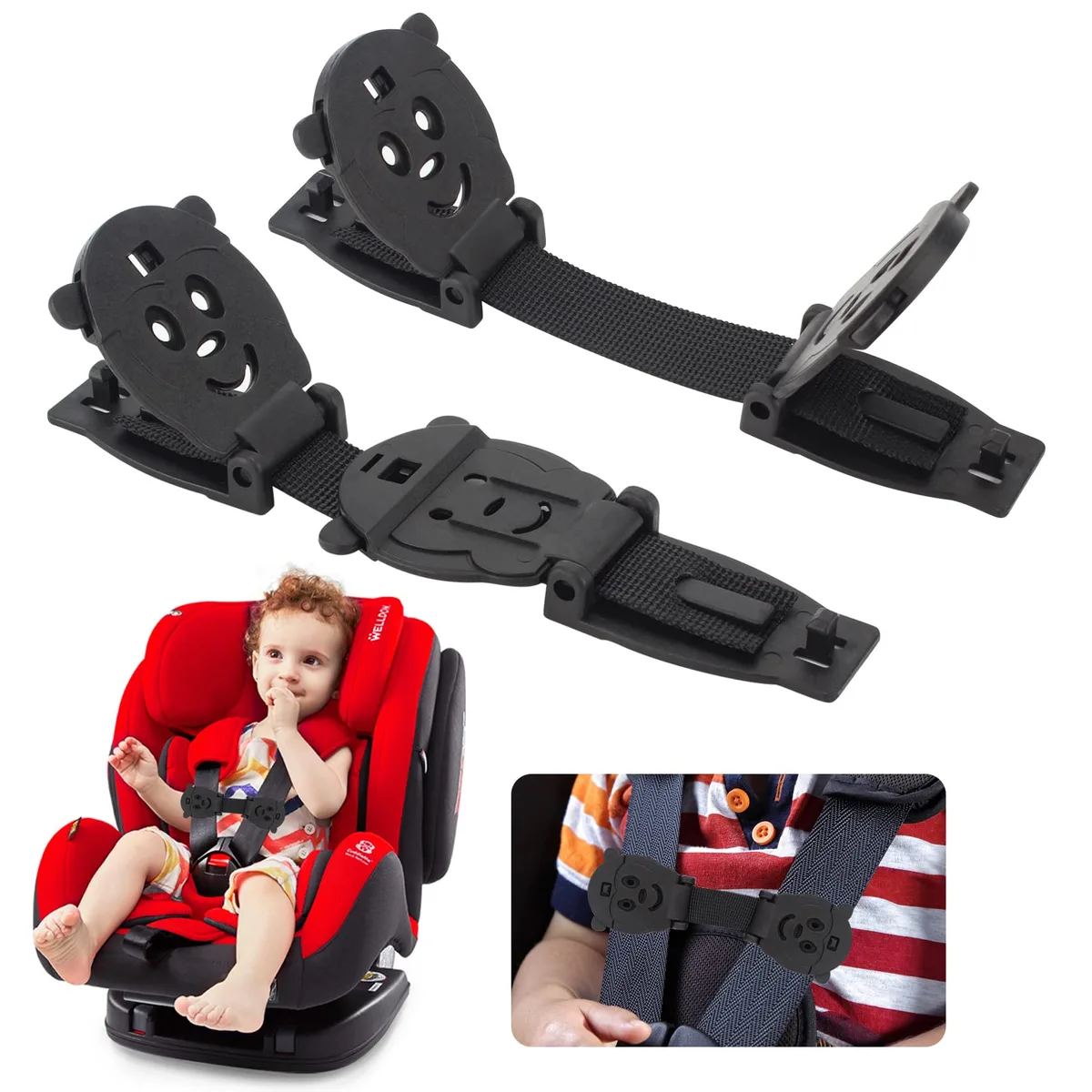
Image source: Web (Bing) / namibian.com.na
The golden rule: harness straps never get machine washed, submerged, or scrubbed with soap. NHTSA’s child seat guidance tells parents to follow the manufacturer’s cleaning instructions, and the major manuals all agree on one point.
Harness Straps and Buckles: The Hands-Off Zone
Harness webbing is engineered to restrain a child in a crash. Washing it can weaken the fibers and strip away fire-retardant treatments. Graco, Britax, and Chicco manuals all prohibit submerging straps explicitly.
If chocolate lands on the straps, spot clean only:
- Wipe with a cloth dampened with plain water
- Blot dry with a clean towel
- Let the straps air dry fully before the child rides again
Buckles need the same restraint. Rinse the buckle with warm water only, shake out the water, and let it air dry. Never use soap, solvents, or lubricants on it.
Residue can keep the latch from clicking fully, and a buckle that doesn’t lock is a safety failure, not a cleaning issue.
Removable Covers: Machine-Wash Rules That Keep the Seat Safe
The cover is the one part you can usually wash, and chocolate comes out of it easily. Check the care tag and manual first, because instructions vary by model.
- Cold water on a gentle or delicate cycle
- Mild detergent, no bleach
- Air dry only, never machine dry
- No ironing or dry cleaning
A gentle wash keeps the fabric’s fire-retardant treatment intact, and laundering covers without damage breaks down the settings model by model. Dryer heat is what breaks that treatment down.
While the cover is off, wipe the hard plastic shell with a damp cloth and let everything dry completely before reassembly. A cover installed over damp foam grows mildew where you can’t see it.
Mistakes That Turn a Removable Stain Into a Permanent One
Most chocolate stains that “couldn’t be fixed” weren’t hopeless. They were made hopeless by the first response. These are the mistakes that show up again and again, and every one is avoidable.
Using warm water. Heat melts cocoa butter and drives it deeper into the fibers. The dish soap and warm water recipe everyone remembers is the wrong one for fabric. Cold water only, every time.
Rubbing instead of blotting. Friction grinds cocoa solids into the weave and spreads the halo wider. Blotting lifts material out.
Pouring water straight onto the seat. Liquid soaks into the foam padding underneath, where it can’t dry quickly. Trapped moisture is how mildew creeps into damp padding, and that’s a far bigger job than a chocolate stain.
Skipping the colorfastness test. Alcohol and enzyme cleaners can pull dye from light fabric. Test any cleaner in a hidden seam first.
Reaching for WD-40 or Goo Gone. Oily solvents leave their own residue behind. Now you’re fighting a grease stain on top of the chocolate.
Using harsh solvents on leather or vinyl. Acetone and alcohol dull or crack the protective top coat. Once that coating is damaged, it doesn’t reverse.
Speeding the dry with heat. A hairdryer or heater vent bakes leftover residue into the fibers. Air dry with the windows cracked instead.
Waiting days to act. Every hour in a hot car bonds the fat tighter to the fibers. Fresh chocolate is a 15-minute fix. Week-old chocolate is a project.
Treating the wrong branch. Dish soap on leather, leather conditioner on Alcantara, an extractor on a child seat cover. Match the method to the material before you start.
Notice the pattern. Nearly every mistake involves heat, friction, or too much liquid. Control those three variables and the stain almost always comes out.
When DIY Fails: Calling a Detailer and What It Should Cost
Some stains won’t come out at home, and knowing when to stop matters. If you’ve run through the fabric or leather process twice and the spot is still there, a third attempt risks doing more harm than good.
Call a professional detailer in these cases:
- Dye transfer from candy shells or dark chocolate on light fabric
- Chocolate that baked into leather and stained the coating itself
- Set-in stains that survived two full cleaning attempts
- Lease returns or resale prep where the interior has to look flawless
Professional detailers have tools home methods can’t match. A heated upholstery extractor pushes warm cleaning solution into fabric and pulls it back out with the stain suspended in it. Steam lifts set-in residue from leather without flooding the surface.
Pricing runs $75 to $150 for spot interior cleaning and $150 to $300 for a full interior detail as of 2026. Mobile detailers come to your driveway, usually at a similar rate.
Before you book, tell the detailer exactly what the stain is and what you’ve already tried. If you’ve used alcohol or a solvent, they need to know. Residue changes how their chemicals react, and it can even set the stain further.
Sometimes the stain is gone but the smell isn’t. Over-wetted padding is usually the culprit, and trapped odors in damp foam need a different fix than surface cleaning. Masking sprays won’t reach it.
A household spot extractor (Bissell Little Green type) is a middle option at roughly $100 to $150. It handles set-in fabric stains well and pays for itself if you clean your own interiors a few times a year. Between $150 in detailing and $10 in dish soap, the math favors acting fast.
Prevention: Keeping the Next Melt From Sticking
An ounce of prevention beats a 45-minute rescue. A few cheap habits stop most chocolate disasters before they start.
- Apply a fabric protector spray to cloth seats and reapply every 6 to 12 months. Treated fibers repel fat instead of absorbing it.
- Keep a microfiber cloth and a bottle of water in the glovebox. The first 5 minutes matter more than any product you can buy later.
- Use a washable seat protector under child seats. It catches drips and goes straight in the wash.
- Park with a windshield sunshade in summer. Cabin temperatures drop noticeably, and chocolate stays solid longer.
- Keep chocolate in sealed containers or cupholders, not seat-side pockets where bars roll into seams.
For parents, machine-washable seat covers earn their keep if spills are a weekly event. Just confirm the cover doesn’t interfere with harness routing on a safety seat.
Leather owners should condition every 3 to 6 months. A healthy top coat is what resists staining, and a $25 to $40 conditioner kit covers years of maintenance.
One last habit: don’t store chocolate in the car. Even wrapped bars melt and re-harden in a glovebox, and that’s how stains end up on door panels and seat bolsters too.
None of this costs much. Protector spray runs $10 to $15 a can, and the glovebox kit is basically free. Compared with a $150 detail, prevention wins by a mile.
FAQs: Chocolate on Car Seats, Answered
Does hot water set a chocolate stain?
Yes. Warm water melts cocoa butter and pushes it deeper into fabric fibers, which can make the stain permanent. Always use cold water on chocolate, and harden the smear with ice before you scrape it.
Can I use vinegar to remove chocolate from a car seat?
Vinegar works on some household stains, but it’s a poor fit here. It doesn’t cut fat as well as dish soap, and its acidity can dull some leather finishes. Stick with cold water, dish soap, and 70% isopropyl alcohol for stubborn fabric spots.
How do I get chocolate out of perforated leather seats?
Use a barely damp microfiber cloth and blot gently. Liquid drains through the perforations into the foam padding, so never soak the surface. Work in small sections and dry each one before moving to the next.
Will OxiClean work on car seat fabric?
Oxygen bleach can lift set-in chocolate stains, but only on colorfast, light-colored fabric. Test a hidden seam first, because oxygen bleach strips dyes. Skip it entirely on leather, vinyl, and Alcantara.
Can I use baby wipes on chocolate stains?
Baby wipes handle fresh smears on vinyl and coated leather fine. They’re too weak for set-in fabric stains, and some brands leave a soapy residue that attracts dirt. For fabric, use the cold water and dish soap method instead.
How long does a car seat take to dry after cleaning?
Blot-dried fabric usually air dries in 1 to 4 hours with the windows cracked. If you used a spot extractor or over-wetted the padding, allow overnight. Never reinstall a child seat cover until it’s fully dry.

Leave a Reply