
You want to know how to recycle car seats. At some point, every parent faces this question, usually when the seat expires, gets outgrown, or survives a crash. The answer is not "throw it in the blue bin."
It's more involved than that. Most seats are made of mixed materials, including polypropylene plastic, steel, EPS foam, and nylon webbing. Curbside programs rarely take them.
Our research shows that 6 million car seats get thrown into American landfills every year. That's a lot of plastic and metal that could live another life. Let's walk through the safe, responsible way to handle that old seat.
Why Recycling Car Seats Isn't a Simple Curbside Job
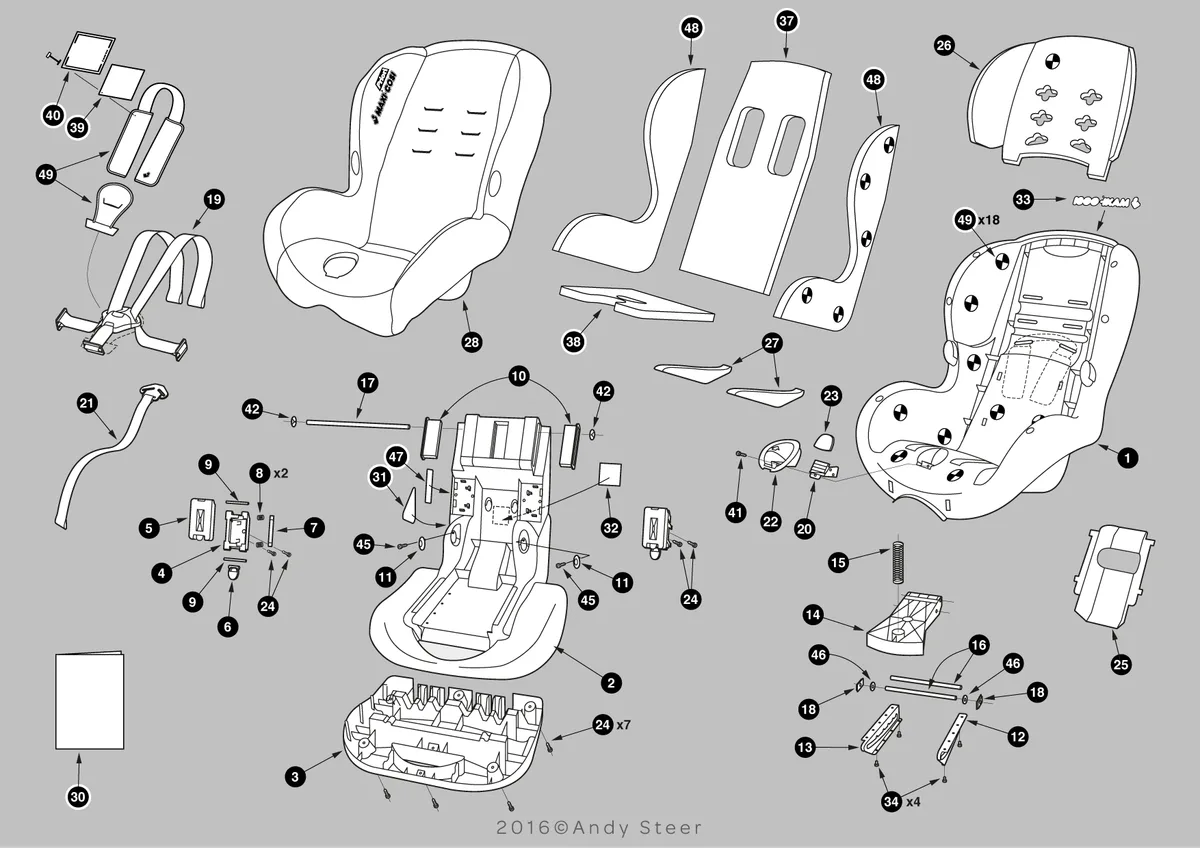
Image source: Web (Bing) / hitchesguide.com (Web image (fair-use with source credit))
A car seat is not a single material. It's a puzzle of components, each needing a different path.
The typical seat contains a polypropylene plastic shell, EPS or EPP foam padding, a polyester fabric cover, nylon harness straps, and a steel or aluminum frame. These parts bond together in manufacturing. Separating them takes effort and a few basic tools.
Most municipal recycling programs reject car seats for this reason. The mixed materials confuse sorting equipment. Even if you break it down, few curbside systems accept parts 2 and 5 plastics in small quantities.
If you toss the whole seat in the trash, it works. But it's the worst environmental outcome. A seat takes hundreds of years to break down in a landfill.
The plastic shell alone weighs 8 to 12 pounds. That's a significant chunk of non-biodegradable waste for one family.
Why This Wastes More Than Plastic
Feeding an old seat to the landfill ignores the resources that went into it. Per research, manufacturers use roughly 60 pounds of raw materials to produce one seat. That includes crude oil for plastic, mined iron ore for steel, and petroleum-based polyester for the cover.
Recycling recovers some of those materials. It also keeps the components out of the waste stream.
The Core Problem: Safety vs. Sustainability
The challenge is that car seats expire. Most brands set a service life of six to ten years from the manufacture date. After that, the plastic shell degrades, and the seat's protective performance is unverified.
You can't just donate an expired seat, and you can't recycle it through normal channels.
So the real job is dismantling the seat, sorting the components, and finding the right home for each piece. That's the process this guide covers, step by step.
First Question: Is That Seat Even Safe to Recycle?
Before you pull out a screwdriver, run a safety check. This step matters more than the recycling itself. A seat with a known issue should never re-enter use, and a seat that's unsafe to use is also unsafe to pass on.
Start with the expiration date. Look for the manufacture date sticker, usually on the base or embedded in the plastic shell. It lists the model number and the date.
The expiration date is typically six to ten years after that. As of 2026, most brands follow the six-year standard, though some European models stretch to ten.
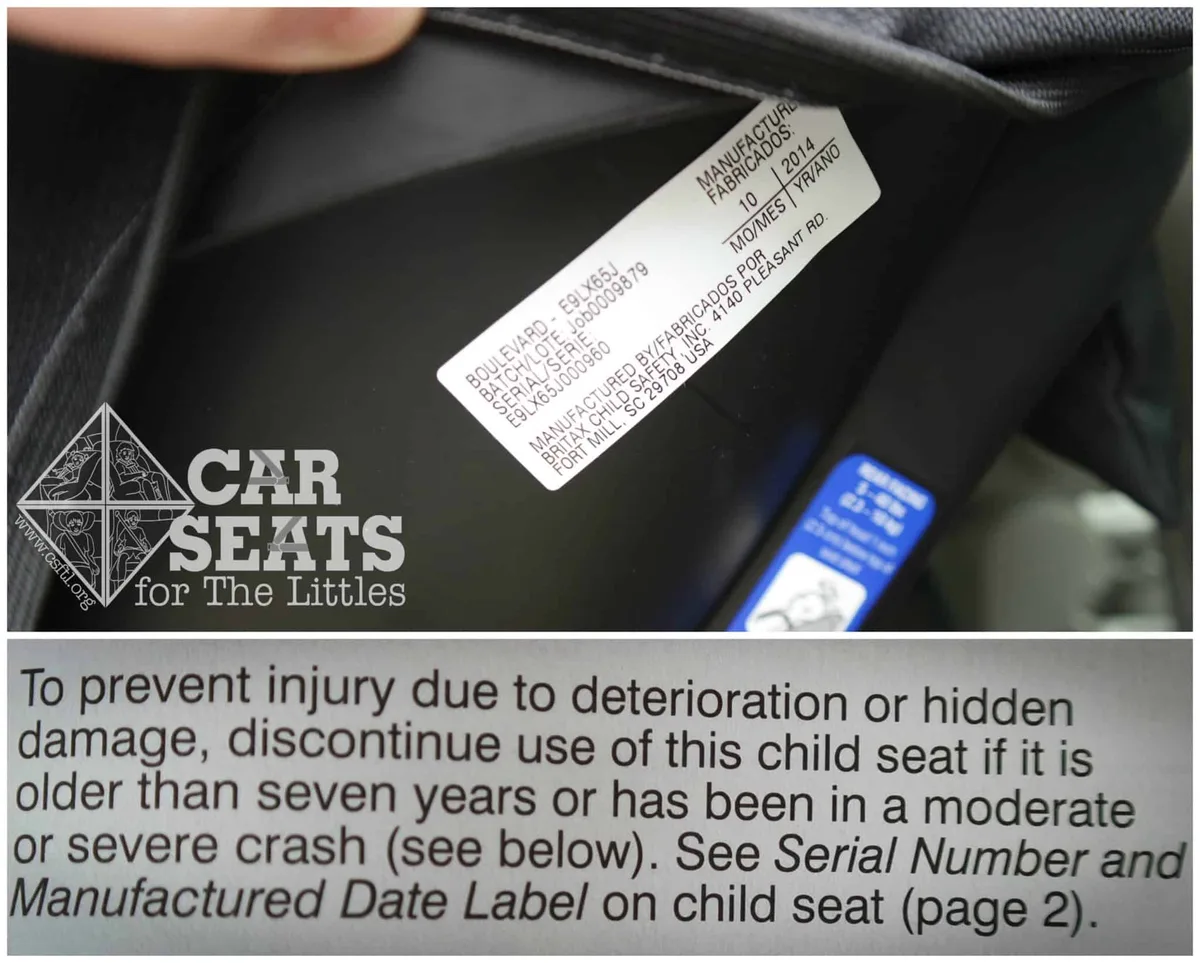
Image source: Bing (Web (fair-use with source credit))
If the seat is past its expiration date, it's done. Do not donate it. Do not pass it to a younger sibling.
The plastic shell weakens with temperature changes and UV exposure. Manufacturer specifications indicate that the chemical structure degrades over time, which means the seat may not protect your child in a crash.
The Crash Rule Nobody Should Bend
Next, check the crash history. Here's the rule that car seat technicians rarely compromise on: a seat involved in any moderate or severe crash must be replaced. A moderate crash means the vehicle was drivable from the scene, but the nearest door to the seat was damaged, the airbags deployed, or a passenger was injured.
A minor crash is different. If the vehicle was drivable, the door nearest the seat remained undamaged, and no airbags deployed, the seat may be reusable. But inspect it thoroughly for cracks, deformation, or stress marks.
If you see anything, retire it.
When the Seat Is Unsafe, Recycling Becomes the Only Option
If the seat is expired, damaged, or crash-involved, recycling is the safest choice. It guarantees the seat is broken down into materials that can't be reassembled or misused. If the seat is still within its service life and crash-free, consider passing it on, but only if the recipient understands the expiration date and history.
Recall Status Matters
Before any decision, check the NHTSA recall database for your seat's model. Search NHTSA recalls to see if your seat has a safety defect. If it's recalled, the manufacturer will typically provide a replacement or a repair kit.
A recalled seat should never be recycled or donated; it must be disposed of according to the recall instructions.
The Decision Guide: Reuse, Recycle, or Destroy?
You've checked the seat. Now the path splits. Use this quick guide to decide what happens next.
Case 1: The Seat Is Within Its Expiration Date
If the seat is less than six years old, crash-free, and recall-free, you have options. You can pass it to a friend or family member, but make sure they know the expiration date and the seat's history. Donate to a nonprofit only if they accept used seats, which many don't due to liability.
Otherwise, recycle it through a trade-in event or manufacturer program.
Case 2: The Seat Is Expired or Crash-Involved
This seat is unsafe for any child. It must be destroyed. That means cutting the harness straps, removing the shell from the base, and marking the shell as non-reusable.
Your only ethical move is dismantling it and recycling the materials. No donation, no resale.
Case 3: The Seat Is Recalled
A recall changes everything. The manufacturer needs to collect the seat. Check the recall instructions.
They typically provide a shipping label or a local drop-off point. Do not dismantle a recalled seat before contacting the manufacturer, because they may want it back for inspection.
Case 4: The Seat Is Damaged but Not Expired
Cracked plastic shell, frayed harness, broken latch connector. Any structural damage means the seat is compromised. Treat it like an expired seat: destroy it.
A broken seat is not a candidate for reuse, and a damaged harness is a safety hazard.
The decision tree is straightforward. If the seat is safe, pass it on. If not, dismantle it.
And if it's recalled, send it back.
Step-by-Step: How to Dismantle a Car Seat for Recycling
Now for the hands-on part. This is the core of how to recycle car seats, and it requires a bit of physical work. Set aside about 30 to 45 minutes, grab a few tools, and get ready to tear the seat down.
Tools You'll Need
| Tool | Purpose |
|---|---|
| Screwdriver (Phillips and flathead) | Removing screws from the shell and base |
| Hex wrench set | Undoing torx or hex bolts on most brands |
| Socket set (8mm–10mm) | Unbolting the base and metal frame |
| Scissors or side cutters | Cutting harness and LATCH straps |
| Permanent marker | Marking the shell as destroyed |
| Trash bags | Sorting fabric and foam for disposal |
These tools handle just about every seat on the market. Some seats use plastic rivets instead of screws. Those you can pop off with a screwdriver.
Grease the job with a bit of patience.
Cutting the Harness and LATCH Straps
This is the one step you cannot skip. The harness straps and LATCH belts must be cut to render the seat non-reusable. If you just separate the shell and leave the straps intact, someone might find the pieces and reassemble them.
That's a safety risk you don't want.
Use scissors or side cutters to sever the straps where they meet the shell. Cut through the webbing, not just the buckle. Snip the adjuster strap as well.
You want the seat physically incapable of holding a child.
For the LATCH connectors, cut the straps as close to the shell as possible. This removes the metal connectors from the webbing. The straps go to the trash, and the metal connectors can be recycled with your other scrap metal.
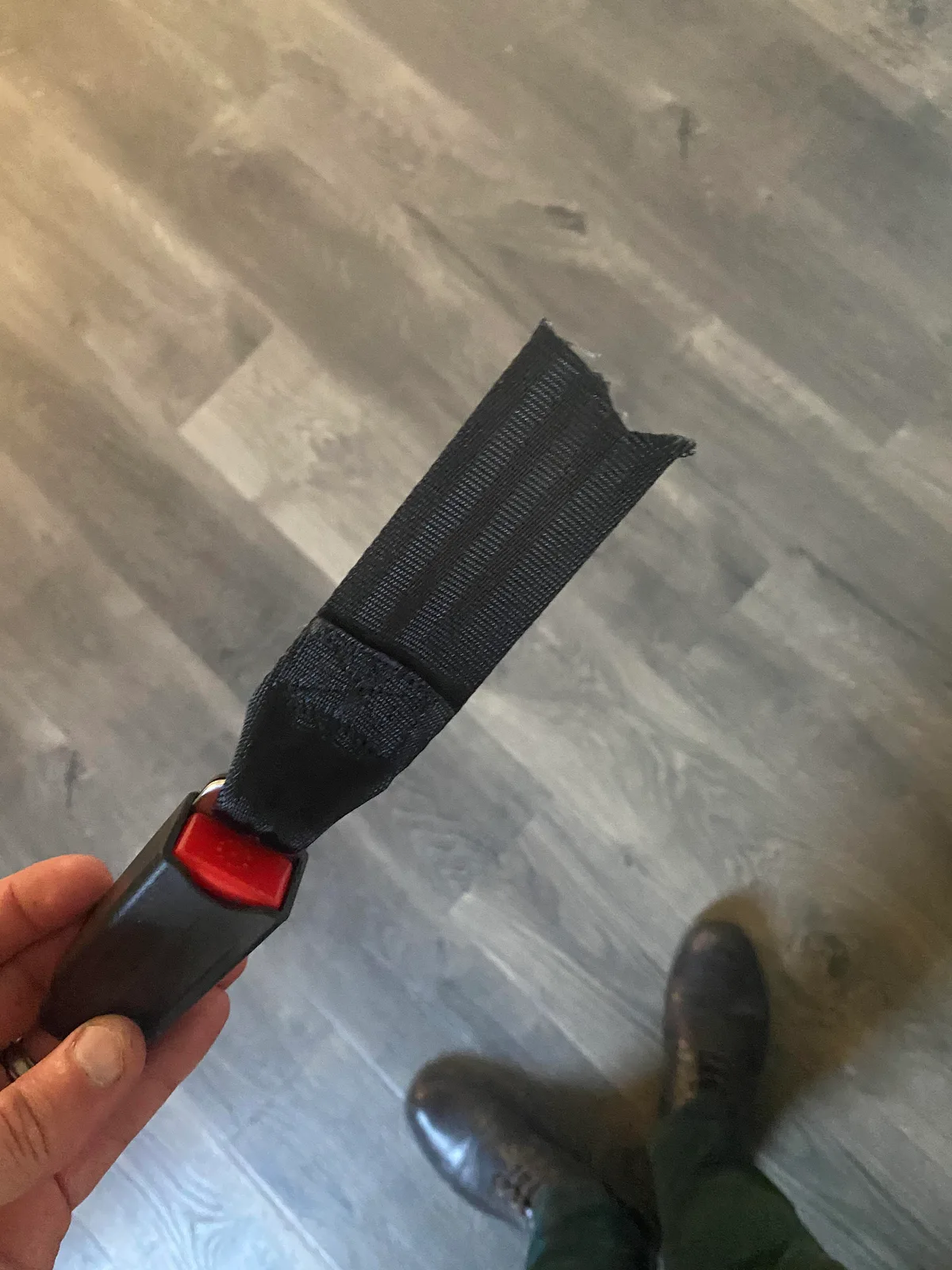
Image source: Web (Bing) / storage.googleapis.com (Web image (fair-use with source credit))
Removing the Fabric and Foam
Unzip or pry off the fabric cover. Most seats use a combination of snaps, hooks, and elastic. Work slowly to avoid ripping the fabric, though ripping isn't the end of the world.
The fabric and foam typically go to the trash, not the recycling bin. Polyester blends and EPS foam are hard to recycle curbside.
Check the foam for a recycling number. EPS foam is marked with a 6 inside a triangle. Some specialty recyclers accept number 6 foam, but most don't.
City drop-off programs often accept it during special collection events. Ask your local waste district.
Separating the Shell from the Base
Now the structural piece. Use your screwdriver or socket set to remove the bolts connecting the shell to the base. On many convertible seats, the shell sits on a base with a release lever.
On infant seats, the base is separate entirely.
Remove every screw and bolt. Slide the shell off the base. You should have two large plastic pieces and the metal frame components.
Mark both plastic pieces with your permanent marker. Write "DESTROYED" in big letters across the underside. That prevents confusion if anyone finds the parts.
Sorting the Materials
Now you have a pile of components. Sort them into three groups:
- Plastic shell and base: These go to a plastics recycler that accepts polypropylene (number 5). Some municipal facilities take number 5 in bulk, but you may need to find a specialty recycler.
- Metal frame and connectors: These go to your local scrap metal yard. They'll weigh it and pay you a few cents per pound. It's not a money haul, but it beats the landfill.
- Fabric, foam, and straps: These are trash. Check if your city offers a foam drop-off day. Otherwise, bag them and send them to the landfill.
This sorting process is the heart of how to recycle car seats. It turns a single bulky object into clean material streams.
Where to Take the Pieces
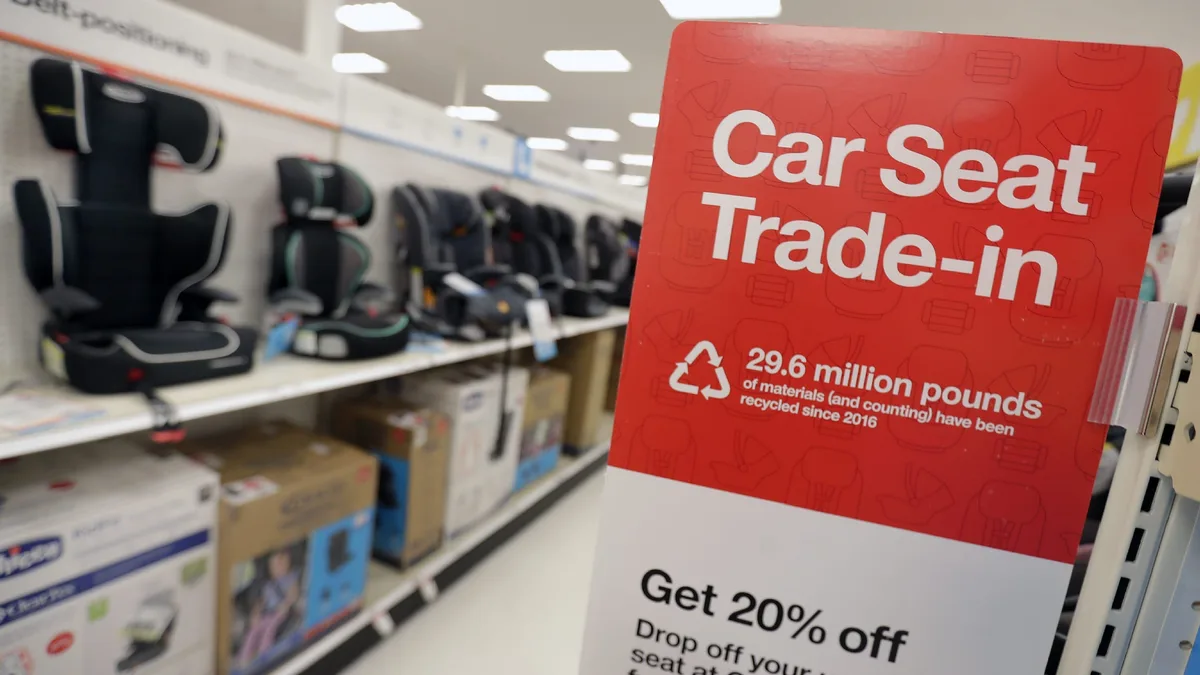
Image source: Bing (Web (fair-use with source credit))
You've done the hard work. Now the pieces need a home. You have three solid options.
Retail Trade-In Events (Target, Walmart, and Others)
The easiest route is a retail trade-in event. Target runs its car seat trade-in program twice a year, typically in spring and fall. You bring any old seat to the store, and they give you a 20% off coupon for a new seat.
Walmart runs a similar program annually.
The best part: you don't need to dismantle the seat first. They accept the whole unit, and they handle the recycling. Target's program details confirm they partner with recycling facilities to break down the components.
That saves you a solid block of time.
The catch is timing. Trade-in events last only a few weeks. If your seat expires in July and the event is in April, you'll need to store the seat until then.
Manufacturer Take-Back Programs
Some manufacturers run their own take-back programs. Clek, a Canadian brand, has a recycling program for its seats. You ship the seat to them, and they break it down.
Britax offers a similar program in select regions.
Check your seat's brand website for a take-back option. The manufacturer is best positioned to handle the unique materials in their product. They also verify the seat is truly retired.
Municipal and Scrap Recycling Facilities
If you can't wait for a trade-in event, call your local solid waste district. Many cities offer special collection days for bulky items, car seats included. Some accept disassembled car seat parts in their regular recycling stream if you separate the materials.
Your local scrap metal yard will take the metal frame and connectors. Call ahead to confirm they accept small quantities. Most do.
The Comparison: Which Route Works for You?
| Method | Effort | Cost | Materials Handled |
|---|---|---|---|
| Retail trade-in | Low | Free | Whole seat |
| Manufacturer program | Medium | Possibly shipping cost | Whole seat |
| DIY dismantle + recycle | High | None | Separated components |
| Landfill | Low | Free | Everything |
The retail trade-in is the winner for most parents. Low effort, no cost, and the store handles the hard part. But it's a once-a-year window.
If you miss it, the DIY route is your best fallback.
Trade-In vs. Take-Back vs. DIY Recycling: Which One's Right?
Each route has a clear winner depending on your timing, effort, and budget. Here's the straight breakdown.
Retail trade-in works best when you're ready to buy a new seat anyway. You get a discount, you recycle the old one, and you avoid all the dismantling work. The only downside is the schedule.
If your seat expires three days after the event closes, you're stuck waiting months.
Manufacturer take-back is ideal for premium brands like Clek or Britax that run their own programs. It's the most reliable option for a brand-specific seat, and you're guaranteed proper material recovery. Check your brand's website for details.
DIY dismantling is your fallback when no event is running. It takes 45 minutes and a few tools, but it's the only method that works year-round. If you've already installed a car seat properly, you have the patience for this job.
Common Mistakes That Ruin a Car Seat Recycling Effort
The biggest error is skipping the safety check. People see an expired seat, assume it's fine, and pass it to a friend. That's how a degraded shell ends up protecting a child in a crash.
Never skip the expiration date check.
Another common mistake is leaving the harness straps intact. If you toss a complete-looking seat into the trash, someone might pull it out. Always cut the straps and the LATCH belts before disposal.
Some parents try to recycle the whole seat in their curbside bin. Municipal programs, with rare exception, reject mixed-material items. The seat ends up in the landfill anyway, and you've wasted your sorting effort.
Foam confusion is also common. EPS foam looks recyclable, but most curbside programs don't take number 6 expanded foam. Check with your local waste district for special collection days instead of assuming.
The Benefits of Recycling Over Landfill Disposal
The environmental case is straightforward. Every seat you dismantle keeps roughly 60 pounds of raw materials out of a landfill. That's plastic, steel, and foam that can be reprocessed into new products.
Plastic shells made from polypropylene are particularly valuable. Recyclers grind them into pellets that become new automotive parts, storage bins, or even new car seat bases. The metal frame and connectors go to scrap yards, where they enter the steel recycling stream.
Recycling also solves a safety problem. Dismantling a seat guarantees it can never be reused. A whole seat sitting in a trash bag looks like a perfectly good gift to someone hunting for free baby gear.
A cut-up shell with "DESTROYED" written on it does not.
What It Costs: Kits, Fees, and Hidden Expenses
| Method | Cost | Hidden Fees |
|---|---|---|
| Retail trade-in | Free | None, but requires a purchase |
| Manufacturer program | Varies | Shipping may apply |
| DIY recycling | $0–$20 | Any disposal fees for foam/fabric |
| Commercial mail-in kit | $20–$50 | Shipping both ways |
Retail trade-in events are genuinely free. You hand over the seat and get a coupon. No hidden costs, as long as you were planning to buy a new seat anyway.
Manufacturer take-back programs vary. Some cover shipping; others expect you to pay. Clek's program historically requires the owner to cover outbound shipping.
DIY recycling costs almost nothing if you have tools and a scrap yard nearby. The only expense is disposal of the foam and fabric, which is typically a few dollars at your local transfer station. Commercial mail-in kits like TerraCycle charge between $20 and $50 per box, covering the full recycling process.
Real Scenarios: What to Do With Common Seat Situations
Scenario one: the expired infant seat. Your Graco SnugRide hit its sixth birthday. It was never in a crash, and it's structurally fine. You have a newborn nephew arriving next month.
The answer is no. Expired is expired. Cut the straps, dismantle it, and recycle the parts.
Scenario two: the crash-involved convertible. Your Britax Marathon was in the car during a fender bender. The car was drivable, but the passenger door nearest the seat was damaged. Per NHTSA criteria, that counts as a moderate crash.
The seat is done. Dismantle it carefully and label the shell.
Scenario three: the outgrown booster. Your child finally hit the height limit for the booster. The seat has two more years of life left. A colleague has a younger child who needs a booster.
Check the expiration date, confirm the crash history, and know when kids stop using car seats so you set the right expectations. If it's in good shape, pass it on with the manual.
What It Costs: Kits, Fees, and Hidden Expenses
| Method | Cost | Hidden Fees |
|---|---|---|
| Retail trade-in | Free | Requires a new purchase |
| Manufacturer program | Varies | Shipping may apply |
| DIY recycling | $0–$20 | Foam/fabric disposal |
| Commercial mail-in kit | $20–$50 | Shipping both ways |
Retail trade-in events are genuinely free. You hand over the seat and get a coupon. No hidden costs, as long as you're buying a new seat anyway.
Manufacturer take-back programs vary. Some cover shipping, others expect you to pay. DIY recycling costs almost nothing if you have tools and a scrap yard nearby.
Real Scenarios: What to Do With Common Seat Situations
Scenario one: the expired infant seat. Your Graco SnugRide hit its sixth birthday. It's structurally fine but expired. Cut the straps, dismantle it, and recycle the parts.
No exceptions.
Scenario two: the crash-involved convertible. Your Britax was in a fender bender with door damage near the seat. Per NHTSA criteria, that's a moderate crash. The seat is done.
Dismantle it carefully.
Scenario three: the outgrown booster. Your child finally hit the height limit. Check the expiration date and crash history. If it's in good shape, pass it on with the manual.
Otherwise, know when kids stop using car seats and recycle it the same way.
Frequently Asked Questions
Can I donate a used car seat to charity?
Most nonprofits refuse used car seats due to liability. They can't verify the seat's crash history or storage conditions. Donate only if the seat is within its expiration date, crash-free, and accepted by the specific organization.
What happens to recycled car seat plastic?
The polypropylene shell gets ground into pellets. Those pellets become new automotive parts, storage bins, or industrial crates. The steel frame and connectors go to scrap yards and re-enter the steel recycling stream.
Are car seat covers recyclable?
The polyester fabric is generally not accepted in curbside programs. Some textile recyclers accept it, but most households toss it. Check with your local waste district for textile drop-off options.
My Final Take: The Simplest Safe Way to Handle an Old Seat
The retail trade-in is the winner for most parents. Low effort, free, and the store handles the recycling. Time your seat replacement around those events when you can.
If the timing doesn't work, dismantle the seat. Cut the straps, separate the parts, and sort them properly. It takes 45 minutes but gives you peace of mind that the seat can never be reused unsafely.
Whatever you do, run the safety check first. Expiration date, crash history, recall status. A seat that's unsafe to use is also unsafe to hand down.

Leave a Reply