
Forget everything you've read about car seats being just a place to park yourself. If you've ever wondered what bucket seats in a car actually are, you're looking at the single most important piece of interior design for anyone who enjoys driving. They're the sculpted, individual chairs that hug you like a glove, found in everything from hot hatches to million-dollar supercars.
The name comes from their shape. A bucket seat is one separate, contoured unit that sits lower and wraps around your body, unlike a flat bench that lets three people slide around. Manufacturer specifications indicate that typical bucket seats are 20 to 30 pounds lighter than a full bench setup, and they're designed to hold you in place during hard cornering.
That's the whole game. Let's break down exactly what you're sitting in and why it matters for your next car or upgrade.
Quick Answer
Bucket seats are single, contoured car seats with raised side bolsters that hold your body in place during cornering. They replace the flat bench seat found in older cars. Their shape keeps your hips and torso stable while the car moves.
You'll find them in nearly every modern car.
The Short Answer: What Makes a Seat a Bucket Seat?
The definition comes down to one simple visual test. A bucket seat is a single, individual chair with a wraparound shape. It has raised edges on the bottom cushion and the backrest that curve up and around your thighs and ribs.
Those raised edges are called side bolsters, and they are the entire point.
A bench seat is a flat, continuous surface that spans the width of the cabin. A bucket seat is a scooped-out shell built for one person. It positions your body lower and more reclined, which shifts your center of gravity closer to the floor.
That lower seating position is why sports cars feel so different from old pickup trucks.
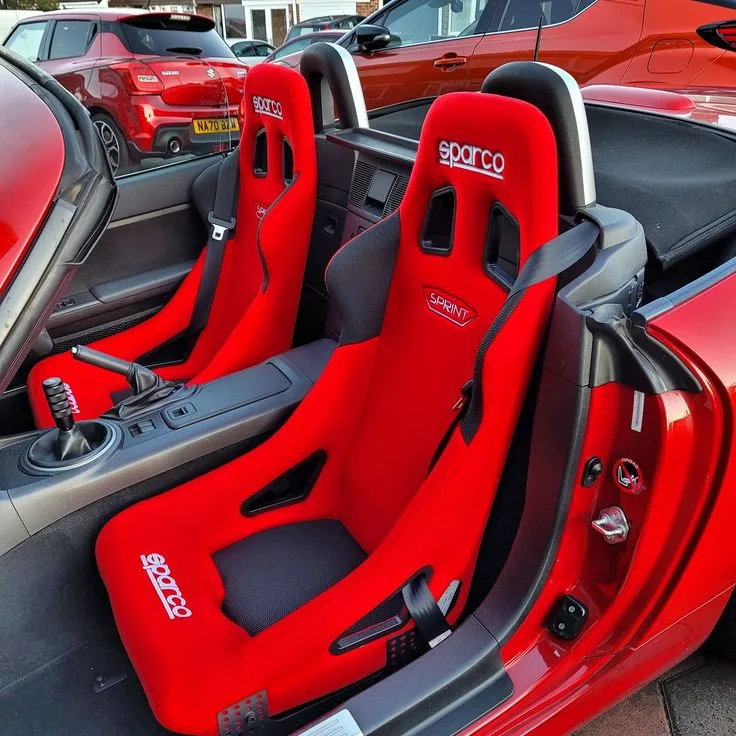
Image source: Web (Bing) / storage.googleapis.com (Web image (fair-use with source credit))
Anatomy of a Bucket Seat: Bolsters, Shells, and Cushions
Let's break down the physical parts. Every bucket seat, from a factory BMW to a barebones racing shell, shares the same core structure. Understanding these pieces is the fastest way to know what you're looking at.
- Seat cushion: The bottom part you sit on. It's wider at the front and narrows near your hips.
- Backrest: The vertical portion that supports your spine and shoulders.
- Side bolsters: The raised, padded wings on both the cushion and backrest.
- Seat frame: The metal or carbon structure underneath.
- Headrest: Either integrated into the backrest or adjustable.
The side bolsters do the heavy lifting. On a factory sports seat, they're firm but padded, designed to squeeze your thighs and ribs just enough to keep you planted. On a racing seat, they're significantly taller and harder.
They're there to stop your body from sliding sideways when you pull 1G through a corner, and they absolutely work.
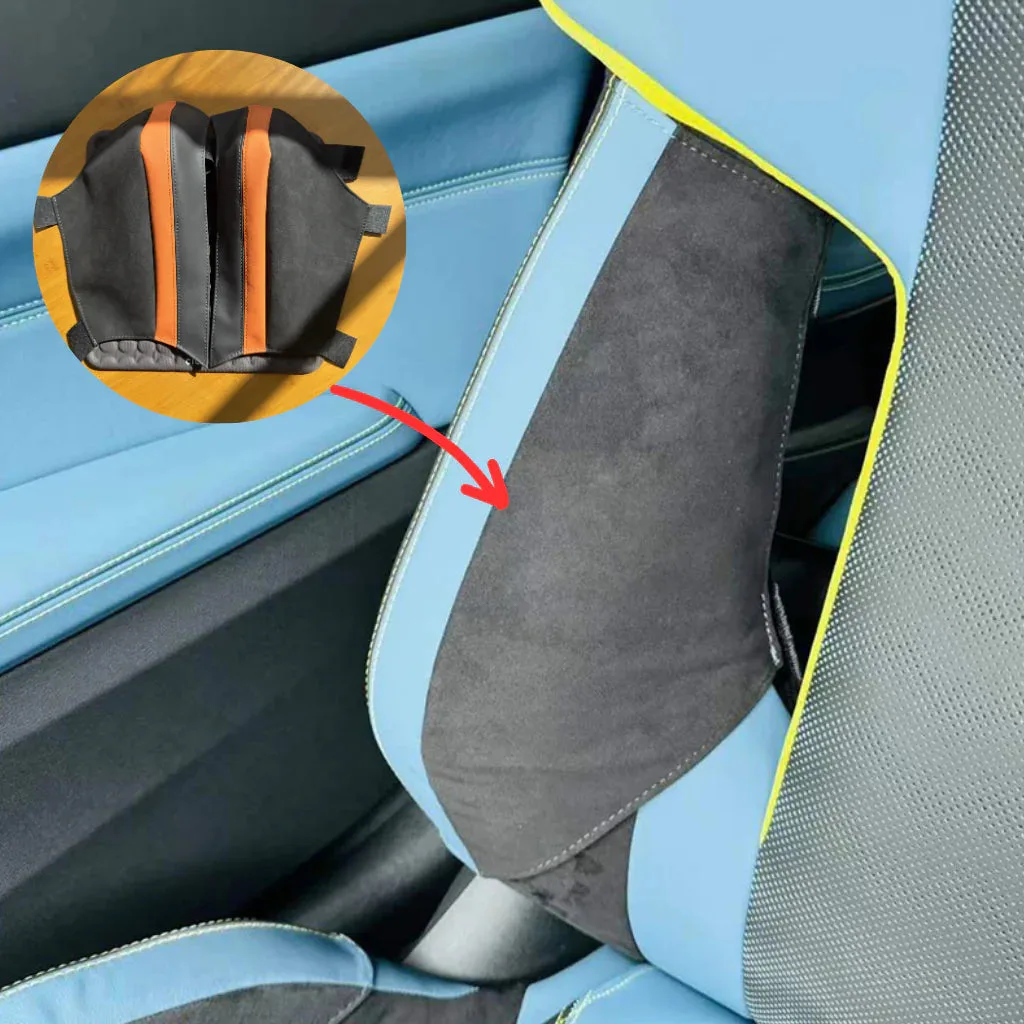
Image source: Web (Bing) / velocityperformanceparts.com (Web image (fair-use with source credit))
Visual Cues: How to Spot a Bucket Seat Instantly
You don't need to read a spec sheet to identify a bucket seat. One glance at the seat's shape tells the whole story. Stand next to the car and look at the seat from the side.
A bucket seat's backrest has prominent wings that curve forward around the shoulder area.
Look for the headrest too. Some bucket seats have an integrated headrest that flows out of the backrest in one smooth piece. Others have a separate, adjustable headrest.
Both are bucket seats, but the one-piece design is a racing-style shell. Modern cars almost always come with rear bucket seats too, and they're just smaller versions of the fronts.
The Bench Seat Comparison: Why Buckets Exist
To really get what a bucket seat does, look at an old car. Before the 1960s, most vehicles had a full-width bench seat in the front, a continuous padded sofa from door to door. They were spacious and practical for families, but they had a huge flaw.
They offered zero lateral support.
When you took a corner in a bench-seat car, your entire body slid across the vinyl. The driver braced against the steering wheel, the passenger grabbed the door handle. Bucket seats solved that problem completely.
They isolate each occupant, so the driver stays centered behind the wheel while the passenger stays in their own lane. That's why performance cars adopted them first and why they're now universal.
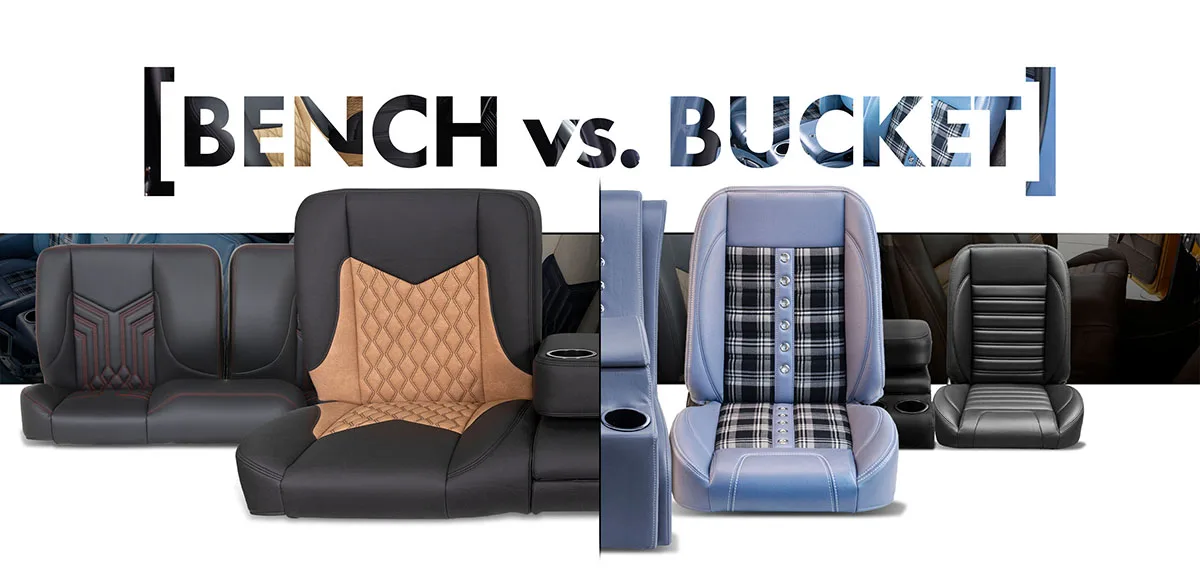
Image source: Web (Bing) / fity.club (Web image (fair-use with source credit))
The Real Reason Drivers Love Them: Cornering Support
Sit in a proper bucket seat and take a fast corner. You'll feel the difference in the first ten seconds. The bolsters press against your outer thigh and ribs, holding you in place while the car leans.
You're not holding yourself up with the steering wheel anymore. The seat does it for you.
That support translates into real driving benefits. With your body stable, you can feel exactly what the car is doing through your hips and spine. Comprehensive safety standards from the National Highway Traffic Safety Administration emphasize that proper seat positioning reduces driver fatigue and improves control.
You're not fighting lateral forces, so you're more alert and more accurate behind the wheel. That's the magic of these seats.

Leave a Reply