
You've just pulled over for the third time in an hour. Your two-month-old is screaming, you're 20 minutes from home, and the bottle is sitting right there in the diaper bag. The question pops into your head: can you feed a baby in a car seat?
The short answer is no. Not safely, not while the seat is in the car, and definitely not while the car is moving. The semi-reclined angle that makes car seats safe for travel creates a real choking and aspiration hazard during feeding.
Manufacturer specifications indicate that car seats are engineered for transport, not for mealtimes. As of 2026, major safety organizations like the American Academy of Pediatrics (AAP) and the National Highway Traffic Safety Administration (NHTSA) all agree on this point. Let's dig into the why and, more importantly, what you should do instead.
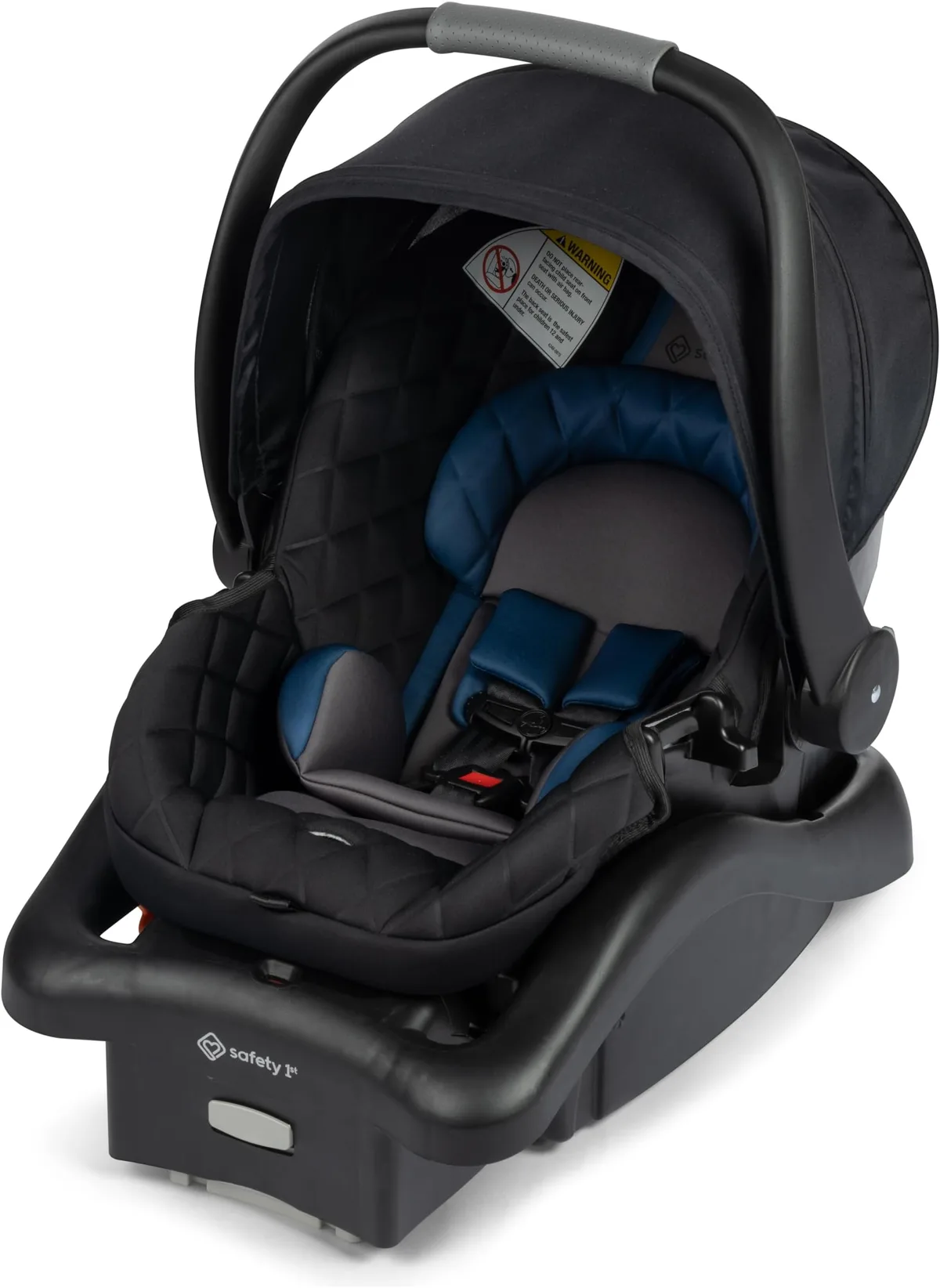
Image source: Web (Bing) / amazon.com (Web image (fair-use with source credit))
Quick Answer
No, you should not feed a baby in a car seat. The reclined angle interferes with safe swallowing. It increases the risk of choking and silent aspiration.
It also worsens reflux and ear infections. Pull over, unclip the carrier, and feed the baby upright instead.
Why the Car Seat Angle Is the Problem
Infant car seats are designed with a specific semi-reclined angle. That angle, typically between 30 and 45 degrees from vertical, is what keeps a sleeping baby's airway open during a crash or while riding in a moving vehicle. It's a carefully engineered safety feature that has saved countless lives.
The problem is that this exact same angle is terrible for feeding. When a baby drinks from a bottle, they need to be upright, close to 60 to 90 degrees. That upright position lets gravity help move the milk from the nipple to the back of the throat and down the esophagus.
It also keeps the airway clear and protected.
Here's what happens in a car seat instead. The semi-reclined position means the baby's head is tilted back slightly, but their chin can slump forward toward their chest. That forward head position narrows the airway.
Meanwhile, milk pools at the back of the throat because gravity is working against it. The swallowing reflex, which is already immature in newborns, has to work overtime.
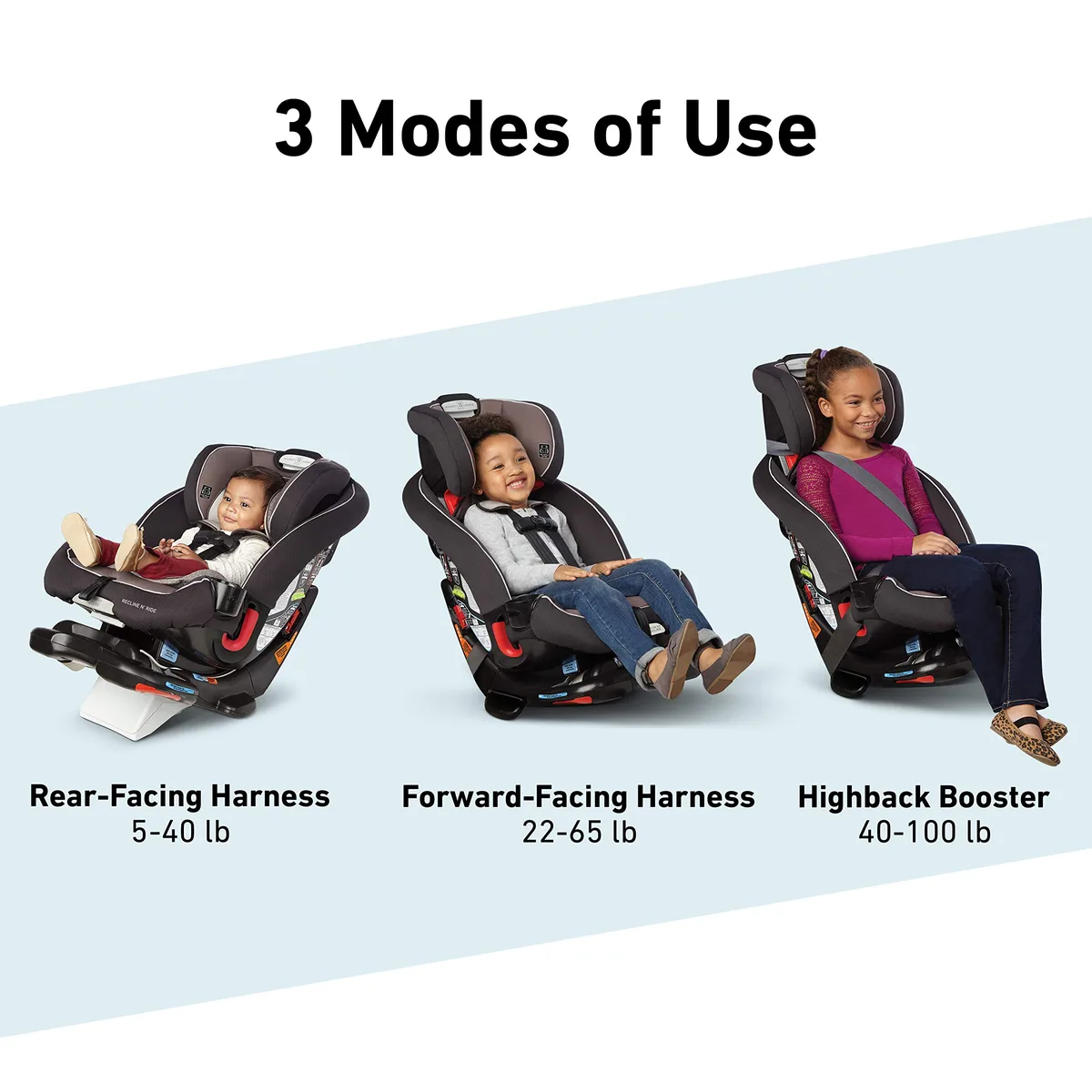
Image source: Web (Bing) / storage.googleapis.com (Web image (fair-use with source credit))
Think of it like trying to drink from a straw while lying flat on your back. You can do it, but you're fighting gravity the whole time. Some liquid always ends up where it shouldn't.
For an adult, that means a cough and a sputter. For a newborn, it can mean milk silently entering the lungs.
The mechanics are straightforward. The car seat's recline angle is optimized for crash safety, not for feeding. You cannot change that angle without compromising the seat's protective function.
And a properly installed car seat, even one with an adjustable recline base, still sits at a steeper angle than what's safe for bottle feeding.
The Real Risks: Beyond Just Choking
Most parents think about choking when they hear "don't feed a baby reclined." Choking is certainly a risk, but it's not the only one. In fact, some of the most dangerous scenarios involve no coughing at all.
Silent aspiration is the hidden danger here. This happens when milk slips past the vocal cords and enters the airway without triggering a cough reflex. The baby might sputter slightly, or they might not react at all.
The milk sits in the lungs, where it can cause pneumonia or other respiratory infections. It's called "silent" because there's no obvious distress, which makes it terrifyingly easy to miss.
The anatomy of a baby makes this worse. An infant's airway is smaller and positioned differently than an adult's. The epiglottis, the flap that closes off the windpipe during swallowing, is softer and less coordinated in newborns.
That lack of coordination means aspiration is more likely, especially when the baby is feeding from a reclined position.
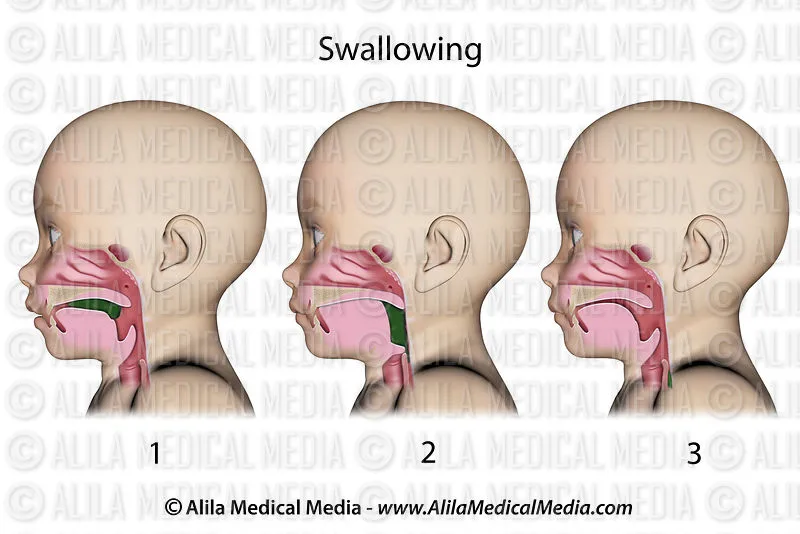
Image source: Web (Bing) / alilamedicalmedia.com (Web image (fair-use with source credit))
There's also the ear infection angle. The eustachian tube, which connects the middle ear to the back of the throat, is shorter and more horizontal in babies. When a baby drinks while reclined, milk can pool near the opening of this tube.
That creates a perfect breeding ground for bacteria. Recurring ear infections are a common problem for babies who are routinely bottle-fed while lying down.
And then there's reflux. Gastroesophageal reflux disease, or GERD, is already common in infants. The lower esophageal sphincter, the muscle that keeps stomach contents where they belong, isn't fully developed in newborns.
Feeding a baby in a reclined position makes reflux significantly worse. The milk sits in the stomach and can easily wash back up into the esophagus. That leads to pain, spit-up, and a miserable baby.
Positional asphyxia is the most serious risk. This occurs when the baby's chin slumps forward and compresses the airway. It's a known risk with car seats even without feeding, which is why the AAP recommends limiting time in a car seat to 30 minutes for newborns.
Add the distraction of feeding, and the risk profile changes entirely.
The takeaway is simple. Feeding a baby in a car seat doesn't just risk one bad outcome. It raises the risk of several serious, overlapping problems.
None of them are worth the convenience of avoiding a quick stop.
What About Long Road Trips or a Crying Baby?
Every parent knows the scenario. You're on a long drive, the baby starts crying, and you're still 45 minutes from the next rest area. Your instinct is to solve the problem right now.
But feeding in the car seat is not a solution. It's a gamble with your baby's airway.
Let's talk about realistic planning instead. A newborn needs to eat every 2 to 3 hours, sometimes more often. That means a 3-hour drive involves at least one feeding stop.
A 6-hour drive involves two or three. There's no way around this. Your schedule needs to account for feeding time, burping time, and the 10 to 15 minutes after a feed when the milk settles.
Here's a practical approach. Plan your departure around a feeding. Feed the baby right before you strap them in.
That buys you a solid 2-hour window. Then schedule your first stop at the 2-hour mark, even if the baby isn't crying yet. This is proactive rather than reactive.
You control the schedule instead of waiting for the meltdown.
What about the crying baby who just needs to be soothed? That's a different problem from hunger. A pacifier can help.
White noise can help. A gentle rocking motion from the car's movement can help. But a bottle is not a pacifier, and using one to soothe a baby who isn't hungry introduces all the same risks with none of the nutritional benefit.
If you're truly stuck in traffic with a screaming infant, the safest move is to pull over where it's legal and safe. A rest area, a gas station, or even a wide shoulder. Unclip the carrier, bring it to the front seat, and feed the baby while holding them upright.
Yes, it takes time. Yes, it's inconvenient. But it's the only safe option.
The 10 to 15 minute rule matters here. After a feed, a baby's stomach is full and the esophageal sphincter is relaxed. Strapping them back into a reclined seat immediately increases the chance of spit-up and reflux.
Wait at least 10 minutes, ideally 15, while holding the baby upright. Burp them well. Let the milk settle.
Then re-strap and resume your trip.
If you're planning a long journey frequently, it might be worth checking your car seat installation guide to make sure your base recline is properly set. A seat that's too reclined makes everything worse, including feeding risk.
Common Mistakes Even Well-Meaning Parents Make
Every parent makes mistakes, and most of them come from a place of love. You're tired, the baby is crying, and you just want everyone to be okay. That's completely understandable.
But some common car seat feeding mistakes are dangerous enough that they need to be named.
Bottle-propping is the big one. This is when you wedge a bottle against the car seat or the baby's chest to feed them hands-free. It seems clever.
You can drive while the baby eats. But it removes your ability to monitor the feeding. You can't see when the baby is choking.
You can't feel when they're struggling. You're essentially feeding your baby unsupervised, which is never acceptable.
Feeding at red lights is another trap. You're stopped, so it feels safe. But traffic lights change fast.
You get distracted, the light turns green, and suddenly you're driving with a bottle in one hand and a baby who's mid-swallow. Even a gentle tap on the brakes can cause the bottle to shift or the baby to startle. It's not a controlled environment.
Reclining the carrier "just a bit" is a third mistake. Some parents think they can adjust the carrier's angle to make feeding easier. Here's the problem.
The carrier's recline is integrated into its crash safety design. Changing it changes how the seat performs in an accident. Most manufacturers explicitly prohibit modifying the recline angle.
And even if you could adjust it, you'd still be feeding the baby in a seat designed for transport, not feeding.
Confusing the car seat with a stroller is a fourth one. Many parents think that if the carrier clicks onto a stroller frame, it's fine to feed in it there. The stroller puts the seat at a different angle, often more upright, but it's still not a feeding chair.
The same swallowing and aspiration risks apply. The seat is still semi-reclined. The baby is still in a position that compromises their airway.
Feeding a sleeping baby is the fifth error. If the baby has fallen asleep in the car seat and they're due for a feed, the temptation is to let them sleep. But if they wake up hungry and you feed them while they're still groggy and reclined, their swallowing coordination is even worse than usual.
A sleepy baby is less able to protect their airway.
Here's a quick checklist of what not to do:
- Never prop a bottle against the car seat
- Never feed while the vehicle is moving
- Never feed at red lights or in stop-and-go traffic
- Never adjust the carrier's recline angle
- Never feed a drowsy baby in the seat
If you're unsure about how to properly secure your baby in the carrier, it's worth reviewing when to remove the newborn insert. The insert changes the baby's positioning, which affects both safety and feeding risk.
The common thread here is that every one of these mistakes feels reasonable in the moment. That's what makes them dangerous. You're not being careless.
You're just trying to get through a difficult situation. But the consequences of aspiration or positional asphyxia are severe enough that they outweigh any convenience.
The Safe Alternative: The Stop, Drop, and Feed Method
So what should you do instead? It's simpler than you might think, and it takes less time than you'd expect. We call it the Stop, Drop, and Feed method.
It's a three-step process that keeps your baby safe without turning every car ride into a logistical nightmare.
Step 1: Stop in a safe location. Pull into a rest area, a gas station, a parking lot, or anywhere that's flat and legal to park. Never use the shoulder of a highway unless it's a genuine emergency. You need a calm, stable environment to feed a baby properly.
Step 2: Drop the carrier out of the base. Unlock the carrier from its base with one hand while supporting it with the other. Bring the carrier to the front seat or lay it flat on a safe surface nearby. This is critical.
You are not feeding the baby in the carrier. You're using the carrier to transport the baby to a safe feeding position.

Image source: Web (Bing) / theplaceforparents.com (Web image (fair-use with source credit))
Step 3: Feed the baby upright. Unstrap the baby and remove them from the carrier entirely. Hold them in your arms at a 60 to 90 degree angle, the same position you'd use at home. Feed normally.
This is the position their swallowing reflex is designed for.
This might feel like a lot of steps, but the whole process takes about 15 minutes. Here's how that breaks down:
- Unclipping and unclicking: 30 seconds
- Unstrapping and positioning: 1 minute
- Feeding: 10 to 15 minutes
- Burping and settling: 2 minutes
- Re-strapping and re-clicking: 1 minute
The total time is roughly the same as if you'd tried to feed in the seat, but without the risk. And critically, the baby feeds properly, so they're likely to be satisfied and calm for the rest of the drive.
After the feed, hold the baby upright for 10 to 15 minutes. This lets the milk settle and reduces the chance of reflux when you re-strap them. Burp them thoroughly during this time.
A baby who goes back into the seat with trapped gas is a baby who's going to cry.
One thing to note: the carrier itself should never be placed on a surface where it can fall. If you're putting it on the ground, make sure it's flat and stable. If you're putting it on a seat, keep a hand on it.
The carrier is a transport device, not a resting place. Getting a carrier in and out of a shopping cart has the same principles, and the same rules apply.
What the Official Safety Guidelines Say
This isn't just our opinion. It's the consensus of every major child safety organization in the United States and abroad. When the AAP, NHTSA, and car seat manufacturers all align, it's worth paying attention.
The American Academy of Pediatrics is explicit about this. Their policy on infant feeding and car seat safety states that infants should not be fed while in a car seat. The reasoning is straightforward: the semi-reclined position increases the risk of aspiration and upper airway obstruction.
They also recommend limiting time in a car seat to 30 minutes for newborns, regardless of feeding.
The National Highway Traffic Safety Administration focuses on the transport aspect. Their car seat guidelines are about crash protection, not feeding. They recommend that any time spent in a car seat outside of the vehicle should be minimized.
This includes eating, sleeping, and resting.
Car seat manufacturers reinforce this in their manuals. Graco, Chicco, Britax, and evenflo all include warnings against feeding in their seats. The language varies, but the message is consistent: the seat is designed for travel, and using it for other purposes can compromise safety.
Here's a quick summary of what the guidelines say:
| Organization | Stance on Feeding in Car Seats | Key Reference |
|---|---|---|
| AAP | Not safe; increases aspiration risk | Policy statement on infant sleep and car seats |
| NHTSA | Minimize all time in car seat outside vehicle | Car seat installation guidelines |
| Manufacturer manuals | Prohibited; seat is for travel only | Product-specific safety warnings |
The guidelines aren't just about feeding either. They cover the broader issue of positional asphyxia. A newborn who spends too long in a semi-reclined position can have their airway compressed, leading to reduced oxygen.
This risk exists even when the baby is just sleeping. Adding a bottle into the mix only compounds the danger.
Some parents ask about the "travel system" approach, where the carrier clicks onto a stroller. It's true that this puts the seat in a more upright position. But the stroller frame doesn't change the fundamental issue.
The seat's design is still optimized for transport, and the baby's head position is still somewhat compromised. The AAP recommends against using car seats as [general seating] even in strollers for extended periods.
If you're looking for a deeper explanation of how car seats work, including the differences between infant carriers and larger convertible models, it's worth reading about what a convertible car seat is. Understanding the design helps you understand why the angle matters so much.
The bottom line from the experts is unambiguous. Feeding in a car seat is not a gray area. It's a clear safety risk that every relevant authority warns against.
The guidelines exist because babies have been harmed doing exactly what you're considering. That's not scare tactics. That's the documented history of why these rules were written.
Real Scenario: A 3-Hour Drive with a 2-Month-Old
Let's make this practical. Here's what a real 3-hour road trip looks like with a 2-month-old, planned properly.
You leave at 9:00 AM. You've just fed the baby, burped them, and strapped them into the carrier with the harness snug and the chest clip at armpit level. The correct installation makes a difference here, because a properly secured seat keeps the baby at the right angle and reduces discomfort.
The baby sleeps for the first hour. That's normal and good. At the 1.5-hour mark, they start to stir.
You're 30 minutes from the next rest area. You don't wait. You find a safe place to pull over, even if it's a little earlier than planned.
At the rest area, you unclick the carrier, bring it to the front seat, and unstrap the baby. You hold them upright and feed. The whole process takes 15 minutes.
You burp them, hold them upright for another 10 minutes, then re-strap and continue.
Here's what that schedule looks like:
| Time | Activity |
|---|---|
| 9:00 AM | Depart after feeding |
| 10:30 AM | First stop, feed and settle |
| 11:00 AM | Resume driving |
| 12:00 PM | Arrive at destination |
That's one stop for a 3-hour trip. It adds about 30 minutes to your drive.
Now here's what happens if you skip the stop. The baby wakes up hungry at the 1.5-hour mark. They cry.
You try to soothe with a pacifier. It works for a few minutes, then they cry harder. You're now driving with a screaming baby, which is a distraction risk on its own.
By hour 2, you're stressed, the baby is stressed, and you still have an hour to go.
The math is clear. Stopping takes less time than dealing with an inconsolable baby for the rest of the drive. And it's infinitely safer.
For longer trips, the pattern scales. A 6-hour drive means two or three stops. Plan for them.
Feed immediately before departure, then stop every 2 to 2.5 hours. This matches a newborn's feeding cycle and keeps everyone calm.
One more thing. If you're traveling with a partner, swap roles. One person drives while the other handles the feeding at each stop.
This keeps the driver focused and reduces overall fatigue.
Signs That Your Baby Needs Immediate Medical Attention
Even with the best precautions, things can go wrong. Knowing the warning signs of aspiration or respiratory distress can make a critical difference. Memorize these.
Coughing or gagging during a feed. This is the most obvious sign. If your baby coughs, chokes, or gags while drinking from a bottle in a reclined position, stop feeding immediately. Sit them upright and let them recover.
If the coughing doesn't resolve within a minute, seek medical help.
Wheezing or noisy breathing. If you hear a whistling sound when your baby breathes, especially after a feed, that's a red flag. It can indicate fluid in the airway. This warrants a call to your pediatrician right away.
Unusual lethargy. If your baby becomes unusually sleepy, floppy, or hard to wake after a feed, this is an emergency. Reduced oxygen can cause lethargy. Do not wait.
Head to the emergency room.
Blue or pale lips and skin. This is a sign of oxygen deprivation. If you see bluish tinting around the lips, face, or fingernails, call 911 immediately. Every second counts.
Recurring respiratory infections. If your baby develops frequent pneumonia or bronchitis, it could be caused by repeated silent aspiration. This is especially concerning if you've been feeding in a reclined position. Mention it to your pediatrician so they can evaluate the cause.
Choking that doesn't clear. If your baby is choking and cannot cough, cry, or breathe, perform infant first aid. Call 911 and begin back blows and chest thrusts as you've been trained. This is a life-threatening emergency.
Here's a quick reference table for when to act:
| Symptom | Action |
|---|---|
| Coughing that resolves quickly | Monitor, keep baby upright |
| Wheezing or noisy breathing | Call pediatrician |
| Lethargy after feeding | Go to ER immediately |
| Blue lips or pale skin | Call 911 |
| Uncontrollable choking | Infant first aid, then 911 |
The good news is that most babies who feed in a car seat once are fine. It's the repeated exposure that increases risk. But you shouldn't wait for a bad outcome to change your behavior.
The safe method isn't difficult. It just requires planning.
The Bottom Line: What to Do on Every Car Ride
Here's the decision framework that solves this problem every time. Ask yourself one question: is my baby in a car seat right now?
If yes, they should not be feeding. End of story. The answer doesn't change based on how far you are from your destination, how tired you are, or how loud the crying is.
The car seat is a transport device. Feeding happens outside of it.
If your baby is hungry, follow the Stop, Drop, and Feed method. Pull over in a safe place, remove the carrier, take the baby out, and feed them upright. It adds 15 to 30 minutes to your trip.
It also prevents choking, aspiration, ear infections, and reflux. That's a trade you make every single time.
For the journey itself, plan ahead. Feed right before departure. Schedule stops every 2 to 2.5 hours.
Bring a good car vacuum for the inevitable crumbs and spit-up messes. Keep extra seat covers on hand so you're not dealing with a wet seat for the return trip.
The most important thing is consistency. Every feed follows the same pattern. Every stop follows the same routine.
When it becomes habit, it stops feeling like an inconvenience and starts feeling like just what you do. Your baby feels safer, you feel calmer, and the drive gets easier with time.
If you're ever in doubt about whether a situation is safe, err on the side of stopping. The 15 minutes you spend feeding properly are nothing compared to the peace of mind that comes from knowing your baby's airway is clear and protected.
Frequently Asked Questions
Can I feed my baby while they're in a stationary car seat at home?
No. The car seat's semi-reclined angle remains the same whether it's in the car, on the kitchen floor, or clicked into a stroller. That angle is the problem.
It doesn't change based on location. The baby's airway is still compromised, and the aspiration risk is still present. If you're home, just use a regular feeding chair or hold the baby upright.
Skip the car seat entirely.
Is it okay if I hold the bottle myself in the backseat?
No. Holding the bottle doesn't solve the underlying problem. The issue isn't who holds the bottle.
It's the baby's head position and the angle of their airway. Even with you right there, the milk still pools at the back of the throat and the swallowing reflex still struggles. You might catch a choking episode faster, but you haven't prevented it.
Pull over and feed upright.
What about a toddler in a forward-facing car seat?
The risk decreases as babies get older and gain better head and neck control. But the car seat is still not a feeding chair. The semi-reclined angle persists, even in forward-facing seats.
For toddlers, the bigger concern is choking on solid foods while the vehicle is moving. The same rule applies. Stop the car and feed in a proper position.
Does breastmilk or formula make a difference?
No. Both are liquids that need to travel down the esophagus and into the stomach. Both can pool at the back of the throat if the baby is reclined.
Both can cause aspiration, ear infections, and reflux. The only difference is the source. The feeding position matters regardless of what's in the bottle.
What if my baby falls asleep mid-feed?
If your baby falls asleep mid-feed while you're holding them upright, that's fine. Keep them upright for 10 to 15 minutes to let the milk settle. Then you can lay them down.
If they fall asleep mid-feed while in the car seat, that's exactly the scenario we're trying to avoid. The combination of a reclined position and a drowsy baby increases the risk of aspiration. Stop the car and reposition them upright.
Final Recommendation
Stop and feed upright. Every time. No exceptions for short trips, crying babies, or busy schedules.
The car seat is for travel, not meals. Your pediatrician, the AAP, and car seat manufacturers all agree. The 15 extra minutes per stop are worth protecting your baby's airway.
Key Takeaways
| Rule | Why |
|---|---|
| Never feed in a moving car | Choking and aspiration risk |
| Never prop a bottle | No supervision possible |
| Always stop and feed upright | Safe swallowing mechanics |
| Wait 10-15 minutes after feeding | Prevent reflux and spit-up |
When to Consult Your Pediatrician
If you notice recurrent ear infections, frequent respiratory illness, or unusual lethargy, mention your feeding practices. These can be silent aspiration signs. Catching them early prevents long-term issues.
The Final Word
You've got this. Plan the stops, use the Stop, Drop, and Feed method, and trust the process. Your baby needs your full attention and a clear airway.
That's the whole job.
Frequently Asked Questions
How do I handle feeding during a long road trip?
Feed before departure, then stop every 2 to 2.5 hours. Use rest areas or gas stations. Never feed on the highway shoulder unless it's an emergency.
Is it safe to feed in a car seat if I'm parked?
No. The seat angle is the same whether parked or moving. The risk doesn't change based on motion.
What should I do if my baby falls asleep mid-feed?
Keep them upright for 10 to 15 minutes to let the milk settle. Then reposition them safely. Never let a drowsy baby feed reclined.
Signs That Your Baby Needs Immediate Medical Attention
Coughing, gagging, or wheezing after a feed demands attention. Blue lips or unusual lethargy are emergencies. Call 911 immediately for those.
Recurring respiratory infections can signal silent aspiration. Mention any of these to your pediatrician right away.
The Bottom Line: What to Do on Every Car Ride
If your baby is in the seat, they're not eating. Stop, drop, and feed upright. Plan stops around feeding times.
The 15 to 30 minutes you spend properly is a tiny price for airway safety.
FAQs Parents Actually Ask
My baby is screaming in traffic. What now?
Pull over at the first legal, safe spot. Calm the baby before feeding. A frantic baby is more likely to choke.
A few minutes of soothing prevents problems.
How long after feeding can I put the baby back in the seat?
Wait 10 to 15 minutes. Burp well. Let the milk settle.
This reduces reflux and spit-up risk. Then re-strap and go.
What if my baby only feeds while drowsy?
That's a common phase. Still hold them upright. Still use the Stop, Drop, and Feed method.
Never let a drowsy baby feed in the car seat. The airway compromise compounds the swallowing risk.
Does this apply to strollers too?
There's no single universal rule for strollers. But the safest approach is to feed in your arms, not in any reclined seat. If you're using a stroller, choose a fully upright model and feed slowly, watching for choking.

Leave a Reply