
The smell hits you the second you open the door. It's sharp, unmistakable, and somehow worse than you remember. Whether it's a puppy that couldn't hold it, a potty-training toddler, or an elderly passenger with an accident, you're now facing one of the most stubborn odors a car interior can hold.
Knowing how to get urine smell out of a seat in car isn't just about spraying air freshener and hoping for the best. It's about understanding what's actually causing the smell at a chemical level.
Here's the thing that surprises most people: urine isn't just one compound. It's mostly water, but the smell comes from urea, which bacteria break down into ammonia, and uric acid, which crystallizes when it dries. Those crystals are the reason the smell keeps coming back weeks later, even when the surface feels clean.
Manufacturer specifications and cleaning chemistry research indicate that standard soap and water simply can't dissolve those crystals. As of 2026, the only reliable approach targets the source, not the surface. Let's walk through exactly how to do that.
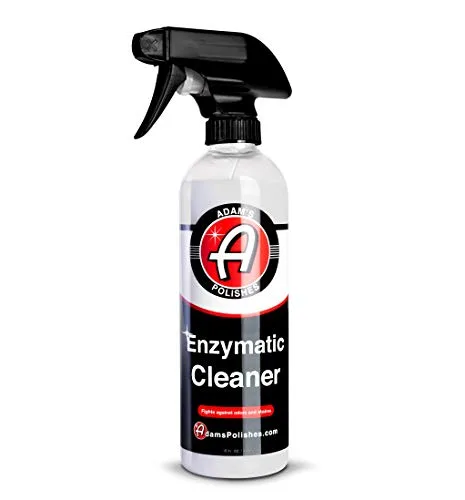
Image source: Web (Bing) / carxplorer.com (Web image (fair-use with source credit))
Quick Answer
Use an enzymatic cleaner on any urine-affected area. Blot fresh spills first. Let the enzyme soak for at least 15 minutes.
Remember to dry the seat fully. Avoid hot water and steam, they set the odor permanently.
Why That Urine Smell Never Seems to Go Away
Most people make the same mistake. They scrub the surface, spray a cleaning product, and call it done. Two days later, the smell returns, especially on warm days.
Here's what's happening underneath.
Urine soaks past the fabric or leather surface and into the foam cushion below. That foam is open-cell polyurethane in most modern vehicles, which means it acts like a sponge. Once the liquid reaches that layer, surface cleaning doesn't touch it.
The uric acid settles deep inside the cushion and crystallizes as it dries.
Here's the chemical kicker: uric acid crystals dissolve only in specific conditions. Water alone doesn't do it. Mild soap doesn't do it.
The crystals rehydrate when humidity rises, which is why the smell gets stronger in summer heat or after rain. That's also why the car smells fine on dry days but hits you like a wall when you first open the door after a warm afternoon.
Enzymatic cleaners solve this because they contain specific proteins that break uric acid down into harmless components. They don't mask the smell. They eliminate the source.
But they only work if you use them correctly, and that starts with understanding what kind of seat you're dealing with.
Before You Start: Identify Your Seat Material
Your first step has nothing to do with cleaning products. You need to know exactly what you're working with, because the wrong approach can damage the seat permanently.
Cloth seats
Most vehicles come with cloth upholstery, which is woven fabric stretched over foam padding. Cloth is highly absorbent. A spill reaches the foam within seconds.
The good news is that cloth handles liquid cleaners well and dries reasonably fast with airflow. The bad news is that urine wicks sideways along the fibers, covering a larger area than you'd expect.

Leather seats
Leather is non-porous at the surface, which means urine doesn't soak in as quickly. But it has two vulnerabilities. First, the stitching and seams where panels meet are pathways for liquid to reach the foam.
Second, leather can't handle soaking. Excess moisture damages the hide, causes stiffness, and promotes cracking over time.
Vinyl seats
Vinyl behaves similarly to leather but is more forgiving. It's less expensive and handles moisture better. Still, the seams are the weak point, and foam saturation is just as possible.
| Seat Material | Absorbency | Cleaner Approach | Dry Time | Damage Risk |
|---|---|---|---|---|
| Cloth | High | Enzyme soak + extraction | 12-24 hours | Low |
| Leather | Low at surface | Surface-only enzyme + conditioning | 8-12 hours | High if oversaturated |
| Vinyl | Low | Surface-only enzyme | 6-10 hours | Low |
One more thing to check: heated seats. Liquid and electrical components don't mix. If your seat has heating elements, disconnect the battery before deep cleaning, or at minimum, ensure the seat is completely dry before using the heat function again.
Decision Branch 1: Fresh Urine vs. Dried Urine
Now that you know your seat material, you need to determine how old the stain is. This decision changes your entire cleaning strategy.
Fresh: less than 24 hours
If the accident happened within the last day, you're in the best position. The urine hasn't fully crystallized, and the odor hasn't bonded deeply into the foam. Your window of opportunity is narrow but manageable.
Act immediately. Blot, don't rub. Rubbing pushes liquid deeper into the cushion.
Use paper towels or a clean microfiber cloth and press firmly to absorb as much as possible. If the seat is cloth, you can apply light pressure with your knee. Keep blotting until the paper towel comes up nearly dry.
Dried: more than 24 hours
Once the urine has dried, the uric acid has crystallized. This is where most home remedies fail. Vinegar and baking soda might neutralize some surface odor temporarily, but they can't dissolve the crystals that are already settled into the foam.
Don't apply hot water or steam to a dried urine stain. Heat denatures the proteins and creates an irreversible bond with fabric fibers. Once that happens, the smell becomes permanent without professional intervention.
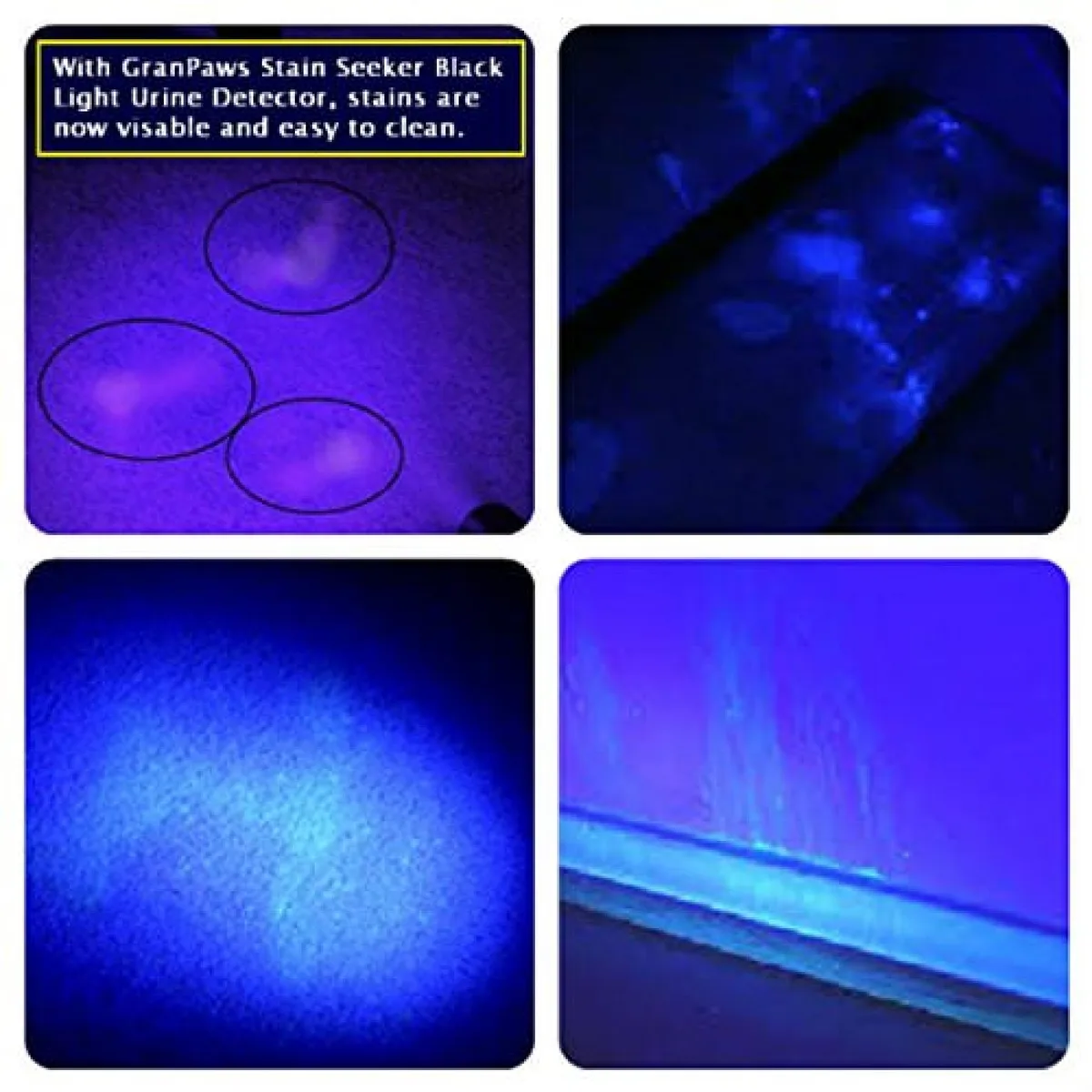
Here's a trick professional detailers use. A UV black light flashlight makes dried urine stains glow, even when they're invisible to the naked eye. If you have one, sweep it across the affected seat in a dark garage.
You'll see exactly how far the urine spread, which is almost always further than you thought. Mark the boundaries with chalk or masking tape so you know where to focus your treatment.
Decision Branch 2: The Cloth Seat Protocol
If you have cloth seats, this is your complete step-by-step process. It works for both fresh and dried urine, but adjust the dwell times based on severity.
Step 1: Blot and remove excess moisture
For fresh urine, blot thoroughly first. For dried urine, skip to Step 2, but vacuum the area to remove dust and debris that could block the cleaner from penetrating.
Step 2: Apply enzymatic cleaner
Choose a bio-enzymatic cleaner specifically labeled for pet or urine odors. These contain live bacterial cultures that produce enzymes designed to break down uric acid. Apply it generously to the affected area.
For dried urine, you want the solution to soak through the fabric and reach the foam layer. That might take more product than you expect, so measure carefully.
Step 3: Agitate and let it dwell
Use a soft-bristle brush to gently work the cleaner into the fabric. You're not scrubbing, just helping the solution penetrate. Then let it sit.
The label on your product will specify a dwell time, but most enzyme cleaners need 10 to 15 minutes minimum. For severe or dried-in cases, allow up to 30 minutes. The enzymes need time to break down the crystals.
Rushing this step guarantees failure.
Step 4: Extract the liquid
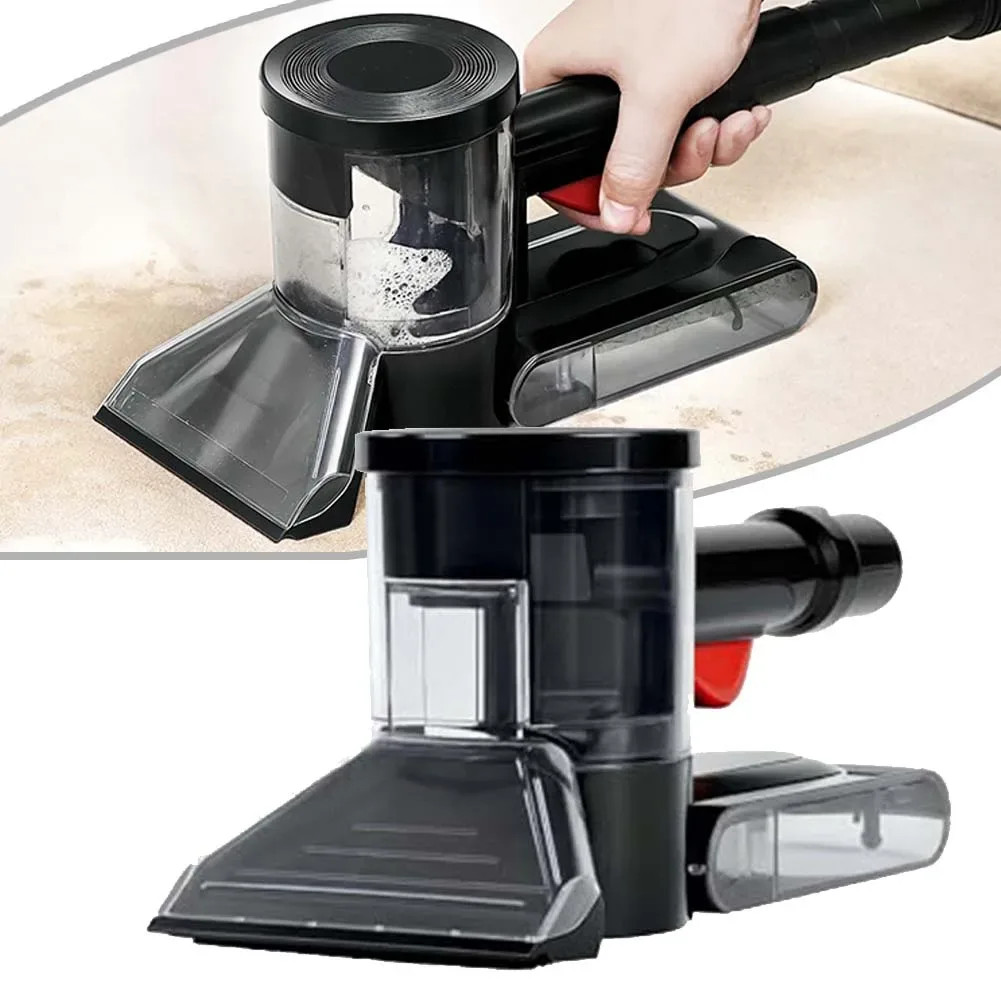
This is where you need a wet/dry vacuum. Press the nozzle firmly into the fabric and pull up both the cleaning solution and the dissolved urine. Work in slow, overlapping passes until the area is damp but not wet.
If you don't own a wet/dry vacuum, you can rent an upholstery extractor from most home improvement stores for about $50 to $75 per day.
Step 5: Baking soda dry treatment
After extraction, sprinkle a generous layer of baking soda over the damp area. The baking soda absorbs residual moisture and neutralizes any remaining odor. Let it sit for at least 12 hours, ideally 24.
Then vacuum it up thoroughly.
Step 6: Fast-dry setup
The single biggest factor in preventing mold is drying time. The longer foam stays wet, the higher the mold and mildew risk. Set up a small fan to blow across the seat.
Crack the windows to encourage airflow. If you have a dehumidifier, run it in the garage. Target a dry time of 8 to 12 hours.
For urine that's soaked into the seat and reached the foam, repeat Steps 2 through 5 if the smell persists after drying. Some severe cases require two or even three enzyme treatments to fully break down uric acid deposits. A second pass is normal.
Don't skip it just because the surface looks clean. Remember that surface and foam are two different problems.

Leave a Reply