
If you've ever searched "what is the law for car seats in florida" while staring at a squirming toddler, you know how confusing it gets. The rules feel like they change every year. And the stakes are high: getting it wrong means a fine, a scary conversation with an officer, or worse, a child hurt in a crash.
Here's the good news. Florida's car seat law is actually one of the clearer ones in the country. It sets out exactly which restraint your child needs based on age, and it applies to literally every vehicle registered in the state.
As of 2026, the law hasn't changed, but the safety guidance around it has gotten more specific. We'll walk through the legal minimums, the recommended best practices, and the practical details that most parents miss.
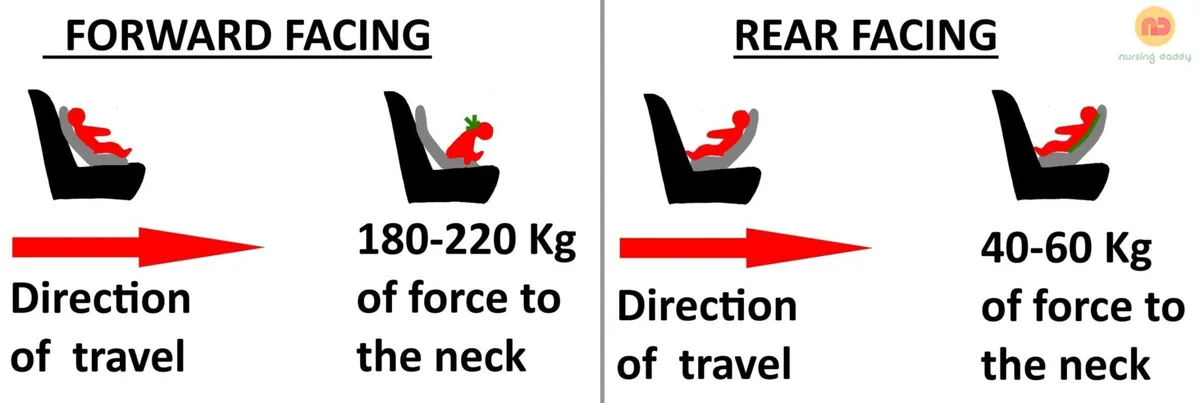
Image source: Bing (Web (fair-use with source credit))
Quick Answer
Florida law requires children under 4 to ride in a separate car seat or child restraint. Children ages 4 and 5 must use a booster seat or other approved child restraint. Children ages 6 through 17 must wear a seat belt.
All children must ride in the rear seat when available. The fine for breaking this law is up to $70 plus court costs.
Florida Car Seat Law by Age, Weight, and Height
Let's break down exactly what Florida Statute 316.613 says. The law groups children into three categories based on age. It doesn't specify weight or height limits in the statute itself.
That detail matters because the car seat manufacturer's instructions fill in the gaps.
Here is the legal breakdown:
| Child's Age | Required Restraint | Notes |
|---|---|---|
| Under 4 years | Separate carrier or child restraint | Can be rear-facing or forward-facing, depending on the seat's limits |
| 4 to 5 years | Booster seat or other child restraint | Must use a properly secured booster if under the seat belt fit guidelines |
| 6 to 17 years | Seat belt | Must be properly buckled, regardless of seating position |
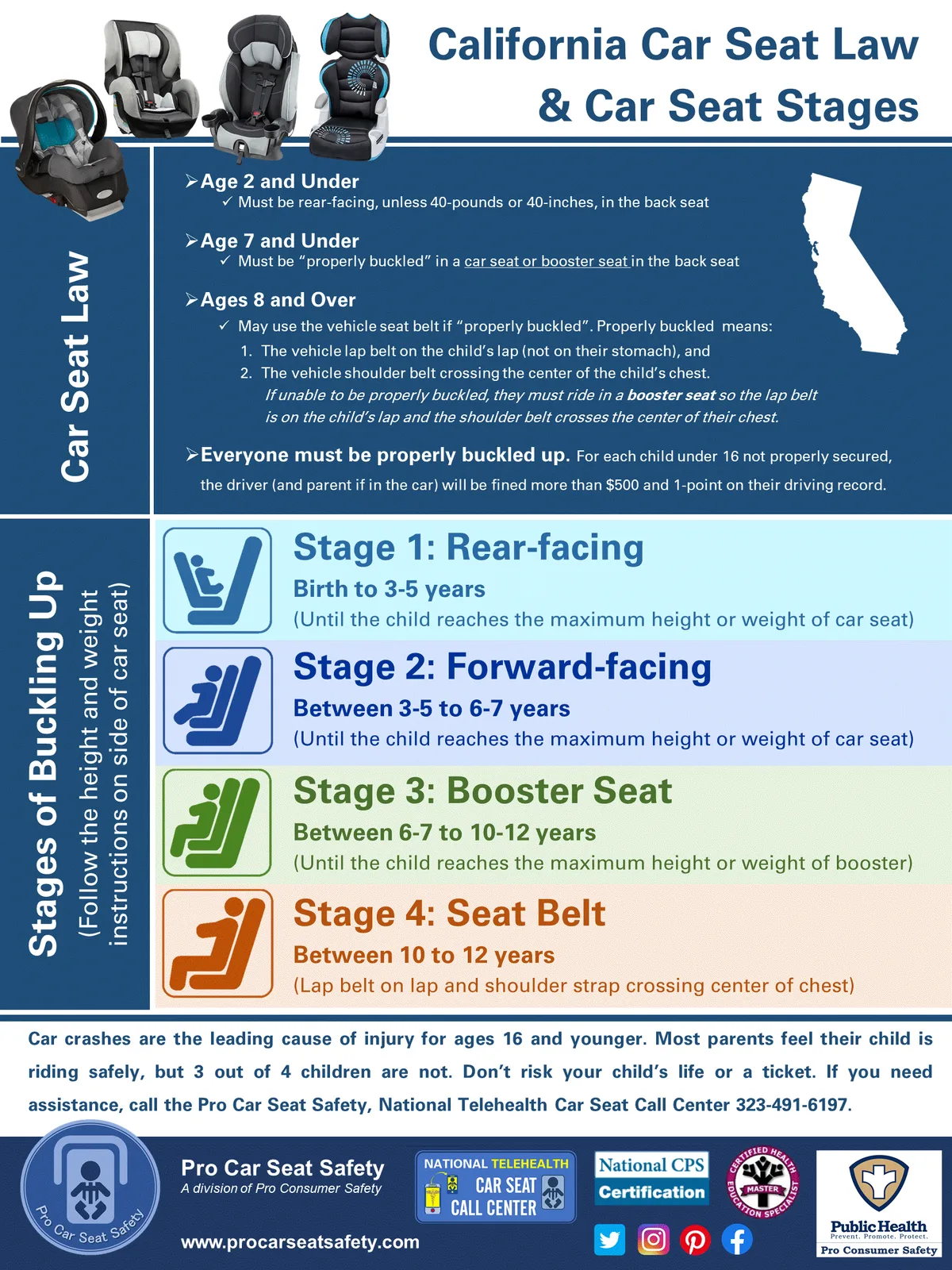
Image source: Web (Bing) / mumble.nationalgeographic.com (Web image (fair-use with source credit))
What the Law Doesn't Say
The statute doesn't tell you exactly when to flip your child from rear-facing to forward-facing. It doesn't say when your child can ditch the booster entirely. That decision falls to the car seat manufacturer's instructions and federal safety standards under FMVSS 213.
Most convertible car seats on the market today allow rear-facing up to 40 or 50 pounds. Forward-facing seats typically handle kids up to 65 or 70 pounds. Boosters work for children who have outgrown their forward-facing seat but still don't fit a seat belt properly.
The Rear Seat Requirement
Florida law specifically says children under 6 must ride in the rear seat if the vehicle has one pickups and two-seaters are exceptions. That language matters for truck owners and sports car drivers. If your vehicle has no rear seat, the child can ride up front, but they must still be in the appropriate child restraint.
The Law vs. Best Practice: Where Safety Guidelines Go Further
Here's where things get interesting. The law sets the floor. Pediatric safety groups set the ceiling.
And the gap between the two is bigger than most parents realize.
Florida's legal minimum allows a 4-year-old in a booster. But the American Academy of Pediatrics recommends keeping kids rear-facing until age 2 at minimum, and ideally until they max out the rear-facing limits of their car seat. That's usually around age 4 or 5 in modern seats.
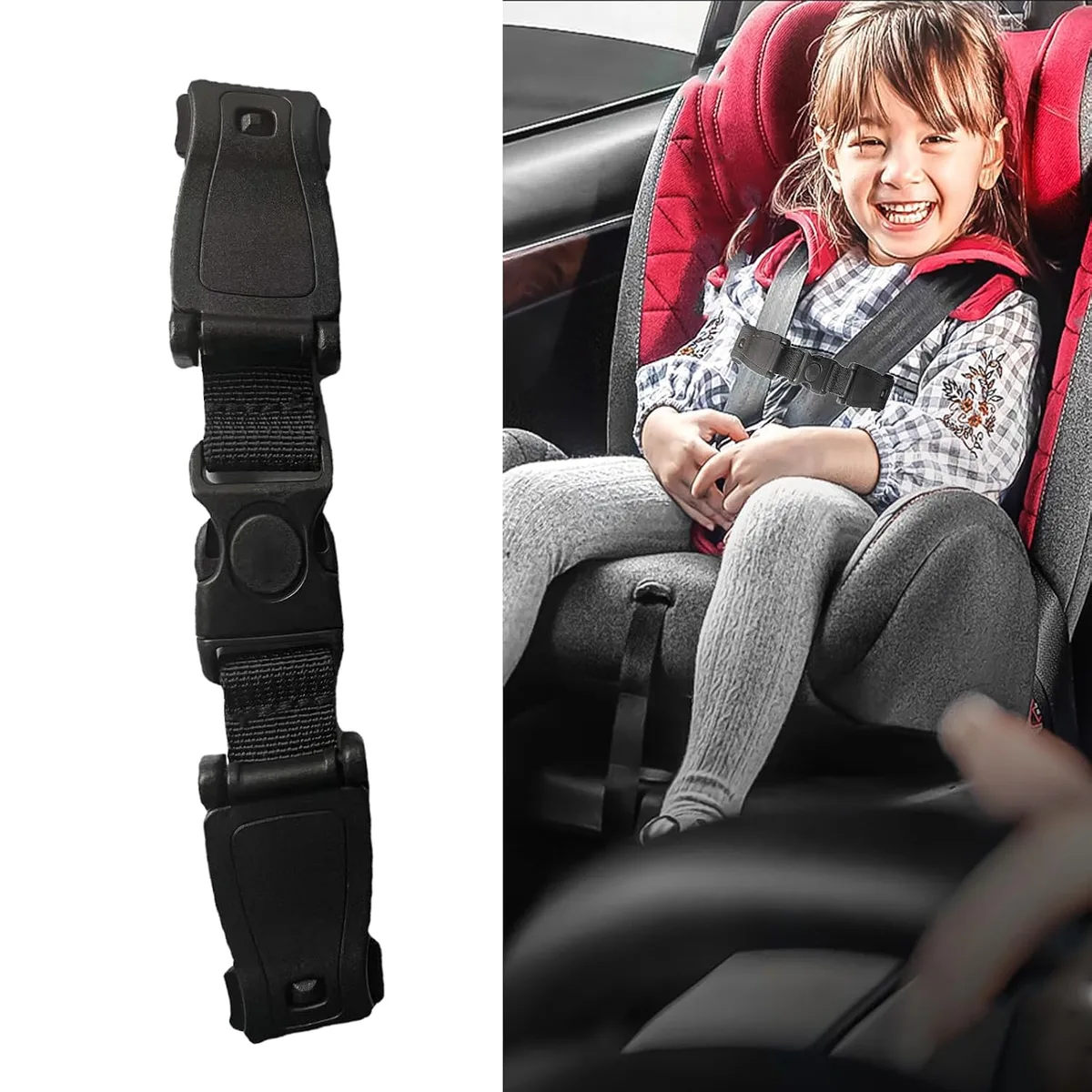
Image source: Web (Bing) / amazon.com (Web image (fair-use with source credit))
Why Best Practice Beats the Legal Minimum
Rear-facing is scientifically safer. In a frontal crash, a rear-facing seat cradles the head, neck, and spine. A forward-facing seat relies on the harness to catch the child, which puts more stress on a still-developing spine.
The CDC and NHTSA both recommend keeping kids rear-facing as long as possible.
The Booster Seat Question
The law says a 4-year-old can use a booster. Safety experts say most 4-year-olds don't have the maturity to sit correctly in a booster. They slouch.
They wiggle. They put the shoulder belt behind their back. If the belt doesn't fit correctly, the booster offers little protection.
A good rule of thumb is the 5-Step Test:
- The child sits all the way back against the vehicle seat.
- Their knees bend at the edge of the seat without slouching.
- The lap belt sits across the upper thighs, not the stomach.
- The shoulder belt crosses the chest, not the neck.
- The child stays in that position for the whole ride.
If the answer to any of those is no, the child still needs a booster.
A Quick Comparison
| Stage | Legal Minimum (Florida) | Recommended Best Practice |
|---|---|---|
| Rear-facing | Can switch at 1 year | Keep until maxing out the seat's limits |
| Booster | Start at 4 years | Wait until 5-7 years and the child passes the 5-Step Test |
| Seat belt only | Start at 6 years | Wait until the child passes the 5-Step Test, usually around 10-12 |
What Happens If You Don't Follow the Law
Florida law enforcement treats child restraint violations seriously. The base fine for a first offense is $70. But the real cost comes from court costs and fees, which can push the total to $150 or more depending on the county.
That's not the scary part. The scary part is what happens in a crash.
The Injury Risk
A child who's moved to a booster or seat belt too early faces a significantly higher risk of head, neck, and abdominal injuries in a collision. NHTSA data shows that child restraints reduce the risk of fatal injury by 71% for infants and 54% for toddlers in passenger cars. That's the difference between walking away and a hospital stay.
Who Enforces It
Any law enforcement officer can pull you over specifically for a child restraint violation. It's a primary offense in Florida, not a secondary one. That means you don't need to be committing another violation for an officer to stop you.
Insurance and Liability
If you're in an accident and your child wasn't properly restrained, that raises your liability. Some insurance companies view it as negligence, especially if you were the one who skipped the booster. It can affect your payout or your policy rates.
It's an uncomfortable thought, but a real one.
How to Install Your Car Seat the Right Way
Installation is where things go wrong. Aggregate reviews from child passenger safety technicians suggest up to 80% of car seats are installed incorrectly on the first try. The good news is that most mistakes are easy to fix once you know what to look for.
Step 1: Read the Manual
Both your car seat manual and your vehicle owner's manual. The car seat manual tells you the weight and height limits. The vehicle manual tells you where the LATCH anchors are located and which seating positions have them.
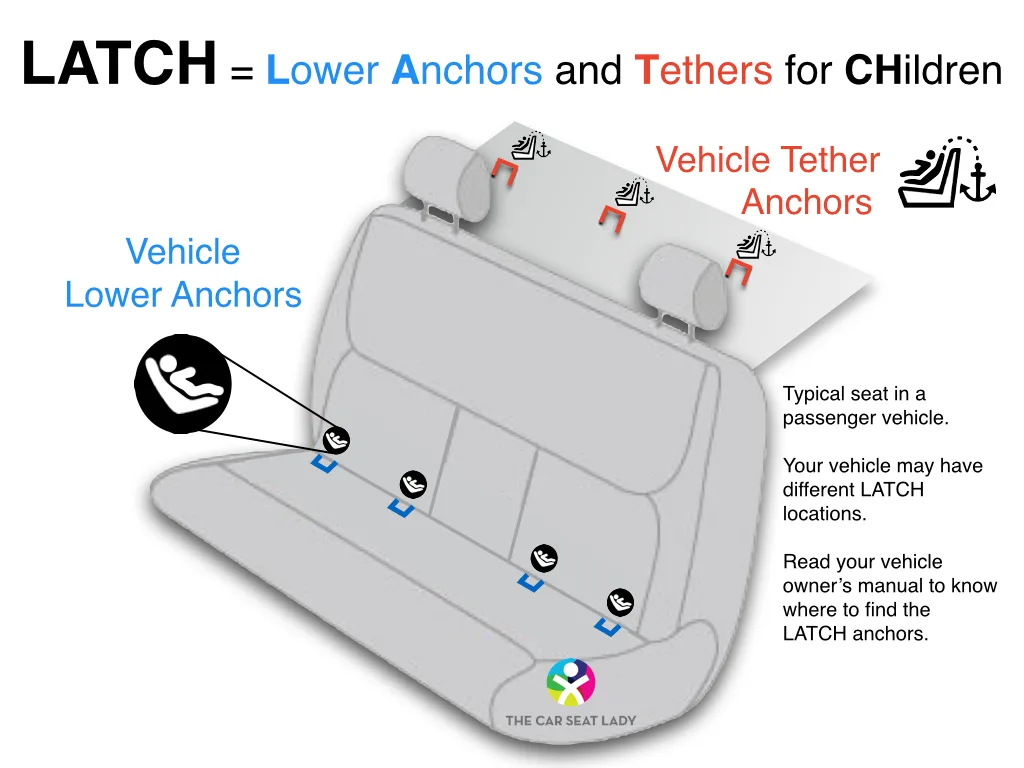
Image source: Bing (Web (fair-use with source credit))
Step 2: Choose Your Installation Method
You have two options: the LATCH system or the seat belt. Both are equally safe when installed correctly. LATCH uses lower anchors built into the vehicle.
The seat belt method routes the lap belt through the car seat's belt path and locks it.
Step 3: Secure the Base
For rear-facing seats, the base should sit at an appropriate recline angle, usually between 30 and 45 degrees. Most seats have an indicator bubble on the side. For forward-facing seats, the base should sit flat against the vehicle seat with the top tether attached.
Step 4: The Hand Test
After installing, grab the car seat at the belt path. Give it a firm tug. It should move less than one inch side to side or front to back.
If it moves more than that, tighten the belt or LATCH strap.
Step 5: Harness Check
For rear-facing, the harness straps should be at or below the child's shoulders. For forward-facing, they should be at or above. The chest clip should sit at armpit level.
You should not be able to pinch any slack in the harness at the shoulder, even with two fingers.
If you want the full walkthrough with more detail on each step, check out our complete installation guide.
Common Mistakes Florida Parents Make
Even parents who read the manual make mistakes. Here are the ones we see most often, backed by aggregate data from car seat inspection stations.
The Heavy Winter Coat Problem
Florida winters still get cool enough for a jacket. But a thick coat compresses in a crash, adding inches of slack between the child and the harness. The fix is simple: buckle the harness first, keep the jacket off, and lay it over the child after everything is tight.
Moving Up Too Early
This is the biggest one. The moment a child's shoulders hit the forward-facing seat's top slots, parents rush to a booster. But many convertible seats have a high harness capacity that gets overlooked.
Check the manual. If the seat says it harnesses up to 65 pounds, use it up to 65 pounds. Keep your child in the five-point harness as long as possible.
The Booster Belt Positioning
A booster only works when the seat belt is routed correctly. The lap belt must go under the armrests and across the upper thighs. The shoulder belt should cross the collarbone, not ride up the neck.
If the belt hits the neck, the booster is too short, or the child isn't ready.
LATCH Over-Tightening
Yes, that's a real thing. Over-tightening a LATCH strap can warp the car seat's frame or make it pitch forward slightly. Follow the manufacturer's instructions for the correct tension.
Latching in the Wrong Position
Some vehicles have LATCH anchors in the outboard seats only. Using the center seat with LATCH when it's not designed for it is a common error. When in doubt, the seat belt installation method is often safer for the center seat.
If you're ever unsure whether your child has outgrown their current seat, read our guide on when kids stop using car seats so you know exactly what to look for.
Special Scenarios: Rideshares, Rental Cars, and Visitors
Florida is a tourist state. That means millions of visitors renting cars and calling Ubers every year. The law applies to everyone on Florida roads, including out-of-state drivers.
Here's how to handle the tricky situations.
Rideshares and Taxis
Florida law doesn't exempt rideshare vehicles or taxis. Your child needs a car seat in an Uber or Lyft just like they would in your own car. Many parents use a travel car seat like the RideSafer vest or a compact folding seat.
Some rideshare drivers won't wait while you install a base. It's a hassle, but it's the law.
Rental Cars
Rental car agencies in Florida do offer car seats, but they're often basic models and availability varies. They also come with a daily fee, which adds up fast. If you're flying in, consider packing a lightweight travel car seat as checked baggage or ordering one from the rental agency ahead of time.
Our guide on renting a car seat with a rental car breaks down how both options stack up.
Out-of-State Drivers
If you're visiting Florida with kids, your home state's car seat law doesn't matter. Florida law applies once your wheels hit Florida roads. The good news is that Florida follows the same general federal standards as every other state.
The differences are mostly in age cutoffs and booster seat rules.
Alternative Car Seat Styles
Convertible car seats are the most popular choice for infants and toddlers. They start rear-facing and convert to forward-facing as the child grows. If you're weighing your options, our convertible car seat breakdown covers the differences between models and which features are worth paying for.
When to Get Help: Certified Technicians and Inspection Stations
You don't have to do this alone. Certified Child Passenger Safety Technicians (CPSTs) offer free or low-cost car seat inspections all over Florida. They don't judge.
They just help you get it right. A typical check takes 30 to 45 minutes, and they'll walk through your specific seat, your specific vehicle, and your specific child.
Where to Find a Technician
Safe Kids Worldwide hosts inspection stations across the state. Hospitals, fire stations, and police stations often have certified techs on staff. You can also check the NHTSA website for a searchable list of inspection locations by ZIP code.
When to Make an Appointment
- After you install a new car seat for the first time.
- After your child outgrows a stage and you move them to the next seat.
- After any moderate or severe vehicle crash, even if the seat looks fine.
- Before a long road trip if you're not 100% confident in your install.
The Expiration Issue
Car seats expire. Most last between 6 and 10 years from the date of manufacture. The plastic degrades over time, and the harness materials weaken.
Check the label on your seat for the expiration date. If it's expired, do not donate it. Cut the harness straps and throw it away so nobody accidentally uses it.
For more on what actually matters after a seat's lifespan, read our guide on what FFA approved car seats really mean and how it relates to safety certification.
Frequently Asked Questions
What is the fine for not having a car seat in Florida?
The base fine is up to $70 for a first offense. Court costs and fees usually push the total higher, often to $150 or more. It also adds three points to your driving record if you're the driver.
Those points can raise your insurance rates substantially.
Can a 3-year-old sit in a booster seat in Florida?
No. Florida law requires children under 4 to be in a separate car seat or child restraint with a harness. A booster seat does not qualify for a 3-year-old because it doesn't provide the upper body restraint that a harness does.
Can my child sit in the front seat in Florida?
Children under 6 must ride in the rear seat when the vehicle has one. The only exceptions are vehicles without a rear seat, like a two-seat pickup truck or a sports car. Even then, the child must be in the appropriate child restraint and the airbag should be deactivated if possible.
Do car seats expire in Florida?
Yes. Florida doesn't have a specific expiration law, but federal safety standards treat seats as expired after a certain date. Most manufacturers put the expiration date on a sticker on the seat shell, usually 6 to 10 years after manufacture.
An expired seat offers reduced protection and should be replaced immediately.
Can I use a car seat in an Uber in Florida?
Yes, you must use a car seat in an Uber or Lyft in Florida. The law applies to all vehicles. You'll need to bring your own seat or a travel-friendly option.
A booster seat typically works well for school-age kids, but a harness seat is required for younger children.
What if my car seat was in a crash?
Replace it. Most manufacturers require replacement after any moderate or severe crash, even if the seat looks fine. Some manufacturers allow continued use after a minor crash, but they define minor very specifically.
When in doubt, replace it. It's not worth the risk.
Final Verdict: Know the Law, Follow Best Practice
Florida's car seat law is straightforward: under 4 in a harness, 4 and 5 in a booster, 6 and up in a seat belt. But the law is the bare minimum. The safest approach is to follow the manufacturer's limits and the AAP's guidelines, which means keeping kids rear-facing longer and in a five-point harness well beyond the legal minimum.
Take the time to read both manuals. Check your install with the one-inch hand test. Get a free inspection if you're unsure.
And when your child reaches each new stage, make the switch with confidence and a little patience. The few extra minutes it takes to get it right are worth more than any fine or any crash could ever cost.
Common Mistakes Florida Parents Make
Moving a child to a booster too early tops the list. Thick winter coats add dangerous harness slack even on mild Florida days. LATCH over-tightening can warp the seat frame.
When in doubt, visit a local inspection station.
Special Scenarios: Rideshares, Rental Cars, and Visitors
Florida law applies to rideshares and rental cars too. Bring a travel seat or reserve one with the rental agency ahead of time. Out-of-state visitors must follow Florida rules while driving here.
There are no exceptions.
When to Get Help: Certified Technicians and Inspection Stations
Certified Child Passenger Safety Technicians offer free checks at hospitals, fire stations, and community events. Find one through Safe Kids Worldwide or the NHTSA website. They'll verify your install in under an hour.
Frequently Asked Questions
What is the fine for having no car seat in Florida?
Up to $70 plus court costs, often over $150 total. It also adds three points to your license. Those points can raise your insurance rates.
Can a 3-year-old use a booster in Florida?
No. Under 4, kids need a separate car seat with a five-point harness. A booster doesn't provide enough upper body restraint.
Do car seats expire?
Yes. Most last 6 to 10 years from the manufacture date. Check the sticker on the shell.
Replace expired seats immediately.
Can I use a car seat in an Uber in Florida?
Yes. The law applies to all vehicles. Bring your own seat or a travel-friendly booster for older kids.
Final Verdict: Know the Law, Follow Best Practice
Florida law sets the floor: harness under 4, booster at 4 and 5, seat belt at 6. Safety groups recommend keeping kids rear-facing longer and using each stage to its full limits. Read both manuals, check your install, and get a free inspection when unsure.
The extra effort is worth it.

Leave a Reply