
Running the AC while you wait feels harmless until the starter barely turns over. So, does AC drain car battery power enough to leave you stranded? The honest answer depends entirely on which parts are running and for how long.
Get the branches straight and you’ll never guess wrong about this again.
A few numbers frame the whole topic. A healthy 12-volt battery sits at about 12.6 volts at rest, and a blower fan on high can pull 20 to 30 amps from it. Per Department of Energy testing, running the AC can cut gas mileage by around 25% in hot weather.
The short answer is up first, then we’ll trace exactly where those amps go.
Does AC Drain Car Battery
Yes, the AC can drain a car battery, but only under specific conditions. A belt-driven compressor stops turning the moment the engine shuts off. Parked, the blower fan and electronics do the actual draining.
With the engine running, the alternator carries the whole load instead. Hybrids and EVs differ, because their compressors run on electric power.
What Actually Pulls Power When You Run the AC
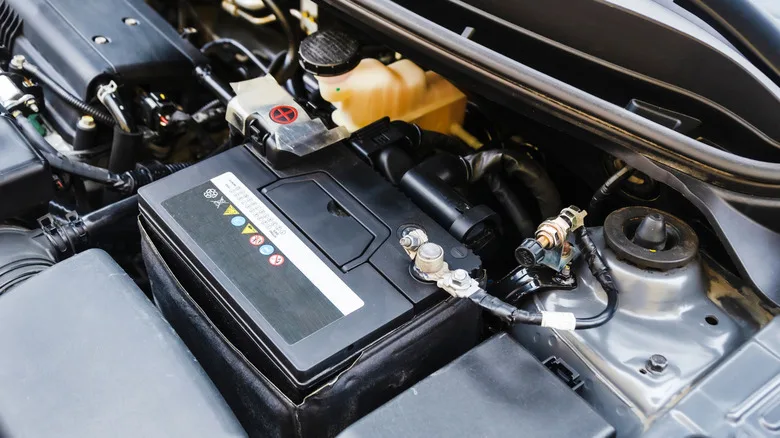
Image source: Web (Bing) / jalopnik.com
“AC” bundles three separate systems together, and they behave nothing alike once the engine dies. Split them apart and the whole question gets simple.
The Belt-Driven Compressor Can’t Even Spin With the Engine Off
No, the compressor itself never touches the battery in a conventional gas car. It hangs off the serpentine belt, so it only spins while the engine spins. Press the AC button and an electromagnetic clutch connects it to that belt.
Shut the engine off and the link vanishes, no matter what the dashboard knobs say.
That’s also why vent air turns warm about a minute after shutdown. You’re feeling the last chilled air sitting in the ducts, not refrigeration that kept running. That belt-driven layout still dominates new gas cars as of 2026.
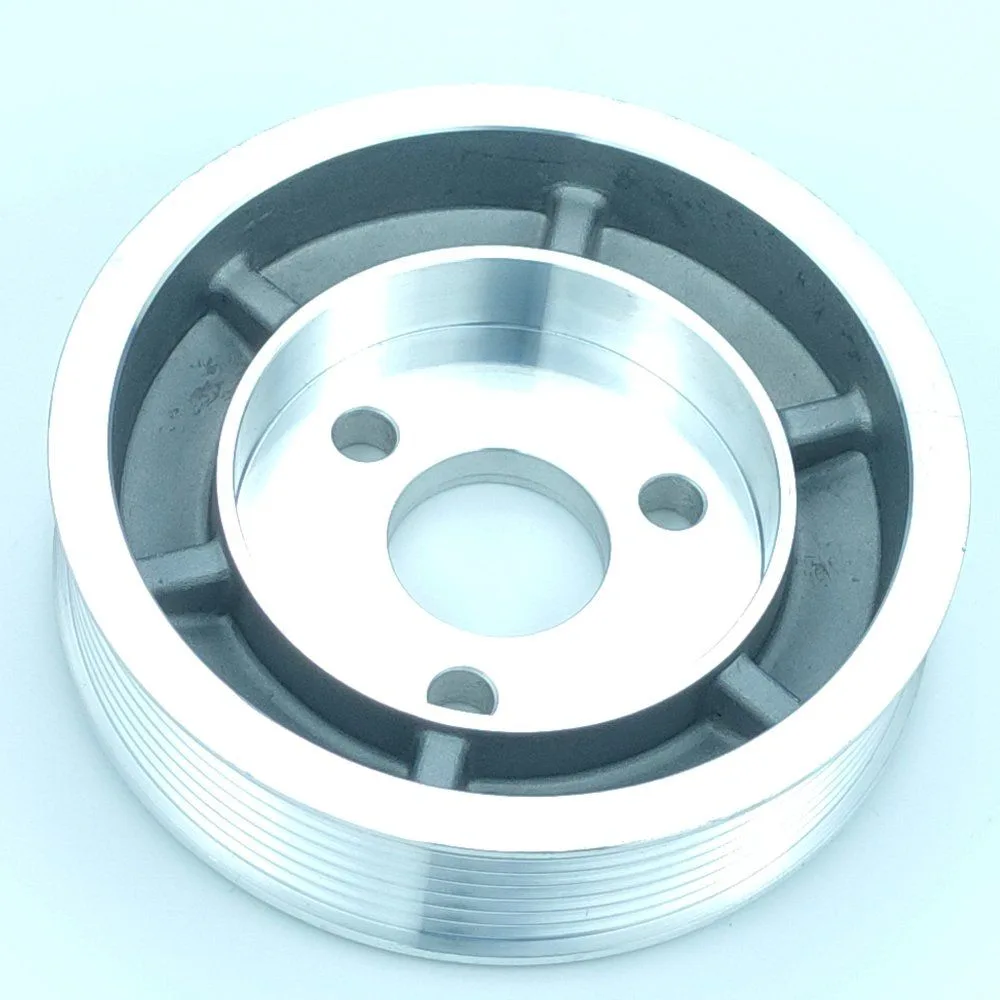
Image source: Web (Bing) / ningboace.en.made-in-china.com
The Blower Motor: The Real Battery Drain Nobody Suspects
Yes, the blower motor is where your parked battery power actually goes. It’s the fan pushing air through the vents, and it runs straight off the 12-volt battery. Manufacturer specifications put it at roughly 15 to 30 amps on high speed.
Sit in accessory mode with the fan cranked and a healthy 60 amp-hour battery hits the danger zone within about two hours.
Dropping the fan to low stretches that window dramatically. Switching to recirculation helps too, because the blower works against already-cooled cabin air instead of hot outside air. The infotainment screen, interior lights, and chargers nibble alongside it.
The blower is really just one of the usual power thieves living in a modern car.
Why the Alternator Changes Everything
Here’s the piece most drivers miss. With the engine running, the alternator generates 13.8 to 14.7 volts and carries every load, AC included. The battery just sits there as a bystander.
The catch is that alternators only reach full rated output at road speed. At idle, output often falls to half. Stack a high blower, headlights, and phone chargers on top, and demand can outrun idle output.
If that happens, even a running engine nets a slow drain.
One modern wrinkle: many cars now run smart charging systems that deliberately hold voltage low at idle to save fuel. Don’t panic if you measure 12.5 volts at idle in one of those. NREL, the Department of Energy’s vehicle research lab, counts cabin cooling among the heaviest accessory loads a vehicle carries, and that’s exactly why the idle margin matters.
Your AC-and-Battery Decision Tree
Image source: Web (Bing) / vehiclefreak.com
Every AC-battery situation falls into one of six branches. Find yours, follow the if/then, and you’re done.
If the Engine Is Running or Idling
If the engine runs, your battery is essentially safe. The alternator feeds the compressor clutch and blower directly. The real cost shows up in fuel, roughly 0.2 to 0.5 gallons per hour of idling for a typical gas engine.
If the battery is old and the load is heavy, finish with a 20 to 30 minute drive so the alternator can catch up.
If the Engine Is Off and You’re in Accessory Mode
If you’re parked in accessory mode, the battery is on the clock alone. The blower, screen, and lights all feed from it now. Low fan speed gives a healthy battery a few comfortable hours.
High speed cuts that sharply. If dash lights start to dim, shut everything off immediately.
If You’re Using Remote Start With Auto Climate
If the car was remote started, you’re in the safe branch. The engine is running, so the alternator covers the cooling load. The risk arrives afterward, not during.
A ten-minute warm-up followed by a five-minute drive can leave the battery short, because starting itself pulls a heavy charge.
If Your Car Uses Auto Start-Stop
If your car shuts itself off at red lights with the AC blowing, that’s engineered behavior. Start-stop models carry EFB or AGM batteriesrated for thousands of restarts. Those batteries also carry the climate load during every engine-off pause at a light.
If stop-start quits engaging on your car, read that as an early battery warning. The system shuts down on purpose when the state of charge drops too low.
For conventional cars with stop-start, the takeaway is simple. Each idle pause costs the battery a little. Regular highway driving pays that debt back.
If You Drive a Hybrid or EV
Hybrids break the gas-car rules completely. Their compressors are electric and pull from the high-voltage system, so the AC keeps blowing cold with the engine off. Sitting in a parking lot, the traction battery does the cooling while the 12-volt battery barely participates.
The only catch is long sessions, because the computer eventually fires the engine to refill the high-voltage pack.
EVs run electric-only by design. The compressor draws roughly 1 to 4 kilowatts from the traction battery, which barely dents a 60 to 100 kWh pack over an afternoon. Features like Camp Mode, Dog Mode, and scheduled cabin cooling exist for exactly this.
What actually strands EV owners is the small 12-volt battery, since it powers the computers, locks, and contactors that wake the car.
The Numbers: Voltage, Amps, and Recharge Times That Matter
Raw numbers turn guesses into decisions. Here’s what’s worth memorizing.
Resting voltage is your fastest health check. Measure the battery after it has sat for a few hours with the engine off.
| Resting voltage | State of charge | What it means |
|---|---|---|
| 12.6V or higher | 100% | Fully charged |
| 12.4V | About 75% | Fine, recharge soon |
| 12.2V | About 50% | Needs a real charge |
| 12.0V | About 25% | At risk of damage |
| Under 11.9V | Discharged | Charge it now |
The other figures stack up like this:
- Blower motor on high: 15 to 30 amps
- Alternator output at idle: often half its rated number
- Driving to restore starting power: about 20 to 30 minutes
- Driving for a full charge: often several hours
- Normal key-off drain: 20 to 50 milliamps
- Idle fuel burn: 0.2 to 0.5 gallons per hour
The Department of Energy’s fuel economy data puts the AC’s hot-weather mileage penalty near 25%, which is why this load matters even with the engine running. NREL’s vehicle research reaches the same conclusion from the energy side.
Our guide to resting voltage readings explains what each number signals. If you’ve never probed a battery before, the multimeter walkthrough takes five minutes to learn.
Real Scenarios: “My Battery Died Overnight” and Other Common Cases
Patterns beat theory. Here are the situations we run into most.
You Sat in the Parking Lot With the Fan On
Engine off, key on, blower running, radio playing. After an hour or two on high, the starter clicks instead of cranks. That’s the blower doing exactly what the amp numbers predicted.
A safe jump start gets you moving, and the battery recovers if it wasn’t drained flat.
You Drive Rideshare or Delivery and Idle All Day
Idle-heavy shifts are the hidden killer. At idle, a tired alternator may not keep up with the blower, screens, and lights combined. The battery nets down a little every shift and dies within weeks.
The fix is real drive time between waits, or a maintainer overnight.
Every Trip Is Five Minutes With the AC Blasting
Short trips plus heavy AC is the classic chronic drain. Starting takes a big bite, and a five-minute drive never pays it back. Repeated shortfalls cause sulfation, which permanently cuts capacity.
Whether driving actually recharges the battery depends on trip length, and we broke the math down in detail.
The Car Died Overnight and the AC Was Never On
Overnight deaths usually have nothing to do with the AC. A trunk light, a faulty module, or a plugged-in dashcam pulls power silently. Our rundown of the usual battery drains covers the full suspect list.
How long a parked car can sit depends mostly on that hidden draw, not your climate settings.
If none of these match your situation, testing beats guessing.
How to Test What’s Really Draining Your Battery
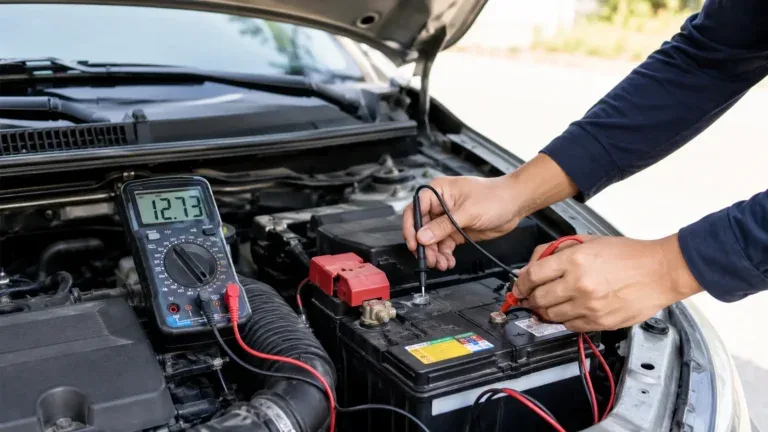
Image source: Web (Bing) / gearzumo.com
Guessing costs money at the parts counter. Three checks with a basic multimeter tell you whether the battery, the alternator, or a hidden draw is the real problem. All three together take under an hour.
Check 1: Resting Voltage With a Multimeter
This shows how much charge is actually in the battery. Let the car sit overnight, or at least a few hours, so surface charge fades. Set the meter to DC volts, red probe on positive, black on negative.
Here’s how to read it:
- 12.6V or above: fully charged
- 12.2 to 12.4V: about half, recharge soon
- Below 12.0V: deeply discharged and at risk
A low reading after a normal week of driving means something isn’t recharging the battery. Our step-by-step guide to testing a battery with a meter covers the settings and probe placement in detail.
Check 2: Charging System Voltage With the Engine Running
Start the engine and probe the same terminals again. You want 13.8 to 14.7 volts. That range proves the alternator is feeding the system, AC load included.
Now add load. Blower on high, headlights on, rear defroster running. Voltage should hold near 13.5V at fast idle.
If it sags below 13V, the alternator is weak or the belt is slipping. That’s the car that dies during idle-heavy shifts, not the one the AC killed.
Check 3: Parasitic Draw Test for Overnight Drains
If the car dies overnight with nothing left on, this test finds the thief. Set the meter to milliamps and connect it in series with the negative battery cable. Close all doors and wait 30 to 45 minutes for the computers to sleep.
A healthy car settles at 20 to 50 milliamps. Anything over 100 milliamps is draining the battery around the clock. Pull fuses one at a time until the reading drops, and you’ve found the guilty circuit.
Mistakes to Avoid (and Safety Rules That Keep You Alive)
Most AC-battery trouble traces back to five common errors. Skip these and you’ll save both time and parts.
- Blaming the compressor. In a gas car it physically can’t drain a parked battery. The blower and electronics are the suspects.
- Repeated deep discharges. Every drain-to-dead cycle causes sulfation and permanent capacity loss.
- Replacing a good battery. If charging voltage reads low, the alternator is the fault, not the battery.
- Testing right after driving. Surface charge inflates the reading and hides a weak battery.
- Ignoring dim lights. Headlights and blowers dimming at idle means the battery is net-draining right now.
Safety comes next, and some of these rules are non-negotiable.
- Carbon monoxide kills quietly. Never idle with the AC on in a garage, even with the door open.
- Jump in the right order. Positive first, then negative to an engine ground on the dead car. Batteries vent hydrogen gas, so the final connection goes far from the battery.
- Keep tools off the terminals. A wrench across both posts can weld itself in place and throw molten metal.
- Charge AGM batteries on an AGM-compatible setting. Standard charger profiles can overcook them.
- Never leave kids or pets in an idling car. Per NHTSA data, vehicle heatstroke remains a leading cause of hot-weather child deaths.
If you just jumped a dead battery, the alternator needs real drive time afterward. Our guide on running the engine after a jump explains how long that recovery actually takes.
Keeping Your Battery Strong Through Heavy AC Use
Heavy AC use doesn’t have to shorten battery life. A handful of habits covers nearly all of it.
- Drive to recharge, not idle. Road-speed alternator output is what truly refills a battery. Realistic charge times run from 30 minutes of driving to several hours on a charger.
- Cap accessory-mode sessions. Keep parked blower time on low and shut it off at the first sign of dimming lights.
- Clean the terminals twice a year. Terminal corrosion chokes charging current and mimics a dying battery.
- Load-test before summer. Heat is the top battery killer, so check health each spring against typical replacement intervals.
- Upgrade to AGM if you idle a lot. Start-stop vehicles and heavy accessory loads justify the swap. Our verdict on which battery brands hold up compares the options.
- Use a maintainer for rarely driven cars. A smart charger set to storage mode prevents the slow slide toward sulfation.
Heat management cuts the AC load at the source, which helps every branch of the decision tree. Park in shade, run a windshield sunshade, and consider window tint in hot climates. Hybrid owners have one extra job, and our tips to keep a hybrid pack healthy cover the specifics.
AC and Battery FAQs
Can running the AC with the engine off drain the battery?
Yes, but only the blower fan and electronics do the draining. The compressor can’t spin without the engine turning. Blower speeds draw 15 to 30 amps, so a healthy battery lasts roughly two hours on high before starting gets risky.
Drop the fan to low and the window stretches to several hours.
Does idling with the AC run down the battery?
Normally, no. The alternator carries the compressor clutch and blower while the engine runs. The exceptions are a weak alternator or an aging battery under heavy load at idle, where the system can net-drain slowly.
The real cost of idling is fuel, about 0.2 to 0.5 gallons per hour.
Why did my battery die if I never used the AC?
Overnight deaths almost always come from a parasitic draw instead. A trunk light, a stuck relay, a dashcam, or a faulty module pulls 100 milliamps or more while the car sleeps. Our breakdown of the usual battery drains lists the common culprits and how to isolate each one.
Does AC drain an EV battery?
Yes, the electric compressor pulls roughly 1 to 4 kilowatts from the traction battery. A few hours of parked cooling typically costs 2 to 5% of range in mild weather. Camp Mode and Dog Mode exist for exactly this.
The battery that actually strands EV owners is the small 12-volt unit that wakes the computers.
How long should I let a car run after a jump?
Drive it, don’t just idle it. About 20 to 30 minutes of road driving restores enough charge for reliable restarts, though a full recharge takes longer. If the same battery needs a jump again within days, it’s sulfated or the charging system is failing.
Test rather than repeat the cycle.
The Bottom Line: Your Quick-Reference Decision Guide
One rule covers everything. Engine running, the alternator owns the load. Engine off, the battery owns it.
Everything else is detail.
| Situation | What’s drawing power | Your move |
|---|---|---|
| Engine running or idling | Alternator | Nothing to do. Drive 20 to 30 minutes if the battery was already low |
| Accessory mode, blower high | Battery alone | Two hours max on a healthy battery |
| Accessory mode, blower low | Battery alone | Several hours, still quit when lights dim |
| Remote start with auto climate | Alternator | Safe. Take the long way home afterward |
| Auto start-stop at lights | EFB or AGM battery, per pause | Stop-start refusing to engage means test the battery |
| Hybrid parked, AC on | High-voltage pack | Fine. The engine cycles on to refill the pack |
| EV parked, AC on | Traction battery, 1 to 4 kW | Camp Mode is fine. Watch the 12-volt battery instead |
Keep that table in your head and the question never traps you again. The AC itself is almost never the villain in a gas car. The blower, a tired alternator, or too many short trips do the damage, and each one has a five-minute test that proves it.

Leave a Reply