
Spilled coffee, a wet dog, a soaked backpack after an unexpected downpour—if you drive long enough, something wet will end up on your seat. Whether it reaches the fabric underneath depends on one thing: the seat cover's real water protection.
Most covers are not truly waterproof. They are water-resistant, which is a different and often completely sufficient level of protection. This guide explains the difference in plain language, breaks down the materials that actually work, and helps you choose a cover that protects your seats instead of just looking good in a product photo.
The Short Answer
Most car seat covers are water-resistant, not waterproof. Water-resistant means the cover repels liquid long enough for you to wipe it away before the original seat gets wet. Truly waterproof covers use a sealed backing or membrane and keep liquid out even during sustained contact.
For everyday drivers, a high-quality water-resistant cover is usually enough. For heavy exposure—think swimming dogs, leaky roofs, or muddy work gear—you need a cover with a TPU backing and sealed seams.
The product title may say "waterproof," but the construction decides. A cover with that label but no sealed seams or waterproof backing will fail at the first real spill. That is why the rest of this guide focuses on materials, seams, and fit: the details that actually matter.
What "Waterproof" Actually Means for Car Seat Covers
There is no universal "waterproof" standard printed on every product box, and that confusion causes most buying mistakes.
Waterproof means no liquid penetrates the material under normal conditions. Water-resistant means the fabric holds water out for a limited time. Water-repellent means a surface treatment makes water bead up and roll off, but that treatment eventually wears off.
Fabric performance is measured using standard test methods developed by organizations such as ASTM International, which publishes procedures for evaluating water penetration. But even a material that passes a lab test can leak through its seams after a spilled drink sits for an hour.
This is the key idea: the material is only half the story. The backing and stitching determine whether a spill stays on top or sneaks through.
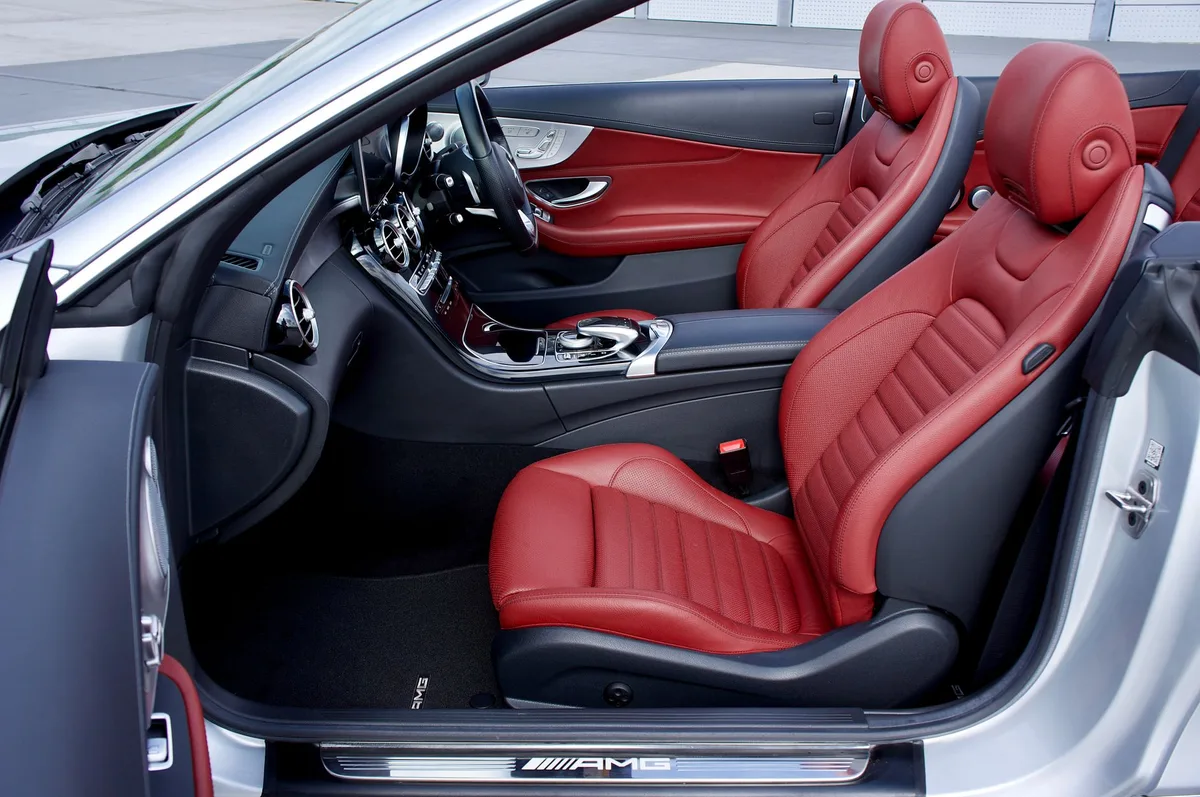 Water beads on a coated seat cover before soaking into the material.
Image source: Pexels / Mike Bird (Pexels License)
Water beads on a coated seat cover before soaking into the material.
Image source: Pexels / Mike Bird (Pexels License)
The Three Protection Levels You Need to Know
| Term | What it actually does | Good for | Watch out |
|---|---|---|---|
| Waterproof | Blocks liquid completely when seams and backing are also sealed | Heavy spills, wet pets, convertible leaks, muddy gear | Can be stiff, hot, or more expensive |
| Water-resistant | Repels moisture for a reasonable amount of time | Coffee spills, rain-wet clothing, everyday family use | Prolonged water can eventually seep through |
| Water-repellent | Surface treatment makes water bead and roll off | Light drizzle, occasional splashes | Wears off with washing and friction; weakest protection |
When a product title says "waterproof" but the description never mentions sealed seams, a waterproof backing, or a specific membrane, treat it as water-resistant until proven otherwise.
Key Materials and How Much Water They Really Stop
The fabric is the biggest clue to how a cover will behave in real life. Here is how the most common materials stack up.
Neoprene: The Everyday Protector
Neoprene is the same closed-cell synthetic rubber used in wetsuits, which makes it naturally resistant to water. Spills tend to sit on the surface instead of soaking in, and the material adds a layer of padding and comfort.
Protection level: excellent for everyday spills and damp clothing, but not fully waterproof. If water sits on it long enough, or if the stitching goes all the way through, moisture can find a path.
A common mistake is treating neoprene as bulletproof. It is a great all-rounder, but for heavy spills you still need to wipe it up promptly rather than leaving it to pool.
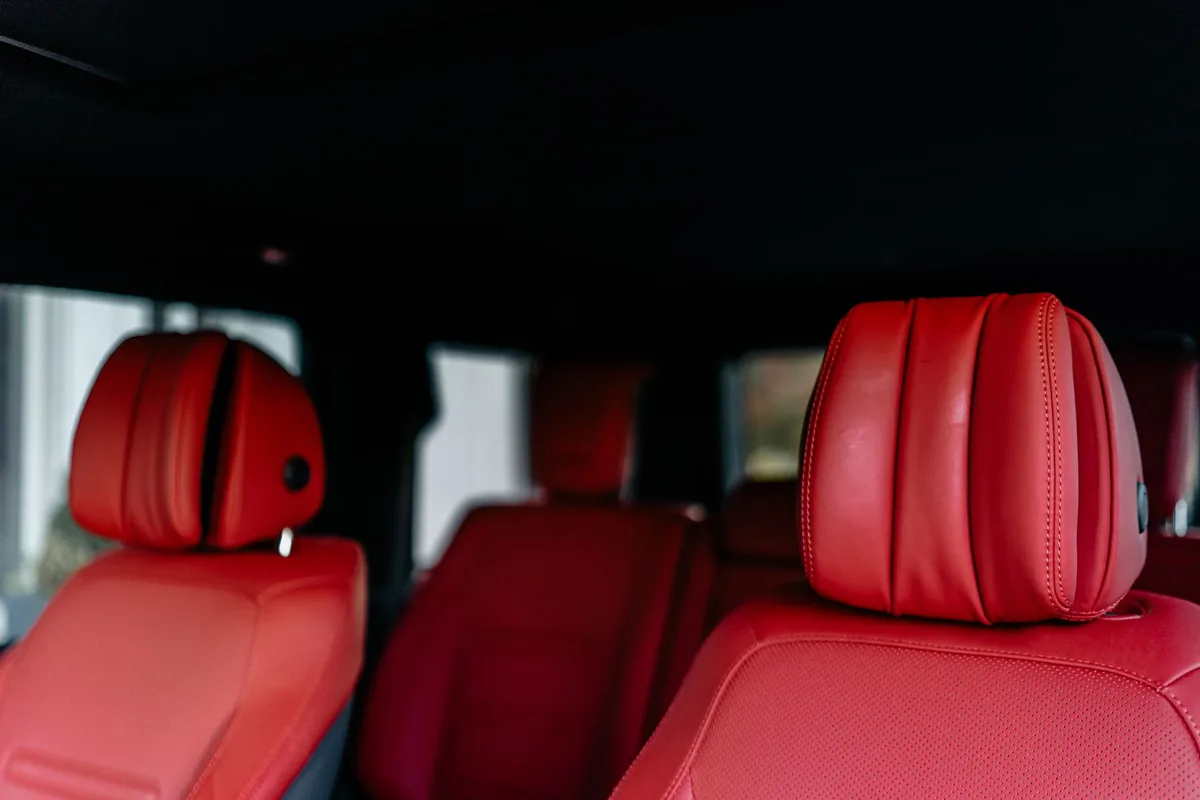 Neoprene cover fitted snugly over a standard car seat.
Image source: Pexels / Garvin St. Villier (Pexels License)
Neoprene cover fitted snugly over a standard car seat.
Image source: Pexels / Garvin St. Villier (Pexels License)
Coated Polyester and Nylon: Capable and Common
Most budget-friendly covers are made of polyester or nylon with a polyurethane (PU) coating. The tight weave offers a little protection, but the coating does the actual work. A thick, well-applied PU coating handles spills nicely; a thin coating can crack, peel, or weaken after repeated washing and sun exposure.
. A coating that is never mentioned in the spec sheet usually means it is not there.
Protection level: decent for light spills and quick wipe-downs, but only as long as the coating lasts. Sun exposure, frequent washing, and friction from getting in and out of the car break down that barrier over time.
Other benefits: these covers are affordable, widely available, and easy to clean. For a family car where you expect ordinary spills, they offer solid value—just replace them when the coating starts to lose its beading effect.
Treated Canvas: The Heavy-Duty Option
Canvas starts as a water-absorbent fabric, so an untreated version is useless for spill protection. However, when treated with a wax finish or a durable water-repellent coating, it becomes genuinely capable.
Protection level: excellent against splashes, mud, and moderate moisture. If you leave it saturated for hours, some moisture can work through the weave, so it is best paired with a waterproof backing if you need total protection.
Other benefits: canvas is one of the most durable materials here. It shrugs off scrapes, sharp gear, heavy loads, and rough use. If your seats regularly carry tools, camping equipment, or outdoor gear, treated canvas balances ruggedness with solid water resistance.
Specialty Fabrics (TPU-Backed): Top-Tier Defense
Thermoplastic polyurethane (TPU) is a flexible, inherently waterproof plastic bonded to a fabric base. This is the construction that earns the "waterproof" label.
Protection level: higher than any other option in this guide. Liquids sit on the surface indefinitely, and when the seams are also sealed, the cover acts as a true barrier. A dog straight from the lake or a spilled gallon jug will not get through.
Other benefits: TPU backs resist oil, grease, and abrasion, making them ideal for work vehicles and boats. The trade-offs are breathability and price—fully waterproof covers run warmer and cost more. Find a list of reliable options in a guide to waterproof seat covers, but verify the backing material and seam construction yourself before buying.
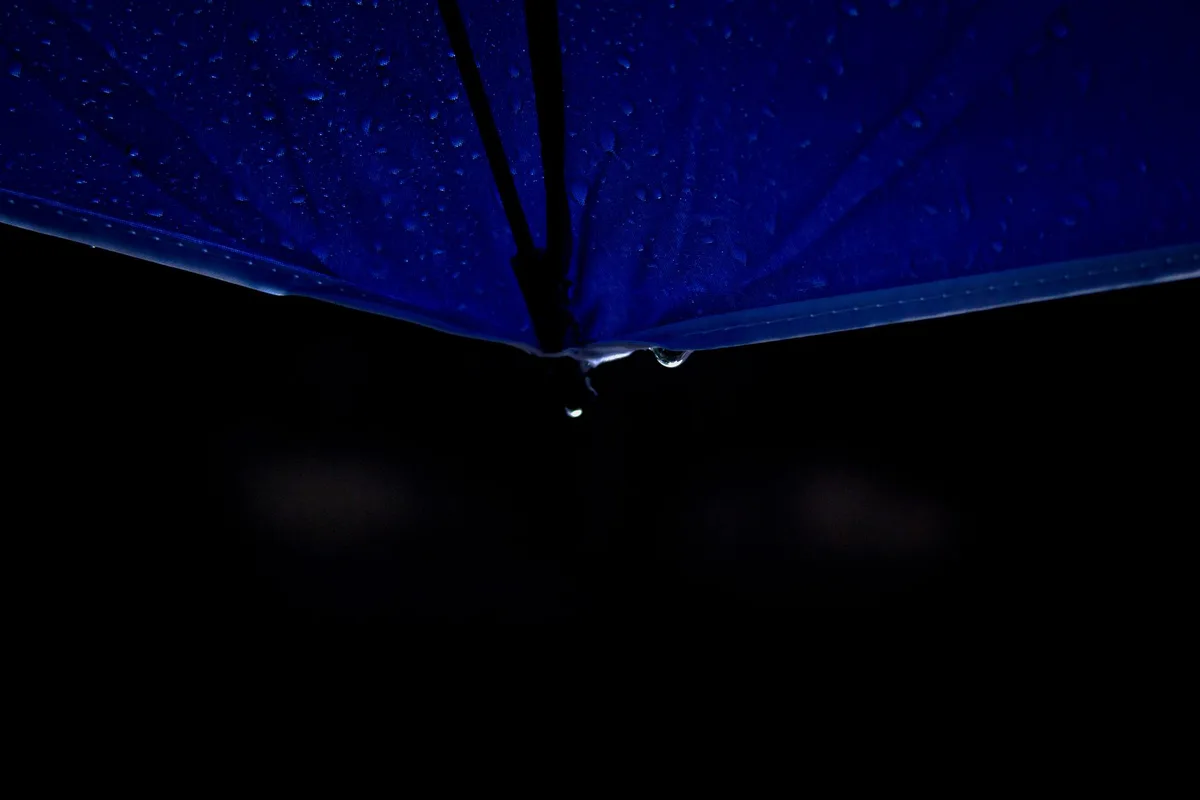 A water test shows liquid beading on the surface instead of soaking into the seat.
Image source: Pexels / Nothing Ahead (Pexels License)
A water test shows liquid beading on the surface instead of soaking into the seat.
Image source: Pexels / Nothing Ahead (Pexels License)
The Real Trade-Offs: Waterproofing vs. Everything Else
A fully waterproof cover is not automatically the best cover for you. Before you choose, weigh these four factors.
Breathability. Waterproof membranes trap heat and humidity. On long drives in warm weather, a TPU-backed cover can leave your back and legs sticky. Water-resistant materials like neoprene allow more air circulation while still protecting against spills.
Comfort. The most protective covers tend to feel stiffer and less cushioned. Neoprene and padded polyester feel closer to a standard seat; hard TPU layers can feel plasticky. Sit on the cover before committing if you can.
Durability. Coated fabrics degrade with sun and washing. TPU and canvas last longer but behave differently—TPU can feel firm, while canvas molds and softens with use.
Cost. Expect to pay more for sealed seams, TPU backing, or custom-fit construction. A cheap "waterproof" cover often fails at the seams, which makes it costlier in the long run.
The rule of thumb: match the cover to the worst realistic mess, not the worst imaginable one.
Are Most Car Seat Covers Truly Waterproof?
No, and that is fine for most drivers.
The vast majority of covers are water-resistant. For spilled coffee, juice boxes, rain-wet clothing, and swimsuits, that is enough—you wipe them off before moisture travels through. This level of protection is suitable for everyday family and commuter use.
Waterproof covers with sealed seams and a TPU or other impermeable backing are necessary when water is sustained: a soggy dog that rides in the back, a convertible with a slow leak, or frequently transporting soaking gear.
Reading the fine print is the practical move. If a listing says "water-resistant," that is exactly what you get. If it claims "waterproof," check that the seams and backing match that claim. Vague language like "protects against spills" without a specific material or test method suggests minimal defense.
Who Needs Water-Resistant Seat Covers?
Almost any driver benefits, but several situations make them genuinely necessary.
Pet Messes
Wet fur, drool, and muddy paws are constant threats when you travel with animals. Moisture that seeps into the seat fabric creates odors that are difficult to remove, and dog hair becomes nearly permanent in certain upholstery textures.
A water-resistant cover with a durable surface fixes both problems. Water beads up long enough to be toweled off, and hair sits on the cover's surface where a rubber brush or vacuum can lift it quickly. Covers made specifically for pets also use claw-resistant fabrics and thicker padding, so they survive rambunctious passengers.
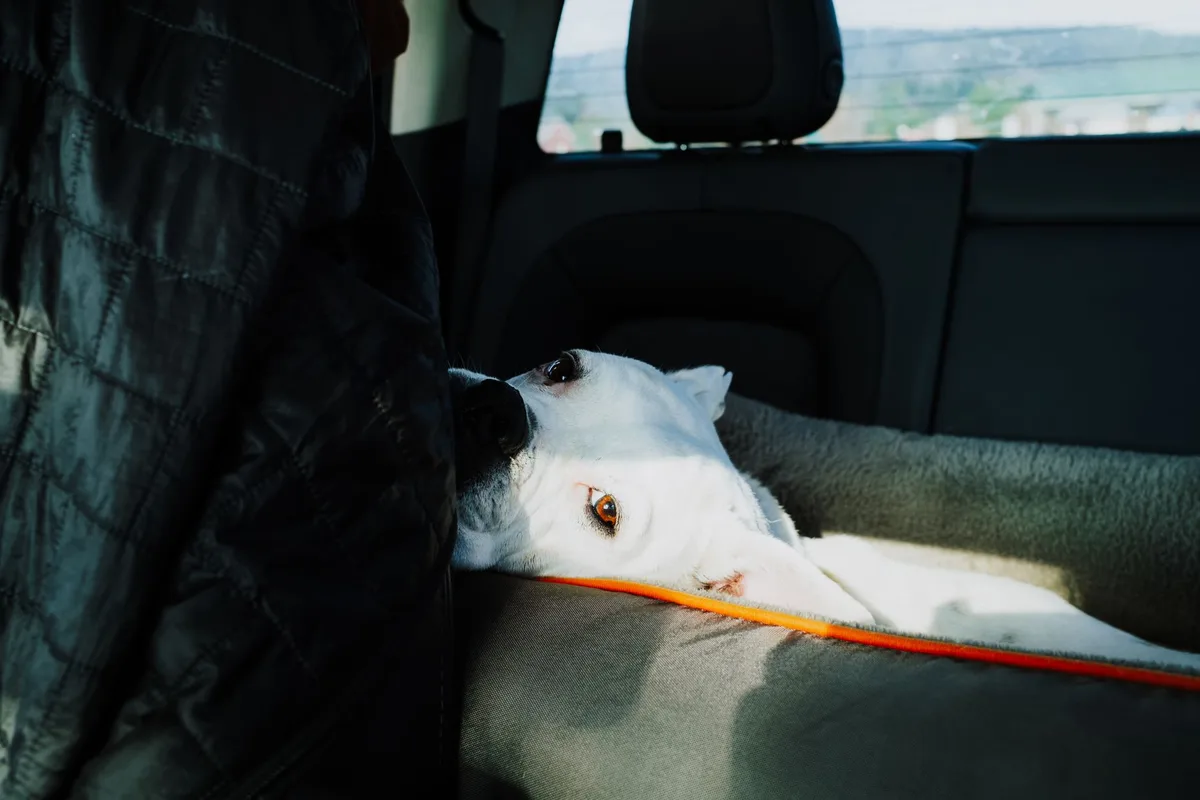 Pet hair collecting on the cover's surface where it is easy to remove.
Image source: Pexels / K (Pexels License)
Pet hair collecting on the cover's surface where it is easy to remove.
Image source: Pexels / K (Pexels License)
Kid Chaos
Spills are a certainty with children. Juice boxes, melted ice cream, sippy cups, and muddy shoes all find their way onto seats. Sticky liquids leave residue that attracts dirt, and anything that soaks through creates stains and odors that persist for the life of the vehicle.
A water-resistant cover gives you a simple response: wipe it up. That single action protects the original upholstery, keeps the car resale-ready, and makes post-road-trip cleaning a five-minute job rather than a full interior detail.
Weather Woes
Rain, snow, and humidity turn every passenger into a moisture source. Wet umbrellas, snow-covered boots, and damp jackets transfer water to your seats every time you drive in poor conditions. Over months, that repeated dampness leads to musty smells and damage.
Covers act as a barrier between the elements and your upholstery. This is especially helpful if you drive on beaches, hike regularly, or carry wet sports equipment, where a simple seat wipe replaces deep vacuuming.
How to Check a Cover's Actual Water Resistance
Skip the marketing language and do a practical check:
Inspect the surface. Run your hand across the fabric. A dense, smooth, or slightly rubbery feel suggests a coating is present. If the fabric feels overly absorbent or soft, expect poor water performance.
Look for a backing layer. The underside matters as much as the top. A rubberized or TPU backing stops moisture passing through, but a thin fabric backing provides no protection at all.
Test with a damp finger. Press a moist finger onto an inconspicuous spot. If the moisture wets the surface immediately, the cover is basic fabric. If it beads or lingers at the surface, there is some level of protection.
Check the seams. Stitching holes are the most common leak point. Sealed seams or a waterproof backing beneath the stitching dramatically improve real-world performance.
Choosing the Right Cover: Five Non-Negotiables
When you shop, use this short checklist to compare options:
- Material and coating. Neoprene, coated polyester, treated canvas, or TPU-backed fabric—choose the level that matches your mess.
- Waterproof backing. Even a water-resistant top layer is fine if the backing is an impermeable barrier.
- Seam and thread construction. Reinforced stitching and sealed seams prevent leaks at the weakest points.
- Fit and securement. Custom-fit covers stay in place under normal movement, and universal covers that fit poorly are easy to compromise. A proper fit also helps prevent the thing that most often damages car interiors: moisture that hides under a shifted cover.
- Care instructions. Machine-washable covers are far easier to keep clean without ruining their coating. Always follow the manufacturer's care instructions.
Also verify that the cover does not interfere with side airbags, seatbelts, or seat heaters. Fit and clearances can be checked against the safety guidance published by NHTSA, which explains how accessories should not alter vehicle safety systems.
Frequently Asked Questions
Are car seat covers actually waterproof?
Most are water-resistant, not fully waterproof. True waterproof covers use an impermeable backing like TPU and sealed seams. Those details are what stop liquid from reaching your original seats. If a product only says "water-resistant," it will handle ordinary spills but may fail under sustained or heavy water exposure.
What is the most waterproof material for car seat covers?
TPU-backed fabric is the most waterproof option. The thermoplastic polyurethane layer is inherently impermeable and works with sealed seams to block liquid completely. Neoprene is an excellent water-resistant choice but not fully waterproof. Coated polyester falls below both for long-term protection.
Will a waterproof seat cover damage leather seats?
A cover that traps heat and moisture against leather can cause fading, cracking, or mildew over time, especially with TPU-backed materials. Leather needs airflow. If you have leather seats, choose a breathable, water-resistant cover rather than a fully sealed one, or remove the cover periodically to let the leather breathe.
Are waterproof car seat covers uncomfortable in summer?
They can be. Fully waterproof materials limit airflow, which traps heat and humidity on long drives. Water-resistant covers like neoprene breathe better and feel closer to the original seat. If you live in a hot climate, prioritize breathability over absolute waterproofing—a sweaty driver is a poor trade-off.
How do I clean waterproof seat covers without ruining them?
Wipe down with a damp microfiber cloth for regular maintenance. For deeper cleaning, machine wash only if the care label allows it, on a gentle cycle without fabric softener. Air dry instead of using heat, and never use harsh detergents or bleach. Heat and chemicals degrade waterproof coatings over time.
Do waterproof seat covers fit all vehicles?
Custom-fit covers are made for specific makes and models, while universal covers are meant to adapt. Universal covers can leave gaps, bunch up, or shift, exposing parts of the seat. Check the product listing for your vehicle's make, model, and seating configuration, and confirm side airbag, seatbelt, and seat heater compatibility.
Conclusion
Waterproof car seat covers do exist, but most seats do not need them. A solid water-resistant cover made from neoprene, coated polyester, or treated canvas—with a proper backing and a snug fit—will handle the spills, pets, and weather that actually damage seats. Save the fully sealed TPU covers for the wet-dog crowd and heavy-duty users.
Your next step: identify your worst real-world mess. If it is coffee and kids, buy a water-resistant cover with a waterproof backing. If it is a lake-loving dog, go fully waterproof. Either way, check the seams, verify the fit, and read the care instructions before you click buy. Your seats will stay cleaner, and your car will keep more of its resale value.

Leave a Reply