
One of the first questions parents ask after buying a new child car seat is whether a cover will mess up the airbags. The honest answer: most generic covers are not safe. An airbag is a single-use safety device engineered to deploy in a fraction of a second. When you add an aftermarket layer between your child and that deployment, you are changing the way the system was tested.
This 2026 guide covers the three products people usually mean by "car seat cover": covers that go over a child restraint, inserts that go under a baby, and seat protectors that go under the car seat base. Each one interacts with airbags differently, and each one needs the same standard of proof before you use it. You can also read our guide on what does obd2 scanner do.
Quick Answer
Most aftermarket car seat covers are not safe with airbags unless the car seat manufacturer explicitly approves the cover for your exact seat model. If the cover did not come with the seat and does not appear in the owner's manual, treat it as unsafe inside a moving vehicle.
A thin, manufacturer-approved liner may be fine. A universal cover, a thick padded insert, or a full vehicle seat cover that hides an airbag seam is not. You can also read our guide on car stereo screen not working.
Which "Car Seat Cover" Are You Actually Talking About?
The phrase "car seat cover" causes a lot of confusion because it is used for two different products.
- A child restraint cover fits over the child's car seat. It can be a canopy, a liner, padding, or a full shell cover.
- A vehicle seat cover fits over your car's actual seat. Some vehicles have side airbags built into the seat back, so this type of cover carries its own risk.
- A seat protector sits underneath the child car seat to guard the vehicle upholstery from dents and scratches.
All three can interfere with airbag deployment. The rest of this guide explains when that happens, and how to tell before you buy.
Why Airbags and Extra Layers Don't Mix
Airbags are not simple balloons. They deploy through engineered "tear seams" in the seat cover or roof liner, inflate in a specific direction, and are designed to contact the occupant in a particular way. If anything blocks or redirects that path, the protection changes. You can also read our guide on what gauge is car stereo wire.
For a child in the back seat, the most relevant airbags are:
- Side-curtain airbags that drop down from the roof rail and cover the windows.
- Seat-mounted side airbags that burst out through the outer side of a seat back.
- Frontal airbags in the front row, which is why a rear-facing child seat must never be placed in front of an active passenger airbag.
A rear-facing seat in the front seat is extremely dangerous. The airbag inflates directly into the back of the child restraint and can cause fatal injury. The back seat is the safest place for all children.
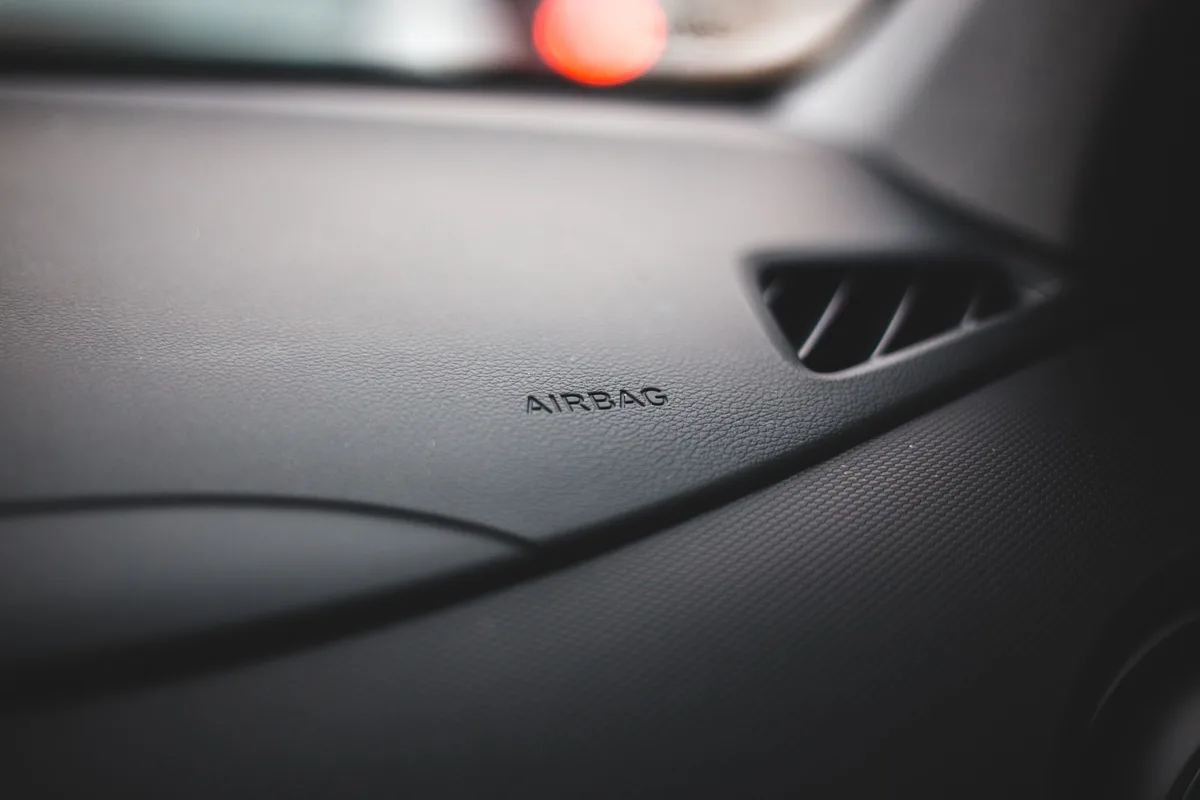
Image source: Pexels / Erik Mclean (Pexels License)
The side bolsters and roof rail are the highest-risk zones for cover interference.
The National Highway Traffic Safety Administration has warned for years that adding padding, covers, or inserts that did not come with the child restraint can compromise how the seat performs in a crash. That guidance still holds in 2026.
The Four Main Ways a Cover Can Interfere
1. Blocked Deployment Path
A cover can physically block an airbag from opening. This is most common with full vehicle seat covers that wrap around the side bolsters. Seat-mounted side airbags need a clear seam to tear through; a thick vinyl or neoprene cover can stop that seam from opening at all.
2. Redirected Airbag Force
Even if the airbag manages to deploy, the cover can make it inflate in a different direction. Instead of cushioning the child's head and chest, the airbag can push the cover sideways or downward. That can turn a safety device into a hazard.
3. Loosened Harness Fit
With child seat covers and inserts, the bigger danger is often the harness. If padding sits behind the child or under the straps, the harness no longer rests flat against the body. In a crash, the child moves forward before the harness tightens, which increases the risk of head and spinal injuries.
4. Loose Material Becoming a Projectile
A cover that is not snug can shift during a crash. In the milliseconds an airbag takes to inflate, that loose fabric can be thrown toward the child's face or chest. Even a lightweight canopy can become dangerous at high speed. The force of an airbag deploying is far stronger than most parents expect — it is a sudden, explosive expansion, not a gentle puff.
The takeaway is simple: if a cover adds material between the airbag or harness and your child, it needs documented proof that it has been tested with your specific seat model.
How to Identify a Risky Cover Before You Buy
You do not need a crash test lab to spot most problems. A quick visual and fit check will tell you a lot.
Red Flags on the Box or Listing
- "Universal fit" or "fits most seats" — if the product does not mention your exact car seat model, it was not tested for it.
- No mention of airbag compatibility — the packaging should explicitly state how the cover handles side-curtain and seat-mounted airbags.
- Thick padding or memory foam — any product over a few millimeters thick in the sides or near the harness path is a concern.
- Velcro or straps that attach near the seat belt path — these can interfere with a secure installation.
Red Flags on the Car
- Your vehicle has side airbags in the seats — check your owner's manual or look for a small tag on the seat seam that says "SRS AIRBAG."
- The cover hides the airbag seam — if you cannot see the seam where the airbag will tear through, the cover is in the deployment zone.
- The cover pinches the harness — if the straps do not lie flat after installation, the harness is compromised.
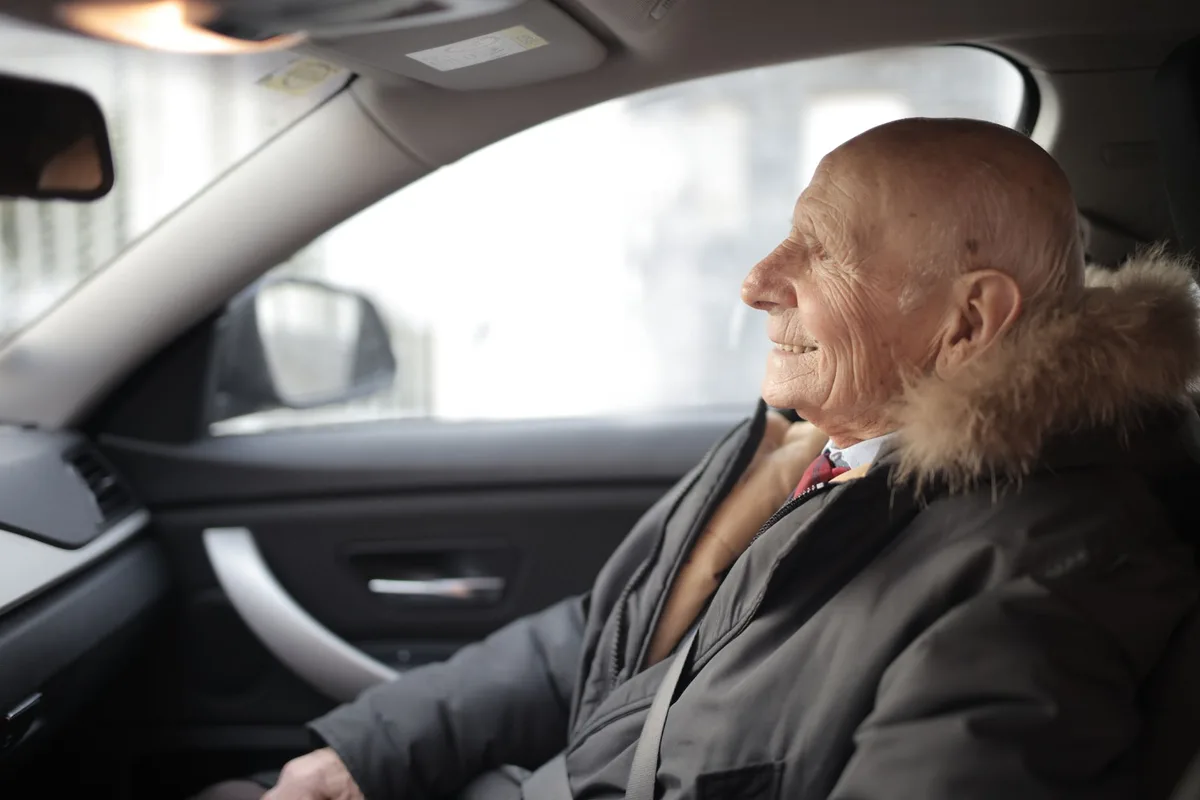
Image source: Pexels / Andrea Piacquadio (Pexels License)
Look for the airbag seam tag on your vehicle seat before adding any cover.
What the Car Seat Manual Says
Your child's car seat manual is the single most important document in this decision. It will tell you three things:
- Whether the manufacturer sells an approved cover or liner for your model.
- Whether the manual explicitly warns against aftermarket accessories — most do.
- Whether the seat has a model-specific part number for replacement covers, which are the only covers the manufacturer has tested.
Most major brands, including Britax, Graco, Chicco, and Nuna, state in their manuals that unapproved accessories can void the warranty and compromise safety. That is not a legal disclaimer — it is a factual statement about what has and has not been tested.
What Experts Recommend in 2026
Child passenger safety technicians (CPSTs) are consistently clear about aftermarket covers. Their guidance has not changed much over the years, but the message is more unified than ever:
- Use the car seat as it comes out of the box. No added padding, no seat covers, no aftermarket inserts.
- If the child is uncomfortable, fix the underlying issue — a rolled towel or noodle for installation angle, a properly adjusted harness, or a different seat that fits the child better.
- If you need a cover for cold weather, use a cover that goes over the seat from the outside — a thin, properly fitted shower-cap-style cover that attaches only to the carry handle or the back of the seat, not around the child. Remove it before driving.
The Society of Automotive Engineers publishes airbag system design standards that vehicle manufacturers follow. Aftermarket covers are not part of those tests.
The One Big Exception: Manufacturer-Approved Accessories
There is a short list of products that are safe. Every single one of them comes from the car seat manufacturer itself, or is explicitly listed as approved in the owner's manual.
Approved Seat Liners and Covers
Some brands sell a thin mesh liner or a seat pad designed for their specific seat model. These have been crash-tested with the seat and the harness in place. They do not add bulky material near airbags or harness paths. If the manual lists it, it passed testing. If the manual does not list it, it did not pass testing.
Approved Inserts for Newborns
Many seats ship with a newborn insert for smaller infants. That insert is part of the certified seat. When it comes time to remove it, the earlier you do, the safer — a loose insert can affect harness fit as the child grows. Check the weight limits for your specific model.
Image source: Pexels / Erik Mclean (Pexels License)
Only the insert that shipped with your car seat has been crash-tested for that seat.
What This Means for Buying Used Seats
If you are buying a used car seat, check that it comes with its original manual and all original parts. If the previous owner added a padded cover or aftermarket inserts, remove them before using the seat. There is no physical difference between an aftermarket cover and a used aftermarket cover — both are unapproved.
Safe Ways to Keep Your Child Cool (Without Covers)
Heat is a genuine problem in the summer. But the solution is not adding a cooling mat or a thick bamboo pad between your child and the harness. It is to control the vehicle's temperature before and during the ride.
Before the Child Gets In
- Pre-cool the car. Run the air conditioning for a few minutes with the doors open to push out hot air.
- Use a towel or blanket over the seat while parked. Drape it over the car seat and the vehicle seat, then remove it before placing the child in. This is safe because you remove it before driving — it does not sit under the child.
- Park in the shade. Obvious but effective. A shaded car can be 15-20 degrees cooler inside.
While Driving
- Use window shades. These attach to the vehicle window, not the car seat. They block direct sun and reduce the heat load without adding any layer near the child.
- Dress the child in light layers. A lightweight cotton onesie is more effective at heat management than any cooling insert.
Image source: Pexels / Engin Akyurt (Pexels License)
A window shade keeps the sun off the seat without adding any padding around the child.
If you are considering a product that claims to keep a child cool, ask yourself one question: does it require being placed between the child and the harness? If yes, it is an aftermarket insert and it is not approved. Period.
When to Absolutely Avoid Any Cover
Some situations are non-negotiable. Do not use any cover, pad, or protector in these cases:
- The child is under 1 year old or rear-facing. A rear-facing seat in the front seat with an active passenger airbag is allowed in exactly zero situations. A cover does not change that.
- The vehicle has seat-mounted side airbags and the cover wraps around the seat back. This is the most direct airbag interference scenario. The cover is physically in the deployment path.
- The cover requires removing or modifying the harness. If the installation instructions for the cover tell you to unthread the harness straps, stop. The harness is a primary restraint system.
- The cover hides part of the car seat's label or manual. You must be able to see the seat's model number, expiration date, and instruction label at all times.
When in doubt, take the cover off. A clean, hot car seat is safe. A blocked airbag is not.
If You Are Still Unsure, Do This
The final authority is not a blog or a forum thread. It is the car seat manufacturer's customer service line. Call them with your seat's model number and the name of the cover you want to use. They will give you a yes or no answer. If they say no, that is the end of the conversation.
Reputable manufacturers are quick to answer because aftermarket accessories are a known liability. They would rather lose a small accessory sale than deal with a crash-related lawsuit.
Frequently Asked Questions
Are any car seat covers safe with airbags?
Yes, but only covers that are manufactured by the car seat brand and explicitly listed in the owner's manual. Those have been crash-tested with the exact seat model. Generic covers, universal covers, and anything with a "fits most seats" label have not been tested and are not safe.
Can I use a seat protector under the car seat base?
Most vehicle seat protectors are not crash-tested with car seat bases. They can shift during a crash and reduce the stability of the base. The safest approach is to install the base directly on the vehicle seat, or use a thin, manufacturer-approved mat if the manual allows it.
Do seat-mounted airbags make vehicle seat covers dangerous?
Yes. If your vehicle has side airbags in the seat back, a full seat cover that wraps around the bolsters can block deployment. Even a cover with a "special airbag seam" is a risk because it has not been tested by the vehicle or child seat manufacturer.
Is a mesh liner safe for a child who gets sweaty?
Only if the mesh liner is made by the same brand as the car seat and listed in the manual. A generic mesh liner from another brand has not been tested with your seat's harness and crash performance. Sweat is uncomfortable; a compromised harness is life-threatening.
Are aftermarket covers safe for shopping carts or strollers?
Yes, if they are used only in a shopping cart or stroller. The danger is when they stay on the car seat during driving. If a stroller cover is not designed for car use, remove it before placing the child in the vehicle.
Does using a non-approved cover void the car seat warranty?
In most cases, yes. Car seat manufacturers explicitly state that using unapproved accessories can void the warranty and shift liability. More importantly, the cover has not been crash-tested, so you are relying on guesswork for child safety.
Conclusion
The simple truth is that airbag safety is engineered, not improvised. A child car seat leaves the factory as a certified safety system. When you add a generic cover, you are modifying that system without any crash test data. The weight of expert guidance, from NHTSA to certified child passenger safety technicians, is unanimous: use only manufacturer-approved accessories, and remove everything else before driving.
Your next step is quick. Grab your car seat's owner's manual — the paper one or the PDF — and look at the section on accessories. If a cover or liner is listed, that is the only product you can safely use. If it is not listed, leave the cover out of the car. Your child's safety does not need an upgrade.

Leave a Reply