
Image source: Pexels / Denys Gromov (Pexels License)
If you have ever wrestled a squirming toddler into a car seat while holding a dripping juice box in one hand, you already know the struggle. Car seats take a beating. Between crumbs, spills, diaper leaks, and the mysterious sticky patches that appear from nowhere, keeping the seat truly clean can feel like a full-time job.
The bigger worry sits below the surface. Car interiors are closed, warm spaces, and germs love that. A child coughs, touches the harness, eats a snack, rubs their eyes — and suddenly the car seat is part of a daily germ relay race. You can also read our guide on what car stereo fits my car.
The natural solution seems obvious: use a car seat cover as a protective layer. But do car seat covers actually keep germs out? Or do they just collect everything in one convenient place? The answer is more nuanced than a simple yes or no.
This guide walks you through exactly how covers behave, which materials genuinely help manage bacteria and viruses, and where even a high-quality clean cover can fall short. By the end, you will know what to buy, how to maintain it, and when to rely on deeper cleaning routines instead. You can also read our guide on what does obd2 scanner do.
Quick Answer: Do Car Seat Covers Actually Block Germs?
Car seat covers provide a physical barrier against surface dirt, spills, and body fluids, but they do not actively kill or fully block all germs.
A cover's ability to manage germs depends on three things:
- Material: Non-porous surfaces are harder for germs to cling to quickly, while soft fabrics trap them.
- Washability: A cover only helps if washing removes microbes — ideally with hot water and appropriate detergent.
- Routine: You clean the cover as often as you would clean the bare seat, otherwise it becomes a germ reservoir.
In practice, a clean, regularly washed cover improves hygiene. A dirty cover does not. And no cover replaces sanitizing the seat itself.
How Germs Actually Spread Inside Your Car
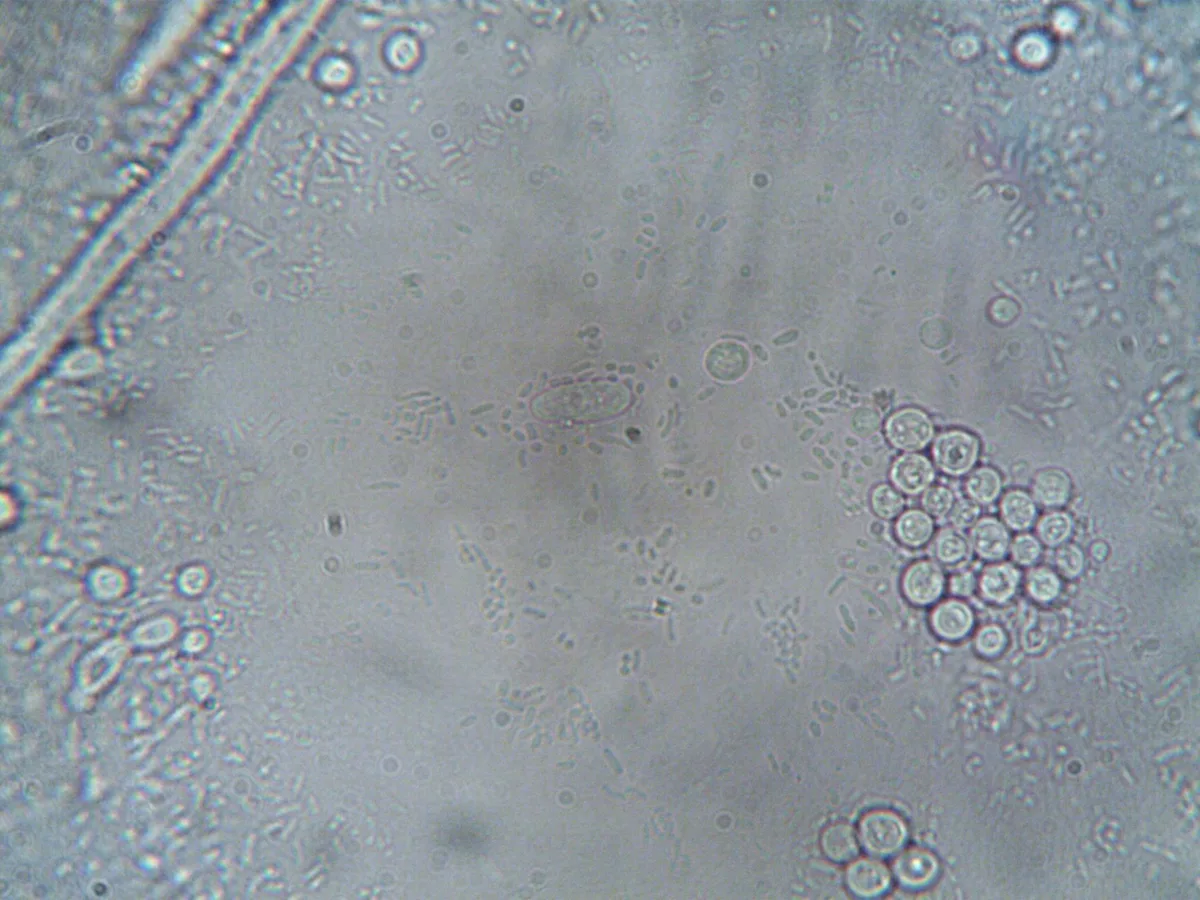
Image source: Pexels / turek (Pexels License)
Automobile cabins are micro-climate zones. In the summer, we shut the windows and turn up the AC. In the winter, we recirculate warm air. This creates a stable environment where bacteria, viruses, and fungi can survive on surfaces for hours or even days. For more on this, see our guide on do car seat covers damage leather seats.
Pathogens get inside through people, not air vents. Every time a child coughs, sneezes, or touches the seat tray, the harness buckle, the side panels, or the fabric itself, germs transfer. Passenger hands bring deposits from gas stations, shopping carts, and road trips. Then, those same hands touch eyes, noses, and mouths — which is the main route of infection.
Car seat covers matter here because they serve as the first point of contact. They can catch incoming germs before they soak into the seat's original fabric. But "catching" is not the same as "killing." Once a germ lands on a cover, it stays there until the cover is washed. For more on this, see our guide on are car seat covers removable.
Research on car interior hygiene remains thin, but what exists is worth remembering. One simple principle that dominates: surface hygiene reduces transmission of surface-borne illness. This is why the Centers for Disease Control and Prevention advises routine cleaning and disinfection of frequently touched surfaces — best guidance, even inside vehicles.
The Material Science: What Actually Determines a Cover's Germ Defense?
Not all fabrics behave the same way with moisture, heat, or microscopic organisms. A well‑loved cotton blanket gives warmth but also holds liquids. A waterproof membrane stops spills but might trap humidity. These differences have direct hygiene consequences. For more on this, see our guide on are car seat covers safe with airbags.
Barrier Power vs. Breathability
Choosing a cover usually comes down to this trade‑off:
| Cover Type | Strength | Limitation |
|---|---|---|
| Cotton / Jersey knit | Breathable, comfortable, easy to wash | Absorbs liquids; spills can soak through to the car seat below |
| Synthetic (polyester, nylon) | Durable, often water-repellent, quick drying | Varied breathability; cheaper blends can trap heat and moisture |
| Waterproof-backed fabric (PUL, TPU, laminated) | Blocks liquids completely, stops messes reaching the seat | Lower breathability; risk of humidity trapped between cover and seat |
| Padded or quilted covers | Comfort, some cushioned-comfort is practical top layer | Dense layers take longer to dry, giving microbes longer survival time |
A cover with a waterproof inner layer is highly useful for containing liquids, especially during potty-training years or long road trips. But the outer fabric still attaches germs from little hands and snacks.
Look for materials that:
- Allow air through while creating a barrier against moisture.
- Machine-wash at warm or hot temperatures without breaking down.
- Resist pilling and fraying because washing and folding creates friction.
There is no perfectly hygienic fabric. There is only material that works well because you wash properly to reuse.
Antimicrobial and Treated Fabrics: Does Each One Work?
Some covers nowadays are marketed as "antimicrobial" or "silver-ion treated." The concept is interesting — but do not assume that per.
- Antimicrobial finishes discourage some bacterial growth on the fabric surface, for millions of products.
- They do not remove existing germs. If a cover is dirty, an antimicrobial finish does not kill or wash anything away.
- The effect often fades after washing. Depending on finish can be durable, but many are designed to last only for a certain number of laundry cycles. Manufacturer care labels matter here.
- No finish replaces the act of taking it off: the actual issue is not the outside barrier, but how you clean it.
Treat antimicrobial claims as a helpful extra feature, not the main reason to buy. The real strength is the cleaning plan.
When Covers Actually Help: 4 Practical Hygiene Benefits
If used intelligently, a seat cover is a genuine hygiene tool. It is never a replacement for deep cleaning the car seat, but it can improve the reality of your daily routine.
1. They Contain What Would Otherwise Soak In
The strongest benefit is physical containment. A syringe that is spilled in comfort; food that gets smooshed a greasy floor — all land on the cover rather than the seat underneath. The car seat's original fabric becomes safer from the residues that fuel microbial growth.
Think about what happens without a cover: yogurt drips into the harness slot and gets into the foam. The thing retains the smell never really comes out. With a cover, that mess stays contained.
2. They Make Cleaning Faster and More Consistent
Steam cleaning a full car seat is a chore; nobody is deep-cleaning weekly. Removing a cover, throwing it in the wash, and reattaching a dry cover is quick. Environmental and operational benefits increase because a realistic system is much more hygiene-friendly.
3. They Help Distance Allergens
Dust mites, pollen, and pet dander build up in fabric over time. A washable cover captures some of those particles. Regular laundering with warm water removes them, lifting the allergen level in the immediate breathing zone around a child.
4. They Reduce the Wear of Clean Fabric
Covers quiet that a car seat's original fabric does not block the pilling, stains, and grease that normal life brings. The seat is safe inside, and the "disposable" layer takes the crime. This gives you a clean, stain-free seat that needs less clearing attention later.
Important nuance — a cover helps. But the cover itself now absorbs the germs that would have landed on the seat. It must therefore be washed, really, on a schedule. Otherwise, you are just shifting the germ location then looking at it every day.
When Covers Harm Hygiene: The Hidden Germ Traps
That same cover that protects can also hide the problem when maintained poorly. These are the eres where "higher levels of hygiene" actually backfire.
Moisture Capture
Waterproof and highly dense covers slow airflow time. If milk drips between the cover and the seat, or sweat from a long drive is absorbed into the space, moisture gets trapped. The backing acts like a sauna that keeps the wet material in constant contact. This is the exact environment that invites mold and mildew — organisms that trigger breathing problems and leave behind a musty odor.
False Feelings of Cleanliness
Dark colors and busy patterns hide stains well. That sounds like a feature, but visually hidden spots also become forgettable. The spills—the little ones that do not smell much at first—so week later become a thriving germ zone. What you don't see slowly overtakes the experience.
Washing on "Warm" Instead of "Hot"
A standard wash at 30–40°C cleans normally. But killing unhealthy microbes usually requires hotter temperatures, depending on the fabric. Labels often limit wash temperature to 60°C, but not all can count to that level. If you wash on the gentle cycle out of caution, the cover gets many germs behind in the fabric.
Buckling and Harness Interference
The cover's straps are not the germ issue in this section, but still worth mentioning: some covers are thick, awkward, and difficult to install properly. If the harness becomes flush with the seat pillars, then safety comes first. A cover that does not fit correctly must be re-adjusted or be removed entirely—for reasons that have nothing to do with germs.
How to Clean a Car Seat Cover Without Killing the Fabric
Washing is the responsibility of the product. If you do it wrong, you might degrade the material that helps make hygiene easier.
Step-by-Step Machine Wash
- Read the label in the manufacturer's manual. This is the first thing. Some covers are machine washable, some require hand wash, and some are wipe-clean only.
- Detach partial parts first. Bubble release caps, Velcro ties, or elastic loops should be used when attaching/removing to avoid holes ripping.
- Pre-treat visible stains. A small amount of gentle dish soap or water-based fabric stain remover.
- Choose the water temperature. Most manufacturers recommend a cold or mild wash. For a deeper level of hygienic cleaning, choose warm (40–50°C) if the label is covered. Hot water (60°C) is best for the truly germ-conscious but only on a washable surface.
- Use mild detergent. Skip bleach and fabric softener. They call the finish and can leave residue. If you want more germ‑killing, use a laundry disinfectant product that the maker allows.
- Air dry, or low heat rotor if you have pain after finishing. High heat shrinks fabrics, melts PUL or TPU, and wrinkles into an unstable shape.
The Sanitizing Layer Matters
If the car seat has smooth plastic or metal . hygiene upgrades that go beyond washing the fabric — you can use an EPA-approved disinfectant listed for pediatric or child products. Spray it onto a microfiber cloth (not directly on the crack), then wipe the handle buckle, harness buckles, and other hard plastic.
Check the car seat manual first. Every good seat – above the safety itself.
Realistic Sanitizing Routine: How Often Should You Care?
You already know the washing is the core. But how frequently do you need to do it?
| Situation | Recommended Range |
|---|---|
| Regular daily use, no spills | Wash cover every 1–2 weeks; wipe plastic as needed |
| After visible spills or messes | Remove and wash immediately |
| After illness (cold, stomach bug, etc.) | Sanitize cover + wipe all surfaces with disinfectant as soon as possible |
| Ride-share or long heavy user | Consider multiple interchangeable covers, pad weekly |
| After allergy season or pet rides | Washing + vacuum dust to be added |
The goal is impossible when a spill stays wet. Build habits and forget about "it will dry."
What About "Waterproof" Covers? Are They More Hygienic?
Waterproof covers have taken a spot among parents for meaningful reasons. They easily waive work spills. But consider how it works.
A waterproof cover creates a barrier at the seat level, not reflecting all sides. If you close the car in the sun, there is more heat in the cabin. Kids also produce heat, so their sweaty backside tends to sit at the right point. The moisture that rises from. If the backing is not breathable, that water just collects near the cover, creating the mold problem we mentioned.
A better answer is choosing a hybrid: a waterproof layer that hides inside, with a natural or breathable outer layer. Some covers combine cotton and a PUL liner—combining the comfort of a fabric and the spill‑protection of a membrane.
Look for terms like "breathable waterproof" and policies that specify that the membrane is placed between layers. The true honey does not trap humidity under it.
How to Sanitize the Car Seat Itself (Forget Covers)
A cover, however good, only protects what is beneath. The edges, the sides of the seat, the harness, and the buckle still get handled by little fingers every single ride.
To truly keep a car seat hygienic:
- Remove the cover and follow the manufacturer cleaning instructions.
- Vacuum the nooks where seeds and dust hide, use a tight nozzle. For persistent mess in tricky places, an effective handheld vacuum is useful equipment.
- Wipe plastic parts. An alcohol-free baby-safe wipe is ideal for the harness. If using a spray, spray the rag first—jet cleaning directly onto the harness could spread chemicals into the buckles.
- Let everything dry completely before reattaching. Putting a damp cover back is exactly how mold globs begin.
Keeping the car itself with a clean interior helps you feel better. And regular cleaning size is a habit.
Safety Reminder: The Cover vs. the Restraint
A car seat cover cannot interfere with the angle or fit of the harness system. Any cover that goes behind the baby or wraps around the belt should be noticed whether the straps sit because of it.
- Do not let extra padding sit between your baby and the snug harness (especially the same height or chest).
- Ensure the harness slots remain visible and the buckle is accessible (no material under the shell).
- Look for replacement and repair sources if the cover shows wear, tearing, or heat damage.
A seat cover is a hardware accessory. The safest solution is always the one that is properly installed when you remove and reattach it. If a specific cover is causing tension, remove it.
Quick Cleaning Checklist: One Minute To Build the Plan
- Detach cover before hard washes
- Wash time according to the label + warmest temperature allowed
- Let dry completely
- Sanitize the plastic parts with a disinfectant or soap
- Reinforce properly, adjusting the harness so it fits snugly
- Set two backup covers if you are a frequent family traveler
If you use the list as a routine, you remove the dirt that carries both visible loads—and the ones that carry everything you cannot see under the skin.
Frequently Asked Questions
Can I just spray a disinfectant on the car seat cover instead of washing it?
Spraying disinfectant won't reach the on the dirt and fabric that is still attached. It also leaves chemical residue. First, wash to remove the film and as many germs as possible. Then a wipe with a safe disinfectant is accepted for extra steps. Washing is the core step, full amount.
Can a car seat cover deform the harness, affecting safety?
Added padding from a cover forces the harness to sit too loose or over pads can compress differently in a crash. For you safety, choose equal covers designed for relevant car seat models. Follow the instructions given by the car seat manufacturer for removing or reinstalling the harness during assembly.
How often should I wash a car seat cover in daily use?
Every week is a realistic minimum for daily use, even with no spills. At least once a month is the stated limit if you drive very in a clean car. More cover = less habit stress. Change eventually or alternate covers to do that.
Are "antimicrobial" germ-identifying covers worth the extra cost
They are not a substitute for cleaning, but can reduce growth between washes. Their effect fades with washing. The material composition and washability decides the value more than the label. If they cost the same as a regularly reliable cover, they are a minor bonus.
Can a cover carry germs into the cabin?
Yes. Microbes on a dirty cover can be on the top surface and shed into the floor or envelope. When you install the car seat, you can transfer them to the seat, or a child's hands transfer them to the mouth. Keep the cover dry, clean, and isolate of stained membranes.
Does a toilet cover needed for truly sanitized?
No the cover is not the seat paste. It is a removable protective layer. Fabric parts that lift out can be washed, but the plastic base, the harness, and the shell require separating in another sanitize routine. Put the cover as “the part that is taking care of you”, not a full seat sanitizer.
Conclusion
A cover is not a superhero—and not a placebo. Used correctly, it saves time and keeps the mess contained. Used poorly, it becomes a hidden trap for moisture and remaining germs.
The balanced answer to "do car seat covers keep germs out?" is: Yes, they act as a washable shield for everyday messes. No, unless you wash them properly and still sanitize the seat at regular intervals, they 100% remove the risk.
Start now with this checklist: Remove, wash, dry completely, wipe the plastic. That is it. The real task is just being consistent. Then the cover works for you, without crinkle resistant with the smell of shampoo near the model.

Leave a Reply