
Replacing a car battery may sound difficult, but it’s a task many drivers can do themselves. Understanding how to install a new battery can save you money and help you avoid being stranded. This guide explains each step in clear, simple language.
Whether you drive a sedan, SUV, or truck, you’ll learn how to handle battery replacement safely and confidently.
Why Car Batteries Need Replacement
Car batteries power everything from starting your engine to running lights and electronics. Over time, they lose their ability to hold a charge. Most batteries last between 3 to 5 years, but factors like heat, cold, and frequent short trips can shorten this lifespan.
If your car struggles to start, the lights are dim, or you hear clicking sounds from the ignition, your battery might be failing.
Some drivers ignore these signs, hoping the battery will last longer. However, a weak battery can leave you stranded, damage electrical parts, or cause unpredictable problems. Regular checks and timely replacement prevent these issues.
Tools And Materials Needed
To replace your car battery, gather these items:
- New battery (matching your car’s specs)
- Wrench or socket set
- Gloves and safety glasses
- Battery terminal cleaner or wire brush
- Anti-corrosion spray
- Rags or paper towels
- Memory saver (optional, to keep electronic settings)
Having all tools ready before you begin saves time and reduces mistakes. Most batteries use 10mm or 12mm nuts, but check your car’s manual for exact sizes.
Choosing The Right Battery
Buying the correct battery is crucial. Batteries differ in size, capacity, and terminal location. Here’s how to choose:
Battery Size And Group
Car batteries come in different group sizes, which define their physical dimensions. Your car’s manual or old battery label shows the group number (like 24F, 35, or 78). Using the wrong size can cause fit problems or loose connections.
Cold Cranking Amps (cca)
CCA measures a battery’s ability to start your car in cold weather. The higher the number, the better it performs in low temperatures. Most cars need at least 400–600 CCA, but trucks and SUVs may require more.
Reserve Capacity (rc)
RC shows how long the battery can run accessories if the alternator fails. Longer reserve means more reliability during emergencies.
Brand And Warranty
Leading brands include DieHard, Optima, and Interstate. Good batteries offer 2–5 years of warranty. Don’t choose only by price; quality matters for long-term reliability.
Comparison Of Battery Specs
Here’s a quick comparison to help you choose:
| Brand | Group Size | CCA | Warranty |
|---|---|---|---|
| DieHard Gold | 35 | 640 | 3 years |
| Optima RedTop | 34 | 800 | 3 years |
| Interstate | 24F | 700 | 2 years |
Choosing the right battery ensures your car starts reliably and electronics work smoothly.
Preparing For Battery Replacement
Safety is important. Batteries contain acid and produce electricity. Always:
- Wear gloves and safety glasses
- Park your car on a flat surface
- Turn off the engine and remove the key
- Let the engine cool before starting
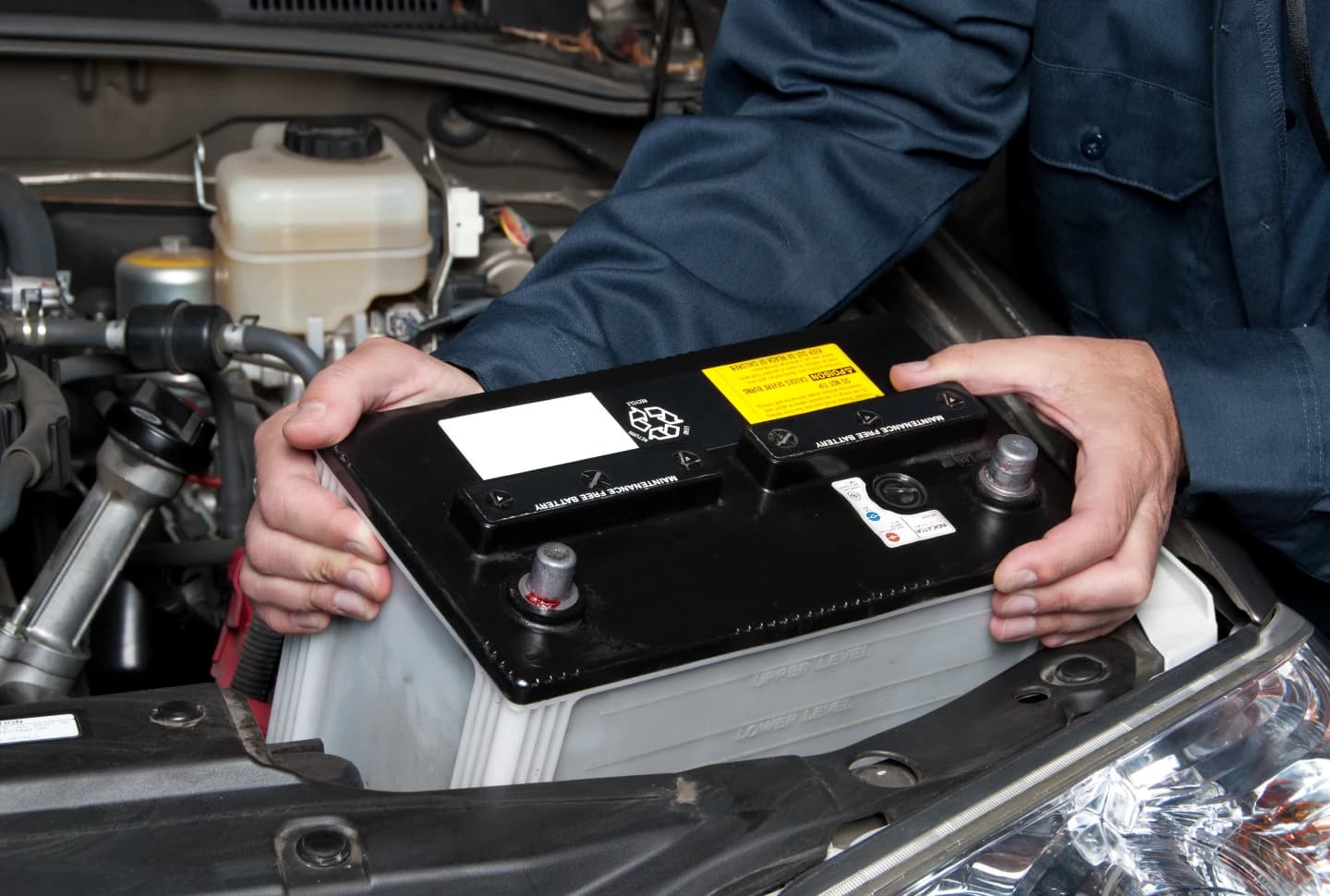
Some newer cars have sensitive electronics. Using a memory saver keeps radio, clock, and computer settings from resetting. If you skip this, you might lose presets but the car will still run.
Credit: www.meineke.com
Step-by-step Battery Removal
Follow these steps to remove your old battery:
- Locate the battery. Usually under the hood, but some models place it in the trunk or under a seat.
- Identify the terminals. The negative terminal is usually black or marked with “-”. The positive terminal is red or “+”.
- Disconnect the negative cable first. Loosen the nut and lift the cable away. This prevents sparks.
- Disconnect the positive cable. Repeat the process for the red cable.
- Remove the hold-down clamp. Most batteries are secured with a metal bar or bracket.
- Lift out the battery. Batteries are heavy (up to 40 pounds). Use both hands and lift straight up.
Common Mistakes
- Disconnecting the positive cable first can cause short circuits if your wrench touches metal.
- Dropping the battery can crack the case and spill acid.
- Forgetting to remove the hold-down clamp makes the battery impossible to lift.
Cleaning And Preparing Battery Tray
Before installing the new battery:
- Use a wire brush or terminal cleaner to remove corrosion from cables.
- Wipe the battery tray with a rag.
- Spray anti-corrosion solution on terminals.
Corrosion looks like white or blue powder. It can block the electrical flow and cause starting problems. Cleaning ensures a solid connection.

Credit: shop.advanceautoparts.com
Installing The New Battery
Now, install your new battery:
- Place the new battery in the tray. Match the terminals to the correct sides.
- Secure the battery with the hold-down clamp. Tighten bolts so the battery doesn’t move, but don’t overtighten.
- Connect the positive cable first. Attach the red cable and tighten the nut.
- Connect the negative cable. Attach the black cable and secure it.
- Spray terminals with anti-corrosion spray. This prevents future build-up.
Battery Installation Process
Here’s a breakdown for quick reference:
| Step | Action | Important Tip |
|---|---|---|
| 1 | Place battery | Check terminal position |
| 2 | Secure clamp | Don’t overtighten |
| 3 | Connect positive | Red cable first |
| 4 | Connect negative | Black cable last |
| 5 | Spray terminals | Use anti-corrosion |
Doing these steps in order prevents electrical issues and keeps your battery secure.
Testing The New Battery
After installation, check your work:
- Start the engine. It should turn over quickly and smoothly.
- Test headlights, radio, and other electronics.
- Look for warning lights on the dashboard.
If your car doesn’t start, check cable connections and battery orientation. If problems continue, the battery may be defective or incompatible.
Disposing Of The Old Battery
Car batteries are hazardous and must be recycled. Never throw them in the trash or leave them outside. Most auto parts stores accept old batteries for free recycling. You may even get a core charge refund when you return your old battery.
Battery recycling helps protect the environment and keeps dangerous chemicals out of landfills. For more information, visit the EPA’s battery recycling guide.
Common Problems After Battery Replacement
Sometimes, issues appear after changing a battery:
- Reset radio or clock settings: You may need to re-enter presets.
- Warning lights: If the battery is disconnected too long, some dashboard lights may appear. Usually, these go away after driving a few miles.
- Check engine light: In rare cases, electronic systems may need to relearn settings.
- Alarm activation: Some cars’ security systems may trigger if the battery is removed.
If problems don’t resolve quickly, consult your car’s manual or a mechanic.
Practical Tips For Easy Battery Replacement
- Check battery type before purchase. AGM and conventional batteries are not interchangeable.
- Use a memory saver if your car has advanced electronics. It prevents loss of settings.
- Mark cables before disconnecting. Small stickers help you remember which is positive and negative.
- Clean terminals even if they look fine. Hidden corrosion can cause problems.
- Lift with knees, not back. Batteries are heavy; avoid injury.
- Test battery voltage with a multimeter. A new battery should read 12.6 volts or higher.
- Keep pets and children away. Battery acid is dangerous.
These tips make the job faster and safer.
Battery Maintenance And Longevity
A new battery can last years, but proper care helps it reach its full lifespan. Here’s how:
- Drive regularly: Short trips don’t fully recharge the battery. Take longer drives sometimes.
- Keep terminals clean: Check every few months for corrosion.
- Avoid leaving lights on: This drains the battery quickly.
- Check charging system: If your car’s alternator is weak, the battery won’t recharge properly.
Battery Maintenance Comparison
Let’s compare common maintenance habits:
| Habit | Effect on Battery Life | Recommended Frequency |
|---|---|---|
| Cleaning terminals | Reduces corrosion | Every 3 months |
| Driving long distances | Fully recharges | Weekly |
| Checking voltage | Detects early issues | Twice a year |
Regular maintenance can extend your battery’s life by 1–2 years.
Hidden Insights Beginners Often Miss
Many new DIYers overlook these points:
- Battery orientation matters. If you install the battery backward, cables won’t reach and you risk electrical damage.
- Some cars require battery registration. Newer vehicles (especially European models) need the battery registered in the computer system after installation. Skipping this can cause charging problems.
Always check your car’s manual for special instructions.
Safety Hazards To Watch For
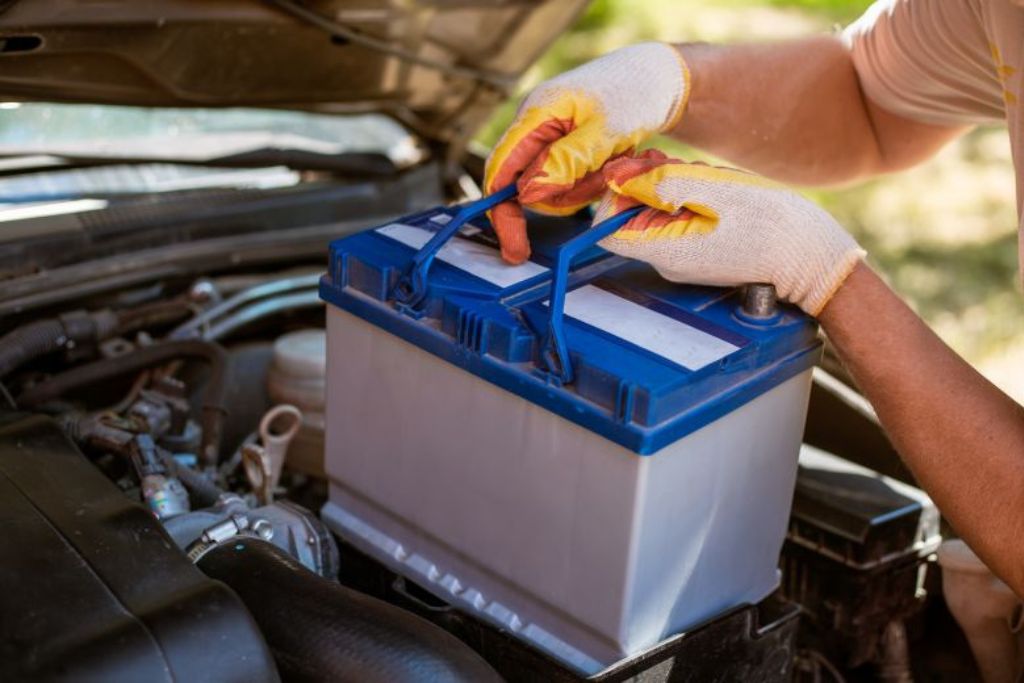
Batteries contain lead and acid. Improper handling can cause burns, poisoning, or electrical shocks.
- Never touch both terminals with metal tools at the same time.
- Always disconnect the negative cable first and reconnect it last.
- Don’t smoke or use open flames near batteries.
- If acid spills, wash skin with water and seek medical help.
Safe handling prevents injuries and damage.
Credit: www.wyotech.edu
When To Call A Professional
Some situations require expert help:
- Your battery is hard to access (under seat, inside trunk, or hidden).
- You see damaged cables or connectors.
- Electronics don’t work after replacement.
- You feel uncomfortable with the process.
Professional mechanics have the tools and experience to handle tricky cases. The cost for battery installation varies from $25 to $100, depending on car type.
Cost Of Battery Replacement
Buying a new battery and installing it yourself saves money. Here’s what to expect:
- Battery price: $60–$200, depending on brand and specs.
- Installation tools: $10–$30 if you don’t already own them.
- Professional installation: $25–$100 extra.
DIY replacement is cheaper, but professional service offers peace of mind.
Frequently Asked Questions
How Often Should I Replace My Car Battery?
Most car batteries last 3–5 years. Replace yours if you notice slow starts, dim lights, or it’s older than 5 years. Check battery health twice a year for signs of weakness.
What Happens If I Install The Battery Backward?
Installing the battery backward can cause electrical damage or blown fuses. Double-check terminal placement before tightening connections. Always match red (positive) and black (negative) cables to correct terminals.
Can I Change A Battery Without Losing Radio Presets?
Using a memory saver tool keeps your radio, clock, and computer settings during replacement. If you don’t use one, you’ll need to reset presets manually.
Why Do Batteries Die Faster In Hot Climates?
Heat speeds up chemical reactions inside batteries, wearing them out faster. If you live in a hot area, check your battery more often and buy one with higher heat resistance.
Are All Car Batteries The Same Size?
No, batteries have different group sizes and terminal locations. Always match the new battery to your car’s requirements. Check the old battery label or your owner’s manual for the correct size.
Replacing a car battery yourself is a practical skill that boosts your confidence and saves money. With the right tools, careful steps, and basic safety, you can handle battery installation like a pro. Remember to recycle your old battery responsibly and perform regular maintenance for longer battery life.
If you ever feel unsure, professional help is always available.

Leave a Reply