
That glowing airbag warning light on your dashboard is one of the most stressful sights for any driver. It signals that your Supplemental Restraint System (SRS) may not deploy when you need it most. The natural first instinct is to grab an OBD2 scanner and see what's wrong. But here's the catch: most basic OBD2 scanners simply cannot read airbag codes.
This guide explains exactly what OBD2 scanners can and cannot do for airbag diagnosis, why the technology differs, and how to safely address airbag system issues in 2026. You can also read our guide on how to check engine temperature with obd2 scanner.
What Is an OBD2 Scanner?
An OBD2 (On-Board Diagnostics, second generation) scanner is a diagnostic tool that plugs into your vehicle's OBD2 port, typically located under the dashboard near the steering column. It communicates with your car's various electronic control modules (ECMs) to retrieve diagnostic trouble codes (DTCs).
These codes are standardized for emissions and engine performance. When your check engine light illuminates, a basic OBD2 scanner can tell you whether the issue is a faulty oxygen sensor, a loose gas cap, or a misfiring cylinder. For more on this, see our guide on can an obd2 scanner detect transmission problems 2.
However, modern vehicles contain multiple computer modules. The engine control module is just one of them. Your airbag system, anti-lock brakes, transmission, and body electronics each have their own dedicated module with separate codes. This is where the confusion begins.
How Airbag Systems Work
The airbag system, officially called the Supplemental Restraint System (SRS), is a complex network of components designed to protect occupants during a collision. It includes:
- Impact sensors located at the front, sides, and sometimes rear of the vehicle
- The SRS control module (also called the airbag control unit), which processes sensor data
- Airbag inflators and modules for the driver, passenger, side curtains, and knee airbags
- Seat belt pretensioners that tighten belts milliseconds before impact
- The clock spring in the steering column, which maintains electrical continuity while the wheel turns
- Wiring harnesses and connectors linking all components
When a collision occurs, sensors send electrical signals to the control module. If the impact exceeds a threshold, the module triggers the inflators, which rapidly fill the airbags with gas. The entire process takes about 30 milliseconds. For more on this, see our guide on can obd2 scanner detect catalytic converter issues.
The SRS module continuously runs self-diagnostics. If it detects a fault—a broken wire, a failed sensor, or a depleted backup capacitor—it stores a trouble code and illuminates the airbag warning light on your dashboard.
Can an OBD2 Scanner Detect Airbag Problems?
The short answer: it depends on the scanner. A standard, entry-level OBD2 scanner cannot read airbag codes. You need a scanner with specific SRS support. For more on this, see our guide on can you rent a obd2 scanner.
Why Basic Scanners Fail
Basic OBD2 scanners are designed to communicate with the engine control module using standardized protocols. They read powertrain codes (those starting with "P") that relate to engine, transmission, and emissions systems.
Airbag codes are stored in a completely different module. The SRS module uses manufacturer-specific communication protocols that basic scanners simply do not support. Think of it like trying to use a TV remote to control your garage door—both use infrared signals, but they speak different languages.
Types of Scanners and Their Capabilities
| Scanner Type | Reads Engine Codes | Reads SRS Codes | Clears SRS Codes | Price Range |
|---|---|---|---|---|
| Basic Code Reader | Yes | No | No | $20–$60 |
| Mid-Range OBD2 Scanner | Yes | Sometimes | Sometimes | $60–$200 |
| Professional Diagnostic Tool | Yes | Yes | Yes | $200–$1,000+ |
| OEM Dealer-Level Scanner | Yes | Yes | Yes | $1,000–$5,000+ |
Mid-range scanners from brands like Autel, Launch, and Innova often include SRS support, but you must verify this before purchasing. The product description should explicitly mention "SRS," "airbag," or "body codes."
How to Check If Your Scanner Supports Airbag Codes
Before buying a scanner or attempting diagnosis, verify its capabilities:
- Read the product description carefully. Look for "SRS," "airbag," or "supplemental restraint" in the feature list.
- Check the manufacturer's website. They typically list which vehicle systems each model supports.
- Review the compatibility chart. Some scanners support SRS for certain brands but not others.
- Test the scanner on your vehicle. Connect it and navigate the menu. If you see an "SRS" or "Airbag" option, you're in business.
- Check for software updates. Some scanners can add SRS functionality through firmware updates.
A common mistake is assuming that a scanner with "all systems" in its name covers airbags. Always verify specifically.
The Difference Between OBD2 Codes and SRS Codes
Understanding code formats helps you interpret what your scanner is telling you:
| Code Type | Prefix | Example | System |
|---|---|---|---|
| Powertrain | P | P0420 | Engine/Emissions |
| Body | B | B1801 | Airbag Circuit |
| Chassis | C | C0035 | ABS/Wheel Speed |
| Network | U | U0151 | Lost Communication with SRS Module |
SRS codes typically start with "B" (body) or "U" (network communication). If your scanner only displays "P" codes, it cannot access the airbag system.
Common Airbag System Problems
Understanding what typically goes wrong helps you know what to expect:
- Faulty impact sensors: These can fail from corrosion, minor collisions, or age. A sensor that reports incorrect data will trigger a code.
- Damaged clock spring: This component in the steering column flexes every time you turn the wheel. Over time, the internal ribbon cable can break, especially in high-mileage vehicles.
- Corroded connectors: Moisture can enter connectors under seats or in door pillars, causing intermittent faults.
- Depleted backup capacitor: The SRS module has a capacitor that maintains power for a short time after battery disconnection. If it fails, the system may not deploy properly.
- Post-accident damage: Even if airbags didn't deploy, sensors and wiring may be damaged. Many manufacturers require replacing certain components after any collision.
- Seat belt pretensioner issues: These pyrotechnic devices can fail or deploy, requiring replacement.
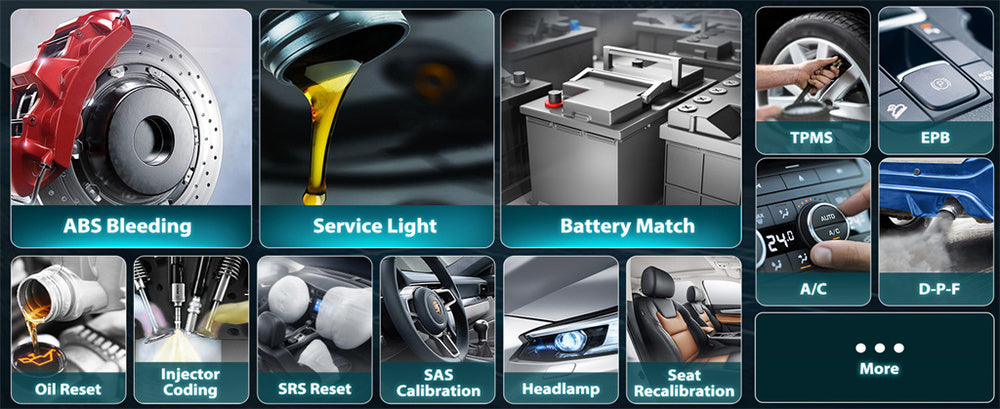
An SRS-capable diagnostic tool connected to a vehicle's OBD2 port, showing airbag system data.
Credit: www.foxwelldiag.com
How to Diagnose Airbag Problems Yourself
If you have an SRS-capable scanner, you can perform basic diagnosis:
- Confirm the warning light is on. If it's illuminated, the system has stored a code.
- Connect your scanner to the OBD2 port with the ignition off, then turn the ignition to the "on" position.
- Navigate to the SRS or Airbag menu. Select "Read Codes."
- Record the codes. Note both the code number and any description.
- Research the code. Use your vehicle's service manual or reputable online databases to understand what the code means.
- Inspect the related components. For example, a B1801 code (driver airbag circuit) might point to the clock spring or the connector under the seat.
- Repair the issue. This might be as simple as reconnecting a loose connector or as complex as replacing a sensor.
- Clear the code only after completing the repair. Then verify the warning light stays off.
Critical safety warning: Never probe airbag system wiring with a multimeter or test light while the system is armed. Accidental deployment can cause serious injury. If you're not confident, leave it to a professional.
When to See a Professional
Some airbag problems are beyond safe DIY repair:
- Codes pointing to the SRS module itself require specialized programming and sometimes replacement.
- Wiring issues inside the dashboard are difficult to access and diagnose.
- After an accident, airbag systems need professional inspection and reset.
- Recalls and software updates must be handled by dealers or qualified shops.
Professional mechanics use dealer-level diagnostic tools that can access all modules, display live data, and perform advanced functions like module programming. They also have the training to safely handle pyrotechnic components.
The Cost of Professional Airbag Diagnosis
Professional diagnosis typically costs between $80 and $150, depending on your location and the shop's hourly rate. This fee usually covers the diagnostic scan and a written estimate for repairs. Some shops waive the diagnostic fee if you proceed with the repair.
Repair costs vary widely based on the issue:
| Problem | Typical Repair Cost |
|---|---|
| Loose connector | $50–$100 |
| Clock spring replacement | $200–$400 |
| Impact sensor replacement | $150–$300 |
| SRS module replacement | $400–$800 |
| Airbag deployment (per bag) | $1,000–$3,000+ |
The Role of Recalls and Software Updates
Airbag systems occasionally have manufacturer recalls. The Takata airbag recall, which affected millions of vehicles worldwide, is the most famous example. In 2026, new recalls continue to emerge for various makes and models.
Check for open recalls on your vehicle at the National Highway Traffic Safety Administration's recall page. Enter your VIN to see if any safety campaigns apply. Recall repairs are free at authorized dealers.
Software updates can also resolve false airbag warnings. If your vehicle is under warranty, the dealer will perform these updates at no cost.
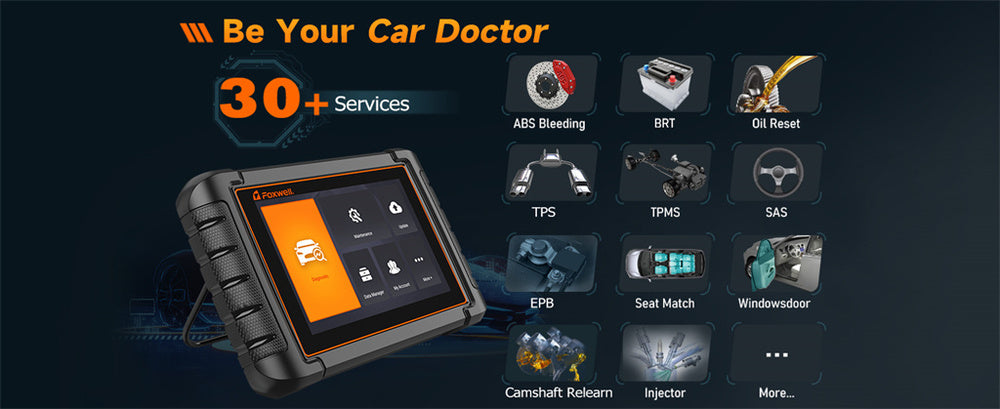
Close-up of a diagnostic scanner displaying airbag system trouble codes and live sensor data.
Credit: www.foxwelldiag.com
Choosing the Right Scanner for Airbag Diagnosis
If you're in the market for an SRS-capable scanner, consider these features:
- Explicit SRS support for your vehicle's make and model
- Ability to read and clear codes in the SRS module
- Live data viewing for sensors and system status
- Regular software updates to support newer vehicles
- User-friendly interface with code definitions built in
Popular brands with SRS support include Autel, Launch, Innova, and Foxwell. Read reviews and check compatibility forums before purchasing. A scanner that works well on a Ford may not support a BMW's airbag system.
For most DIYers, a mid-range scanner in the $100–$200 range offers the best balance of capability and value. Professional-grade tools are overkill unless you work on multiple vehicles regularly.
Is It Safe to Drive with the Airbag Light On?
No. Driving with an illuminated airbag light means your SRS may not deploy in a crash. In many vehicles, the system disables all airbags when a fault is detected, not just the affected circuit.
Some jurisdictions also fail vehicles with airbag lights during safety inspections. Even if your area doesn't require inspections, you're taking a serious risk every time you drive.
If the light comes on, diagnose the issue promptly. If you cannot resolve it yourself, visit a professional within a few days.
Key Takeaways
- Basic OBD2 scanners cannot read airbag codes. They only access the engine control module.
- You need an SRS-capable scanner to diagnose airbag problems yourself.
- Airbag codes use "B" or "U" prefixes, not the "P" codes of engine systems.
- Never ignore the airbag warning light. Your safety depends on a functioning SRS.
- Professional diagnosis is worth the cost for complex or safety-critical issues.
- Check for recalls before paying for repairs—you might get them free.
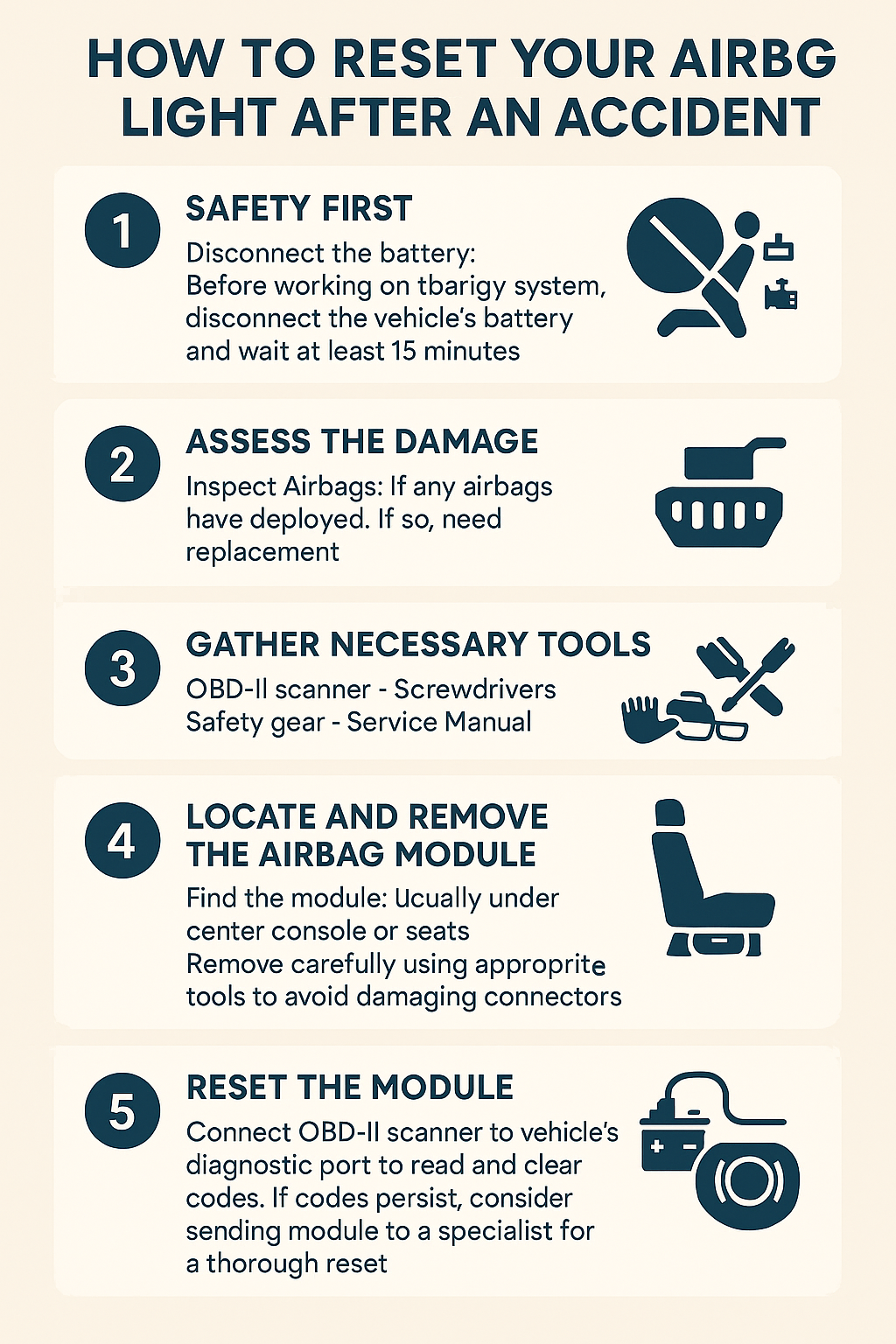
Step-by-step guide showing how to reset the airbag warning light using a compatible diagnostic scanner.
Credit: www.lndsolutions.org
Frequently Asked Questions
Can a cheap OBD2 scanner detect airbag problems?
No. Most budget scanners under $60 only read engine and emissions codes. They lack the hardware and software to communicate with the SRS module. You need a scanner with explicit SRS support, typically costing $100 or more.
What does it mean if my airbag warning light is on?
The SRS module has detected a fault and stored a trouble code. The system may not deploy airbags in a crash. Common causes include faulty sensors, damaged clock springs, corroded connectors, or post-accident damage.
Is it safe to drive with the airbag light on?
No. The system may be completely disabled. Driving with an airbag light on puts you and your passengers at serious risk. Diagnose and repair the issue promptly.
Can I clear airbag codes with an OBD2 scanner?
Only if your scanner supports the SRS system. Basic scanners cannot access or clear airbag codes. Never clear codes without fixing the underlying problem—the light will return, and you'll have a false sense of security.
Do all cars use the same airbag codes?
No. While some codes are standardized, many are manufacturer-specific. A code that means "driver airbag circuit open" on a Toyota might mean something different on a Honda. Always consult your vehicle's service manual or a reliable database for accurate interpretations.
How much does it cost to fix an airbag light?
It depends on the cause. Simple connector issues might cost under $100, while module replacement can run $400–$800. Airbag deployment repairs are significantly more expensive. Check for recalls first—you might get the repair free.
Final Thoughts
An OBD2 scanner is an essential tool for any car owner, but it has limits. For airbag diagnosis, you need the right equipment and a healthy respect for the system's complexity. The airbag system is a life-saving device, not just another electronic gadget. Treat it with the seriousness it deserves.
If you're unsure about your ability to safely diagnose or repair airbag issues, invest in professional help. The cost of a diagnostic appointment is trivial compared to the potential consequences of a non-functioning airbag system.
For more guidance on keeping your vehicle safe and well-maintained, explore our automotive blog for practical tips and expert advice.

Leave a Reply