
You love the look and feel of your leather interior. But life happens — muddy boots, spilled coffee, shedding pets, sticky kids. Seat covers seem like an obvious shield for your investment, yet many owners hesitate. Will a cover actually protect your seats, or will it slowly ruin them?
The honest answer: yes, car seat covers can damage leather seats. Friction, trapped moisture, and heat buildup are the three culprits behind most cover-related leather damage. Whether your seats survive depends almost entirely on what material you choose and how well the cover fits. Let's break down exactly what to look for, what to avoid, and when you're better off skipping covers altogether. You can also read our guide on what gauge is car stereo wire.
Quick Answer
Car seat covers can damage leather seats through friction, trapped moisture, and heat — but they don't have to. Breathable fabrics like cotton, canvas, or genuine sheepskin, paired with a custom fit, pose minimal risk. Non-breathable synthetics like vinyl or cheap polyester blends, especially loose-fitting universal covers, are more likely to cause scuffing, drying, and cracking over time.
The safest route for most drivers is regular cleaning and conditioning rather than adding a cover. But if you need protection from pets or kids, a breathable custom-fit cover can work without wrecking your leather — provided you remove it periodically and maintain the leather underneath. You can also read our guide on car stereo screen not working.
How Leather Seats Actually React to Covers
Automotive leather isn't a single uniform material. Most factory leather interiors are actually a composite: a top protective coating over a leather base layer. This topcoat is what gives the seat its smooth finish, color, and stain resistance. Anything that compromises this coating — abrasion, extreme heat, or prolonged moisture — exposes the more vulnerable leather beneath.
Leather is porous and hygroscopic, meaning it naturally absorbs moisture from the air and releases it. This constant exchange keeps the material supple. When a seat cover blocks that airflow, the leather's moisture balance shifts. Too dry, and it becomes brittle and cracks. Too damp, and oils break down, causing stiffness and a dull appearance.
Most car interiors in 2026 also come equipped with heated seats and, increasingly, ventilated seats. Both features interact with seat covers in ways that can accelerate damage — something we'll tackle shortly.
The Three Main Damage Mechanisms
Any seat cover can potentially harm leather, but the damage almost always traces back to three specific processes. Understanding them helps you judge any cover before buying.
Friction: The Slow Abrasive Wear
Every time you slide into your seat, the cover rubs against the leather. Over months, that repeated micro-abrasion wears down the protective topcoat. This shows up as a dull, scuffed appearance on the leather rather than the shine you'd expect.
Rough-textured fabrics — many synthetic blends, neoprene without a smooth backing, or any cover with a stiff underside — accelerate this dramatically. A loosely fitting cover that bunches up creates concentrated rubbing points in the same spots every day. This uneven wear is often irreversible without professional reconditioning.
A common mistake is buying a cover with a rubberized backing meant to grip the seat. That grip works by friction — the same friction that scuffs your leather over time.
Moisture Trapped Between Cover and Leather
Here's what many owners never consider: your body produces moisture. You sweat more than you realize, especially on a hot day or after running errands. Non-breathable covers act like plastic wrap, trapping that humidity against the leather surface.
Combine that with ambient humidity and minor spills, and you've created a microclimate that gradually degrades the leather's natural oils. The result is a stiff, brittle surface that's far more prone to cracking.
The same problem applies to leather care products. If you condition your seats and immediately install a non-breathable cover, that conditioner sits on the surface instead of absorbing properly. Over time, this can leave a sticky residue that attracts more dirt and abrades the surface.
Signs of trapped moisture damage:
- A damp or musty smell when removing the cover
- Darkened, blotchy areas on the leather
- A stiff, less supple feel to the affected area
- Visible discoloration or white spots
Heat Buildup and Rapid Temperature Cycling
Parked cars in summer easily reach 140°F (60°C) inside. A non-breathable, dark-colored cover traps that heat directly against the leather, effectively baking it. Heat accelerates the evaporation of leather's natural oils, which leads to premature drying, fading, and cracking.
Heated seats complicate matters further. A cover traps heat beneath it, so the leather heats up faster and hotter than designed. While the heating elements themselves are built to handle normal use, the extra trapped heat can damage both the leather and, in rare cases, the seat's internal foam.
The opposite direction — rapid temperature drops when you turn on the A/C — causes the leather to expand and contract. Combined with the stiffening that heat causes, this cycling stresses the material. It's not the cover's fault, but a non-breathable cover makes the problem noticeably worse.
Which Cover Materials Are the Riskiest?
Most seat cover damage comes from well-intentioned buyers picking the wrong material. Here's what the material science actually says about common cover fabrics.
Synthetic Materials: The Common Culprits
| Material | Breathability | Friction Risk | Heat Trapping | Leather-Safe? |
|---|---|---|---|---|
| Vinyl | Very low | Medium-High | High | No |
| Neoprene | Low | Medium | High | Risky |
| Polyester blends | Low-Medium | Medium-High | Medium | Risky |
| Nylon | Low | High | Medium | No |
| Faux leather | Very low | Low-Medium | High | Usually not |
| 100% Cotton | High | Low | Low | Yes |
| Canvas | Medium-High | Medium | Low | Yes, with caution |
| Sheepskin | High | Very low | Low | Yes |
Vinyl deserves special mention. Besides trapping heat and moisture, vinyl can leach plasticizers — chemical additives that keep it flexible. These compounds can migrate onto leather and cause staining or gradual breakdown of the leather's protective coating. Even high-quality vinyl presents this risk over long contact periods.
Cheap polyester and nylon blends are problematic mostly because of how they're manufactured. Budget covers use rough fibers and stiff backing materials. They feel rough to the touch, and that roughness is exactly what scuffs your leather's topcoat.
Natural Fabrics: Safer but Not Always
Cotton is breathable, soft, and unlikely to trap heat. A 100% cotton cover with a smooth weave poses minimal friction risk. The trade-off: cotton absorbs spills and stains. You'll need to wash the cover regularly or it becomes a moisture reservoir sitting against your leather.
Canvas, when tightly woven from quality fibers, offers good protection with moderate breathability. The risk comes from coarse, rough weaves that can scuff leather. Test the texture before committing — your hand should glide smoothly over the surface.
Genuine sheepskin is widely considered the gold standard for leather-safe covers. It's naturally breathable, moisture-wicking, and soft enough not to abrade. The catch is cost — quality sheepskin is expensive — and care. Sheepskin needs cleaning to stay hygienic, especially with pets or kids.
What to Avoid Completely
Regardless of brand claims or marketing language, avoid any cover with:
- A rough, stiff, or rubberized backing
- A vinyl or faux leather surface
- A waterproof barrier layer (these are almost always non-breathable)
- An obvious lack of airflow when you blow through it
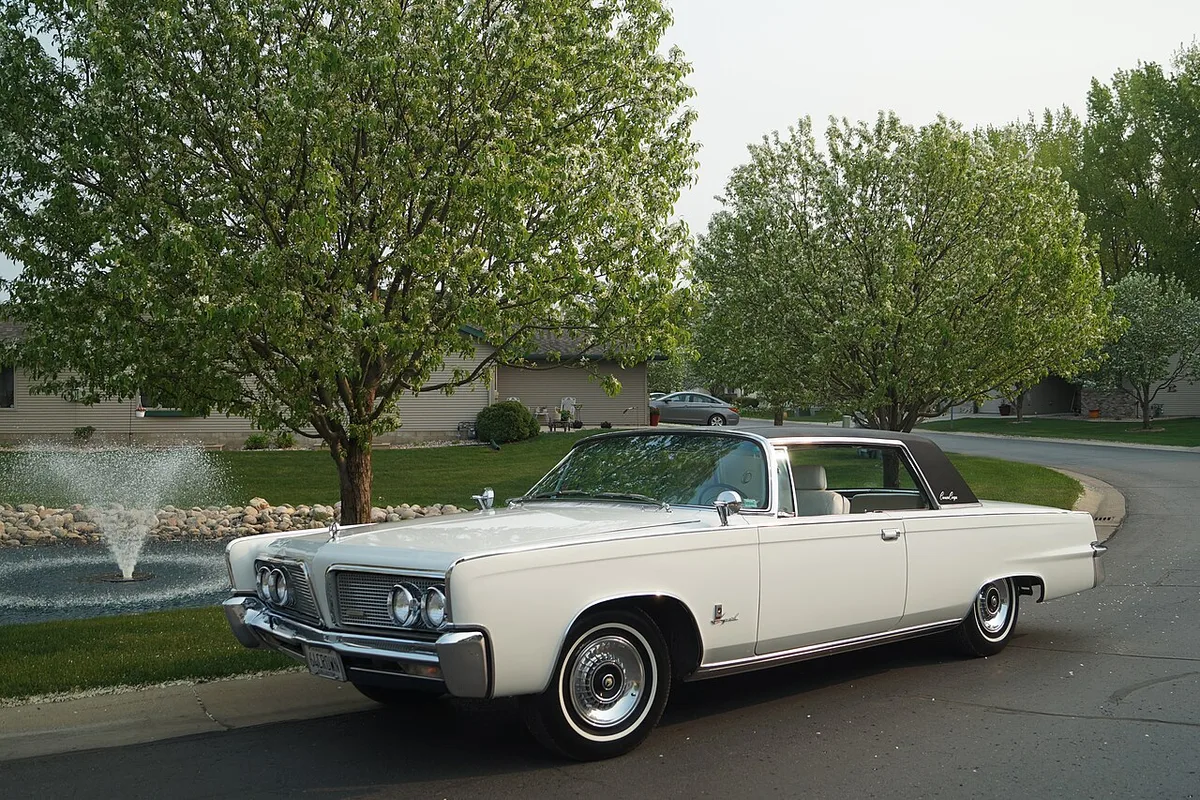 Friction and heat from a poorly chosen cover created these cracks on an automotive leather seat.
Image source: Wikimedia Commons / Greg Gjerdingen from Willmar, USA (CC BY)
Heated and Ventilated Seats Change the Equation
Factory heated and ventilated seats are standard on many vehicles and increasingly common even in mid-range trims. These features add a layer of complexity that many seat cover guides ignore.
Heated Seats and Covers
A breathable cotton or sheepskin cover lets most of the heat through, though it does dampen the effect slightly. Non-breathable covers — vinyl, neoprene, faux leather — trap heat directly against the leather. The seat's heating element works harder than designed, and the trapped heat bakes the leather.
The result: the leather dries out faster, and over a few seasons you may notice fading, cracking, or even heat damage to the seat foam. If you use heated seats regularly, choose only breathable materials.
Ventilated Seats and Covers
Ventilated seats pull air through the seat's perforated leather. A cover blocks that airflow entirely, defeating the feature's purpose. Every manufacturer that offers ventilated seats explicitly states in the owner's manual that covers should not be used. That caveat exists because the cover restricts airflow and can cause the perforated leather to hold moisture longer than normal.
Check your owner's manual for specific guidance on seat covers. The instruction applies to your exact vehicle — take it seriously.
If you rely on heated or ventilated seats in any season, consider whether a cover is worth disabling those features you paid for.
How to Choose a Leather-Safe Cover (Even on a Budget)
If your lifestyle genuinely requires a cover — long commutes with pets, frequent kids' spills, work-related mess — you have safe options. Here's a practical checklist.
Step 1: Test for Breathability
This is the simplest home test you can do. Hold the cover fabric up to your lips and blow through it. If you feel airflow, the material is breathable. If nothing passes, it's a moisture and heat trap. This single test eliminates most unsuitable covers instantly.
Step 2: Check the Backing
Flip the cover over. The side that contacts your leather is what matters. Smooth backing materials are acceptable. Rough, rubberized, or textured backing will abrade your leather over time, no matter how nice the top surface looks. Run your palm across the backing — if it catches or drags, reject the cover.
Step 3: Prioritize a Custom Fit
Custom-fit covers designed for your exact make and model minimize excess fabric, so there's nothing to bunch up and rub against the seat. They also tend to use higher quality materials and safer fasteners.
Well-designed universal covers with elasticized edges can work, but be honest about the fit. If the fabric wrinkles, sags, or shifts, it's only adding friction and stress to your leather. A poor fit undoes any benefit from good material.
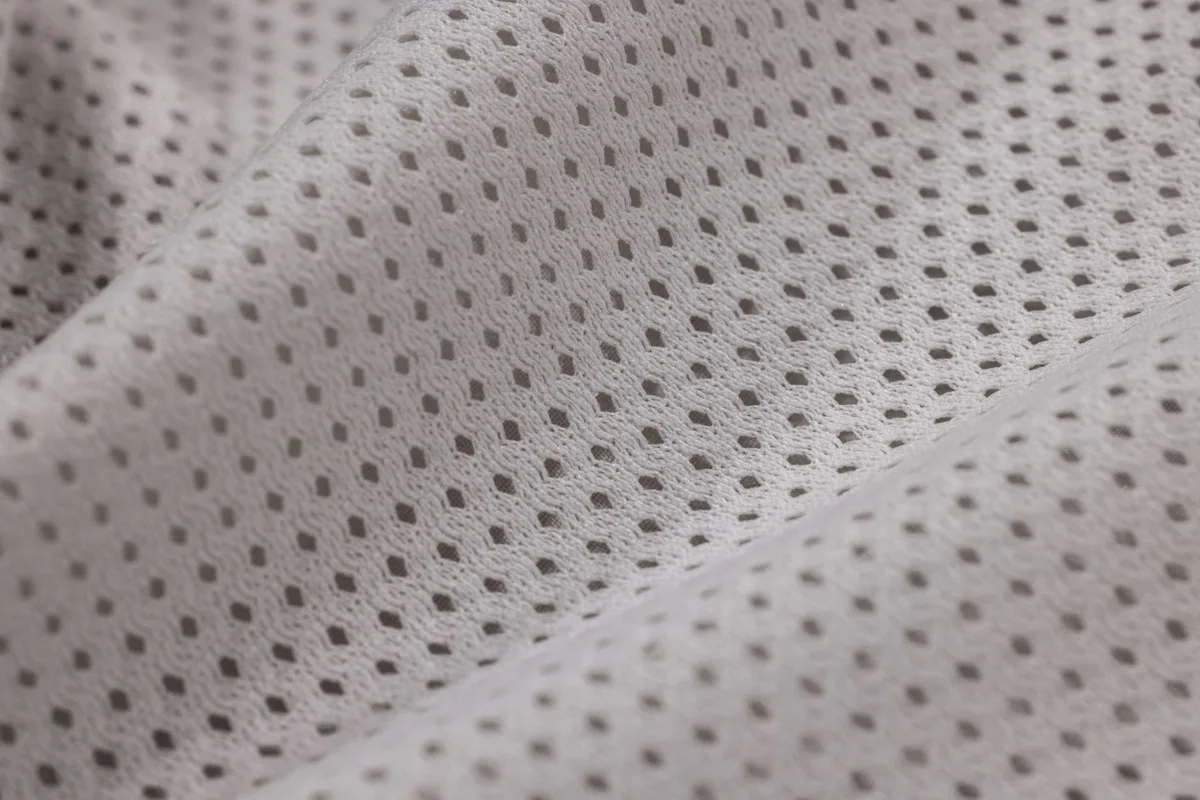 Breathable cotton and canvas covers allow air to flow through, holding less heat and moisture against the leather beneath.
Image source: Pexels / Engin Akyurt (Pexels License)
Step 4: Match the Material to Your Use Case
- Occasional pet transport: A washable, breathable cotton cover that you install only for those trips and remove afterward.
- Frequent kids' spills: A semi-custom, breathable-coated fabric (not vinyl) that you wipe clean and remove to air out.
- UV and fading concern: Address the sun directly with window tinting rather than covering the seat. This protects the entire interior — dashboard, plastics, and seats — not just the leather surface.
- No specific threat, just "nice to have": Skip the cover entirely. Clean and condition the leather instead.
Step 5: Install Without Installing Damage
Most covers attach with hooks, straps, or elastic. Hooks can snag and tear leather. Straps that wrap around the seat can leave permanent indentation marks on the sides and back of the seat over time. Elastic edges that are too tight create constant tension on the leather's edges.
When installing a cover, use only the softest attachment methods. Ensure nothing metal contacts the leather directly. And don't pull elastic too tight — a snug fit is enough.
A Simple Leather Maintenance Routine That Beats Most Covers
Seat covers are often a substitute for actual maintenance, but that's backwards. A leather seat treated properly resists spills, UV damage, and daily wear without needing a physical barrier.
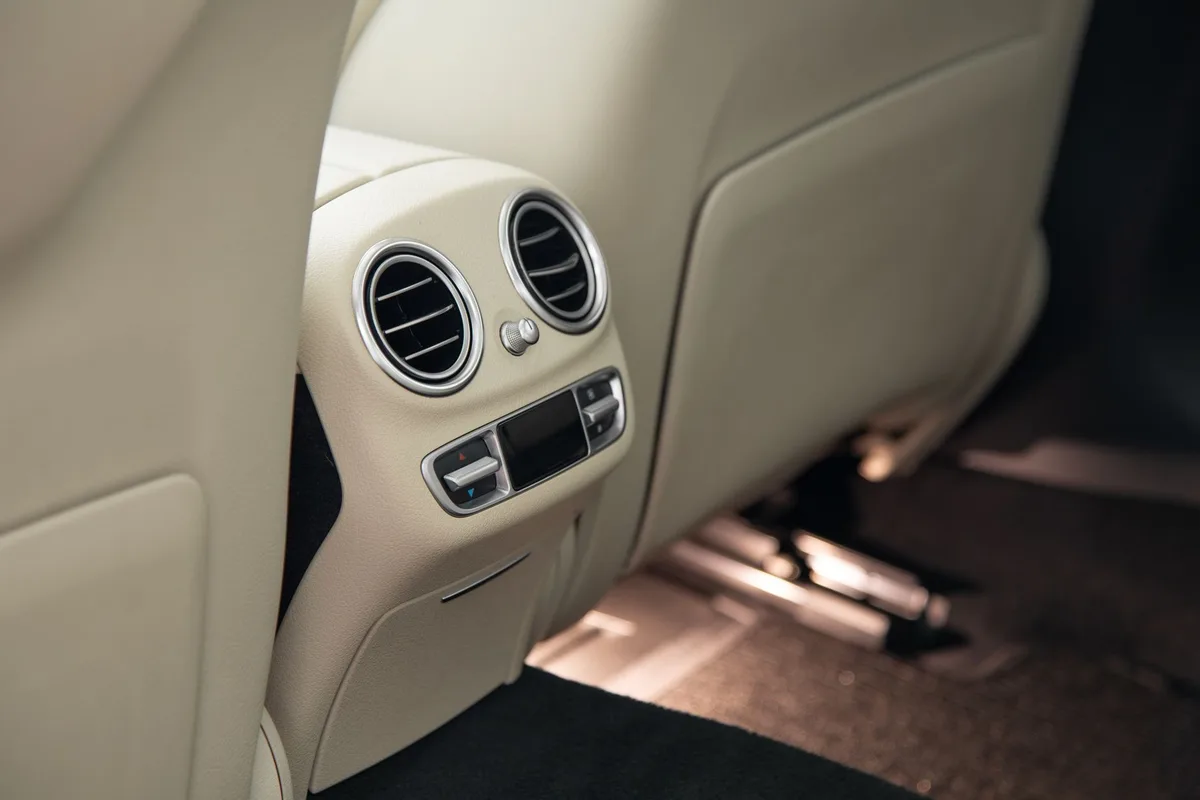 A proper cleaning and conditioning routine keeps leather supple and resistant to the daily wear that covers try to prevent.
Image source: Pexels / Ammy K (Pexels License)
The Monthly Minimum
- Vacuum the seats thoroughly — crumbs and grit act like sandpaper when you sit down.
- Wipe the leather with a pH-neutral leather cleaner and a microfiber cloth.
- Let it dry completely.
- Apply a quality leather conditioner with a clean applicator.
- Allow the conditioner to absorb for the recommended time before sitting on the seats.
This routine takes about 15 to 20 minutes and outperforms almost any seat cover at preserving your leather's condition. It also lets you spot early signs of damage — scratches, fading, or excessive wear — while they're still fixable.
Seasonal Deep Care
Twice a year, do a more thorough cleaning with an automotive leather-specific cleaner that's designed to work with factory-coated leather. Avoid the common pitfalls you'd encounter with cleaning car interiors effectively — using the right tools and technique matters as much as frequency.
Materials like denim can transfer dye to leather, especially when wet. Rubber mats and cargo liners can rub finish off the seat's side bolsters over time. Even a well-maintained leather seat can be damaged by habits you never think about, so stay vigilant.
2026 Leather Seat Cover Guidance: What'S Changed
The seat cover market in 2026 reflects growing awareness of how covers affect leather interiors. But that awareness also means you need to be more discerning about marketing claims.
Claims That Need Scrutiny
"Leather-safe" is not a regulated standard. Any manufacturer can print it. What actually matters is documented material testing and the specific construction of the cover. A manufacturer that can clearly explain why their cover is breathable and why the backing won't abrade leather is more trustworthy than one that simply slaps a label on the packaging.
Material Innovation
Newer breathable technical fabrics are appearing in premium covers. Some use layered constructions with a waterproof outer surface and a breathable inner layer — similar to what the outdoor industry uses in high-end rain gear. These can work well on leather, provided the backing remains smooth and soft.
Any cover with a genuine breathable membrane is a better choice than a solid waterproof layer. The membrane allows air circulation while blocking liquid. That's a meaningful improvement over older designs.
The Rise of Leather-Specific Conditioners
The conditioner market has shifted toward products designed specifically for factory-coated automotive leather. These formulations are pH-neutral and intentionally avoid essential oils or waxes that can sit on the surface rather than absorb. Using these modern conditioners is more effective than older generic leather treatments, and that's part of why regular care is increasingly the recommended alternative to covers.
When to Choose Alternatives Over a Seat Cover
Sometimes a seat cover is the wrong tool for the job. Here's what to use instead.
Window Tinting for UV Protection
If sun damage is your primary concern, nothing protects interior surfaces better than quality ceramic window tint. The National Highway Traffic Safety Administration publishes guidance on tinting laws and light transmission limits that vary by state (NHTSA window tinting information). Beyond UV protection, tint reduces cabin temperature dramatically, which preserves leather, dashboards, and trim alike.
Temporary Barriers for Specific Situations
For the occasional messy activity — moving a plant, transporting a muddy dog, hauling sports gear — a temporary waterproof blanket or mat that you remove immediately is far safer than a permanent seat cover. The key is the removal. Prolonged contact is what causes most cover damage, so temporary solutions eliminate that risk by design.
Your Own Cleaning Routine
This bears repeating: the best "cover" for your leather is a consistent maintenance routine. Higher-end leather conditioners and cleaners cost less than a quality custom seat cover and preserve the actual leather rather than merely hiding it.
Common Mistakes That Ruin Leather Seats
Whether you use a cover or not, these mistakes come up constantly. Avoid them and your leather will outlast the rest of the car's interior.
Assuming All Covers Are Safe
Not all covers are created equal. A cheap, generic cover might feel soft to the touch while its backing aggressively abrades your leather. Always inspect the material that contacts the seat, not just the visible surface. This is the single most common mistake we see, and it's also the easiest to avoid.
Neglecting the Leather Underneath
A cover is not a replacement for maintenance. Even a breathable cover reduces airflow, so the leather underneath still needs periodic cleaning and conditioning. Remove the cover at least monthly in the first few months you have it, and check the leather for any signs of scuffing or heat buildup.
Never Removing the Cover
Leaving a cover installed indefinitely is a slow-damage setup. Micro-moisture accumulates, heat gets trapped, and the leather gradually loses its natural oils. Even if nothing looks wrong at first, this process compounds over months. If you use a cover, make removal part of your routine.
Using Harsh Cleaners Through the Cover
Some owners clean the cover while it's still installed. That's fine for breathable fabrics, but harsh cleaning agents that soak through can strip the leather's finish or leave residue. Always remove the cover before cleaning, and treat the leather separately with suitable products.
Choosing Style Over Substance
A leather-look synthetic cover on leather seats is redundant and risky. The faux material traps heat and doesn't breathe. Your real leather would perform better on its own than under a fake leather cover.
Frequently Asked Questions
How long can I leave seat covers on leather seats?
No cover should stay installed indefinitely. The safest practice is removing covers at least monthly to let the leather breathe and to inspect for trapped moisture or friction marks. If you're using a cover for a specific situation like pet transport, remove it as soon as the situation ends.
Are sheepskin covers safe on leather seats?
Genuine sheepskin is one of the safest materials for leather seats. It breathes well, wicks moisture, and its soft fibers don't abrade. The risk comes from poor construction quality or ill-fitting covers that shift and rub. Buy from a reputable source and ensure the fit is snug. Also be aware that regular vacuuming is essential for keeping sheepskin hygienic.
Do covers affect heated seats?
Yes. A breathable cover reduces heat transfer slightly. A non-breathable cover traps heat against the leather, creating exactly the baking effect you want to avoid. If heated seats are important to you, the material choice matters almost as much as the cover itself.
Will a custom-fit cover always be safe?
Custom-fit covers minimize fit-related friction, which is a major advantage. However, material issues still apply. Always check that the backing is smooth and the fabric breathes, even with a custom fit. It's also worth removing any custom cover periodically to check the leather's condition.
Is it better to just not use a cover at all?
For most drivers, yes. If your car lives in a garage, you don't transport mess-causing items frequently, and you maintain the leather regularly, the simplest solution — no cover — is also the safest. Covers are worth considering only when specific risks like pets or kids present a genuine threat.
The Bottom Line
Car seat covers and leather seats can coexist, but only under specific conditions. Breathable materials, a genuinely snug fit, a smooth backing, and periodic removal are non-negotiable. Anything less — non-breathable vinyl or synthetics, universal covers that bunch up, covers installed permanently — risks damaging the very seats you meant to protect.
Here's a final summary of what to remember in 2026:
- Breathability is the single most important feature for any cover used on leather.
- Custom fit beats universal fit in almost every case.
- The backing material matters as much as the visible surface.
- Regular maintenance on the leather itself is more effective than any cover.
- Covers should be temporary or at least regularly removed, not permanent installations.
Conclusion
Seat covers can absolutely damage leather seats — but whether they do comes down to choices you control. Friction, trapped moisture, and heat buildup cause the vast majority of cover-related damage. Breathable fabrics, a proper fit, and covering only when needed reduce that risk substantially. For many owners, though, the better investment is a consistent cleaning and conditioning routine instead of adding an unnecessary layer over premium leather.
If you decide covers are right for your situation, start with a breathable custom-fit option, test the backing for smoothness, and commit to removing the cover regularly to maintain the leather underneath. Your seats will thank you years down the road.
Need to protect your leather but also keep your kids safe? Learn the correct way to install a car seat without compromising your interior. And if you're navigating family travel, knowing what to expect when renting a car with kids can save you both money and frustration.

Leave a Reply