
A car seat is one of the most important safety purchases you'll ever make for your child. So when you see a cute, plush cover promising to protect the seat from spills and stains, it's tempting to grab one. But here's the uncomfortable truth: most aftermarket car seat covers can compromise the very safety features that keep your baby protected in a crash.
This guide walks through exactly why car seat covers can be dangerous, what the manufacturers and safety agencies recommend, and when — if ever — a cover is a safe option.
The Bottom Line
Aftermarket car seat covers are generally not safe for babies unless they are explicitly approved by the car seat's manufacturer. A car seat is not just a plastic shell with a fabric cover — it is a precisely engineered safety device. Every component, from the harness webbing to the energy-absorbing foam, is designed to work together in a controlled way during a collision.
Adding a non-approved cover introduces an unknown variable. It can create slack in the harness, add bulk that misaligns straps, block essential buckles, or interfere with the seat's structural integrity. The safest approach? Use the car seat exactly as it came from the factory, and only add accessories that your car seat's manufacturer has tested and approved.
Why Car Seat Engineering Leaves No Room for Add-Ons
Think of a car seat as a piece of precision machinery rather than furniture. Manufacturers spend millions on research, development, and crash testing to make sure each seat meets strict federal safety standards. That testing covers every element of the seat — not just the shell, but the harness, buckles, padding, and even the fabric.
The Harness System
The harness is your child's lifeline in a crash. Its webbing has a specific breaking strength and stretch factor designed to hold your child securely while absorbing impact forces. The harness slots are positioned at exact heights for different stages of your child's growth. Any cover that adds material between the harness and your child, or shifts the harness path, changes how those forces transfer through the system.
Energy-Absorbing Materials
The foam inside a car seat is not ordinary cushioning. It's engineered to crush and compress in a controlled way, dissipating crash energy away from your child's body. If a thick, non-approved cover presses against this foam, it can prevent the foam from doing its job when it matters most. The same goes for the plastic shell underneath — it's designed to flex and absorb forces, and added bulk can restrict that movement.
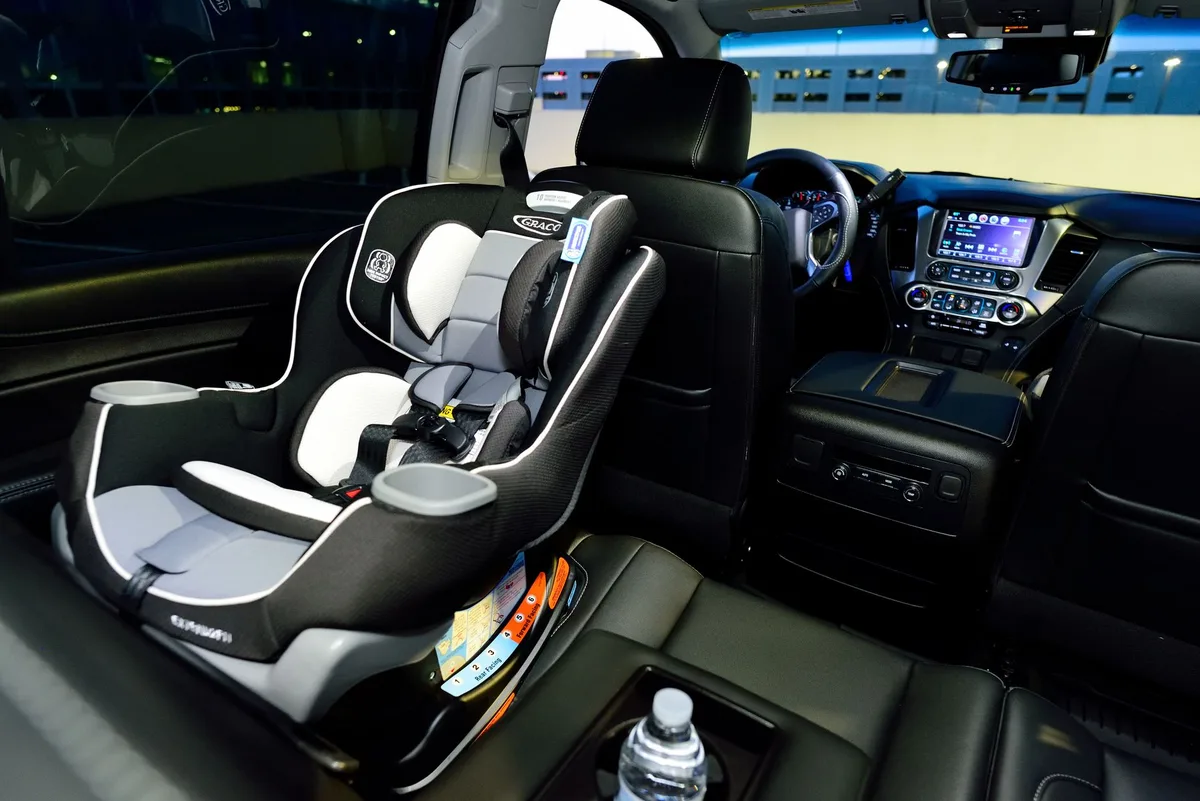
Inspecting a car seat before installation is the first step in keeping your baby safe on the road.
Image source: Pexels / Lee Salem (Pexels License)
How Aftermarket Covers Create Real Risks
It's easy to assume a cover is just a harmless layer of fabric. But in a crash, fractions of an inch and seconds matter. Here's what can actually go wrong.
Slack in the Harness
The number one danger is harness slack. A thick cover adds padding between your child's body and the straps, making it nearly impossible to tighten the harness properly. In a frontal collision, that slack allows your child to move forward violently before the straps catch — increasing the risk of hitting the seat structure or suffering more severe injuries from the abrupt stop.
Compressing the Safety Foam
A snug-fitting cover might feel secure, but that snugness can compress the energy-absorbing foam beneath it. Once compressed, the foam can't crush and absorb energy the way it was tested to. This turns a critical safety feature into a stiff, ineffective barrier.
Blocking Buckles and LATCH Connectors
Some covers wrap over the crotch buckle or the LATCH belt path, making it harder to buckle your child in or install the seat correctly. If you have to fight with a cover to get the straps tight or the buckles clicked, something is wrong. Safety should never feel like a struggle.
Side Airbag Interference
If your vehicle has side airbags, a bulky cover can change the way the car seat interacts with the airbag deployment zone. Covers that add significant padding to the sides of the seat can push it closer to the airbag or alter the airbag's path. This is a poorly understood risk, but it's one of the reasons manufacturers warn against adding anything not tested with their specific seat.
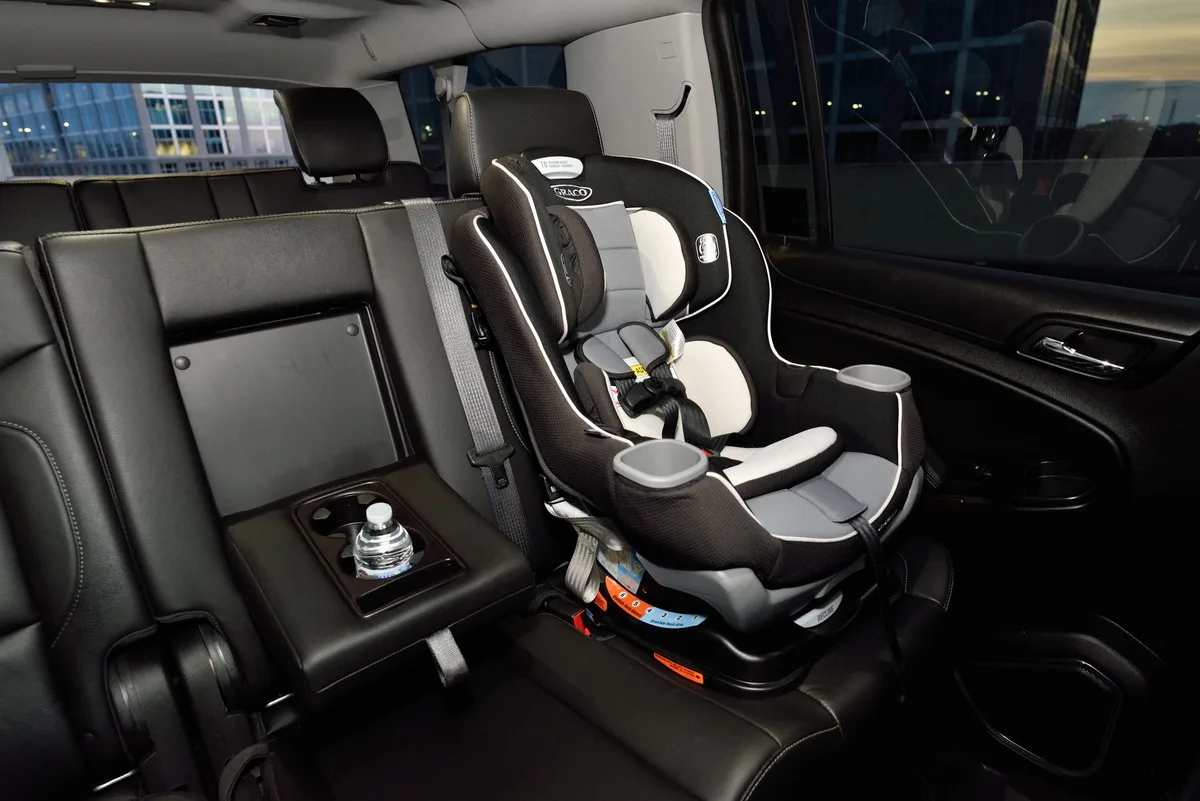
Excess padding under the harness straps can create dangerous slack, even when the straps feel tight.
Image source: Pexels / Lee Salem (Pexels License)
What Car Seat Manufacturers Actually Say
Car seat manuals are not optional reading — they are safety documents. Nearly every major brand, from Chicco to Graco to Britax, includes a warning about aftermarket accessories. The language is typically similar:
"Do not use any aftermarket products not manufactured or approved by [Brand Name]. These products have not been tested with this car seat and could interfere with its safety performance."
That warning is not boilerplate. It exists because manufacturers have tested what happens when third-party products are added — and the results are rarely positive. Their testing shows that even seemingly minor additions can alter harness positioning, change the seat's angle, or interfere with its structural behavior in a crash.
Some manufacturers go further and specify that only their own inserts, pads, and covers should be used. For example, newborn inserts provided by the manufacturer are crash-tested as part of the seat system. A non-approved "newborn insert" from a third party can change the harness angle or add too much bulk for a small infant.
What NHTSA and the AAP Recommend
The National Highway Traffic Safety Administration (NHTSA) is the U.S. government agency responsible for vehicle safety standards. Its guidance is unambiguous: use only accessories that come with your car seat or are explicitly approved by the car seat manufacturer. NHTSA warns that aftermarket products could interfere with the harness or damage the seat, and that using them can void the seat's safety certification.
The American Academy of Pediatrics reinforces this stance. They advise parents to avoid any products that were not included with the seat or approved by the manufacturer, noting that these items haven't undergone compatibility testing. When you're making a decision about your child's safety, following the guidance of the agency that sets federal crash standards and the professional body that represents pediatricians is the right call.
When Can a Cover Be Safe?
There is a narrow set of circumstances where a cover is safe: when it comes from your car seat's manufacturer and is designed specifically for your model. If you want extra protection against spills or a warmer layer for winter, check your car seat brand's official accessory list first.
What Manufacturer-Approved Accessories Look Like
- Model-specific: They are designed to match your exact seat, with harness slots, buckle openings, and LATCH access built in.
- Crash-tested: They undergo the same rigorous testing as the seat itself.
- Documented: They're listed in your manual or on the manufacturer's website as approved add-ons.
Winter covers are a common example. Many brands sell weather-proof covers that fit over the entire seat, which have been tested to ensure they don't affect harness fit or seat angles. These are safe to use. The same cover made by a third party with no testing? Not so much.
Material and Breathability
Even with approved covers, material matters. Babies have a harder time regulating their body temperature than adults. A non-breathable cover can trap heat and moisture, increasing the risk of overheating. If you're in a warm climate, look for breathable fabric options that allow airflow while still protecting the seat. Cotton, bamboo, and other natural fibers are better choices than synthetic, plastic-backed materials.
The original article mentioned concerns about flame-retardant chemicals. While some consumers prefer to avoid certain treatments, manufacturer-approved covers must meet federal flammability standards, and reputable brands formulate their materials to balance safety with reduced chemical exposure.
Design That Protects, Not Harms
A safe cover — approved or otherwise — should never require you to:
- Remove the seat's original padding or harness.
- Thread straps through extra layers.
- Fight to access the buckle or LATCH connectors.
- Accept a compromise in how snugly the harness fits.
If any of those things happen, the cover is not safe for your seat, full stop.
The Problem with "Universal Fit" Covers
"Universal fit" sounds convenient, but car seats are anything but universal. Infant seats, convertible models change shape dramatically as they transform from rear-facing to forward-facing, and booster seats have entirely different geometries. Even within the same category, seats from different brands have different harness systems, shell contours, and recline angles.
A cover with claims about universal sizing cannot possibly account for all these variations. For a cover to be safe, it must fit the specific dimensions and safety features of the seat it's used with. Universal covers, by definition, can't guarantee that. It's a red flag in itself when a manufacturer claims one product fits every car seat on the market.
When You Should Skip a Cover Entirely
There are situations where the safest choice is no cover at all — even a manufacturer-approved one.
- Newborns and premature infants. Their small size makes proper harness fit absolutely critical. Any extra material, no matter how well-designed, can alter that fit. Manufacturer newborn inserts are tested for this purpose, but once those are in place, adding another layer is risky. If you're wondering about phasing out the newborn insert, follow your manual's height and weight guidelines.
- Very hot climates. If heat is your concern, skip the full cover and use a window sunshade instead. Keeping the car cool is far more effective than wrapping the seat in fabric.
- When in doubt. If you can't find explicit confirmation that a cover is approved for your specific seat model, don't use it. The peace of mind that comes from an uncompromised safety seat is worth more than any aesthetic upgrade.
Real-World Checks After Adding a Cover
If you do use a manufacturer-approved cover, you still need to verify everything is working correctly. These checks take about two minutes and should become part of your routine.
The Pinch Test
After buckling your child in, try to pinch the harness webbing at the collarbone between your thumb and forefinger. If you can pinch any slack, the harness is too loose. Tighten it until the webbing feels snug with no fold or gap. A cover should never make this test harder to pass. If it does, the cover is altering the fit — and that's a dealbreaker.
Temperature Monitoring
Check your baby's chest or the back of their neck regularly. If they feel sweaty or their skin is hot, remove a layer. If they feel cold, add a thin blanket over the harness (never under it). Covers designed for warmth should be used with care, and always removed when the car warms up. Babies can overheat quickly, especially during sleep, and this risk increases with insulative covers.
Checking the harness strap height ensures it sits at the right level for your child's current stage.
Image source: Pexels / Wijs (Wise) (Pexels License)
Red Flags: Signs a Cover Is Not Safe
Watch for these warning signs when evaluating any car seat cover:
- It requires removing or altering the seat's original padding or harness.
- It blocks or covers the harness slots, buckle, or LATCH connectors.
- It adds significant bulk that makes a snug harness fit difficult.
- It doesn't explicitly state compatibility with your specific seat model.
- It's not listed in your car seat's owner's manual or on the manufacturer's website.
- It attaches with straps or buckles that press against your child's body.
- It's sold as "universal" or "one size fits all."
If you see any of these, the product is not safe for your baby. Period.
Also consider practical factors beyond safety. Many parents wonder about whether covers can come off for cleaning, and whether a cover could leave scratches on leather trim in your vehicle. These are legitimate buyer considerations, but they take a backseat to crash safety — a cover that looks great and cleans easily isn't worth a compromised harness.
And before you install anything, make sure you're securing the seat correctly in the first place. A properly installed seat with no extra accessories beats a perfectly decorated seat that was installed wrong.
Frequently Asked Questions
Are car seat covers safe for newborns?
Generally, no. Newborns require an exact harness fit, and any extra material can create slack or misalign straps. Manufacturer-provided newborn inserts are crash-tested and safe. Third-party covers designed for newborns have not been tested with your seat and can interfere with the harness system.
Can I use an aftermarket cover with a side airbag?
It's risky. A bulky cover can alter the car seat's position relative to the side airbag deployment zone. No aftermarket cover has been tested for airbag interaction with your specific seat and vehicle. Keep side airbag clearance in mind and stick to manufacturer-approved accessories.
Are any aftermarket car seat covers safe?
Only those explicitly approved by your car seat's manufacturer for your specific model. Some brands sell their own accessories, which are crash-tested with the seat. Covers from third-party brands that claim compatibility may fit, but they haven't undergone the same testing and aren't safe.
How do I know if a car seat cover is approved for my seat?
Check your car seat's manual and the manufacturer's official website. Look for model-specific accessory listings. If a product isn't listed there, it's not approved. You can also contact the manufacturer's customer service line to confirm before purchasing.
Can a car seat cover cause overheating?
Yes. Babies regulate temperature less effectively than adults, and non-breathable covers can trap heat and moisture. This increases the risk of overheating, which is linked to sleep-related health issues. Use breathable fabrics, monitor your baby's temperature, and remove extra layers when the car warms up.
What should I do if I already bought a non-approved cover?
Stop using it and keep the receipt. Many retailers accept returns on unused car seat accessories, especially if you explain the safety concern. Some brands even offer recycling programs for unwanted car seat products. If you can't return it, consider repurposing it as a stroller pad — just keep it away from your car seat.
Conclusion
The short answer to "Are car seat covers safe for babies?" is that most are not — unless they are explicitly approved by your car seat's manufacturer. A car seat is a precisely engineered safety device, and every layer you add that wasn't part of the original design introduces risk. The harness, the foam, the shell, and the buckles all work together in ways that aftermarket covers simply don't account for.
Your best move? Keep your car seat as close to factory condition as possible. If you need extra protection from spills or weather, look for accessories that your seat's manufacturer has tested and approved. If you're ever unsure about a product, err on the side of caution and leave it off. Before you make any purchase decision, check your car seat's manual first — that 30 seconds could make all the difference in a crash.

Leave a Reply