
Getting those hard-to-reach spots under your car seats can feel like wrestling with a grumpy badger. Most standard vacuuming leaves a lot of dust, crumbs, and mystery gunk behind, making your car feel less than clean. If you've ever found yourself contorting your body or using strange tools just to tackle this one area, you're not alone.
Effectively vacuuming under car seats is a common challenge for vehicle owners. While many vacuums offer powerful suction, their bulky heads and short nozzles aren't designed for the tight confines of a car interior. Our research indicates that effective cleaning in these spaces often requires specific attachments and a methodical approach, not just brute force.
Quick Answer
To vacuum under car seats effectively, you need the right tools, primarily a vacuum with specialized attachments like a crevice tool and possibly an extension wand. Start by removing loose items, then use these attachments to reach into tight spaces along seat rails and the floor. Agitate embedded debris with a brush attachment before final suctioning.
This targeted approach ensures thorough removal of dust, crumbs, and debris that standard vacuuming misses.
Why Getting Under Car Seats Matters
Sure, it's easy to grab the main floor mats and give them a quick once-over. But the real dirt, the stuff that grinds into your carpet and builds up over time, is almost always hiding right under those seat rails. This is where crumbs from snacks, pet hair that’s worked its way down, and fine dust particles tend to accumulate.
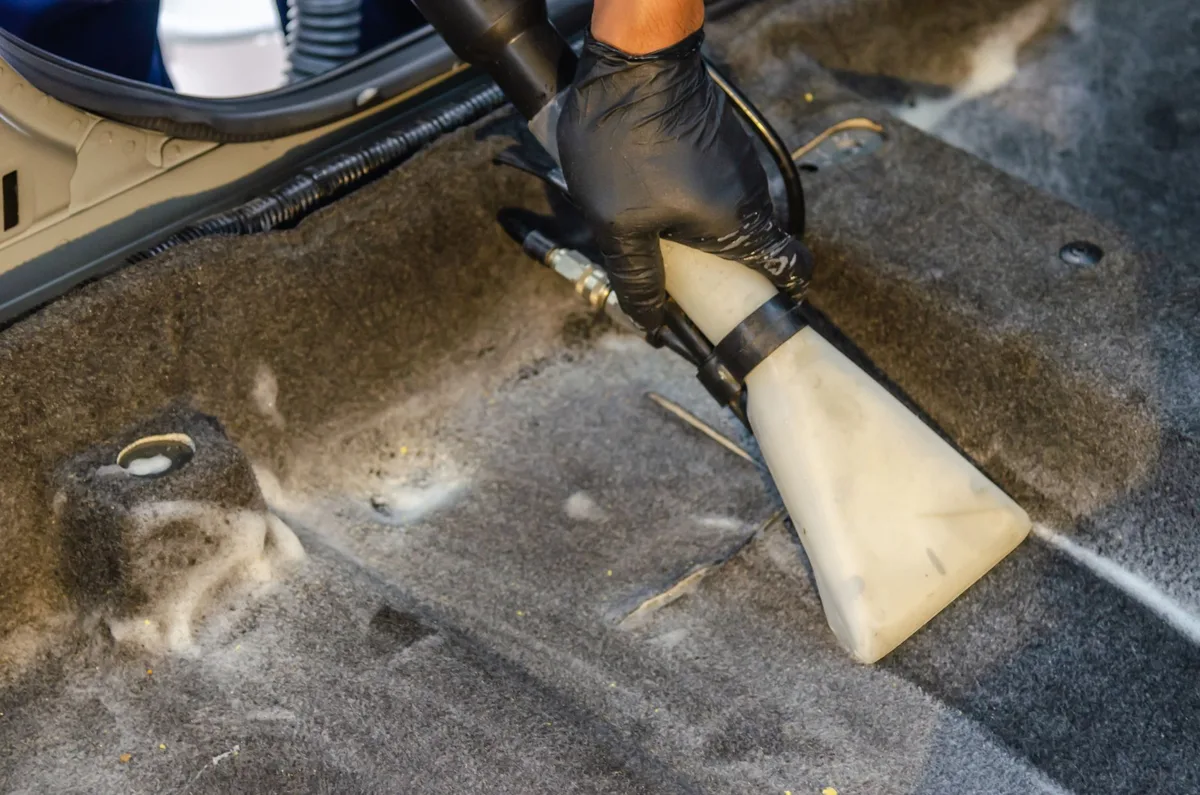
Image source: Pexels / Khunkorn Laowisit (Pexels License)
Leaving these areas untouched isn't just an aesthetic issue. Over time, this build-up can degrade your car's carpet and upholstery. It can also contribute to unpleasant odors and can even be a source of allergens circulating in your car's cabin. According to the EPA’s guidance on indoor air quality, regular removal of dust and allergens from confined spaces is a key factor in maintaining healthy air, and the same principle applies to your vehicle's cabin.
For anyone concerned with their vehicle's overall hygiene and condition, effectively cleaning under the seats is a non-negotiable step in any decent car cleaning routine. Regular cleaning also helps preserve the resale value of your vehicle, which is a factor for many car owners.
Essential Tools for the Job
Tackling the confined spaces under car seats means you can't just grab any old vacuum cleaner. You need tools that can maneuver where your hands can't easily reach and power through the embedded debris. Think of it like trying to clean out a narrow pipe; you wouldn't use a shovel, right?
Vacuum Cleaners: The Main Gigs
The heart of the operation is your vacuum cleaner itself. Power and versatility are key. Most household vacuums can technically work, but specialized car vacuums or standard vacuums with good car-specific attachments often perform best.
Corded vs. Cordless Car Vacuums
When you're looking at vacuums for car use, you'll see both corded and cordless models. Corded vacuums typically offer more consistent, powerful suction, which can be great for a deep clean. You don't have to worry about running out of battery mid-session.
However, you're limited by the length of the cord and the proximity of a power outlet, which can be a hassle if you're not near a garage or don't have an extension cord.
Cordless vacuums offer incredible freedom and portability. They’re perfect for quick touch-ups or detailing in places without easy power access. Battery life has improved dramatically in recent years, with many models offering 20-30 minutes of runtime on a single charge, which is usually enough for a thorough under-seat clean.
Just be mindful of the battery level, especially for longer detailing sessions. For serious car cleaning enthusiasts, having both might even be an option, or opting for a powerful cordless model with interchangeable batteries.
Comparison: Which Vacuum Fits Your Needs?
| Feature | Corded Vacuum | Cordless Vacuum | Shop Vac |
|---|---|---|---|
| Suction Power | High and consistent | Good, but can drop | Very high |
| Portability | Limited by cord | Excellent | Moderate (needs outlet) |
| Runtime | Unlimited | 20-30 min typical | Unlimited |
| Best For | Deep cleans at home | Quick touch-ups anywhere | Heavy-duty messy jobs |
| Attachments | Varies, often basic | Varies, many car kits | Often includes crevice tools |
Must-Have Vacuum Attachments
This is where the magic happens. Standard vacuum nozzles are often too wide and too short to get under car seats effectively. You need specific attachments designed to reach into tight spaces and dislodge stubborn debris.
Crevice Tools for Tight Spots
A crevice tool is your best friend for under-seat cleaning. These are long, narrow, and often flattened attachments that are specifically designed to get into the thin gaps and corners where dirt loves to hide. They’re perfect for working along the seat rails, around seat adjustment levers, and into the edges where the seat meets the carpet.
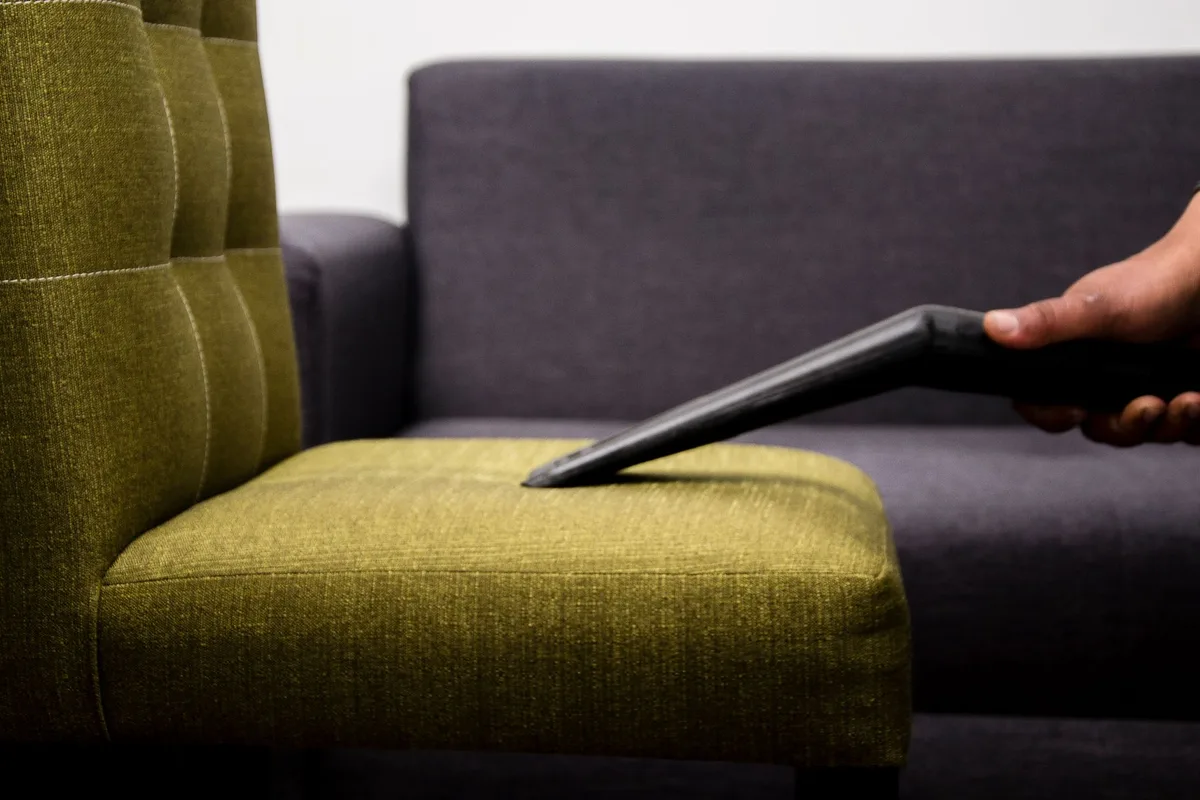
Image source: Pexels / Jesus Arias (Pexels License)
Brush Attachments for Agitation
For tougher jobs, like embedded pet hair or caked-on dirt, a brush attachment is essential. These attachments have bristles that help to agitate the carpet fibers, loosening debris so the vacuum can suck it up more easily. Some brush attachments are softer, designed for delicate surfaces, while others are firmer, for more aggressive cleaning.
When vacuuming under seats, you’ll want a brush that can get into the carpet’s weave without damaging it.
Extension Wands for Reach
Sometimes, even with a crevice tool, you might need a little extra length to comfortably reach the furthest points under the seat. An extension wand screws onto your vacuum’s hose and adds valuable inches to your reach. This can save your back and knees, allowing you to work more efficiently and thoroughly without awkward stretching.
Many vacuum systems offer these as optional accessories.
Getting Ready to Vacuum Under Seats
Before you even turn on the vacuum, a little preparation goes a long way. Rushing this step often means you’ll be vacuuming over the same spot multiple times or, worse, pushing dirt around instead of removing it. A clean slate makes the actual vacuuming process far more effective.
Decluttering Your Car Interior
First things first, empty everything out from under and around the seats. This includes floor mats, stray items, trash, and any personal belongings. You might be surprised at what you find hiding back there, old receipts, snack wrappers, coins, and various bits of debris.
Removing these items prevents them from blocking your vacuum's path or getting sucked up unnecessarily. It also gives you a clear view of the entire area you need to clean.
For floor mats, it's best to take them out of the car entirely. This allows you to vacuum them separately and more thoroughly, and also gives you better access to the carpet underneath. Give them a good shake outside to dislodge loose dirt before you start vacuuming the car's main carpet.
Moving Your Car Seats (If Possible)
If your car seats slide forward and backward on rails, this is a game-changer. Most modern cars offer seat adjustability that allows you to slide the entire seat forward to access the furthest reaches of the floor space behind it, or backward to get at the area closer to the pedals. Experiment with your seat's adjustment levers to find the positions that open up the most accessible cleaning space.
You might need to push the seat all the way forward to really get at the rear floor area, and then pull it all the way back to clean the carpet where it originally sat. Taking the time to find the optimal seat positions will make reaching all the nooks and crannies much easier. Be careful not to snag any wires that might be present under the seat when you move the seat.
The Step-by-Step Guide to Vacuuming Under Car Seats
Now that your car is prepped and you've got your tools ready, it's time to get down to business. This process isn't complicated, but it requires patience and a bit of methodical movement. The goal is to systematically cover every inch of space under the seats.
Targeting Seat Rails and Mechanisms
Start by using your crevice tool or a narrow vacuum nozzle to focus on the immediate area around the seat rails. These metal tracks can trap a lot of fine dust and debris. Work the tool back and forth along the length of the rails, paying attention to the screws and any other anchor points.
Next, move to the seat adjustment levers and mechanisms. These areas often have nooks and crannies where dirt can accumulate. Gently guide your crevice tool around these parts, being careful not to snag or damage any plastic components.
If your vacuum has a small brush attachment, this can be useful here too for gently dislodging dust from textured surfaces.
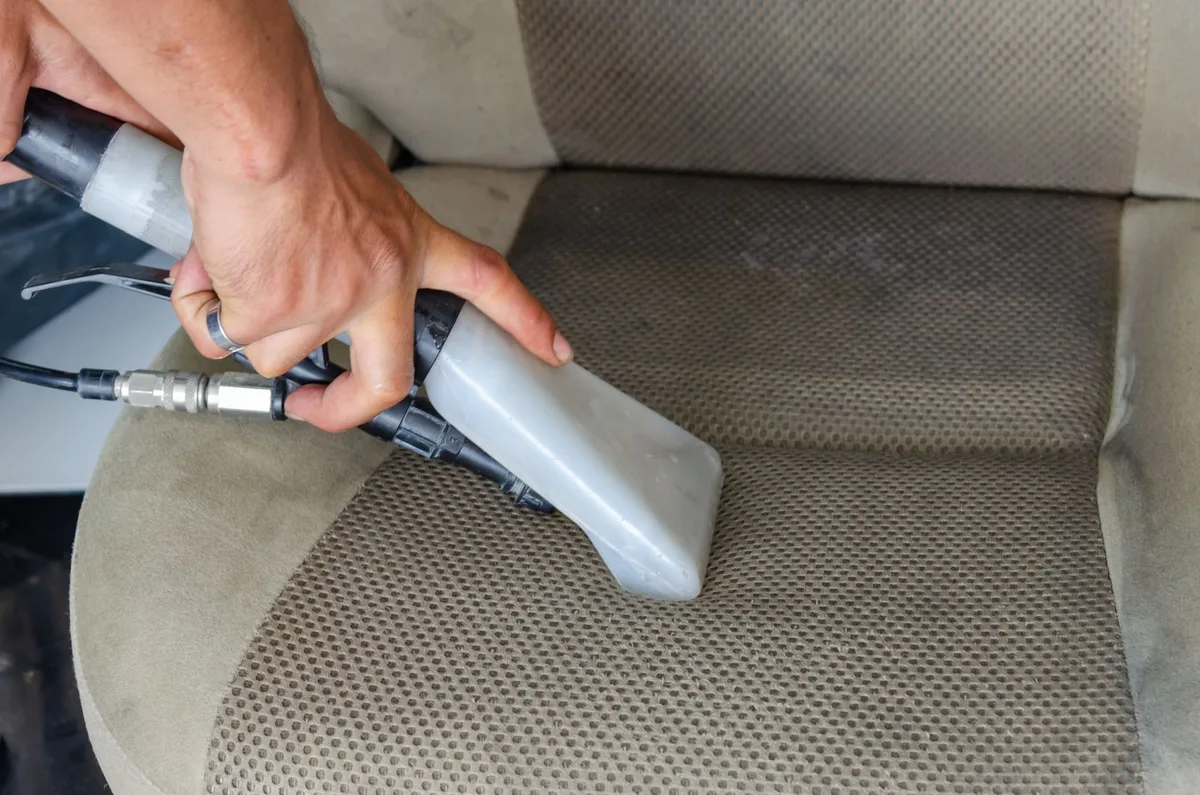
Image source: Pexels / Khunkorn Laowisit (Pexels License)
Navigating the Floor Area
Once the immediate rail and mechanism areas are addressed, turn your attention to the main floor carpet underneath. Use your crevice tool or a standard floor attachment with an extension wand to cover the entire floor space between the rails. Work in a consistent pattern, overlapping your strokes slightly to ensure you don't miss any spots.
If you encounter any larger debris, like gravel or a significant crumb pile, use the vacuum’s main nozzle first to pick up the bulk of it. Then, go back with the crevice tool to get any particles that remain embedded in the carpet fibers or along the edges. For persistent pet hair or ground-in dirt, employ a brush attachment to agitate the carpet fibers, then vacuum again.
Tackling Hidden Corners and Gaps
The absolute hardest spots to reach are often the corners where the floor carpet meets the car's body or the base of the center console. These are prime locations for dust bunnies and forgotten spills to settle. This is where a flexible crevice tool or an extension wand becomes crucial.
You might need to try different angles and approaches to get into these very tight spaces. Gently maneuvering the vacuum attachment will help loosen and capture the accumulated dirt. Don't be afraid to spend an extra moment or two on these challenging areas; it makes a noticeable difference in the overall cleanliness.
Common Mistakes When Vacuuming Under Seats
You’ve got the tools, you know the steps, but you can still end up with a less-than-perfect result if you’re not careful. Many common errors come down to rushing or not using the equipment to its full potential. Avoiding these pitfalls will ensure your efforts actually pay off.
Rushing the Process
This is perhaps the biggest mistake. Vacuuming under car seats effectively takes time. If you try to do it too quickly, you'll inevitably miss spots, particularly in those hard-to-reach crevices. You might just skim over the surface, leaving embedded dirt and dust behind. Instead, commit to a slower, more deliberate pace.
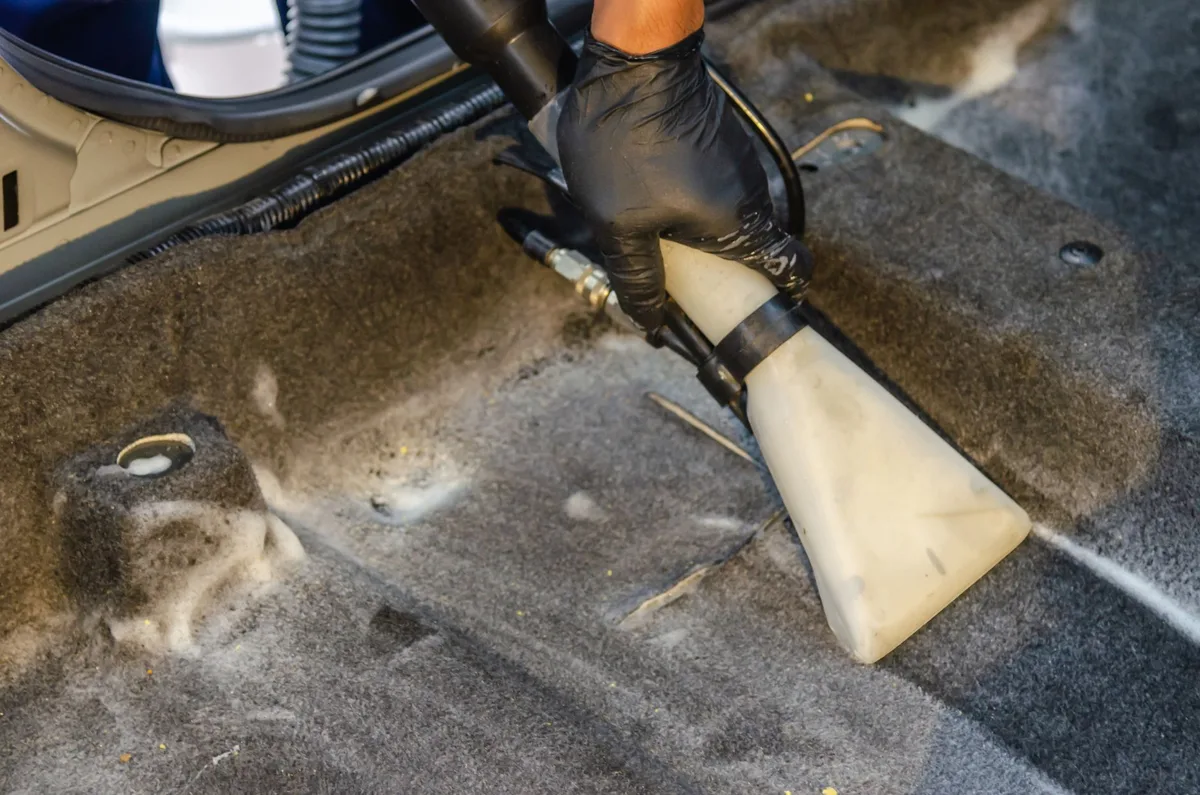
Image source: Pexels / Khunkorn Laowisit (Pexels License)
Using the Wrong Attachments
Trying to clean under the seats with just a standard wide vacuum head is like trying to paint a tiny model with a house-painting brush. It’s inefficient and ineffective. If your vacuum doesn't come with specialized attachments like a crevice tool or a narrow brush, you’re setting yourself up for frustration.
Without the right tools, you simply can't access many of the areas that collect the most dirt.
Ignoring Obstacles Like Wiring
Under car seats, especially in modern vehicles, there can be wiring looms for seat adjusters, heating elements, and safety sensors. While most are well-protected, it's easy to snag or damage them with a powerful vacuum attachment if you're not paying attention. Always look before you vacuum. If you see any wires or electronic components, carefully maneuver your vacuum attachment around them.
Deeper Cleaning Strategies
Want to take your under-seat vacuuming from good to great? A few extra steps and considerations can make all the difference. These are the sorts of things that seasoned detailers know, but aren't always obvious to the casual cleaner.
Consider a Flexible Crevice Tool: Some crevice tools are rigid, while others have a degree of flexibility. A flexible one can be a lifesaver for maneuvering around pipes, mounts, and the often uneven contours found beneath car seats.
Use Your Vacuum's Blower Function (if available): Some car vacuums have a reverse switch or a separate blower port. If yours does, you can use this feature to blast dust and debris out of extremely tight crevices before vacuuming them up. This is especially useful for kicking up stubborn, fine dust.
Pre-Treat Stubborn Stains: If there are dried-on spills or stains on the carpet under the seat, it might be worth considering a targeted spot cleaner. Apply it sparingly, let it dwell for a few minutes as per the product instructions, and then vacuum it up along with the loosened dirt. Always test spot treatments in an inconspicuous area first.
Vacuum Floor Mats Separately and Thoroughly: While not strictly "under the seats," dirty floor mats can make the whole car look untidy. Take them out, give them a good beating outside, then vacuum them deeply. If they’re rubber or all-weather mats, a quick rinse and air dry might be all they need.
Empty Your Vacuum's Dustbin Often: A full dustbin drastically reduces suction power. If you're doing a thorough clean, check and empty your vacuum's container or bag multiple times. This ensures you maintain maximum power throughout the entire job.
Follow Manufacturer Instructions: For specific vacuum models, always refer to the owner's manual. It’ll detail optimal usage, maintenance, and the intended purpose of different attachments, ensuring you get the best performance and longevity from your tool. In 2026, most reputable vacuum manufacturers continue to emphasize user-manual consultation for best practices.
Choosing the Right Vacuum For Your Needs
If you're in the market for a new vacuum specifically for car detailing, consider these buying factors. Your choice should balance power, portability, and the attachments that matter most for under-seat work.
Battery Life and Charging
For cordless models, look beyond the advertised runtime. Consider the charging time and whether the battery is replaceable. A common mistake is choosing a model with a long advertised runtime, only to find the battery degrades quickly over time. Interchangeable batteries can extend the life of your vacuum significantly.
Filtration Systems
While you're vacuuming up visible debris, you also want to trap fine dust particles. A vacuum with a HEPA filter will capture allergens more effectively than a basic filter. This is a particularly important consideration for anyone with allergies or asthma. Clean air from the vacuum's exhaust is also a bonus for car interiors, as you won't be blowing dust back onto the surfaces you've just cleaned.
Weight and Ergonomics
You'll be holding the vacuum or its hose for 15-30 minutes. A heavier unit can quickly become tiring, especially when you're reaching into low, awkward positions. Look for a vacuum that feels balanced in your hand, not just one that's light on the spec sheet. A well-designed handle and a comfortable grip make a significant difference in the real world.
Keeping Your Car Interior Fresh: Beyond Vacuuming
Vacuuming is a crucial part of keeping your car’s interior clean, but it’s just one piece of the puzzle. For a truly fresh and well-maintained vehicle, consider these additional tips. Think of it as a holistic approach to car care.
Regularly Clean Surfaces: Other surfaces in your car, like the dashboard, door panels, and steering wheel, collect dust and grime too. Use appropriate interior cleaners and microfiber cloths to wipe them down regularly. This prevents dust from settling back onto the floor.
Address Spills Immediately: The best way to deal with car interior spills is to act fast. Blot up liquids immediately with a clean cloth or paper towel to prevent them from soaking into the carpet or upholstery. Dried-on stains are much harder to remove.
Manage Pet Hair: If you have pets that ride in your car, pet hair can be a constant battle. Besides vacuuming, consider using specialized pet hair removal tools, like grooming gloves or rubber brushes, on seats and carpets before you vacuum. This helps to aggregate the hair for easier collection.
Use Interior Protectants: After cleaning, applying an interior protectant can help shield surfaces from UV damage and make them easier to clean in the future. These products can also give your dashboard and plastic trim a refreshed look.
Consider Air Fresheners or Odor Eliminators: If lingering odors are an issue, especially after cleaning, a good air freshener or an odor eliminator can help. Some are simple sprays, while others are designed to neutralize odors rather than just mask them.
Common Questions About Vacuuming Car Seats
Got more questions about tackling those tough spots under your car seats? Here are some of the most frequently asked things people want to know.
How often should I vacuum under my car seats?
This really depends on how much you use your car and what conditions it’s exposed to. For most drivers, a thorough vacuuming of under the seats about once a month is a good general guideline. If you have kids who eat in the car, pets that shed, or live in a dusty environment, you might need to do it more frequently, perhaps every two to four weeks.
Can I use a shop vac for under seat cleaning?
Yes, absolutely! A shop vac is often ideal because they are designed for messier jobs and usually have powerful suction. Most importantly, they typically come with a variety of attachments, including long crevice tools and brush heads, which are perfect for the job.
Just be sure to clean out the shop vac’s canister afterward.
What if I have very deep seats that are hard to reach?
If your car seats are exceptionally deep or have a complex design that makes reaching the furthest points difficult even with attachments, consider using an extension wand. Some vacuums also have flexible wands or hoses that can help snake into very tight, awkward spaces. For extreme cases, you might need to look for a specialized long-reach car vacuum attachment.
Do I need to worry about wires under the seats?
Yes, you should always be cautious of wires and electrical components located beneath the car seats. These can power seat adjustments, airbags, seat heaters, and other systems. While they are usually protected, it's easy to snag or damage them with a vacuum.
Always visually inspect the area and proceed with caution, using gentle movements. If you're unsure about specific components, it's best to consult your car's owner's manual for more detailed information on its internal systems.
How can I ensure I don't trip or fall?
If you’re using a corded vacuum, keep the power cord organized and out of your immediate workspace. Don't let it trail across areas where you'll be stepping or crouching. For cordless models, ensure your battery is sufficiently charged before you start, so you don’t have to rush or make awkward movements to plug it in mid-job.
If you're working in low light, consider using a portable work light to improve visibility and reduce the risk of stumbling.
Final Thoughts on a Clean Car
Getting under your car seats might seem like a small detail, but it makes a big impact on the overall cleanliness and feel of your vehicle's interior. By using the right tools, particularly specialized vacuum attachments like crevice tools and brush heads, you can effectively tackle the dirt and debris that conventional cleaning misses. Remember to prepare your space, move the seats for maximum access, and work methodically through the area.
Don't underestimate the power of a clean car's interior. It not only looks and feels better but also contributes to a healthier environment for you and your passengers. Regular attention to these often-overlooked spots is a key part of maintaining your vehicle. For more guidance on protecting the surfaces you're cleaning, the University of Minnesota Extension’s page on carpet care is a helpful resource on fiber maintenance and deep cleaning principles.
Now that you've mastered the under-seat area, keep the momentum going. The right tools, a little patience, and a regular routine will keep your car's interior feeling fresh and new for years to come.

Leave a Reply