
You pull the adjuster lever and the seat answers with a dry, grinding groan. Annoying — and if you ignore it, expensive. The good news: picking the right lubricant for car seat rails is usually a ten-minute fix that costs less than lunch.
There's no single "best" product, though. The right choice depends on three things: whether the seat is manual or power, what the track is made of, and where you drive. A heavy grease that works beautifully on a truck's manual track can drag on a power seat's motor or turn into grinding paste on a dusty road. You can also read our guide on how to vacuum under car seats effectively.
This guide covers how the track actually works, how to tell whether the rail is even the problem, which lubricant fits which situation, and the exact steps to clean and lubricate the rails properly.
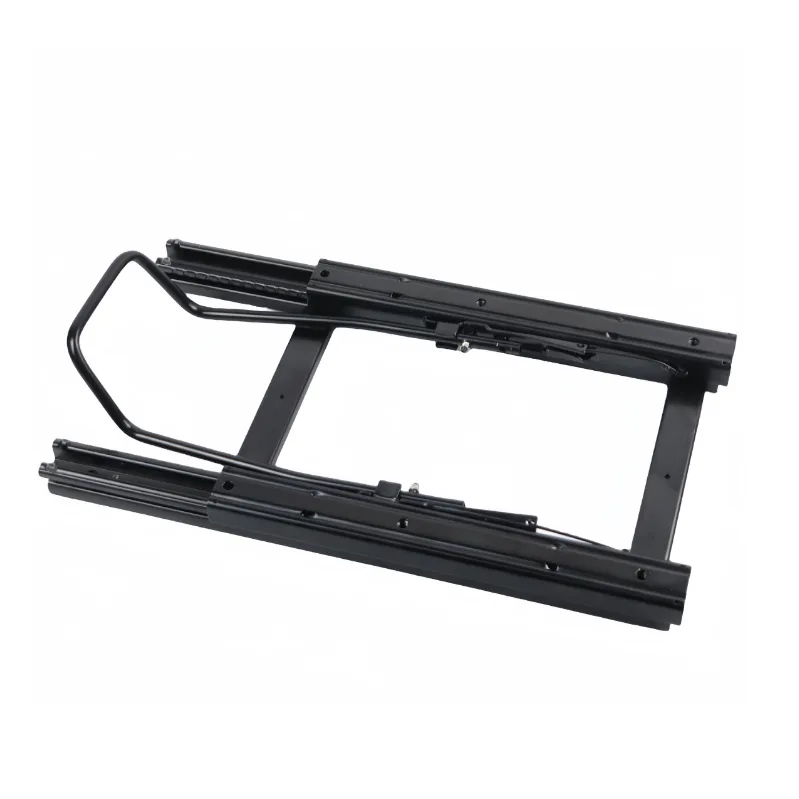
A thin film on a clean track beats a thick glob on a dirty one everytime.
Why Your Car Seat Rail Squeaks, Sticks, or Grinds
Seat rails rarely fail overnight. In practice, three things build up slowly until one day the seat won't budge:
- Dried factory grease. The thin coat applied at the assembly plant hardens over the years into a crusty film that squeaks instead of sliding.
- Packed-in grit. Sand, dust, crumbs and road dirt fall through the seat gaps and settle in the channel. Every adjustment grinds them deeper, and they act like sandpaper between the steel and the bushings.
- Surface rust. Road salt, spilled drinks and wet snow work their way into the track. Even light corrosion is enough to make the slide feel notchy.
There's a fourth possibility that isn't a lubrication problem at all: a snapped adjuster cable, a worn latch or a bent track. That's why diagnosis comes before spray cans — more on that below. You can also read our guide on how to choose car vaccum cleaner.
One point worth repeating: greasing a dirty rail does more harm than good. The lubricant mixes with the debris and turns into an abrasive paste that accelerates wear. Cleaning always comes first.
Quick Answer: Which Lubricant Should You Use?
If you just want the short version:
- Manual seat, exposed steel rails: white lithium grease spray
- Power seat or any track with plastic bushings: silicone spray
- Dusty, unpaved or off-road driving: PTFE dry-film lubricant
- Coastal or salt-belt regions: a corrosion-resistant grease, such as marine-grade lithium
- Seat completely seized: penetrating oil first to free it, then clean and apply a proper lubricant
If you want one can that suits most vehicles, white lithium grease spray is the safest default. The rest of this guide explains why — and when that default is the wrong call. You can also read our guide on how to remove pet hair from car seats with a vacuum.
How Seat Tracks Actually Work
Underneath, a seat track is simpler than it looks. A lower track is bolted to the floor. An upper track is bolted to the seat frame and slides along it. Between the two run small steel rollers or ball bearings, and at the front and rear sit nylon or plastic bushings that keep metal from grinding directly on metal.
Those bushings matter more than most drivers realize — they're exactly what silicone-based products are designed to protect, and they're the first thing harsh solvents destroy. You can also read our guide on how to install a car seat.
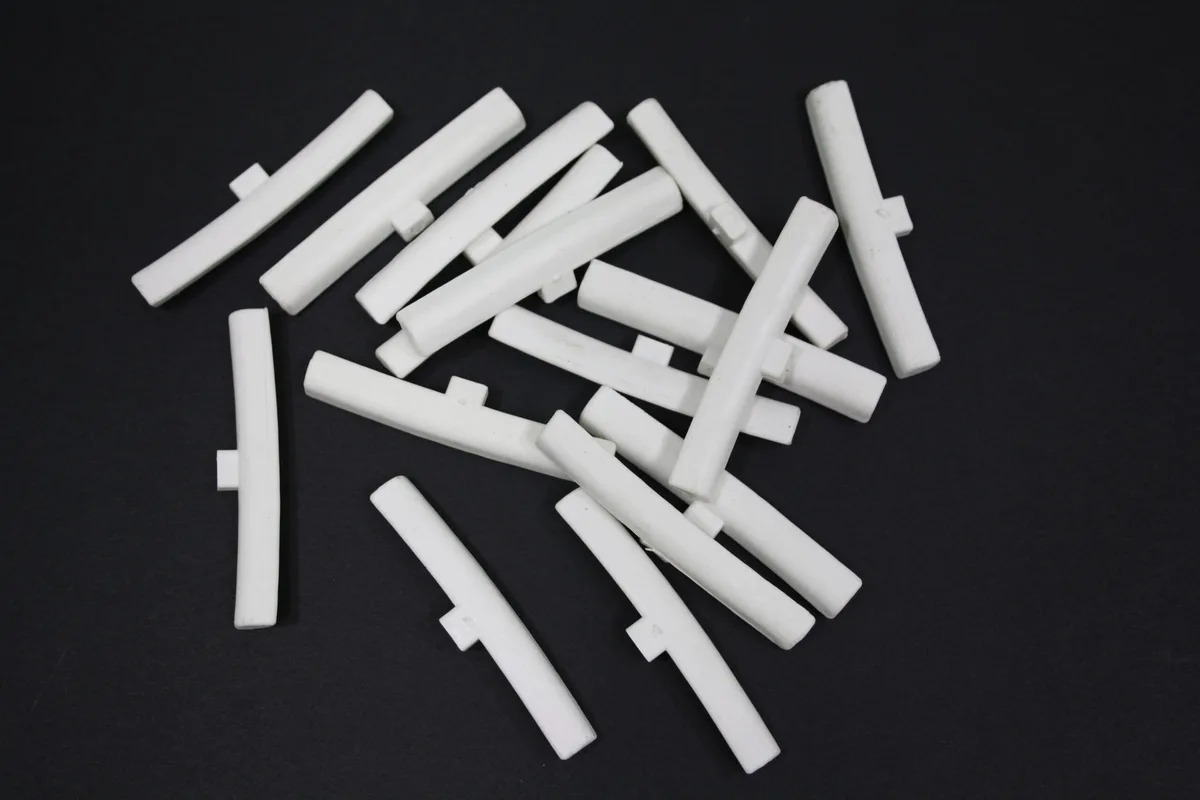
The white plastic pads and rollers are what make the seat glide — and what the wrong lubricant can attack.
Power seats use the same rails, plus an electric motor, a flexible drive cable and a small gearbox turning a screw drive. If the motor hums but the seat doesn't move, the rails usually aren't the problem — the cable or gearbox is.
On lubricant spec: most manufacturers call for a lithium-based grease of NLGI #2 consistency, the same general-purpose classification used for chassis fittings. The ASTM D4950 standard defines these categories and tests them for water resistance, temperature range and load capacity, which is a useful benchmark when you're comparing cans on the shelf. ASTM International's grease standards explain what those classifications actually measure. You can also read our guide on do car seat covers damage leather seats.
For a seat track, three properties matter most: the lube must cling under the seat's weight, tolerate cabin temperature swings, and stay friendly to nylon and rubber.
Diagnose First: Is the Rail Actually the Problem?
Before buying anything, spend two minutes working out whether lubrication will even help. A surprising number of "broken" seats turn out to be a disconnected cable or a worn latch.
Run this checklist:
- Handle pulls, seat doesn't move → the cable or latch has failed, not the rail.
- Seat moves on one side only → a snapped cable or a stuck detent spring on the other side.
- Clicking during adjustment → the pawl isn't engaging the track teeth properly.
- Dry grinding or squeaking under load → that's the rail, and lubrication will help.
Then test it loaded and empty. If it only squeaks with someone sitting in the seat, the added weight is exposing worn bushings or collapsed rollers. If it squeaks empty, it's almost certainly a dry, dirty track.
Either way, vacuum before you lubricate. Debris left in the channel gets worked into the sliding surfaces and scores them. A narrow crevice tool is the key attachment here — if you're upgrading your interior cleaning gear, prioritize strong suction and a nozzle slim enough to fit between the rail and the carpet.
If the seat still binds after a proper clean and lubrication — or there's a click you can't trace — an ASE-certified technician will diagnose it faster than trial and error.
The Two Questions That Change Your Choice
Manual or Power Seat?
Manual seats rely on your hand, so the track needs to slide freely under its own weight. These tracks have more exposed steel and tolerate a heavier grease. White lithium's tackiness is an advantage here: it stays put and doesn't migrate onto the carpet.
Power seats have a motor doing the pushing, so the goal isn't maximum slipperiness — it's low drag and plastic-safe application. A thick grease increases the load on the motor and drive cable. A common mistake is treating a power seat like a manual one and packing it full of grease; the motor then works harder, and on some vehicles the circuit breaker starts cutting out mid-adjustment.
What's Your Climate Like?
Temperature and dirt change how a lubricant behaves. In cold regions, some greases thicken until the seat barely moves on a frosty morning. In dusty areas, a wet grease catches grit and becomes a lapping compound. Near the coast or on salted roads, corrosion protection matters more than anything else.
Persistent damp cabins cause more than rusty rails, too — damp-weather mold cleanup on the seats is a common follow-on problem worth tackling at the same time.
| Climate | Best lubricant | Why it works |
|---|---|---|
| Cold winters | PTFE dry-film or silicone | Stays fluid instead of thickening to paste |
| Hot and dusty | PTFE dry-film | Dry film doesn't attract grit |
| Coastal or salted roads | Marine-grade or white lithium grease | Strong corrosion resistance on bare steel |
| Mixed, everyday driving | White lithium spray | Balanced cling, load capacity and price |
The Decision Tree: Which Lubricant for Your Rails
With those two questions answered, the choice usually narrows to a single product. Here's how the main options compare, and where each one wins.
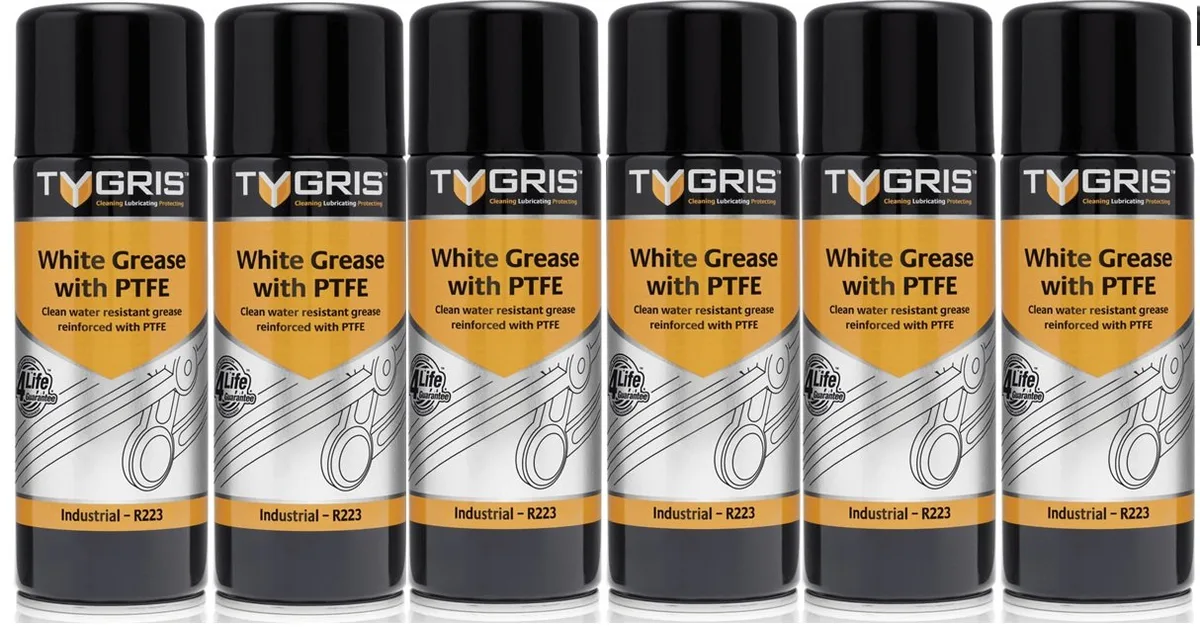
Three common options, three different jobs — the can you grab should match the track underneath.
White Lithium Grease — Best for Heavy Metal-on-Metal Tracks
White lithium is a thick, tacky grease that clings to steel and resists squeezing out under the seat's weight. That staying power makes it the standard choice for manual tracks where you can see steel sliding on steel, and a single thin application typically holds up for 6 to 12 months of regular use.
Its weakness is dust. Because it stays tacky, any grit that lands on the rail sticks to it. Apply a thin bead along the contact points with the straw nozzle, cycle the seat, then wipe away everything you can see. A heavy coat doesn't lubricate better — it just collects dirt faster.
Silicone Spray — Best for Plastic Bushings and Power Seats
Silicone is a lightweight, plastic-safe lubricant that won't swell or degrade nylon bushings, rubber bumpers or wiring insulation. It penetrates tight clearances quickly and dries to a slick, low-drag film — ideal when a motor rather than your arm is doing the work.
The trade-off is longevity. Silicone films wear off faster than grease, so plan on reapplying roughly every six months. Two practical warnings: overspray lands further than you expect, so shield the carpet and fabric with a rag, and keep it off the pedals — a silicone-treated surface is genuinely slippery.
PTFE Dry-Film — Best for Dusty Areas and Long-Lasting Clean
PTFE (the same family of chemistry as Teflon) sprays on wet, then dries within 10 to 15 minutes into a smooth, waxy film. Because the finished surface is dry, it doesn't attract grit — which makes it the go-to for gravel roads, job sites, desert climates and anyone tired of cleaning grinding paste out of a track.
It also leaves a protective layer on bare steel, helping slow flash rust in humid garages. The trade-off: a dry film lubricates less aggressively under heavy load than a true grease, so on a heavy manual seat it works best as a clean, frequent top-up rather than a one-and-done fix.
Penetrating Oil — For Freeing a Seized Track Only
If the seat is welded in place by rust and hardened grease, don't start with grease — it won't reach the binding point. Spray a penetrating oil along the track channel, let it soak for 15 minutes, then work the seat gently back and forth until it breaks free. Repeat once if needed.
That's the limit of its job. Penetrating oil evaporates and leaves almost no lasting lubrication, so once the seat moves, clean the rail thoroughly and apply lithium, silicone or PTFE. Leaving penetrating oil as your only "lubricant" guarantees the seat seizes again within weeks.
Step-by-Step: How to Clean and Lubricate Seat Rails
The whole job takes about 10 minutes per seat, and most of that time is cleaning — the lubricant itself is the easy part.
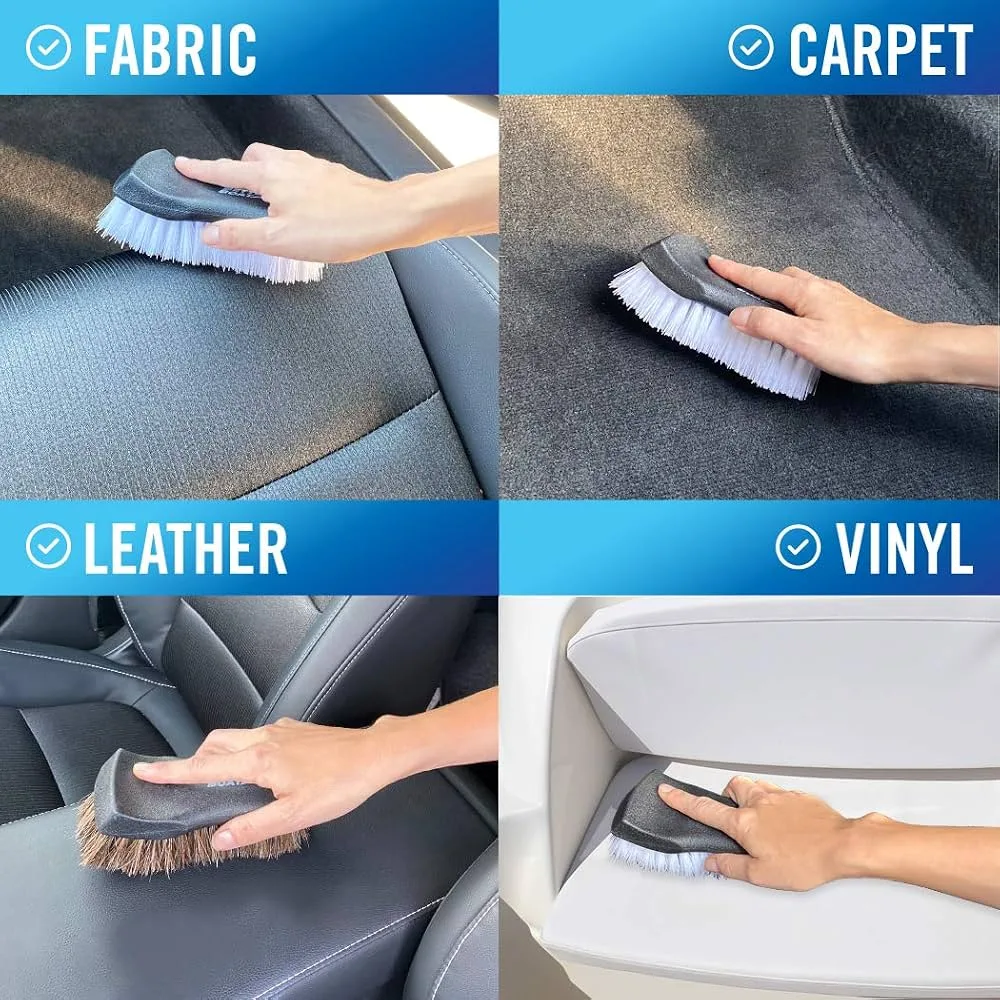
Most of the job is cleaning — the lubricant is the quick final step.
What you'll need:
- A vacuum with a crevice tool
- A stiff nylon brush (an old toothbrush works)
- Microfiber rags
- Your chosen lubricant with a straw nozzle
- Nitrile gloves and safety glasses for spraying
1. Slide the seat fully forward, then fully back. This exposes the rear and then the front of the track. Work on one end at a time.
2. Vacuum the channel. Pull out grit, crumbs and debris along the full length of both rails. If a dog or cat rides along regularly, fur wedged into the seams eventually works down into the track, so pull that out while you're here.
3. Scrub the rails. Use the brush to break loose dried grease and caked dirt. Dry brushing does most of the work; you shouldn't need solvent.
4. Wipe everything down. A rag dampened lightly with water or a mild interior cleaner removes the loosened grime. The rail should look like metal, not mud.
5. Apply the lubricant thinly. Spray directly onto the contact points — the rollers, the bushings and the sliding faces. Move the seat through its travel while spraying so the film spreads evenly. A light coat beats a heavy one every time.
6. Cycle the seat ten times. Full range, forward and back. You'll feel the effort drop after a few passes as the lube works into the rollers.
7. Wipe off the excess and test under load. Surplus grease collects dust. Then sit in the seat and slide it — that's the real test.
Two safety notes before you start. First, if you've been meaning to deal with worn bolsters or dried side panels, restoring cracked upholstery is far easier with the seat slid all the way forward — knock out both jobs in one session. Second, on power seats, never spray into connectors, the motor housing or any wiring harness. Shield them with a rag, and keep spray well away from anything with yellow connectors or airbag cabling under the seat.
What NOT to Use on Seat Rails
- WD-40. The most common mistake. It's a penetrating oil, not a lubricant — it frees a stuck track brilliantly, then evaporates within days and leaves the rail drier than before. Use it to break things free, then follow with a real lubricant.
- Engine oil. Too thin to stay in place, drips onto the carpet, stains fabric and attracts dirt.
- Graphite powder. Excellent in door locks, useless on open sliding tracks — it flushes out fast and makes a black mess.
- Brake cleaner and strong degreasers. Great for stripping old grease, but the solvent can attack nylon bushings and wire insulation. If you use one to clean, let everything dry and relubricate immediately.
- Household improvisations. Cooking oil goes sticky, petroleum jelly attracts grit by the pound, and candle wax flakes into the channel. None of them belong near a seat track.
And one non-negotiable rule: never spray anything into airbag wiring or seat motor connectors. A short circuit under a seat isn't an inconvenience — it's a safety system you'd be tampering with.
How Often Should You Lubricate Seat Rails?
For most drivers, one proper application lasts 6 to 12 months. Check more often — around every six months — if you drive on dusty roads, park outside in a salted-winter region, or adjust the seat frequently.
Don't wait for the seat to stick. These are the early signals:
- A dry squeak or grinding sound during adjustment
- A gritty, notchy feel through the travel
- noticeably heavier lever effort than usual
The best long-term habit is simply vacuuming the rail area whenever you clean the interior. The debris that jams rails also causes odors lingering in the fabric, so one thorough session tends to fix both problems at once.
When Lubrication Won't Fix It
Be honest with yourself after one good attempt. If the seat still catches, drags on one side or won't move at all, you're likely dealing with a mechanical failure:
- Bent or damaged rail — often after a hard impact or a seat that was forced while locked
- Snapped adjuster cable or worn latch — the classic "handle pulls, nothing happens" symptom
- Failed power seat motor, gearbox or drive cable — the motor clicks, hums without movement, or a thermal breaker trips and resets after a few minutes
- Stripped pawl or track teeth — the seat slides but won't lock in position
These need parts, not spray. Which brings us to cost.
What It Costs: A Can of Lube vs. a New Track
Exact prices vary by vehicle and region, but the gap between the fix and the failure is always wide:
| Fix | Typical cost | Time |
|---|---|---|
| Clean and lubricate | $10–$15 in supplies | ~10 minutes per seat |
| Used/salvage track fitted | $50–$150 for the part, plus labor | 1–2 hours |
| New OEM track installed | $300–$500+ | 2–3 hours |
Unless the track is physically bent or broken, lubrication is always the right first move. A can of grease is the cheapest ride-quality improvement in the entire cabin.
The Cheat Sheet: One Table to Decide
Everything above, condensed:
| Your situation | Use this | Why |
|---|---|---|
| Manual seat, everyday driving | White lithium grease spray | Clings to steel, lasts 6–12 months |
| Power seat or plastic bushings | Silicone spray | Plastic-safe, low drag on the motor |
| Dusty roads or off-road use | PTFE dry-film | Stays clean, never becomes grinding paste |
| Coastal or salt-belt region | Marine-grade grease | Best rust and moisture protection |
| Track fully seized | Penetrating oil, then lithium | Frees it first, protects it after |
| One can for everything | White lithium grease | The safest all-around default |
If you're still unsure, start with white lithium — it's the closest thing to a universal answer for seat tracks. Silicone is the fallback whenever plastic components are in the path.
After applying, test the seat through its full travel ten times. If it still catches or clicks, you're looking at a bent rail or a failed pawl — a mechanical repair, not a lubrication job.
One last safety check: if a child seat sits on that bench, make sure the adult seat can still move and lock where it needs to. Our guide to child seat placement rules covers where a child seat can safely go, which affects how freely that track should travel.
Conclusion
The right answer to "what should I use to lubricate car seat rails" is a short decision, not a single product: white lithium for manual steel tracks, silicone for power seats and plastic bushings, PTFE for dust, penetrating oil only to free a seized rail. Clean the track before you spray anything, apply a thin coat, cycle the seat, and reapply when the dry squeak returns — usually within 6 to 12 months.
Your next step: grab a can of white lithium grease on your next parts-store run and give both front seats ten minutes this weekend. It's the cheapest smooth-ride fix in the car — and if you want to keep going, our other hands-on maintenance guides make easy weekend projects.
Frequently Asked Questions
Can I use WD-40 on car seat rails?
Only to free a seized track. WD-40 is a penetrating oil, not a lasting lubricant — it breaks down rust and hardened grease, then evaporates within days. Once the seat moves, clean the rail and apply white lithium or silicone. Relying on repeated WD-40 applications attracts dust and makes the grinding worse over time.
How often should I lubricate my seat rails?
Every 6 to 12 months for most drivers. Check closer to every six months in dusty, snowy or coastal conditions, and reapply as soon as the seat develops a dry squeak or a gritty feel. A clean, properly lubricated track should glide smoothly through its full range without noise.
Do I need to remove the seat to lubricate the rails?
Usually not. Slide the seat fully forward to expose the rear of the track, then fully back to reach the front. A straw nozzle lets you spray directly into the channel. Only remove the seat if the track is so clogged that you can't clean it properly from above.
What's the difference between silicone spray and white lithium grease?
White lithium is thick, tacky and water-resistant — built for metal-on-metal contact under real load. Silicone is light, dries to a slick film and won't harm plastic, nylon or rubber. Use lithium on manual steel tracks, silicone on power seats and anywhere plastic bushings are involved.
Can I use engine oil on seat rails?
Avoid it. Engine oil is far too thin to stay in an open track — it runs off, stains carpet and collects dirt without cushioning the load. Stick to products designed for sliding automotive components.
Is silicone spray safe around seats and carpet?
The lubricant itself is fine on the track, but overspray on fabric or floor mats leaves a slippery film that's hard to remove. Shield the surrounding area with a rag while spraying, apply in short bursts, and wipe any overspray immediately with a microfiber cloth.

Leave a Reply