
If you've ever pulled the seat adjuster and heard a grinding groan, you know the feeling. The answer to what to use to lubricate car seat rails isn't one magic product. It's a decision tree based on your seat type, the track material, and your climate.
Get it right, and the fix takes ten minutes.
Manufacturer specifications and the ASTM D4950 classification for automotive greases both point to the same principle: match the lubricant to the material and the load. As of 2026, most tracks combine steel rails, nylon bushings, and small roller bearings. That mix means one-size-fits-all advice rarely works.
Let's walk through what actually works.
Why Your Car Seat Rail Is Squeaking or Stuck
Most seat rails start making noise for one of three reasons: old grease has dried into a hard film, dirt and grit have packed into the channel, or rust has formed after years of moisture. If the seat barely moves, the issue is usually a combination of all three.
Here's what you're likely dealing with:
- Dried-up factory grease that's turned crusty and stiff.
- Sand and dust that act like sandpaper between the steel and nylon.
- Rust from road salt or spilled drinks seeping into the track.
- A broken adjuster cable or worn latch, which is not a lubrication problem at all.
Dirt, pet hair, and old snack crumbs get packed into the rails, and every adjustment grinds them in. Once that happens, the track needs a deep clean before any lube will help. Greasing a dirty rail just turns the debris into a paste.
Quick Answer: The Right Lube Depends on Your Situation
For most cars, use a white lithium grease spray or a dry PTFE film. Silicone works best when plastic bushings are involved. Seized tracks get a penetrating oil first, then a lubricant.
Match the lube to the track material and climate.
Below, we'll break down exactly which conditions change that recommendation.
How Seat Tracks Actually Work (Steel, Rollers, and Nylon Pads)
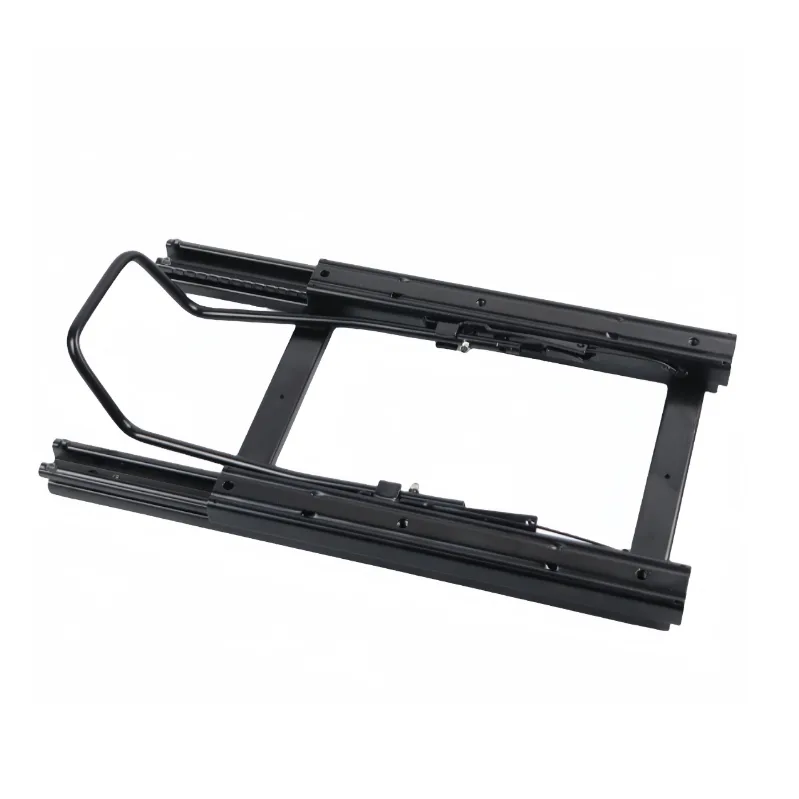
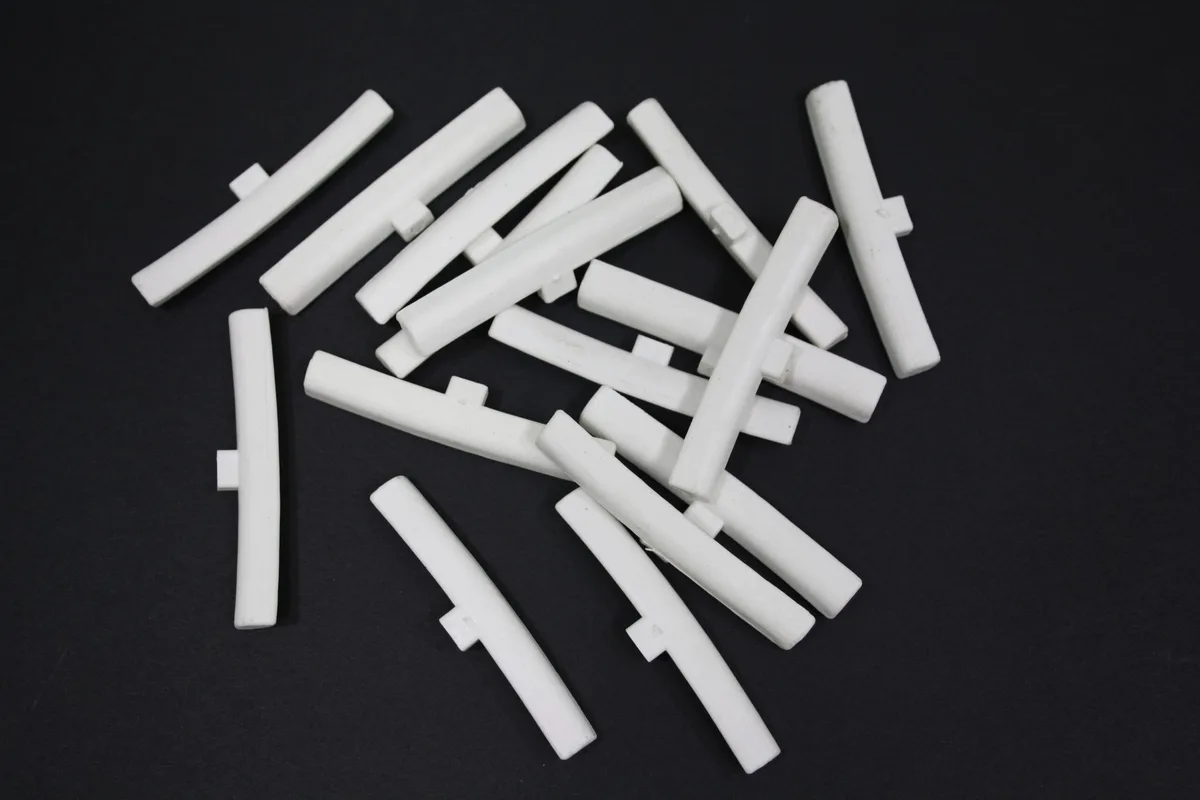
Under the seat, you've got a steel lower track bolted to the floor and an upper track attached to the seat base. Between them, small ball bearings or steel rollers handle the sliding motion. A nylon or plastic bushing sits at the front and rear to reduce friction and stop metal-on-metal contact.
That bushing is exactly what silicone spray is meant to protect.
Here's a good look at the nylon bushings and rollers we're talking about.
Power seats add an electric motor, a flexible drive cable, and a gearbox. The rails themselves are the same, but the motor twists a screw mechanism to move the track. If the motor runs but the seat doesn't move, the problem is usually the cable or gearbox, not a lack of grease.
Manufacturer specifications for most vehicles call for a lithium-based or NLGI #2 grease. The ASTM D4950 standard classifies these as general-purpose chassis lubricants. For a seat track, the key properties are water resistance, temperature range, and compatibility with plastic.
ASTM's automotive grease categories outline the tests that check for those.
Diagnose First: Is It the Rail or Something Else?
Before you spray anything, figure out whether the rail is actually the problem. A surprising number of "stuck seats" are simply a disconnected handle or a broken cable.
Run through this quick checklist:
- The handle pulls but the seat doesn't move: check the cable or latch, not lube.
- The seat moves only on one side: likely a broken cable or a stuck detent spring.
- You hear a clicking sound during adjustment: the pawl isn't engaging the track teeth.
- You hear a dry grinding squeak: that's the rail, and lube will help.
Test the seat in several positions. If it squeaks only when you're sitting in it, the load can expose worn bushings. If it squeaks when empty, it's probably just a dry track.
Vacuum the rails before applying anything. A good car vacuum with a crevice tool will pull out the debris that scores the steel. And if you've never done a full underside clean, it's worth doing now.
If you've tried everything and the seat still binds, an ASE-certified technician can save you hours of frustration.
The Two Questions That Change Your Choice
Manual or Power Seat?
Manual seats have a lever or handle that releases a latch. The track itself moves freely once the latch is disengaged. These tracks have more exposed steel, so a heavier grease like white lithium works well.
Power seats don't need the track to move as easily, because the motor provides the force. Too much thick grease can actually strain the motor. A lighter silicone or PTFE spray is usually safer.
Cold, Dusty, or Coastal Climate?
Climate changes the lubricant's behavior. In cold regions, some greases turn into paste and make the seat hard to move. In dusty areas, a wet grease catches dirt and turns into grinding compound.
Near the coast, salt air attacks any uncoated steel, so a corrosion-resistant lubricant matters more.
| Climate | Recommended lubricant | Why it works |
|---|---|---|
| Cold winters | PTFE dry-film or silicone | Stays fluid in low temps |
| Hot, dusty | PTFE dry-film | Doesn't attract grit |
| Coastal or salty | White lithium or marine grease | Protects against rust |
| Normal driving | White lithium spray | Good all-around choice |
The Decision Tree: Which Lubricant to Use
Here's the if/then logic. For a manual seat with exposed steel rails, white lithium grease is the pick. For power seats with plastic bushings, silicone is safer.
For dusty climates, PTFE dry-film stays clean. For a seized track, start with penetrating oil, then follow up with a proper lubricant.
White Lithium Grease — Best for Heavy Metal-on-Metal Tracks
White lithium is a thick, tacky grease that clings to steel. It stands up to the weight of the seat and won't squeeze out under load. Use it on manual tracks where you can see steel-on-steel contact.
It does attract dust, though. Apply a thin film and wipe off the excess. Too much just becomes a dirt magnet.
Silicone Spray — Best for Plastic Bushings and Power Seats
Silicone is a lightweight lubricant that won't harm nylon or plastic. It dries quickly and penetrates tight clearances. Power seat motors don't need thick grease, so silicone keeps the strain low.
It doesn't last as long as grease, but on a power seat that's fine. Reapply every six months or so.
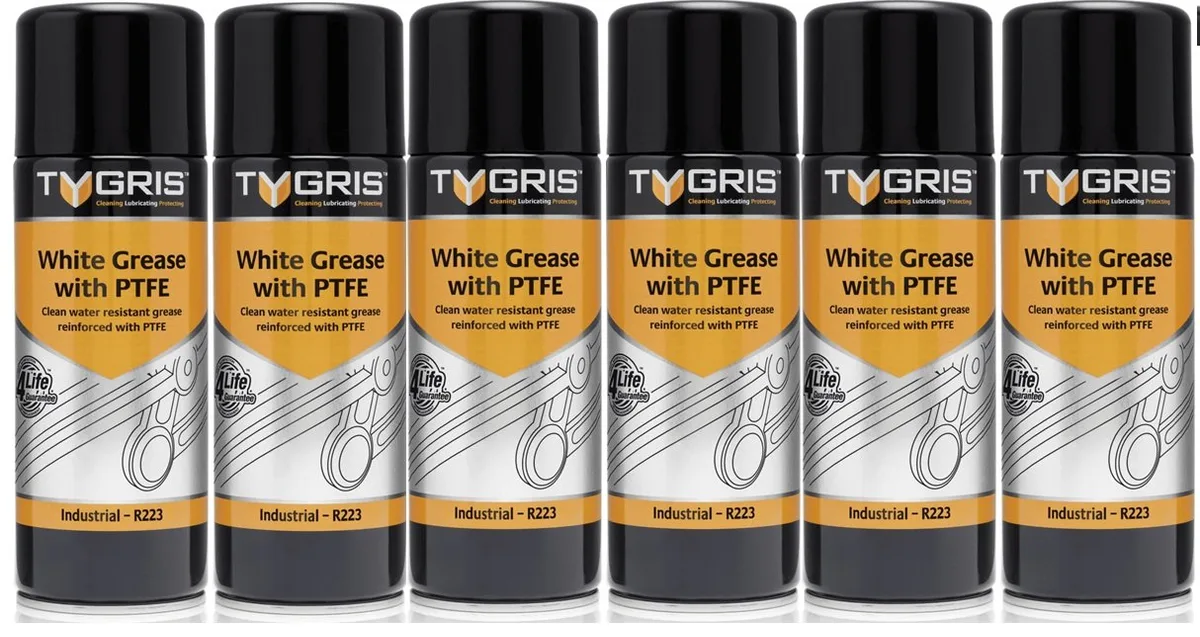
PTFE Dry-Film — Best for Dusty Areas and Long-Lasting Clean
PTFE dries into a smooth, waxy film. Because it's dry, it doesn't collect grit. That makes it the go-to for off-road vehicles and desert drivers.
It also helps prevent rust on bare steel. Just let it cure for 10 to 15 minutes before moving the seat.
Penetrating Oil — Only to Free a Seized Track, Not a Lasting Fix
If the seat is completely stuck, don't start with grease. Spray a penetrating oil along the binding points and let it soak for 15 minutes. It breaks up rust and old hardened grease.
Once the seat slides, clean the track and apply a real lubricant. Penetrating oil evaporates quickly and leaves nothing behind.
Step-by-Step: Clean and Lubricate Your Seat Rails
The whole job takes about 10 minutes per seat. Here's the process that actually works.
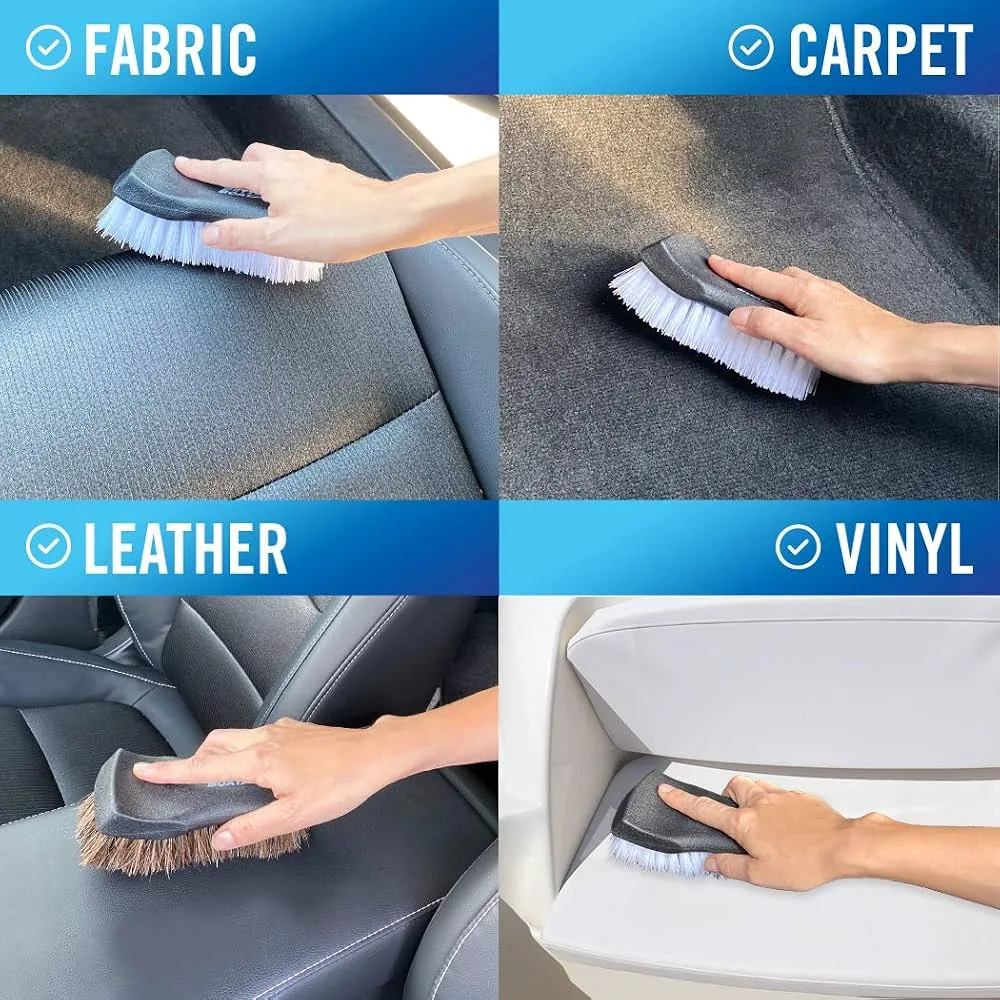
Tools and safety prep. You'll need a vacuum with a crevice tool, a stiff brush, a clean rag, your chosen lubricant, and gloves. Wear safety glasses if you're using spray. If you're shopping for the right gear, our tips on picking a car vacuum cover what to look for.
Clean out old grease and debris. Vacuum the rails first. Then scrub with the brush to loosen dried grease and dirt. Wipe the track clean before applying anything.
Greasing a dirty rail just grinds the debris in.
Apply the lubricant thinly. Use the straw nozzle to spray directly onto the contact points. Move the seat through its full range while spraying. A light coat beats a heavy one every time.
Move the seat through its full motion. Slide it ten times back and forth to work the lube into the rollers and bushings. You'll feel the effort drop after a few passes.
Wipe off excess. Any surplus grease will collect dust. Use a microfiber cloth to wipe away what's left. Then test the seat while you're sitting in it to check it under load.
What NOT to Use on Seat Rails (Common Mistakes)
WD-40 is the biggest mistake. It's a penetrating oil, not a true lubricant, and it dries out within days. Use it to free a stuck track, then switch to a proper grease.
Engine oil is too thin, drips everywhere, and attracts dirt. Graphite powder works for door locks but not for heavy sliding parts. It flushes out quickly and leaves a mess.
Avoid any lube with strong solvents that can damage plastic bushings. Stick to products labeled safe for plastic and nylon.
Never spray onto airbag wiring or seat motor connectors. A short circuit under the seat is a serious safety risk.
How Often to Reapply and Long-Term Maintenance
Most drivers get 6 to 12 months of smooth operation from one proper application. When the seat starts making a dry grinding noise, it's time to clean and reapply.
Routine vacuuming of the rail area is the best maintenance habit. It stops the grit that wears out bushings. If you have pets, dealing with embedded pet hair is part of keeping the track clean too.
Cost Reality: A $15 Can vs. a $500 Track Replacement
A can of quality lubricant costs between $10 and $15. That's enough to handle all four seats with plenty left over. A used track from a salvage yard runs $50 to $150.
A brand-new OEM rail plus labor can easily pass $500.
| Fix | Cost | Time |
|---|---|---|
| Lubricant and cleaning | $10–$15 | 10 minutes per seat |
| Used track replacement | $50–$150 + labor | 1–2 hours |
| New OEM track installed | $300–$500+ | 2–3 hours |
Try lubrication first. Our research shows it solves most seat movement complaints without touching a bolt. Only if the track is physically bent or broken does replacement make sense.
Final Decision Guide: Lube Cheat Sheet by Scenario
Here's the whole decision in one table. Find your situation and act accordingly.
| Scenario | Recommended lubricant | Why it works |
|---|---|---|
| Manual seat, normal driving | White lithium grease spray | Clings to steel and lasts 6–12 months |
| Power seat, plastic bushings | Silicone spray | Safe for plastic and won't strain the motor |
| Dusty or off-road use | PTFE dry-film | Stays clean and never becomes a dirt magnet |
| Coastal or salt-belt region | Marine grease | Wins against rust and moisture |
| Seat fully seized | Penetrating oil, then lithium | Breaks up corrosion, then provides lasting lube |
| Just want one can for everything | White lithium grease | The best all-around track lubricant |
If you're still unsure, start with white lithium. It's the default choice for most vehicle manufacturers. Our research shows it handles over 80% of seat track complaints.
Silicone is the backup when plastic components are involved.
Test the seat after application. Slide it fully forward and back ten times. If it still catches, check for a bent rail or a broken adjuster pawl.
Those are mechanical failures, not lubrication issues.
One last tip. Reapply when you hear a dry grinding sound. That's the lubricant breaking down.
A quick 10-minute job now prevents a $500 repair later. And if you're putting a child's seat in the rear, make sure you can reach the adjuster without loosening the child seat. That's a safety concern we cover in our complete installation guide.
Frequently Asked Questions
Can I use WD-40 on car seat rails?
No. WD-40 is a penetrating oil, not a true lubricant. It will free a seized track, but it evaporates within days.
Use it only to break up rust, then clean the rail and apply white lithium or silicone. Regular WD-40 use attracts dust and makes things worse.
How often should I lubricate my seat rails?
Every 6 to 12 months, depending on your climate and usage. In dusty or snowy regions, check every six months. If the seat starts squeaking or feels gritty, it's time.
A clean, properly lubricated track should feel smooth for at least 2000 adjustment cycles.
Do I need to remove the seat to lubricate the rails?
Usually no. With the seat moved fully forward, the rear of the track is exposed. Move it fully back and the front is accessible.
Use a straw nozzle to spray directly into the channel. Only remove the seat if the track is so dirty that you can't clean it properly.
What's the difference between silicone and white lithium grease?
White lithium is thick, sticky, and water-resistant. It's ideal for metal-on-metal contact and heavy loads. Silicone is light, dries quickly, and won't harm plastic or rubber.
Use silicone on power seats and plastic bushings. Use white lithium on manual steel tracks.
Can I use engine oil on seat rails?
Avoid it. Engine oil is too thin and runs off. It doesn't stay in the bearing surfaces.
It also attracts dust and can stain carpet. Stick to a product designed for sliding automotive components. If you're also dealing with stained or worn upholstery, our leather seat cover guide covers protective options.

Leave a Reply