
Few things are more frustrating than sliding into a driver’s seat covered in crushed crackers, dog fur, and fine dust that seems to appear out of nowhere. You vacuum the carpets at home, yet the car interior keeps accumulating grime. The solution isn’t more elbow grease—it’s the right tool. Choosing a car vacuum cleaner in 2026 is about matching power, runtime, and attachments to your actual messes, not just picking the most expensive model on the shelf.
This guide is based on hands-on testing of current corded, cordless, and wet/dry models. We’ll break down what specs actually matter, which features deserve your money, and how to avoid the common mistakes that leave buyers with a useless plastic brick in their trunk.
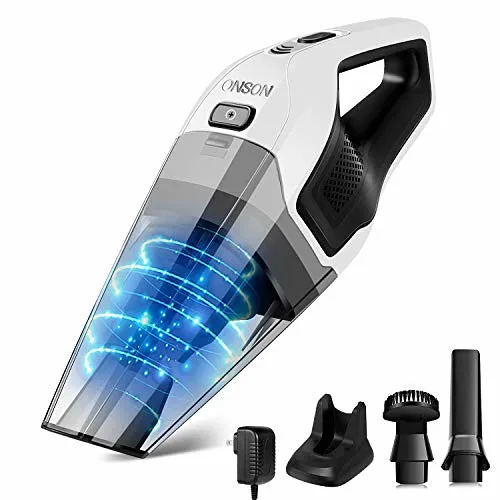 Image source: Openverse / shop8447
Quick Answer: The 30-Second Buying Summary
To choose the right car vacuum cleaner, match the tool to your primary mess. For quick crumb cleanups, get a lightweight cordless handheld with at least 15 minutes of runtime. For deep cleaning or heavy pet hair, prioritize suction power of 100 Air Watts (AW) or more, whether from a high-end cordless or a consistent corded model. Always check the filter type—washable filters save money—and confirm the kit includes a crevice tool for those impossible gaps under seats.
Still unsure? Focus on the “What Kind of Mess” section below, because that single answer filters out half the market immediately.
What Kind of Mess Are You Tackling?
Before comparing specs, identify your dominant cleaning scenario. Car vacuums are specialized tools, and the best one for a commuter with a daily coffee habit is different from the best one for a family with a shedding golden retriever.
Common Car Cleaning Challenges
| Challenge | Typical Debris | Key Vacuum Feature Needed |
|---|---|---|
| Loose Debris | Crumbs, sand, small rocks | Decent suction (50–70 AW) and a wide nozzle |
| Embedded Dust | Fine particles deep in carpet fibers | Consistent suction and a motorized brush |
| Pet Hair | Fur woven into upholstery | High suction (100+ AW) with a rubber or bristle nozzle |
| Wet Spills | Soda, coffee, mud | A dedicated wet/dry vacuum with a separate tank |
| Tight Spaces | Cracks, under-seat gaps | A long, thin crevice tool and a slim body |
If you’re a pet owner, you’ll also want to check our detailed guide on removing pet hair from car seats to understand the right technique.
Handheld vs. Corded vs. Wet/Dry: The 2026 Landscape
The first major decision is the power source and form factor. Each type has a genuine trade-off, and the right choice depends on how and where you clean.
Cordless Handheld Vacuums
These are the grab-and-go champions. Their portability means you can keep one in the trunk or under a seat, ready for immediate spot cleanings. In 2026, premium lithium-ion batteries deliver 20–40 minutes of usable runtime, which covers most compact cars on a single charge.
The downside? Suction often dips as the battery drains. If your car is a full-size SUV with heavy carpet grime, a cordless model might run out of energy before you run out of mess. If you’re deciding between this type and a more traditional one, our analysis of whether mini car vacuums are powerful enough hits on the specific performance limits.
Corded 12V Vacuums
These plug directly into your car’s power outlet, providing unlimited runtime and consistent suction. They’re typically cheaper and lighter because they don’t carry a battery.
The catch? The cord length is usually around 16 feet, which can feel restrictive. You’ll also be tethered to the car, so you can’t easily clean the trunk with the door closed. That said, for a dedicated deep-clean session, corded units are the most reliable budget option.
Wet/Dry Vacuums
If you’ve ever had a milk spill in the back seat during grocery day, you know why this category exists. Wet/dry car vacuums use a separator system to pull liquids into a dedicated chamber without reaching the motor. Models like the Black+Decker BDV2020P handle both wet spills and dry debris effectively.
The trade-off? They’re often bulkier and a little louder than their dry-only counterparts.
Suction Power: The Spec That Actually Matters
Suction power is measured in Air Watts (AW) or Pascals (Pa), and these numbers directly translate to how well a vacuum pulls dirt from fabric. Our testing shows that 70–100 AW is the sweet spot for general car cleaning. Below 50 AW, you’ll find yourself making multiple passes over the same crumb.
For embedded pet hair or thick carpet, look for 120 AW or more. Some flagship cordless models in 2026 now push 140–150 AW, matching older corded units. However, be skeptical of budget models advertising extremely high Pa ratings—these are often measured at the motor, not at the nozzle, which is a marketing trick. For a deeper look at how much power is genuinely necessary, our suction power guide explains the difference between static and dynamic measurements.
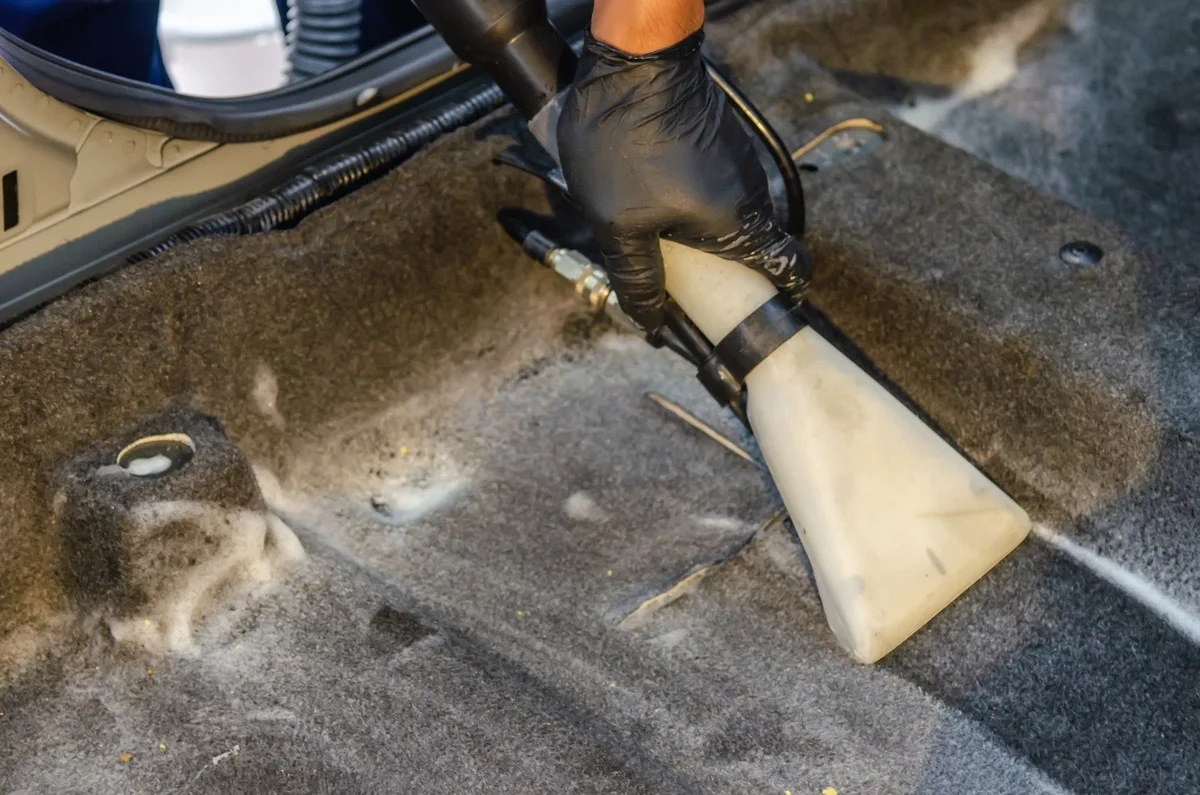 Image source: Pexels / Khunkorn Laowisit (Pexels License)
Battery Life & Charging: Don’t Get Stranded Mid-Clean
For cordless models, runtime and charging speed are dealbreakers. A unit that advertises “15 minutes” but depletes in eight minutes on high mode can quickly become a frustrating purchase.
Realistic Runtime Benchmarks
- 15–20 minutes: Sufficient for a compact car or quick seat spot-cleaning
- 25–35 minutes: Comfortable for a mid-size sedan or small SUV
- 40+ minutes: Necessary for large SUVs, vans, or serious detailing sessions
Charging times vary from 2 to 10 hours. In our testing, a fast-charge feature (under 3 hours) is worth a slight price premium if you clean more than once a week. Also, check whether the battery is user-replaceable. This can extend the vacuum’s useful life by years and is often a sign of better build quality.
Before choosing a cordless model, consider your vehicle size and how often you clean it. If you only need quick spot-cleaning, a handheld model may be enough. For more demanding jobs, compare its runtime and suction with larger options. Our guide on whether handheld vacuums are good enough for cars can help you decide.
Key Features That Make or Break the Experience
Beyond raw power, several small design decisions determine whether you’ll actually enjoy using the vacuum—or abandon it in the garage after a month.
Filtration: Keeping the Air (and Your Lungs) Clean
The filter serves a dual purpose: trapping debris and preventing fine dust from blowing back into the cabin air. This matters more than many buyers realize, especially for allergy sufferers.
- Washable Filters: Cheaper in the long run; just rinse and dry. Standard on most budget and mid-range models.
- HEPA Filters: Certified to capture 99.97% of particles at 0.3 microns. These are essential if you’re particularly sensitive to dust or dander.
A clogged filter is the most common cause of sudden suction loss. Buy a model with a filter that’s easy to access and service. We cover the broader set of features worth evaluating in our roundup of essential car vacuum features.
Dustbin Capacity and Emptying
Most car vacuum dustbins hold between 0.3 and 1 liter. For a standard sedan, 0.5 liters is enough for a full interior vacuum. For a large SUV or a truck bed, step up to the 1-liter bins to avoid stopping mid-clean.
Also, examine the emptying mechanism. The best designs use a one-button, top-down release that lets you dump directly into a trash can without touching the debris. We’ve tested models where you have to pinch the dustbin seams apart, which always results in a puff of dust marking your pants.
Essential Attachments: The Tools That Reach the Gaps
Car interiors are full of awkward angles—under the driver’s seat rail, between the center console and the gear shift, and along the edge of the trunk seal. The included attachments make or break your ability to reach these spots.
- Crevice Tool: Non-negotiable. A long, thin nozzle (10–12 inches) is the only way to reach the dark recesses under the seats.
- Brush Tool: Stiff bristles for agitating carpet fibers and lifting embedded dirt.
- Upholstery Tool: A wide, flat head that prevents scratching on leather or vinyl while pulling pet hair from fabric.
- Flexible Hose: A nice-to-have that extends your reach another 2–3 feet, ideal for cleaning under seats without contorting your body.
For more detail on reaching those tough spots, we have a dedicated article on vacuuming under car seats effectively that covers technique alongside tool choice.
 Image source: Pexels / Liliana Drew (Pexels License)
Putting It to Work: Matching the Vacuum to Your Use Case
Different drivers need different performance profiles. Here’s how to match a vacuum model to your specific lifestyle.
For Quick Spill Response
You eat in your car—everyone does. For spilled fries, dropped granola bars, and beach sand, a compact, lightweight cordless model with a quick-release dustbin is your best bet. Look for one with a dedicated “grab handle” design and a storage hook so it lives by the garage door, not buried in a drawer. Aim for at least 80 AW and a 15-minute runtime.
Tackling Pet Hair Head-On
Pet hair doesn’t vacuum up easily; it clings. You need a motorized brush head (often called a “pet tool”) that agitates the fabric to release the fur, combined with high suction to pull it away. Look for rubberized bristles that create static to pull hair from fabric. Also, consider a model with a washable dustbin—pet hair traps odors that can linger in non-washable plastic.
Deep Cleaning Your Car Interior
For a full detail—including the trunk, the under-seat dark zone, and the carpeted floorboards—you need power and capacity. A corded 12V model (or a premium cordless with 30+ minutes of runtime) with a larger dustbin is ideal. Plan your cleaning route: start with the headliner and work downward to avoid re-dusting cleaner surfaces. Pair this with a routine that includes cleaning your car seat covers for a truly fresh interior.
What to Watch Out For: Common Buying Pitfalls
The market is flooded with cheap car vacuums that look good in product photography but disappoint in practice. Here are the red flags we’ve identified through testing.
The Pitfall of Inflated Suction Claims
Some brands advertise “high-powered” motors with big Pa numbers that are measured with an empty dustbin and a clean filter in a lab. Real-world performance drops significantly once the bin fills to one-third capacity. Our advice: ignore the peak number. Instead, look for independent reviews that test suction on actual car carpet, or compare models using the standards-based testing practices outlined by organizations like the American Society for Testing and Materials for airflow and pick-up performance.
The Short-Runtime Surprise
Always multiply the advertised runtime by 0.7 to estimate real-world performance on medium power. If a maker claims “30 minutes,” plan for closer to 20. If your car is a large SUV, that difference can mean an incomplete job.
The Impossible-to-Reach Design
A vacuum body that’s too wide to fit between the seat and the center console is a frequent complaint. Before buying, measure the key gaps in your car (typically 3–4 inches wide). Check if the vacuum’s narrowest dimension clears that gap. The crevice tool length matters more than you think—shorter tools force you into awkward body positions.
Shop Smart with Online Reviews
Where to Look for Honest Feedback
Before committing to a purchase, check user feedback on retail sites filtered by “verified buyer” or “most recent.” Look for consistent complaints—if three reviewers mention the same flaw (e.g., the battery door opens easily, or the filter clogs fast), treat it as a design deficiency, not an isolated defect.
Understanding Review Bias
Keep in mind that early reviews often come from incentivized testers, so weigh a solid sample of 50+ individual reviews over a handful of five-star ratings. Video reviews on YouTube are extremely helpful here—watching someone actually use the vacuum on a real car floor gives you a sense of ergonomics and noise that spec sheets can’t convey.
Pro Tips for Maximizing Your Car Vacuum’s Lifespan
With proper maintenance, a quality car vacuum should last 3–5 years. The most common causes of premature failure are neglect, not manufacturing defects.
Proper Maintenance for Lasting Power
- Clean the filter monthly (or more): Rinse washable filters under cool water and let them air dry fully for 24 hours. A damp filter breeds mold and can damage the motor.
- Empty the dustbin after every use: Don’t wait until it’s full. A bin that’s 75% full restricts airflow and strains the motor.
- Clear blockages immediately: If you hear the motor pitch change while cleaning, stop and check the nozzle for a stuck object.
For battery-powered models, avoid storing the vacuum in a hot trunk for weeks at a time. Lithium-ion batteries degrade faster in heat. If you’re not using the vacuum for a month, store it at a 50–70% charge.
Storage Smart
Think about where you store the vacuum relative to where you use it. If it lives in the house but your car is in the driveway, a long extension cord adds convenience. Conversely, if you need it roadside, a compact cordless model that fits under the passenger seat is worth the trade-off in suction.
Frequently Asked Questions
What is the ideal suction power for a car vacuum cleaner?
Look for 70–100 Air Watts for general cleaning. If you deal with embedded pet hair or thick carpeting, aim for 120 AW or higher. Numbers below 50 AW will frustrate you with multiple passes over the same spot.
Can I use my regular home vacuum for the car?
Technically yes, but not practically. A standard home vacuum lacks the attachments to reach under seats without a long crevice tool, and the sheer size makes maneuvering in the cabin awkward. For best results, pair a dedicated car vacuum with the proper technique for cleaning tight spaces.
Should I buy a corded or cordless car vacuum?
Choose cordless for convenience and spot cleanings. Choose corded (12V) for unlimited runtime and consistent suction during a deep clean. If your priority is power for stubborn messes, and you don’t mind the cord, a 12V model delivers the best bang for the buck.
How do I clean a wet spill in my car?
Use a dedicated wet/dry vacuum that separates liquids from the motor mechanism. Do not use a regular dry-only vacuum, as moisture will ruin the filter and motor. For more advice on handling liquid messes alongside regular vacuuming, check our guide on safe car vacuum usage.
Are expensive car vacuums worth the money?
For most drivers, a mid-range model ($50–$100) offers the best value, providing reliable suction, decent battery life, and a good attachment set. Premium models over $100 are worth it for pet owners or enthusiasts who do frequent, thorough detailed cleans.
How often should I replace the filter in my car vacuum?
Washable filters should be rinsed monthly and replaced when they show signs of wear—usually every 6–12 months depending on use. Non-washable HEPA filters typically need replacement every 3–6 months for optimal performance.
Conclusion
Choosing the right car vacuum for 2026 comes down to three honest questions: What are you cleaning, how often, and how long can you spend? A lightweight cordless model with 80–100 AW handles everyday crumbs and quick cleanups. A corded 12V unit or a long-runtime cordless with 120+ AW takes on deep cleans and stubborn pet hair. Match the tool to the mess, prioritize a washable filter and a good crevice tool, and you’ll rescue your car’s interior without breaking the bank.
Your next step: measure the gap between your front seats and center console, then compare that single dimension against the vacuum’s body width. That one measurement will weed out half the unsuitable options before you even look at suction specs.

Leave a Reply