
You’ve got a dead battery sitting in your garage, and you’re wondering where can you dispose of car batteries without breaking any laws or hurting the environment. It’s a fair question, because you can’t just toss it in the trash with your regular household waste.
The good news is that recycling a car battery is actually easier than you think. As of 2026, lead-acid batteries remain the most recycled consumer product in the world, with roughly 99 percent of them being reclaimed. That’s a much better track record than aluminum cans or glass bottles.
Now let’s walk through your options so you can get that heavy block out of your space today.
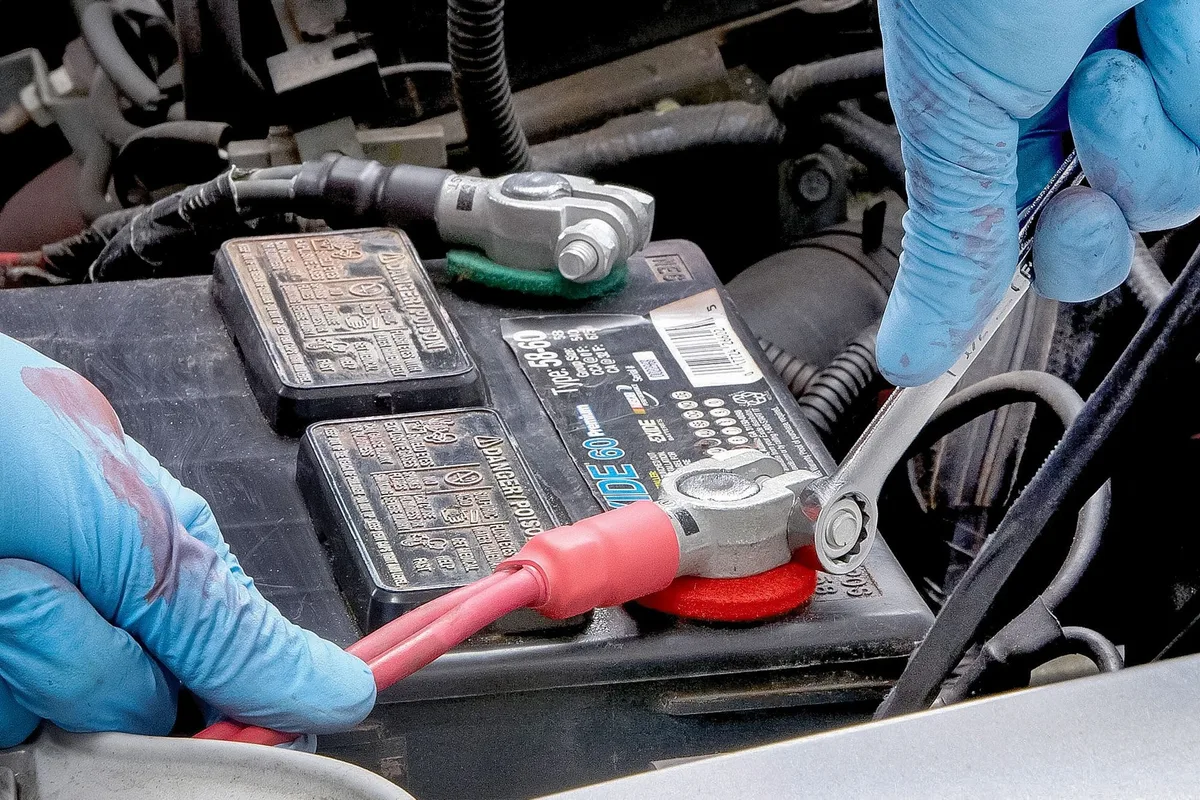
Image source: Bing (Web (fair-use with source credit))
Why This Isn’t a “Just Throw It Away” Situation
First, the legal reality. In nearly every state, disposing of a lead-acid car battery in the regular garbage is against the law. We’re not talking about a slap on the wrist, either.
Fines for illegal dumping can range anywhere from $50 to more than $10,000 depending on where you live. For context, that’s more than the cost of a brand new premium battery.
The environmental reasons are just as serious. A standard car battery contains about 18 pounds of lead and roughly a gallon of sulfuric acid. If that mixture ends up in a landfill, it can leak into groundwater and contaminate soil for decades.
The acid alone can eat through trash bags and corrode whatever it touches beneath the surface.
Here’s what actually happens when you recycle properly. The battery goes to a processing facility where it’s broken apart. The plastic casing gets cleaned and reused for new cases.
The lead gets melted down and refined for use in new batteries. The acid gets neutralized or converted into sodium sulfate, which is used in fertilizer and textiles. Nothing goes to waste.
The Core Charge System Explained
You’ve probably seen an extra fee on a new battery purchase and wondered what it was. That’s the core charge, a deposit you pay upfront and get back when you return your old battery. Retailers use this system to guarantee that old units come back for recycling.
The typical core charge runs between $10 and $20 per battery. When you bring your old battery in, the store refunds that deposit. If you buy a battery online or at a shop that doesn’t collect cores, you still have to return the old one somewhere.
Each state has slightly different rules about how retailers must handle this, but the system exists everywhere.
The Quick Answer: Your Best Drop-Off Options
Here’s what you need to know immediately. Your best option is any auto parts store. They take old batteries with no purchase required.
Most will give you store credit on the spot.
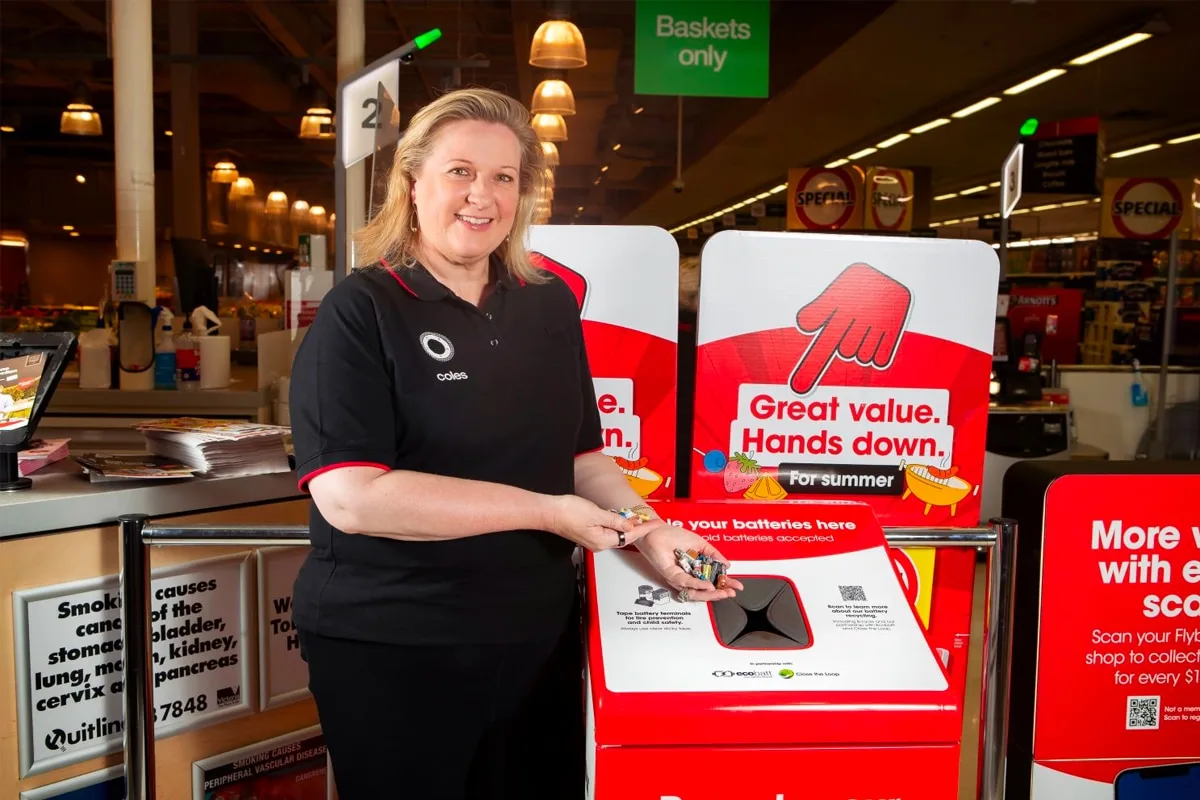
Image source: Web (Bing) / insidewaste.com.au (Web image (fair-use with source credit))
Big-box retailers like Walmart and Costco also accept them. Municipal hazardous waste events work well if you’re not near a store. Scrap yards pay cash for the scrap lead, usually around $5 to $15.
EV and hybrid batteries go through the manufacturer or dealership instead.
Here’s a quick comparison of your four main options:
| Option | Typical Payout | Convenience | Best For |
|---|---|---|---|
| Auto parts store | $10-15 store credit | High | Most people |
| Big-box retailer | Core charge refund | High | Buying a new battery |
| HHW event | Free | Low | Bulk disposal |
| Scrap yard | $5-15 cash | Medium | Cash seekers |
What to Do Right Now
Pick the option closest to you. Call ahead to confirm they accept batteries. Bag the battery in a heavy-duty garbage bag.
Tape the terminals. Drop it off and get your refund.
Auto Parts Store Drop-Off: The Easiest Route
Auto parts chains are the backbone of the car battery recycling system. AutoZone, Advance Auto Parts, and O’Reilly Auto Parts all take old batteries, and they don’t require a purchase.
Image source: Web (Bing) / insidewaste.com.au (Web image (fair-use with source credit))
This is huge. You can walk in with a dead battery from a car you sold years ago and hand it over the counter. No receipt needed.
No questions about where it came from. They take it because they get paid for the scrap lead. It’s not charity on their part, but the convenience works entirely in your favor.
The store credit you receive varies by location and current lead prices. Expect anywhere from $10 to $15 in store credit. Some locations offer cash instead, but that’s less common.
The credit is typically usable immediately on anything in the store, from oil filters to wiper blades.
What to Expect at the Counter
You’ll carry the battery to the service counter or sometimes a designated drop-off area near the entrance. A staff member will inspect it briefly for cracks or major damage. They’ll then weigh it or check its group size to determine the credit amount.
Most stores have a limit of two or three batteries per person per day. This prevents commercial operations from exploiting the system. If you’re clearing out a garage with five dead batteries, call ahead and ask about their volume policy.
Big-Box Retailers and Battery Specialists
Walmart leads the pack when it comes to volume. Every Walmart Supercenter with an auto care center has a battery recycling program. The process is simple: bring your old battery to the auto care desk and they’ll issue store credit or apply it to a new battery purchase.
Costco and Sam’s Club follow similar policies for members. The credit amount mirrors what you’d get at an auto parts store. The catch is that these membership warehouses often have more limited hours for their tire and battery centers.
Check your local store’s schedule before making the trip.
Battery Specialty Shops
Interstate Batteries operates dedicated retail locations in many cities. These shops handle batteries exclusively, so they’re equipped for anything you bring in, including marine and commercial units.
Local battery wholesalers are another solid option. They supply to auto repair shops and often have better pricing on new batteries. They’ll also take your old one for recycling.
The advantage here is that you’re dealing with true specialists who understand every battery type and chemical composition.
Marine and Specialty Battery Exceptions
Here’s where things get tricky. Many retailers limit what they’ll accept. Marine batteries, especially deep-cycle units, have different internal construction and may not qualify for the standard core charge.
Some stores reject damaged or swollen batteries outright due to safety concerns. A battery with a cracked case is technically hazardous waste and requires special handling. Call ahead and describe the condition honestly.
If they won’t take it, your municipal hazardous waste event becomes the right destination.
Municipal Hazardous Waste Events: The Official Channel
If you live in a rural area or you’re dealing with an odd battery type, your local government has you covered. Most counties and cities operate household hazardous waste collection programs, often abbreviated as HHW.
These events typically happen a few times per year. They’re free for residents, funded through your tax dollars. You can bring paint, old oil, electronics, and various chemicals, including batteries of every kind.
It’s the catch-all solution when no retailer will take what you have.
How to Find Your Local Program
Search online for your city or county name plus “hazardous waste disposal.” You can usually find the schedule on the public works or environmental services page. Alternatively, call your local waste management department directly.
The events are usually held at a central transfer station or landfill site. Hours are typically Saturday mornings from 8 AM to noon. Expect a line, especially on nice weekends.
Bring proof of residency like a driver’s license or utility bill.
What You Can Bring Beyond Batteries
These events are the perfect opportunity to clear out other hazardous items. Oil-based paints, fluorescent light bulbs, pesticides, and automotive fluids are all accepted at most events. Group everything together and make one trip.
This is also where you bring batteries that retailers refuse. Swollen lithium-ion packs from laptops, cracked lead-acid units, and ni-cad power tool batteries all belong here. The staff at these events are trained to handle hazardous materials safely.

Leave a Reply