
A dead battery is heavy, filthy, and full of toxic material — and it's the one part of your car you absolutely cannot set out with the recycling bin. If you're wondering where can you dispose of car batteries safely, legally, and maybe even profitably, this guide covers every route.
Here's the short version: almost any auto parts store will take it off your hands with no purchase required, and most will hand you $10–$15 in store credit on the spot. Big-box retailers, scrap yards, and your county's hazardous waste program all work too. The catch is knowing which option fits your situation — a cracked case, a swollen hybrid pack, and a healthy-but-old battery all follow different rules.
Below you'll find every drop-off option compared, what each one pays, how to transport the battery without wrecking your trunk, and the mistakes that trip people up at the counter.
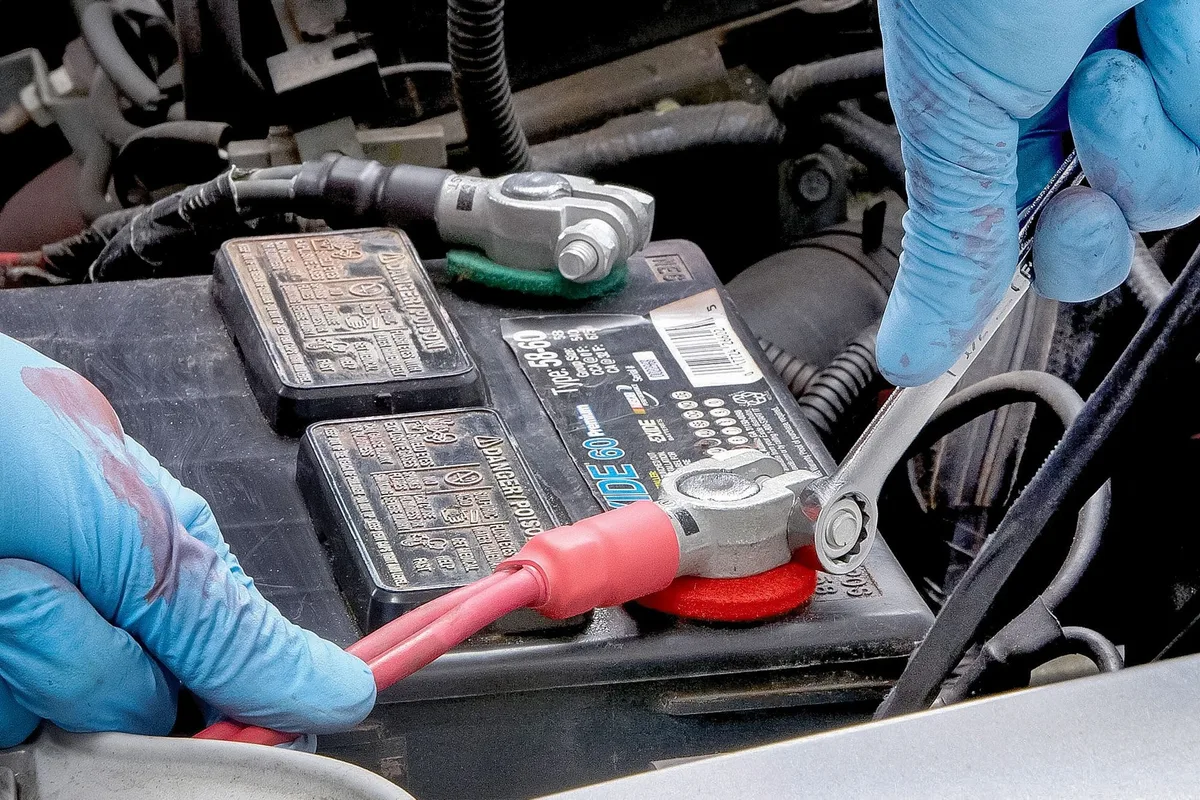 A spent lead-acid battery waiting in the garage — it needs a proper recycling facility, not the trash bin.
Image source: Bing (Web (fair-use with source credit))
Why You Can't Just Toss a Car Battery in the Trash
Start with the legal reality. In nearly every state, putting a lead-acid battery in household garbage is against the law. Spent batteries are regulated as universal waste, and the Environmental Protection Agency governs how they're handled, with most states adding their own mandatory take-back rules on top. Fines for dumping one in a field, dumpster, or curbside bin range from around $50 into the thousands of dollars depending on where you live — more than a premium replacement battery costs new.
The environmental reasons are just as serious. A typical battery holds roughly 18 pounds of lead — a potent neurotoxin — and close to a gallon of sulfuric acid. If that casing corrodes in a landfill, the acid eats through trash bags and leaches lead into soil and groundwater, where contamination can persist for decades. A common mistake is assuming "one battery at the dump won't matter." Multiply that by every household in the county and you can see why regulators treat this so strictly.
What Actually Happens When You Recycle One
Lead-acid batteries are the closest thing consumer products have to a perfect recycling loop — industry data consistently puts the recycling rate near 99 percent, well above aluminum cans or glass bottles. Here's the process:
- The battery is broken apart at a licensed processing facility and the acid is drained.
- The acid is neutralized, or converted into sodium sulfate for use in fertilizer, glass, and textiles.
- The polypropylene case is cleaned, ground up, and melted into new battery cases.
- The lead plates are smelted, refined, and cast into new grids and terminals for brand-new batteries.
Nothing goes to waste. The battery in your car right now very likely contains lead that has already been recycled several times over.
The Quick Answer: Where Can You Dispose of Car Batteries?
You have five main routes, and for most people the first one wins:
| Drop-off option | What you get | Convenience | Best for |
|---|---|---|---|
| Auto parts store | $10–$15 store credit, no purchase needed | High | Most people |
| Big-box retailer (Walmart, Costco) | Core charge refund or credit | High | Buying a replacement the same day |
| Scrap yard / metal recycler | $5–$15 cash per battery | Medium | Clearing out several batteries |
| Household hazardous waste (HHW) event | Free, compliant disposal | Low | Damaged or unusual batteries |
| Dealership or EV service center | Manufacturer take-back | Medium | Hybrid and EV packs |
Your 10-Minute Action Plan
- Inspect the case. If it's cracked, leaking, or swollen, skip the retailer and go straight to your county's HHW program.
- Call your nearest auto parts store to confirm they're accepting batteries and ask about their per-person limit.
- Tape both terminals, slide the battery into a heavy-duty bag, and keep it upright in the trunk.
- Hand it over the counter and collect your credit or refund on the spot.
- If you're buying a replacement, bring the old battery with you first so you don't forfeit the core charge.
Make Sure the Battery Is Actually Dead First
Spend thirty seconds on this before you dispose of anything. In practice, a surprising number of batteries dropped off at stores aren't worn out — they're just deeply discharged after a light was left on or the car sat for weeks. A proper charge can bring those back to full service, and a battery that cranks strongly afterward isn't garbage.
Watch for the real warning signs of symptoms of a failing battery: slow cranking on warm mornings, dimming headlights at idle, a warped or bulging case, or a unit that won't hold a charge even after a full recharge. If your battery is five-plus years old and shows those signs, a fresh unit is almost always the smarter buy than one more recovery attempt.
Before condemning it, though, rule out a simple flat. If the car runs normally after a proper jump start, the battery may still have real service life left. And if the car simply sat unused for a few weeks, a full overnight charge on a bench charger often revives it completely. Dispose of it only once it genuinely fails a load test or shows physical damage.
The Core Charge System Explained
You've probably noticed an extra line item — usually $10 to $20 — on a new battery receipt. That's the core charge: a refundable deposit retailers collect to guarantee old units flow back into the recycling stream instead of into landfills, and many states legally require it.
Hand over your old battery when you buy the new one and the deposit comes straight off your bill. Forget it at home and you forfeit the money — though most retailers let you bring the core back within a set window and collect the refund later. Keep your receipt until you do.
If you order a battery online, the seller never collects a core, so disposal is entirely on you — plan a drop-off trip regardless. And if the counter pricing stings, that's largely raw-material driven: lead demand is the main reason replacement batteries cost so much.
Auto Parts Store Drop-Off: The Easiest Route
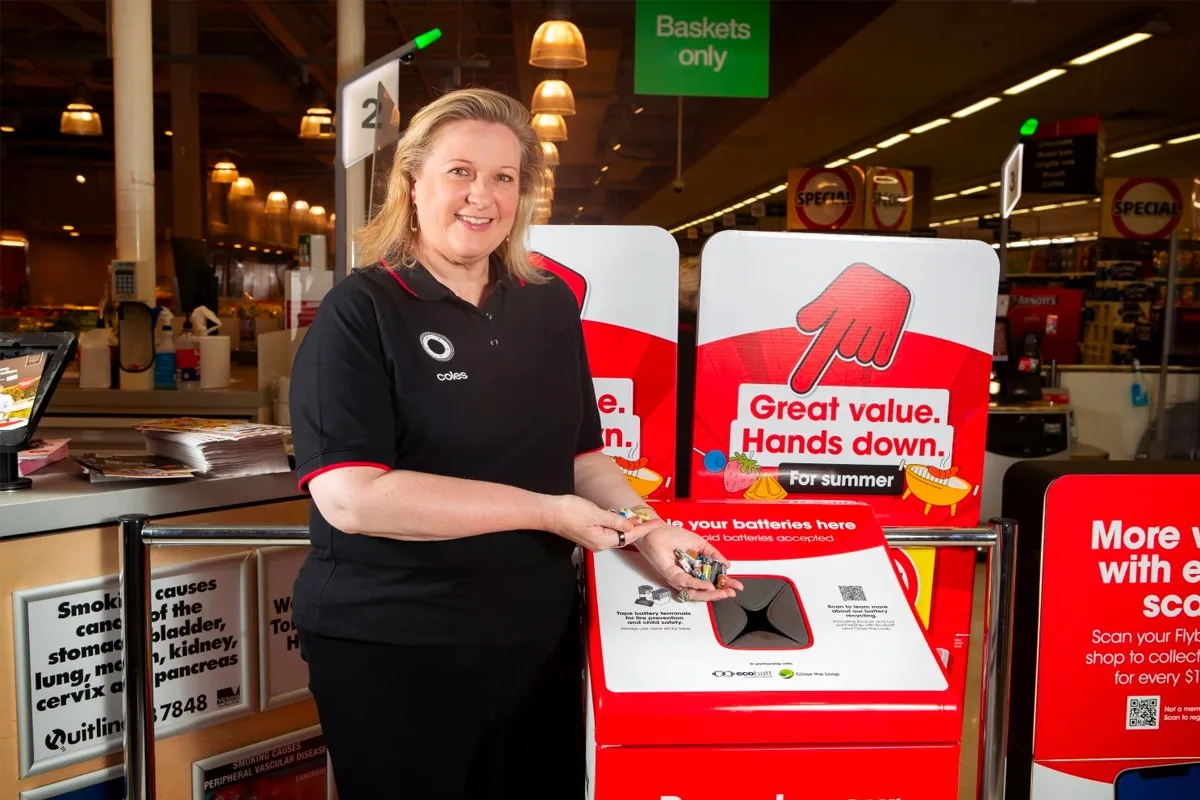 A used battery handed over at the service counter — credit is issued on the spot.
Image source: Web (Bing) / insidewaste.com.au (Web image (fair-use with source credit))
Auto parts chains are the backbone of battery recycling. AutoZone, O'Reilly, Advance Auto Parts, and NAPA all accept old batteries with no purchase and no receipt required. You can walk in with a battery from a car you sold years ago and hand it over — they take it because the scrap lead inside has real value, not out of charity.
Expect $10–$15 in store credit, usable immediately on anything from wiper blades to oil filters. A few locations pay cash, but credit is the norm. If that credit is going toward a replacement anyway, it's worth choosing a battery brand that lasts rather than grabbing the cheapest unit on the shelf — the price gap is small over a battery's full lifespan.
What to Expect at the Counter
Carry the battery to the service counter or the designated drop-off spot near the entrance. A staff member will inspect it briefly for cracks or leaks, then weigh it or check the group size to set your credit amount. Most locations cap drop-offs at two or three batteries per person per day to keep commercial scrappers from exploiting the system — if you're clearing out a garage with five dead units, call ahead and ask about their volume policy.
Big-Box Retailers and Battery Specialists
Walmart handles more battery returns than almost anyone. Every Supercenter with an Auto Care Center accepts old batteries — bring yours to the desk and they'll issue store credit or apply it against a new battery. Costco and Sam's Club do the same for members through their tire and battery centers. The trade-off is limited hours: those service desks often close earlier than the main store, so check your location's schedule before hauling a 40-pound battery across the parking lot for nothing.
Battery Specialty Shops
Interstate Batteries dealers and independent battery wholesalers are strong alternatives. Because they deal in nothing but batteries, they'll take marine, golf cart, and commercial units that general retailers sometimes refuse, and their staff can identify any chemistry on sight. Local wholesalers also tend to price new batteries aggressively since they supply repair shops directly. If you're holding an oddball battery, start here before resorting to a hazardous waste event.
Marine, Damaged, and Specialty Battery Exceptions
This is where drop-offs get tricky. Deep-cycle marine batteries have different internal construction, and some retailers won't apply the standard core credit to them. More importantly, stores routinely reject damaged units — a cracked or swollen case is technically hazardous waste, and staff are trained not to accept one.
Call ahead and describe the condition honestly: cracks, bulging, crust around the seals. If a store declines it, your municipal HHW facility is the right destination, and they'll take it free. Never try to drain or neutralize the acid yourself to make a battery "acceptable" — you're far more likely to burn yourself than to solve anything.
Municipal Hazardous Waste Events: The Official Channel
If you live rurally, or you're holding a battery no retailer will touch, your county or city almost certainly operates a household hazardous waste (HHW) program. These collection events run a few times per year, they're free for residents because your taxes already fund them, and they accept batteries of every chemistry alongside paint, solvents, and used oil. It's the catch-all that keeps you legally covered.
How to Find Your Local Program
Search your city or county name plus "hazardous waste disposal" — schedules usually live on the public works or environmental services page. You can also call your waste management department directly, or use the drop-off locator at Call2Recycle, a nonprofit battery recycling organization that maps participating retailers and facilities by ZIP code. Events typically run at a central transfer station on Saturday mornings. Bring proof of residency, and expect a line on the first pleasant weekend of the season.
What Else You Can Bring
Make the trip count. Oil-based paint, fluorescent tubes, pesticides, antifreeze, and old gasoline are accepted at most events. This is also the correct destination for swollen laptop packs, cracked lead-acid cases, and old power-tool batteries — anything a retailer refuses. Box items separately, keep liquids upright, and handle everything in one trip instead of three.
How to Remove and Transport a Battery Safely
Getting the battery out and to the drop-off without incident matters as much as choosing the destination:
- Wear gloves and safety glasses — battery acid burns skin and etches concrete.
- With the ignition off, loosen and remove the negative terminal first, then the positive.
- Undo the hold-down bracket and lift the battery straight up; they weigh 30 to 50 pounds, so use your legs.
- Never tip a battery on its side — acid can seep past the caps.
- Tape both terminals or cap them, then slide the battery into a heavy-duty bag or a battery box.
- Transport it upright in the trunk or truck bed, wedged so it can't slide, and wash your hands afterward.
If you spot that crusty white terminal buildup around the posts, neutralize it with baking soda and water before removal rather than scraping dry flakes into the tray. And if this is your first time doing the job yourself, expect a full swap to take 30–60 minutes, not the ten minutes the videos suggest.
Scrap Yards: Cash Instead of Credit
Scrap and metal recyclers pay by weight, since the lead plates are what they're after. Payouts generally land between $5 and $15 per battery, tracking the lead market, so call your local yard for the current per-pound rate before you load up. Bring a photo ID — most yards require it before paying — and expect them to weigh the battery in front of you. If you're clearing out several old units from a garage or a small fleet, this is usually the highest-paying route, and unlike stores there's typically no per-person limit.
Hybrid and EV Batteries Are a Different Story
Never carry a hybrid or EV traction pack to an auto parts store. These packs run at hundreds of volts, weigh hundreds of pounds, and can hold a lethal charge even when the car won't start. Take them to a dealer or authorized service center instead — manufacturers operate take-back and recycling programs for exactly this. If you'd rather postpone that day entirely, the habits covered in stretching a hybrid battery's lifespan make a measurable difference in how long the pack survives.
Common Mistakes That Cost People Money
- Tossing the old battery before buying the replacement. No old unit at the counter means no core refund — that's $10–$20 gone.
- Skipping the load test. People regularly recycle batteries a simple recharge would have saved.
- Leaving terminals untaped in transit. A terminal bridging against stray metal in your trunk can short and spark.
- Assuming every retailer takes every battery. Marine, damaged, and specialty units often get refused at the counter.
- Letting it sit for months. Cases corrode and acid weeps; the sooner it re-enters the recycling loop, the better.
Conclusion
You have more good options than you probably expected: an auto parts store for instant credit, a big-box retailer or scrap yard for volume, and your county's HHW program for anything cracked, swollen, or unusual. The only wrong answer is the trash bin — it's illegal, it can fine you thousands, and it puts lead and sulfuric acid exactly where they don't belong.
One clear next step: today, put on gloves, tape the terminals, bag the battery, and drive it to your nearest auto parts store. Ten minutes later it's out of your garage and you're holding credit toward the replacement.
If you want to keep the rest of the car in the same shape, our other hands-on maintenance walkthroughs cover everything from batteries to interiors.
Frequently Asked Questions
Can I put a car battery in the regular trash?
No. Disposing of a lead-acid battery in household garbage is illegal in nearly every state, with fines ranging from around $50 into the thousands. Each battery contains roughly 18 pounds of toxic lead and a gallon of sulfuric acid. Take it to an auto parts store, retailer, or hazardous waste facility instead.
How much money can I get for an old car battery?
Auto parts stores typically give $10–$15 in store credit with no purchase needed. Scrap yards pay $5–$15 cash depending on weight and current lead prices. If you're buying a replacement, returning the old unit at purchase refunds your $10–$20 core charge. Call ahead — payouts shift with the lead market.
Do auto parts stores accept batteries without a purchase?
Yes. AutoZone, O'Reilly, Advance Auto Parts, and NAPA take old batteries over the counter with no receipt and no questions asked. Most locations limit you to two or three per day. Staff will inspect the case for cracks, so be upfront about the battery's condition before you make the trip.
What should I do with a leaking or swollen battery?
Don't carry it loose or try to open it. Put on gloves and eye protection, set the battery upright in a plastic bin or box with absorbent material around it, and avoid skin contact. A leaking battery is hazardous waste, so take it to a household hazardous waste facility rather than a store.
How long can I keep an old battery before dropping it off?
Days, not months. Store it upright in a cool, dry spot off the ground, with both terminals taped and away from children, pets, and metal tools. Casing corrosion and acid seepage get worse with time, and a shorted terminal can spark. Plan the drop-off trip within a week or two.
Does Walmart or Costco take old car batteries?
Walmart's Auto Care Centers accept old batteries and issue store credit or apply it to a new purchase. Costco and Sam's Club take them too, but only through their tire and battery centers and only for members. Both mirror auto-parts-store payouts — just check service desk hours before you go.

Leave a Reply