
You park your car. You hop on a flight or head to a work trip. Two weeks later, you return, slide behind the wheel, and turn the key.
Nothing. Not even a click. That flat, lifeless silence is one of the most common frustrations car owners face, and it begs the simple question: how long can a car sit before battery dies?
The honest answer is that it depends on several factors, but most vehicles with a healthy battery will start reliably after sitting for two to three weeks. Push that to four weeks, and you are gambling.
The reality is that your battery is never truly “off.” Even when the ignition is off, your car’s computer, clock, alarm system, and a handful of other electronics keep sipping power. This constant drain, called parasitic draw, typically sits between 30 and 85 milliamps. That might sound tiny, but over a month, it adds up to a significant chunk of your battery’s capacity.
Understanding this hidden power usage is the key to never being stranded.
The Short Answer: How Many Days Before Your Car Won’t Start?
Most cars will start after sitting for two to three weeks. A battery in good shape, in a moderate climate, can usually handle 15 to 20 days without a problem. After that, the math starts working against you.
The formula is simple. A typical car battery stores roughly 45 to 80 amp-hours of energy. Your car draws about 0.05 amps per hour when off.
That means you lose roughly 1.2 amp-hours every day. By day 15, you have used almost half your accessible capacity. Since you never want to drop below 50% state of charge, day 15 is the practical limit.
Here is the catch. Battery age changes everything. A brand-new battery has more reserve capacity.
A three-year-old battery loses capacity every season, especially in hot climates. So while a new battery might last a month, one approaching its fourth year might die in just ten days. If you have a modern vehicle with lots of electronics, the drain is heavier.
| Time Parked | What to Expect |
|---|---|
| 1–7 days | Usually low risk with a healthy battery |
| 8–14 days | Usually fine, but battery health matters |
| 15–21 days | Higher risk, especially with an older battery |
| 3–4 weeks | Dead-battery risk becomes more significant |
| 1+ month | Use a battery maintainer or storage precautions |
Why Your Car Drains the Battery Even When It’s Off
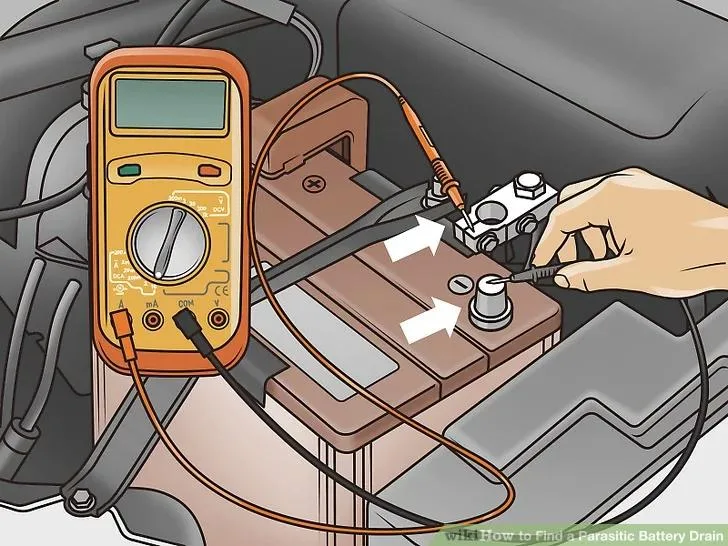
Image source: Web (Bing) / therangerstation.com (Web image (fair-use with source credit))
Your car is never fully asleep. The engine stops, but some electronic systems keep working. The engine control unit, or ECU, and other onboard modules use a small amount of power while the car is parked.
This is known as parasitic drain. It is the small amount of electricity your car uses even when the engine is off. The same goes for the clock in your dashboard, radio presets, and keyless entry receiver.
Security systems can also add to this standby load. An alarm system with motion sensors, hood-latch monitors, and interior sensors may use more power than a basic setup. Aftermarket dash cams can be a bigger concern, especially when they are hardwired and left running in parking mode.
Many dash cams are wired directly into the fuse box and may keep drawing power when the car is parked. If the dash cam does not have proper low-voltage protection, it can drain a healthy battery within days.
The list of hidden loads is longer than most people think:
- Onboard computers that maintain engine and transmission memory
- The clock and stereo presets that need constant power
- Keyless entry receivers that listen for your key fob
- Security systems with sensors and shock detectors
- Aftermarket accessories such as dash cams and GPS trackers
If you park a modern SUV with a premium sound system, a factory alarm, and a dash cam, the battery may have a shorter standby window than a basic older sedan. Modern vehicles have more electronic systems that need a small amount of power while parked. When those systems or aftermarket accessories fail to enter sleep mode properly, the battery can drain much faster.
How Long Is Too Long? The Real Numbers
The precise answer depends on your battery’s amp-hour rating and your car’s specific parasitic draw. You can calculate your own limit with a little basic math and a multimeter. But first, here are the benchmarks that matter.
| Battery Condition | Typical Drain | Safe Sitting Time | Critical Zone |
|---|---|---|---|
| New, full charge | 30–50 mA | 4–6 weeks | Day 25+ |
| Good, 1–3 years old | 30–60 mA | 3–4 weeks | Day 20+ |
| Aging, 4+ years | 50–85 mA | 1–2 weeks | Day 10+ |
| Weak, below 12.4V | Any | 3–5 days | Day 4+ |
The voltage numbers tell the real story. A fully charged battery reads about 12.6 volts when the car is off. At 12.4 volts, you are at about 75% capacity.
At 12.0 volts, you are at 50%, which is the absolute floor. Testing with a multimeter is the only way to know where you stand. If you want to walk through the process, checking your battery’s resting voltage is a straightforward DIY job.
The Danger Zone Below 12.0 Volts
Dropping below 12.0 volts does more than just prevent a start. It starts a chemical process called sulfation. Lead sulfate crystals form on the battery’s internal plates.
These crystals harden over time and permanently reduce capacity.
A battery that sits at 11.5 volts for a week or more might never recover its full cranking power. Even a jump start won’t fix the damage. In our research, batteries that experience repeated deep discharges rarely last beyond their third year.
The damage is invisible but real.
Manufacturer specifications indicate that a standard lead-acid battery should not be stored below a 50% state of charge. If you plan to leave your car for more than two weeks, you are entering risky territory. The battery might start today, but every deep discharge shortens its lifespan.
The Variables That Change Everything
Battery Age and State of Health
Age is the single biggest factor. A two-year-old battery in excellent condition has far more reserve capacity than a five-year-old battery that has survived three harsh summers. Heat is the silent killer.
Under-hood temperatures can exceed 200°F, accelerating chemical breakdown inside the battery.
If your battery is older than four years, you should not trust it for long storage. Per Battery Council International (BCI) guidelines, testing is recommended twice a year for batteries in normal service. Monthly testing is wise if you regularly let the car sit.
Climate: Why Heat Kills Faster Than Cold
Cold weather might be harder on starting, but heat is harder on battery life. High temperatures accelerate corrosion and water loss inside the battery. A battery in Phoenix will age dramatically faster than the same model in Seattle.
Every 15°F increase above 80°F doubles the rate of internal degradation.
Cold weather affects available power. At 0°F, a battery loses about 35% of its cranking amps. So a battery that struggles to start in cold conditions often fails completely after sitting in an unheated garage.
The combination of storage drain and cold-start demand is brutal.
Battery Type: Flooded, AGM, or Lithium
Most vehicles still use flooded lead-acid batteries. They are affordable and reliable but have higher self-discharge rates. Absorbent Glass Mat, or AGM, batteries hold their charge better and handle deep discharges more gracefully.
They cost more but are a favorite for vehicles that sit.
| Battery Type | Self-Discharge Per Month | Best For |
|---|---|---|
| Flooded lead-acid | 3–5% | Daily drivers |
| AGM | 1–3% | Storage, start-stop systems |
| Lithium | 1–2% | RVs, high-end builds |
Lithium batteries are becoming more common in specialty vehicles and motorcycles. They have excellent shelf life but require special chargers. Using the wrong charger can damage them permanently.
Your Car’s Specific Electronics Package
A basic car with manual locks and a simple radio draws almost nothing. A luxury sedan with a telematics system that communicates with the manufacturer’s cloud can draw significantly more. Electric and hybrid vehicles have separate high-voltage batteries that maintain themselves, but the 12V auxiliary battery still needs attention.
Modern vehicles with start-stop systems often use EFB (Enhanced Flooded Battery) technology. These batteries are tuned for frequent cycling but still drain like any other when parked. In our research, owners of late-model European vehicles report shorter sitting windows than owners of older Japanese or American models.
Decision Tree: How Long Can YOUR Car Sit?
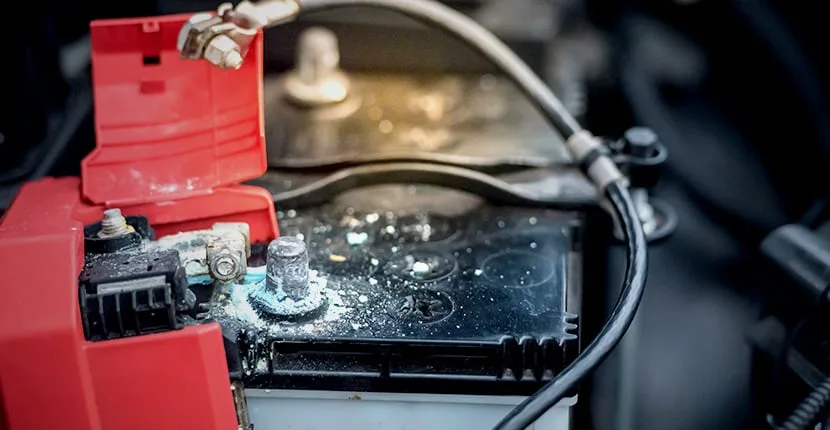
Image source: Bing (Web (fair-use with source credit))
Instead of guessing, work through this quick decision tree. It takes about thirty seconds and gives you a clear answer based on your unique situation.
Branch 1: Healthy Battery, Modern Car, Moderate Climate
If your battery is under three years old, your car is stock, and you live somewhere without extreme temperatures, plan for two to three weeks. This is the safe zone. No preparation needed for trips under 10 days.
For trips up to three weeks, consider a quick voltage check before you leave.
Branch 2: Aging Battery, Cold Weather, Longer Trips
If your battery is over four years old or you park in freezing temperatures, your window shrinks to roughly 5 to 10 days. Do not gamble. Either connect a maintainer or disconnect the negative terminal.
Forgetting this step is how you return from vacation to a dead car.
Branch 3: Classic Car or Modified Vehicle
Classic cars with mechanical fuel pumps and minimal electronics can sit for weeks or even months. Their parasitic draw is negligible. Modified vehicles are the opposite.
Extra amplifiers, lighting, or tracking systems increase draw. If you have aftermarket gear, treat your car like a modern vehicle with heavy drain.
Branch 4: Extreme Heat or Long-Term Storage
If you park in a hot garage or plan to leave for over a month, you need active measures. A battery maintainer is the safest solution. If no power is available, disconnect the battery and keep it indoors where temperatures are stable.
Final Verdict
The key takeaway: there is no universal answer. Your neighbor’s truck might sit for a month, but your sedan might die in ten days. The decision tree above can help you estimate your car’s safe sitting time.
If you discover your battery is dead after storage, don’t panic. A healthy car can often sit for two to three weeks, but battery age, weather, and electrical drain can shorten that window. If your car will sit longer, test the battery and use a maintainer when possible. Don’t wait until you return to discover the battery is dead.

Leave a Reply