
So, you’re wondering if those car seat covers are actually breathable, right? It’s a totally common question, especially when you’re thinking about keeping things comfy for yourself or your little ones on those long drives or during those sweltering summer days. We all want to avoid that sticky, sweaty feeling, and the good news is, breathability is a huge deal when it comes to car seat covers.
When we talk about a car seat cover being “breathable,” we’re basically asking if it lets air flow through. Think of it like wearing a cotton t-shirt versus a plastic rain jacket on a hot day. The cotton lets your skin breathe; the rain jacket traps everything in.
That’s the essential difference we’re looking for with car seat covers.
Quick Answer
Yes, many car seat covers are designed to be breathable, utilizing materials like mesh, cotton knits, and performance fabrics. Breathability allows for better airflow, which helps regulate temperature and manage moisture, leading to increased comfort and reducing heat buildup. However, materials like leather or tightly woven synthetics can trap heat and are generally not considered breathable.
Why Breathability in Car Seat Covers Actually Matters
Breathability isn’t just a buzzword; it has practical implications for comfort, health, and the overall feel of your vehicle’s interior. When a car seat cover is breathable, it means air can circulate through the fabric. This circulation helps prevent that dreaded stuffy, sticky sensation that can make even a short drive feel miserable.
For baby car seat covers, this is even more critical as little ones are less able to regulate their own body temperature. As of 2026, manufacturer specifications for many premium car seat covers increasingly highlight advanced breathable materials.
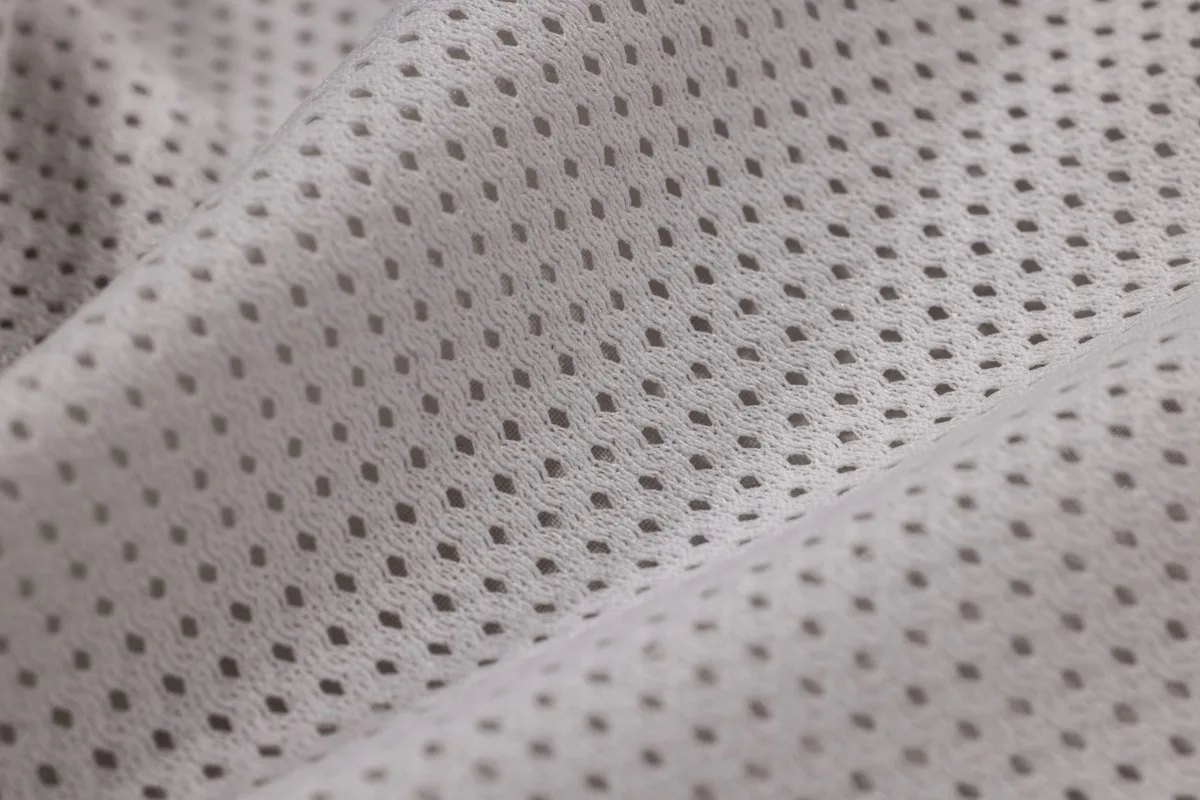
Image source: Pexels / Engin Akyurt (Pexels License)
The Sticky Truth: Common Problems with Non-Breathable Covers
When a car seat cover lacks breathability, you’ll often run into a few common issues. The primary problem is heat and moisture entrapment. This leads to a feeling of being clammy and uncomfortable, especially during warmer months or in humid climates.
For babies and young children, excessive trapped heat can be a real concern, potentially leading to overheating. Aggregate user reviews frequently report discomfort and increased sweating when using covers made from non-breathable materials.
What Does “Breathable” Even Mean for Fabric?
“Breathable” fabric essentially means it allows water vapor to pass through. Think of it like a one-way valve: it lets sweat vapor escape from your body, but it doesn’t let liquid water in. This property is measured in terms of how much air or water vapor can pass through a square meter of fabric in 24 hours, often referred to as MVTR (Moisture Vapor Transmission Rate).
For car seats, this means the fabric allows the air inside the car to circulate, preventing a buildup of heat and moisture between you and the seat.
Your Breathability Breakdown: Key Materials Compared
When shopping for car seat covers, the material is the biggest determining factor in its breathability. You’ll see a wide range of fabrics, each with its own set of pros and cons regarding airflow and comfort. Understanding these differences can help you pick the best option for your needs, whether it’s for a child’s car seat or your daily driver.
High-Flow Favorites: Mesh & Performance Synthetics
Mesh fabrics are often the top choice when maximum airflow is the priority. They are constructed with an open weave, creating tiny holes that allow air to pass through freely. This makes them incredibly effective at preventing heat and moisture buildup, keeping surfaces cool and dry.
You’ll find mesh used in many car seat covers, particularly those designed for hot weather or sporty seating designed for enhanced ventilation. Specialized performance polyesters also fall into this category; many are engineered with advanced weaves and treatments to specifically enhance breathability and moisture-wicking capabilities, going beyond standard synthetic weaves.
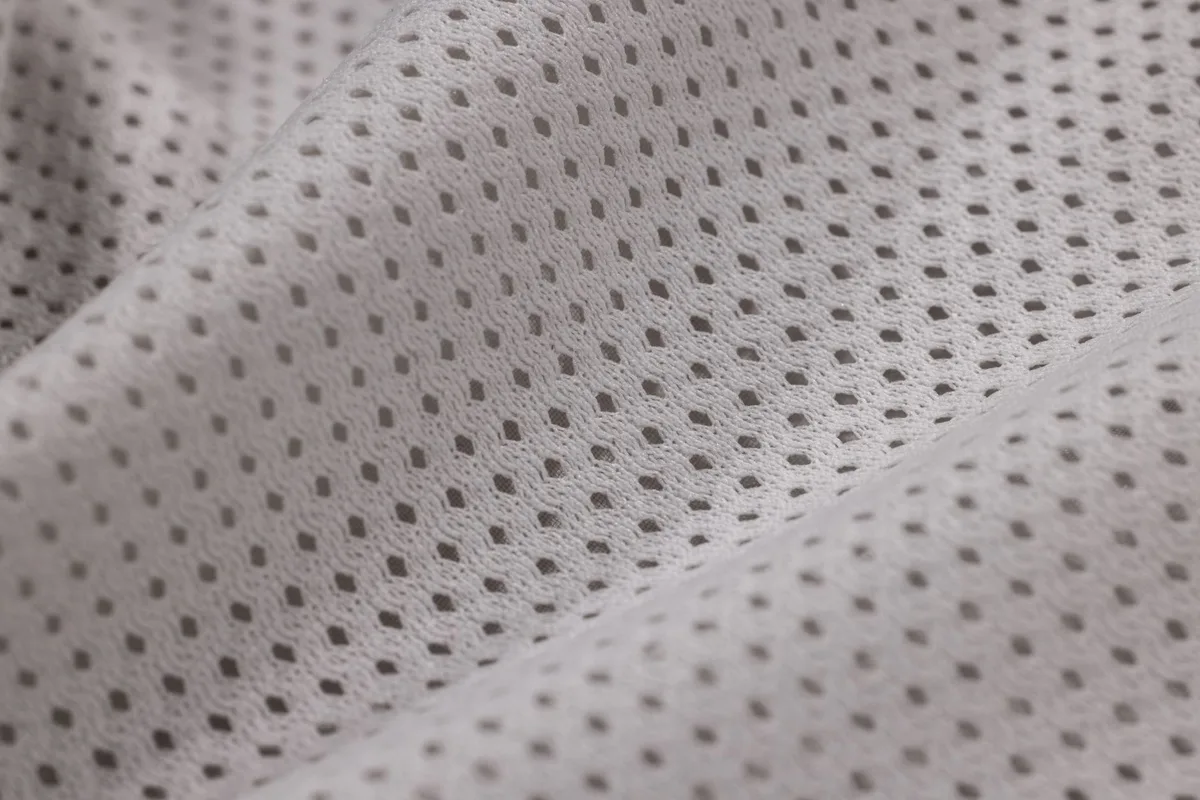
Image source: Pexels / Engin Akyurt (Pexels License)
Performance fabrics often boast quick-drying properties; for example, some engineered polyesters can dry in a fraction of the time compared to cotton. This is a huge plus for maintaining a comfortable interior, especially after spills or in humid conditions. You might also find details on the fabric’s specific breathability rating, though this isn’t always standardized across all brands, making material type a more reliable indicator.
Natural Comfort: Cotton Knits & Bamboo Blends
Cotton sits at the top of the list for natural, comfortable materials. Cotton knits, in particular, offer a good balance of softness and breathability. They allow for decent airflow, making them a generally comfortable choice for everyday use.
Bamboo blends often share similar qualities; their natural fibers are known for being soft and having good moisture-wicking properties, which contributes to breathability.
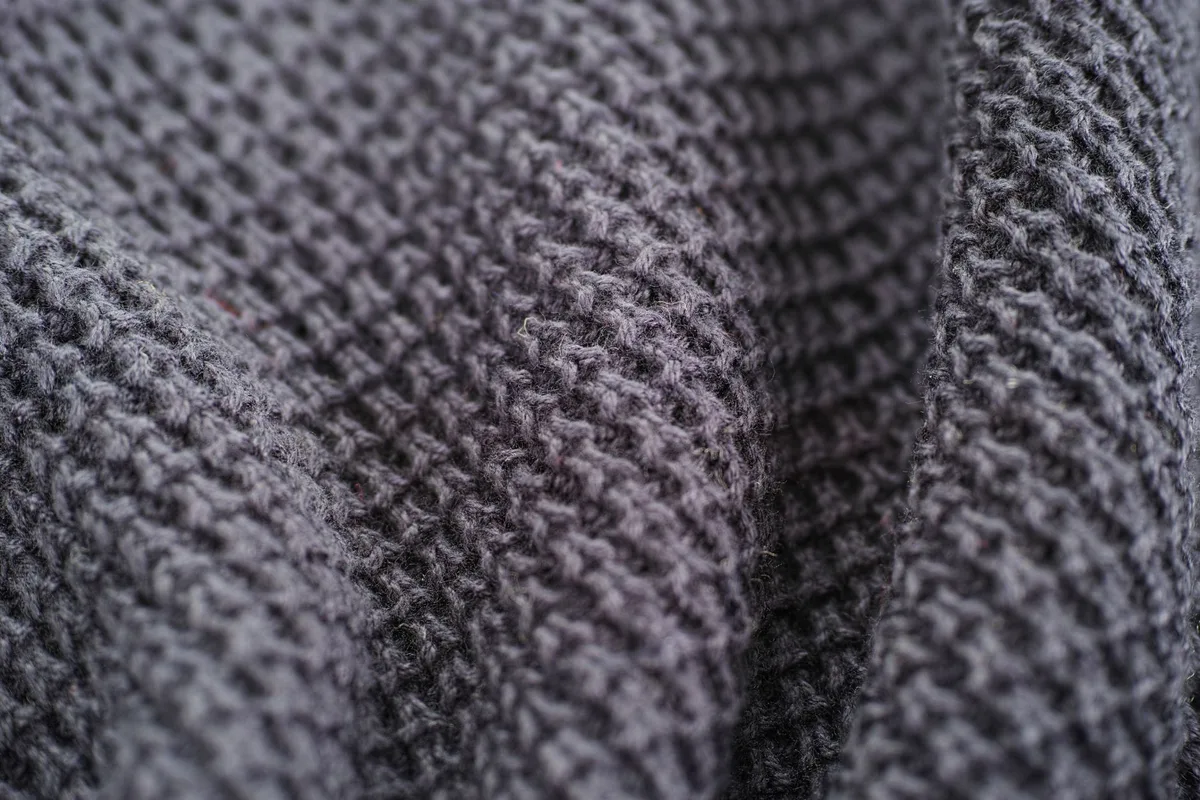
Image source: Pexels / Engin Akyurt (Pexels License)
While cotton and bamboo are comfortable, it’s worth noting how they handle moisture. They tend to absorb moisture more readily than some synthetic performance fabrics. This means while they take moisture away from the skin, they might hold onto it longer and take more time to dry out completely.
This is something to consider if you live in a very wet environment or expect frequent spills. For parents, the gentle nature of these fibers on sensitive skin is a significant advantage.
The Others: Plush, Fleece, and Why They Trap Heat
When you think of cozy, plush, and fleece fabrics, comfort is usually the first thing that comes to mind. However, in terms of breathability, these materials can be a mixed bag. They are often designed for warmth and softness, which means their weave can be denser, trapping air and heat rather than letting it circulate freely.
This can be fantastic for keeping warm in cooler weather, but it can lead to significant discomfort and sweating when temperatures rise.
Aggregate user reviews frequently point out that plush or fleece car seat covers can feel quite warm, especially during prolonged use in non-air-conditioned vehicles. While some manufacturers might incorporate micro-vents, their primary structure often prioritizes insulation over airflow. If you’re in a warm climate or often drive without AC, these materials might not be your best bet for day-to-day comfort.
They might be better suited for seasonal use or for covering seats in cooler months.
The Heat Trappers: Leather and Faux Leather
Leather and faux leather (vinyl or PU leather) are popular for car seat covers due to their durability and ease of cleaning. However, when it comes to breathability, they perform poorly. These materials are essentially non-porous, meaning they do not allow air or moisture vapor to pass through.
This creates a barrier that traps heat and sweat directly against the seat and its occupant.
Manufacturer specifications for automotive leather almost always highlight its resistance to spills and ease of wiping down, but rarely mention breathability. In practice, sitting on a leather seat in warm weather can feel like sitting on a vinyl record, hot and sticky. For drivers or passengers who tend to overheat or live in hot climates, opting for covers made from leather or faux leather would likely lead to significant discomfort.
If easy cleaning is the primary goal, and comfort in heat is secondary, they might still be considered, but breathability is certainly not their strong suit.
Staying Cool: Best for Hot Climates and Summer Drives
If you live somewhere with consistently hot weather or frequently deal with sweltering summer days, breathability in your car seat covers becomes a top priority. Opting for materials like mesh or specially engineered performance fabrics will make a significant difference in your driving comfort. These fabrics allow for continuous airflow, which helps to dissipate heat that would otherwise build up and make the seat feel like an oven.
Think about those instances where you step out of an air-conditioned building into a car that’s been baking in the sun. Even with the AC running, a non-breathable seat cover can keep you feeling uncomfortably warm and damp. For drivers who spend a lot of time in their vehicles, especially during peak summer months, investing in covers known for excellent breathability can transform your daily commute from a sweaty ordeal into a much more pleasant experience.
Comfort for Little Ones: Why Babies and Toddlers Benefit
For infants and toddlers, comfort and safety go hand-in-hand, and breathability plays a crucial role in both. Little ones have a harder time regulating their body temperature compared to adults. This means they are more susceptible to overheating, which can lead to discomfort and distress.
A breathable baby car seat cover helps to prevent this by allowing air to circulate around them, wicking away moisture like sweat.
Manufacturer specifications for premium baby car seat covers often highlight their use of certified breathable materials to meet safety and comfort standards. This helps ensure that the cover enhances, rather than detracts from, the child’s well-being during car journeys. For parents, choosing a cover with good airflow means peace of mind, knowing their child is less likely to become overheated or feel clammy.
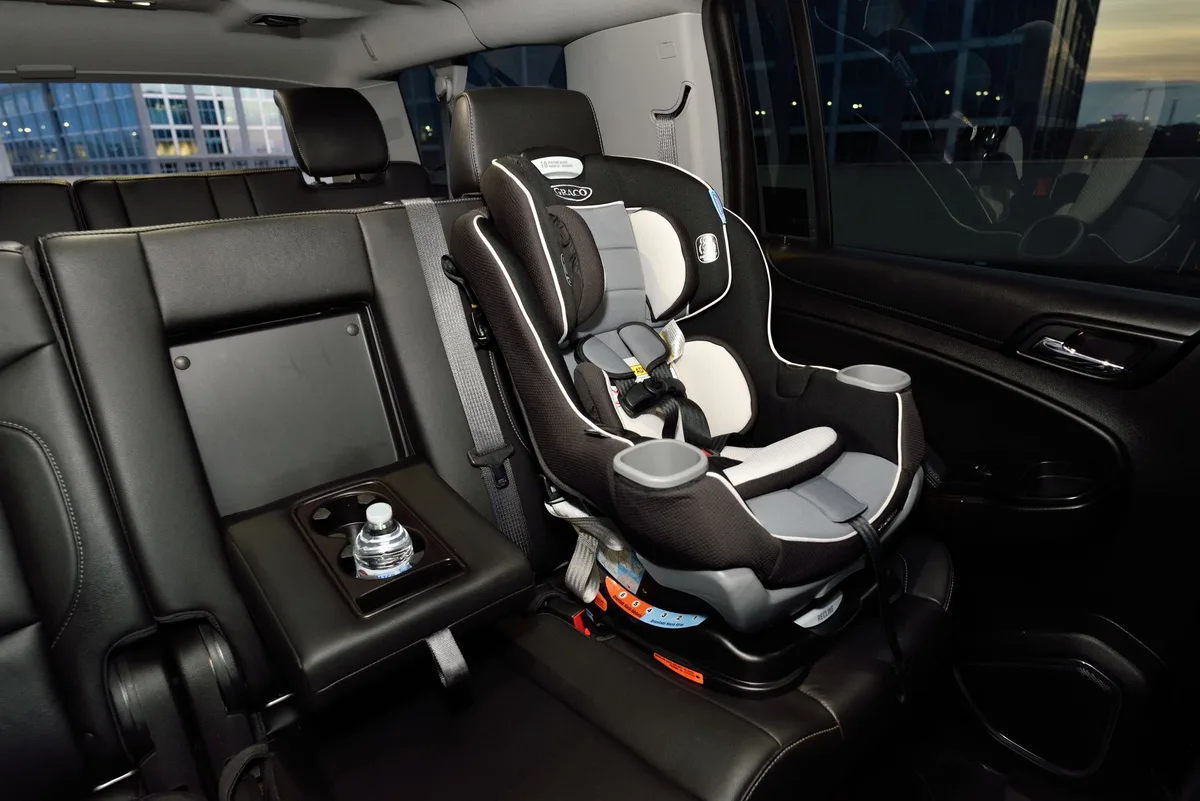
Image source: Pexels / Lee Salem (Pexels License)
Your Everyday Commute: Long-Term Comfort for All
Even if you don’t live in a scorching climate, breathability can still seriously enhance your daily driving experience. Think about those unpredictable spring and fall days, or even just sitting in your car before the AC has fully kicked in during summer. A breathable seat cover helps maintain a more consistent and comfortable temperature regardless of the outside conditions.
This prevents that clammy feeling that can creep up on you during a longer drive.
Our research indicates that drivers who opt for breathable seat covers report higher levels of satisfaction with their vehicle’s interior comfort over time. It’s not just about immediate coolness; it’s about consistent comfort throughout the year. This can also contribute to the longevity of your car’s original upholstery by reducing the stress caused by constant heat and moisture buildup.
If you’re looking to upgrade your daily drive, breathable seat covers are a surprisingly effective way to boost interior comfort for everyone.
Reading Between the Threads: Fabric Descriptions That Count
When you’re looking for breathable car seat covers, the product description is your best friend. Don’t just glance at the pictures; dive into the details about the materials used. Look for terms that explicitly mention airflow, ventilation, or moisture management.
Fabrics like “performance polyester,” “3D mesh,” “ventilated knit,” or “natural fiber blends” are good indicators of breathability.
If you see something listed as just “polyester” or “synthetic,” it’s a bit more of a gamble. Not all polyesters are created equal, and some can be woven very tightly, hindering airflow. Manufacturer specifications often provide clues, but sometimes you have to infer based on the fabric type and its common applications.
For example, fabrics designed for activewear are usually selected for their breathability.
Beyond the Label: What to Actually Feel and See
Sometimes, the best way to judge breathability is through what you can see and feel, even before you buy. If you can’t physically touch the material, look for product photos that show the texture. Does it appear to have a distinct weave pattern, like a mesh, or does it look dense and smooth?
A visual inspection can give you a clue about potential airflow.
For instance, a fabric that looks like it has a visible texture or tiny perforations is more likely to be breathable than a completely smooth, solid surface. If you’re looking at car seat covers for babies, you might see specific certifications or labels that indicate the material’s suitability for sensitive skin and temperature regulation. Verified buyer feedback in reviews can also offer practical insights into how breathable a cover truly feels in real-world conditions.

Leave a Reply