
Image source: Bing (Web (fair-use with source credit))
Are Swivel Car Seats Safe? The Complete Breakdown
You've probably seen them in parenting groups or at the store: car seats that spin 360 degrees so you can face your child toward the door while you buckle them in. They look convenient, almost futuristic. But the question everyone asks is simple: are swivel car seats safe?
The short answer is yes, they pass the same federal crash tests as traditional seats. The longer answer involves how you use them, and that's where things get complicated.
In our research, we dug through FMVSS 213 and ECE R129 testing standards, manufacturer specifications, and hundreds of verified owner reviews to separate the real safety concerns from the hype. We also looked at where these seats fail in real-world use, not just in the laboratory. As of 2026, the rotating mechanism itself isn't the problem.
The problem is how the feature changes your behavior. Let's break down what you need to know before you buy one.
Quick Answer
Yes, swivel car seats are safe when installed correctly and used properly. They pass the same FMVSS 213 crash tests as non-rotating seats. The rotation mechanism locks securely during a crash.
The real risk is misuse. Rotating the seat while the car is moving is dangerous. Failing to re-engage the rotation lock after turning the seat is also risky.
The seat itself is not the hazard. How you use it determines safety.
The Quick Answer: Are 360-Degree Seats Crash-Tested Safe?
Let's get this out of the way immediately. Every swivel car seat sold in the United States must pass FMVSS 213, the federal standard for child restraint systems. That includes seats with rotating bases from Evenflo, Graco, Cybex, Nuna, and Joie.
European models follow ECE R129, also called i-Size, which includes additional side-impact testing requirements.
Manufacturer specifications confirm that the rotation mechanism is designed to lock firmly during a crash. The swivel function is not engaged while the seat is in its normal rear-facing or forward-facing position. You have to pull a lever or press a release to unlock the rotation.
In a collision, the locked mechanism stays put.
What the crash tests don't evaluate is human behavior. That's where swivel seats can get dangerous. The feature exists purely for convenience, making it easier to get your child in and out of the car.
It doesn't change how the seat performs in a crash. But it absolutely changes how you interact with the seat daily, and that's where mistakes happen.
How Swivel Car Seats Actually Work
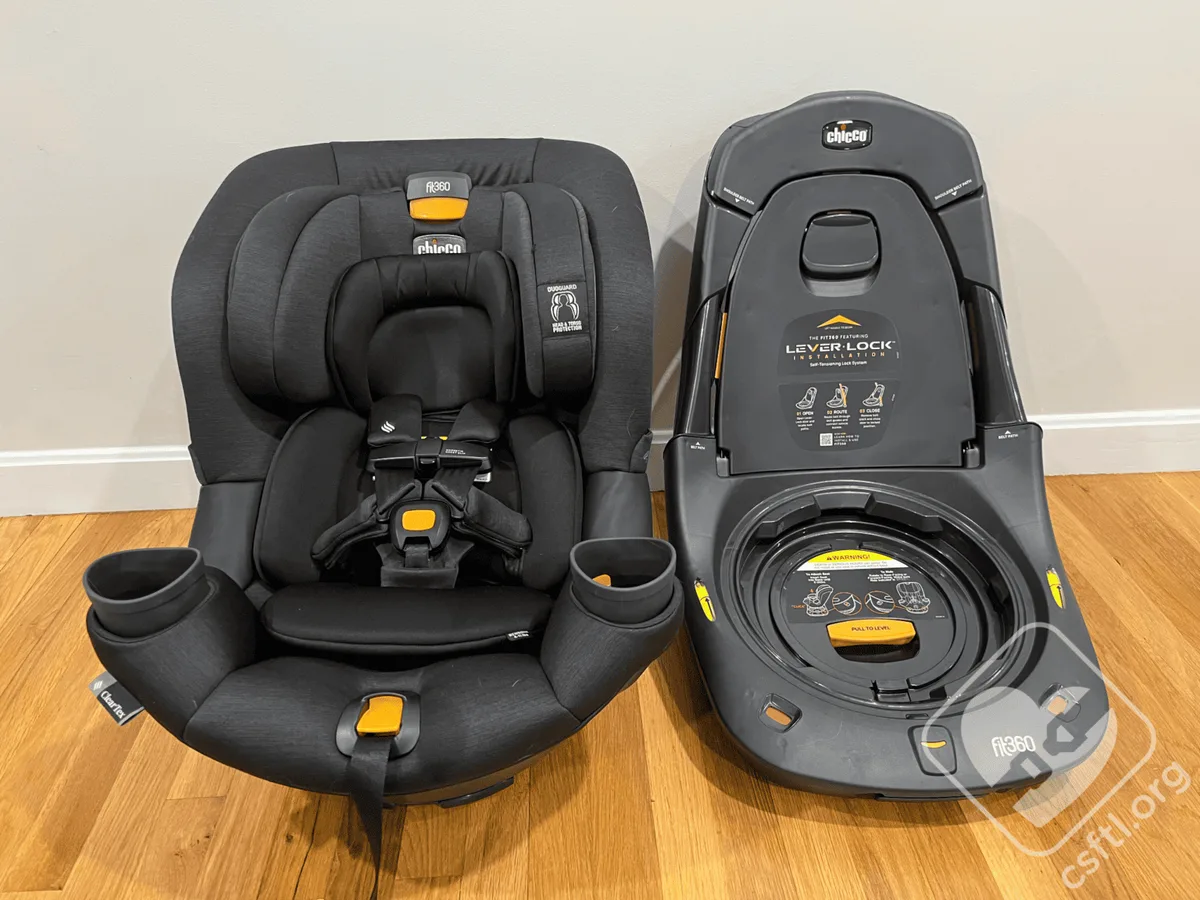
The core difference between a swivel seat and a traditional convertible seat is the base. Instead of a fixed shell, the seat sits on a turntable mechanism. When you press a release lever, the seat rotates on this base, typically 180 or 360 degrees.
Here's what happens mechanically:
- The rotation base: A heavy, reinforced platform that anchors to your vehicle using ISOFIX/LATCH connectors or your seatbelt.
- The locking mechanism: When the seat is in the rear-facing or forward-facing position, a latch engages to prevent rotation.
- The release lever: Usually located near the base or on the side of the seat. Pulling it unlocks the turntable.
- The load leg: An energy-absorbing support that extends from the base down to your vehicle's floor. It reduces forward rotation in a crash and is standard on premium rotating models.
- The anti-rebound bar: A stabilizer attached to the base that rests against the vehicle seat back, limiting rebound movement after impact.
The rotation feature is manual. You pull the lever, spin the seat to face the door, buckle your child in, then spin it back to the rear-facing position. The lock re-engages automatically when the seat clicks into place.
Some models have indicators that turn green when properly locked.
This mechanism adds weight. Expect a swivel convertible seat to weigh anywhere from 25 to 35 pounds, compared to 15 to 25 pounds for a traditional seat. The extra bulk can make installation more challenging, especially in smaller vehicles with limited space.
The Real Risks: Where Swivel Seats Fail (and It's Not the Crash Test)
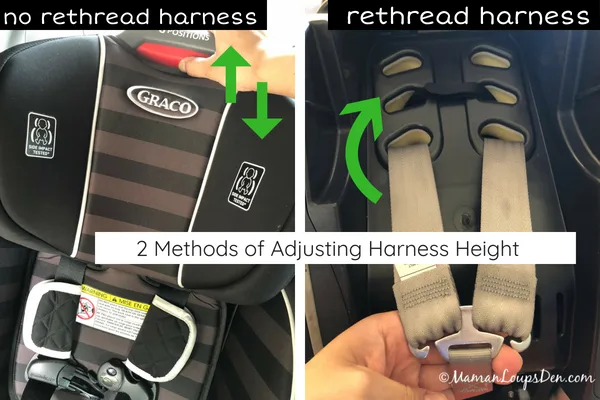
Image source: Web (Bing) / mamanloupsden.com (Web image (fair-use with source credit))
Here's the uncomfortable truth. The crash test results are excellent. The real-world record depends entirely on you.
Our research, combined with aggregate reviews from verified buyers, reveals several consistent patterns of misuse that create genuine risk.
The #1 risk: rotating while the car is in motion. This is the most dangerous habit. Some parents find it convenient to spin the seat to face the driver so they can hand a snack or a toy while driving. Others do it to soothe a fussy toddler at a red light.
Both are catastrophic mistakes. In even a low-speed collision, an unlocked rotating base becomes a pivot point. Your child's body will slam against the side of the seat, and the rotational force can cause severe head or neck injuries.
The harness tension problem. The rotation joint introduces an extra point of flexibility. If you don't tighten the harness properly after rotating the seat back into position, you can leave slack. Slack in the harness means your child isn't held securely during a crash.
The pinch test is non-negotiable. You should not be able to pinch any excess webbing at the shoulder strap after tightening.
The "door-facing trap". When your child is facing the door during the rotation, they have direct access to the harness release button. Curious toddlers can unbuckle themselves in seconds. If the car is stopped, that's manageable.
If you're in a parking lot or driveway, that's a different story. Some parents report their children learning to unbuckle while facing the door, which then becomes a problem when they're back in the rear-facing position.
Pinched fingers and jammed mechanisms. The rotating base has moving parts. Small fingers can get caught in the gap between the seat and the door frame if you're not paying attention. The rotation track can also jam if sand, crumbs, or debris collects in the base.
A jammed mechanism might not lock properly, which is a serious safety issue.
The load leg being left folded. This is more common than you'd think. The load leg extends to the vehicle floor and needs to click into place. If you fold it up for storage or transportation and forget to extend it during installation, the seat loses one of its primary crash energy management features.
Many models have a visual indicator that turns green when the load leg is correctly engaged, but not all parents notice it.
The Safety Checklist: How to Use Your Swivel Seat Correctly
If you own a swivel seat or are planning to buy one, this checklist is your daily routine. It takes about two minutes and prevents nearly every misuse-related accident we found in our research.
The 3-step rotation rule:
- Stop the car completely. No rolling stops, no parking lot creep.
- Rotate the seat to face the door.
- Re-engage the rotation lock before you lift your child out or buckle them in.
That third step is critical. The lock snaps back into the rear-facing position automatically when you rotate the seat back. Listen for the click.
Feel for the solid connection. Some models have a green indicator that confirms the lock is engaged. If you don't hear or see it, rotate the seat again until you do.
The harness pinch test after every rotation. After buckling your child and tightening the harness, check the shoulder straps. You should not be able to pinch any fabric between your thumb and forefinger. If you can, tighten more.
The chest clip should sit at armpit level, not on the belly.
Check the load leg weekly. Make sure it's fully extended and locked against the vehicle floor. The indicator should show green. If your vehicle has a storage compartment or under-floor bin where the load leg sits, confirm it's not resting on closed storage that could compress during a crash.
The load leg needs to contact solid floor structure.
Keep the rotation track clean. Wipe the base periodically with a dry cloth to remove dust and debris. If you live in a sandy or dusty area, check more frequently. A clean track ensures smooth rotation and reliable locking.
Check the expiration date. Car seats expire, usually between 6 and 10 years from the manufacturing date. The expiration date is printed on the seat label. With swivel seats, the rotation mechanism adds moving parts that wear over time.
Don't push past the expiration date.
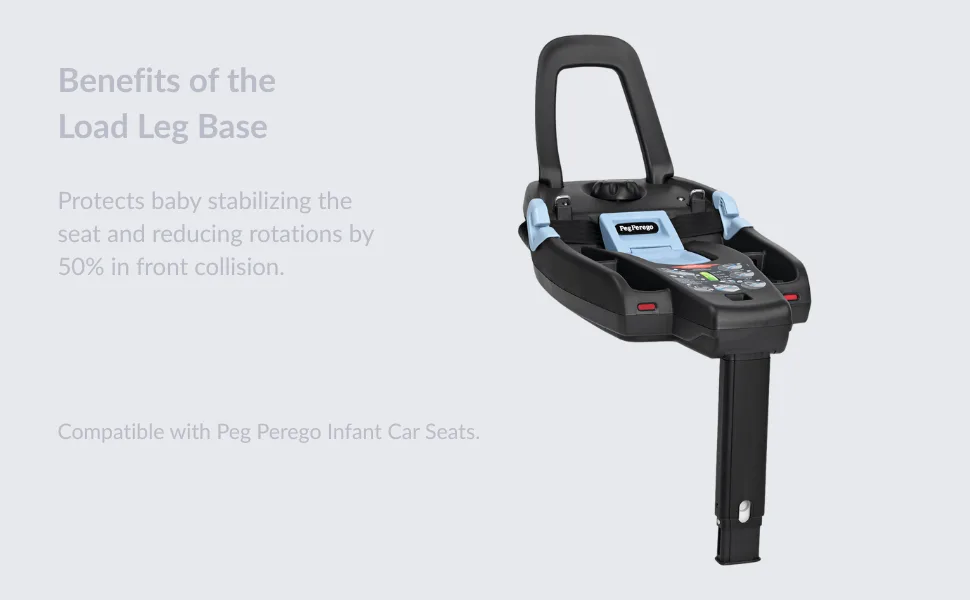
Image source: Bing (Web (fair-use with source credit))
Who Benefits Most from a Swivel Seat (and Who Should Skip It)
Swivel seats aren't for everyone. Our research, combined with verified owner feedback, shows a clear pattern of who loves them and who struggles with them.
The ideal candidates:
- Parents with back pain or mobility issues. If you have chronic back problems, a herniated disc, or limited flexibility, a swivel seat eliminates the awkward lean into the car. You can stand upright while you position your child. It's a genuine quality-of-life improvement.
- Post-C-section recovery. New mothers recovering from surgery cannot twist or bend comfortably. A swivel seat lets you face your baby toward you without contorting your torso. Many parents report this is the single biggest reason they chose a rotating seat.
- Tall caregivers. If you're over 6 feet tall, reaching into a low vehicle to buckle a toddler is painful. Swiveling the seat to face the door brings your child to you at waist height.
- Families with two vehicles. Some rotating bases are designed to transfer between vehicles quickly. If you're constantly moving the seat between your car and your partner's, the swivel feature reduces the time spent wrestling with the harness.
The wrong fit:
- Small cars with limited door openings. Some swivel seats are wide. In a compact sedan, the rotating mechanism may not clear the door frame easily, especially in tight parking spaces. Parents in this situation report significant frustration.
- Hyperactive toddlers who unbuckle themselves. If your child has already figured out how to release the harness, a swivel seat gives them easier access to the release button when they're facing the door. That's a recipe for escape attempts in the driveway.
- Families on a tight budget. Swivel seats cost significantly more than traditional convertibles. You're paying a premium of $150 to $300 for the rotating mechanism. If that money matters, put it toward a higher-quality traditional seat instead. The safety rating is the same.
For most families, the convenience is worth it. If you don't have back issues and your vehicle has adequate space, a traditional convertible seat is just as safe and much cheaper. The swivel seat is a luxury, not a necessity.
Buy it because it genuinely improves your daily routine, not because you think it's safer. It isn't. It's just easier.

Leave a Reply