
If you're considering a hybrid, you've probably asked one question more than any other: how long do hybrid car batteries last? The standard answer — “about 100,000 miles” — is misleading.
The honest take: modern hybrid batteries routinely outlast their warranties, but they aren’t immortal. The difference between a pack that struggles at 90,000 miles and one that easily passes 200,000 usually comes down to heat, maintenance, and the 12-volt battery that everyone forgets about. You can also read our guide on how do you charge a car battery.
This guide covers the real-world lifespan, the warning signs of failure, replacement costs, and the simple habits that give you the best odds of never needing a replacement.
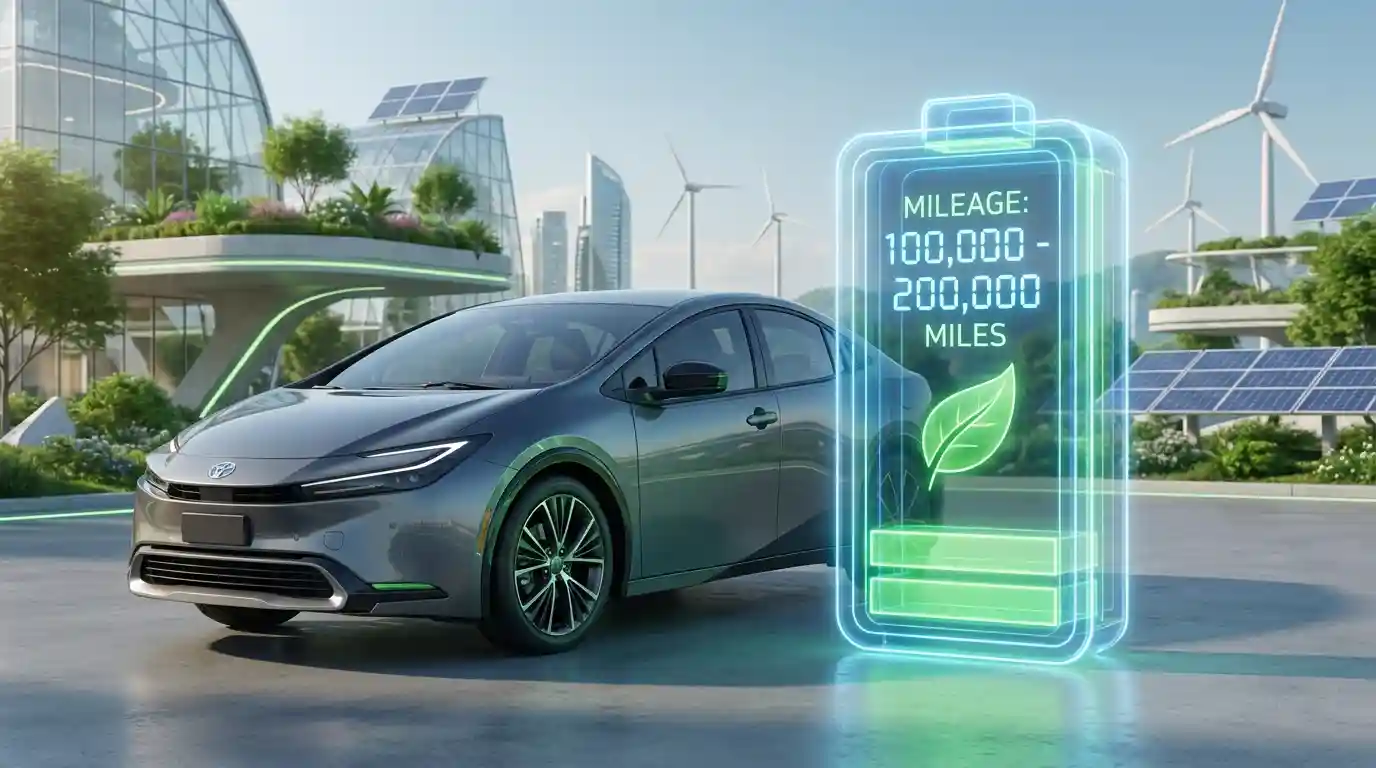
Most hybrid packs sit low in the car, often under the rear seat or cargo floor.
The Honest Short Answer
Most full hybrids are covered by a battery warranty for eight years or 100,000 miles. In California and other states that follow CARB rules, that coverage is often ten years or 150,000 miles.
But the warranty is not the lifespan.
In practice, a well-maintained hybrid battery often lasts well past 150,000 miles. Some packs go beyond 200,000. Others fail earlier because of extreme heat, poor maintenance, or just bad luck.
My honest planning advice: budget as if the battery might need attention after year ten, but expect to get far more use than that.
What a Hybrid Battery Actually Is
A hybrid car battery is not the same as the small 12-volt battery that starts a normal car. It is a high-voltage traction battery that powers the electric motor and stores energy from regenerative braking. Most packs operate at 100 to 400 volts, and they sit low in the car to keep the centre of gravity down.
Two main chemistries are used:
- Nickel-metal hydride (NiMH): older, heavier, but very durable.
- Lithium-ion (Li-ion): lighter, more efficient, and standard in most newer hybrids.
These batteries are designed for frequent shallow charging and discharging, not one big drain-and-refill cycle. The U.S. Department of Energy explains the difference clearly: hybrid batteries are built to cycle repeatedly during normal driving, which is why they behave differently from a phone battery or a standard starter battery.
How Long Do Hybrid Car Batteries Really Last?
There is no single number because battery life depends on the vehicle type, climate, and driving pattern. But as a planning guide:
| Hybrid Type | Typical Battery Size | Realistic Service Life | Typical Warranty |
|---|---|---|---|
| Full hybrid (HEV) | 1–2 kWh | 150,000–200,000 miles | 8 years / 100,000 miles |
| Plug-in hybrid (PHEV) | 8–16 kWh | 100,000–150,000 miles | 8–10 years / 100,000–150,000 miles |
| Mild hybrid (MHEV) | Small 48V pack | 100,000–150,000 miles | Usually part of vehicle warranty |
Treat these as planning numbers, not promises. A hybrid in Phoenix will age faster than one in Seattle. A car used for short city trips may cycle the battery more often than one used mostly for highway commuting. What matters more than the calendar is how much stress the pack has been put through.
What Wears a Hybrid Battery Down
Heat Is the Number One Enemy
Heat accelerates the chemical reactions inside a battery, which sounds good in theory but actually speeds up degradation. Excessively hot climates cause the pack to age faster than almost any other single factor. Parking in direct sun, driving hard on hot days, and letting the cooling system clog all make this worse.
Cold weather is less damaging. It temporarily reduces performance and range, but it does not cause the same permanent wear as sustained heat.
Deep Discharges and Full Charges
Hybrid batteries last longer when they stay in the middle of their state of charge. That is why the battery management system hides part of the battery’s true capacity. In a regular hybrid, you never actually drain the pack to zero.
Plug-in hybrids are different. If you regularly run a PHEV down to zero and then charge it to 100 percent, you add more stress. Occasional full charges are fine, but storing the car at 100 percent for weeks is not ideal.
Hard Acceleration and High-Speed Cruising
Rapid acceleration draws high current from the battery, which creates heat. Sustained highway driving is less stressful because the gasoline engine carries most of the load. The toughest pattern for a hybrid battery is aggressive stop-and-go driving in hot weather with heavy loads.
Blocked Cooling Vents and Dirty Fans
Hybrid batteries need airflow. Most cars have a cooling fan and intake vent, usually at the base of the rear seat or in the rear parcel shelf. When that vent gets blocked by dust, pet hair, or floor mats, the pack runs hotter than the system expects.
This is one of the most common preventable causes of early hybrid battery failure.
Calendar Aging
Even if a battery is never driven, it slowly loses capacity. Time is a factor, not just miles. A ten-year-old hybrid with 60,000 miles may have a healthy pack, but it will not perform exactly like a new one.
Why Modern Hybrid Batteries Last So Long
Thermal Management
Most modern hybrids have active cooling or heating for the battery. Liquid cooling, in particular, keeps temperatures far more stable than older air-cooled designs.
Battery Management System
A good BMS controls the charge and discharge current, protects the pack from extreme voltages, and keeps the battery inside a safe operating window. This software is why most owners never think about the battery at all.
Limited State of Charge
Manufacturers intentionally limit how much of the battery’s true capacity is usable. A hybrid may show a full gauge while the actual pack is only at 80 percent, and it may show “empty” at 20 percent. This buffer prevents the deep cycles that kill batteries quickly.
Cell Balancing
Hybrid packs contain many individual cells. The BMS balances them so that no single cell is overworked. A weak cell can pull down the whole pack, which is why proper diagnostics matter before you replace anything.
Signs Your Hybrid Battery Is Failing

Credit: www.camclarkfordrichmond.com
If the car starts showing hybrid warning lights, a diagnostic scan is the first step.
Hybrid battery failure is rare early, but it can happen. Watch for these signs:
- Sudden drop in fuel economy: you are filling up noticeably more often than before.
- Engine runs more than usual: the gas engine is working harder because electric assist is weak.
- Battery gauge behaves oddly: it jumps from full to empty, or never seems to charge.
- Warning messages: “Hybrid system malfunction,” “Check hybrid system,” or a glowing warning light.
- Weak acceleration: the car feels sluggish, especially at low speed.
- Cooling fan running constantly: the pack may be overheating and working hard to cool down.
None of these signs alone proves the battery is dead. They are reasons to get the car checked.
Check the 12-Volt Battery First
A surprising number of “hybrid battery failures” are actually 12-volt battery problems. Hybrids still use a regular 12-volt battery to power the computers, relays, and displays. When it dies, the dashboard lights up like a warning tree, and the car may refuse to start.
The high-voltage hybrid pack can be perfectly healthy.
If your hybrid won’t start, or if the electronics behave strangely, have the 12-volt battery tested before you worry about the big pack. It is cheap, quick, and often the real culprit.
How to Diagnose a Hybrid Battery Before Spending Money
If you suspect a problem, do not replace the battery blindly. A proper diagnosis includes:
- A scan for hybrid-specific fault codes.
- A test of each battery block or module to find weak cells.
- An inspection of the cooling fan and intake vent.
- A charging system test, especially on PHEVs.
- A check of the 12-volt battery and its connections.
A hybrid specialist can usually tell you whether the pack needs a full replacement, a block repair, or just a cooling system service. That single step can save you thousands.
Hybrid Battery Replacement Cost in 2026
Replacement costs have come down compared with the early days of hybrids, but they still vary widely by model.
| Replacement Option | Typical Installed Cost | Best For |
|---|---|---|
| New OEM battery | $2,000–$4,500+ | Newer cars, long-term ownership |
| Remanufactured / refurbished | $1,200–$2,500 | Getting more years from an older car |
| Used salvage battery | $800–$2,000 | Budget repairs with more risk |
Luxury hybrids and plug-in hybrids can cost more because the packs are larger. Labor is usually not the main expense, but diagnostic time and coolant system service can add to the bill.
Always ask a specialist for a quote before assuming the dealership price is the only option.
Hybrid Battery Warranty: What Is Actually Covered
Most hybrid battery warranties cover defects, premature failure, and sometimes the labour to replace the pack. The standard is usually eight years or 100,000 miles, whichever comes first.
In California and other states that follow CARB regulations, automakers often extend hybrid battery coverage to ten years or 150,000 miles. The warranty is tied to the vehicle, so it usually transfers to a new owner — which makes used hybrids with remaining battery coverage a smart buy.
Check your owner’s manual and warranty booklet. Dealerships and hybrid shops can also run the VIN to confirm what is still covered before you pay for anything.
Should You Replace, Refurbish, or Sell?
If your hybrid battery needs attention, the right choice depends on the car:
- If the car is otherwise solid and paid off, replacing the battery is usually better than buying another used car with unknown history.
- If the car already has severe rust, a broken transmission, or very high mileage, replacement may not be worth it.
- If the battery is still under warranty, the decision is easy: get it replaced for free.
Refurbished packs are attractive because they cost less, but the remaining lifespan depends heavily on the quality of the rebuild. Use a reputable shop, not the cheapest internet deal.
Used Hybrid: What to Check Before Buying
Buying a used hybrid can be a great value, but do a little homework first:
- Ask for proof that the battery cooling vent was kept clean.
- Check whether the battery warranty still has time and mileage left.
- Ask if the pack has ever been replaced or refurbished.
- Start the car cold and drive it while watching the battery gauge.
- Have a hybrid specialist run a battery health check before you buy.
Also check the back seat area for pet hair and heavy dust. If the battery cooling vent is packed with debris, the car may not have been maintained properly. Pull any pet hair from the upholstery and inspect the vent grill before assuming the battery is fine.
How to Make Your Hybrid Battery Last Longer
You don’t need a mechanic’s degree to protect a hybrid battery. These habits make a real difference:
- Park in the shade in hot weather, and use a garage when possible.
- Drive smoothly: avoid hard launches and late braking.
- Keep the battery cooling vent clear: vacuum around the rear seat area regularly.
- Don’t ignore warning lights: small problems become big ones.
- For PHEVs: avoid storing the car at 100 percent charge for long periods.
- Replace the 12-volt battery on schedule before it causes false electrical chaos.
The cooling vent is the most overlooked item. Start by adding cleaning the gaps under the seats to your regular routine. If you drive with kids or pets, this one habit prevents most avoidable battery overheating.
A simple compact vacuum with enough suction is all you really need for the job. Before buying cleaning gear, take a minute to think about choosing a good car vacuum. Most people overbuy on power. Once you match the actual suction power you need to your car, the job takes minutes.
Hybrid vs. Plug-in vs. Electric Car Battery Life
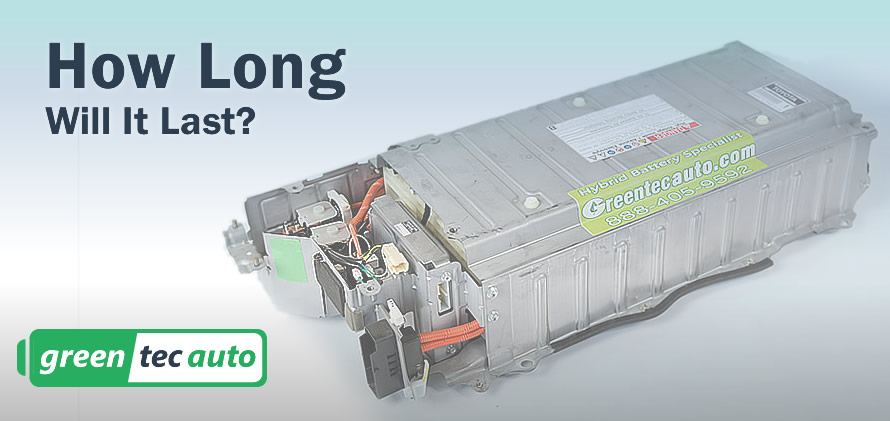
Credit: greentecauto.com
Plug-in hybrids have bigger batteries, but their charge-and-drain cycle is different from a regular hybrid.
Regular hybrids have small batteries that constantly charge and discharge in shallow cycles. That is why they can last a very long time.
Plug-in hybrids have larger batteries that allow real electric-only driving. Because those batteries are drained deeper and recharged from the wall, they experience more stress. A PHEV with frequent fast charging and deep discharges may need replacement sooner than a regular hybrid.
Full electric cars use huge batteries that work even harder. Their packs are generally good for many years, but replacements cost far more than hybrid batteries. Compared with an EV, a hybrid battery is a smaller, cheaper, and often longer-lasting component.
What Happens to Old Hybrid Batteries?
Old hybrid batteries are not just scrapped. Most dealerships and battery specialists send used packs to certified recyclers, where nickel, cobalt, and lithium are recovered. Some packs are reused in solar storage systems or backup power projects before final recycling.
Battery recycling is a real priority in the auto industry, and the EPA continues to push for better domestic battery recycling infrastructure. If the time ever comes to replace your pack, ask your shop about recycling. Most will handle it correctly as part of the job.
Are Hybrid Batteries Getting Better?
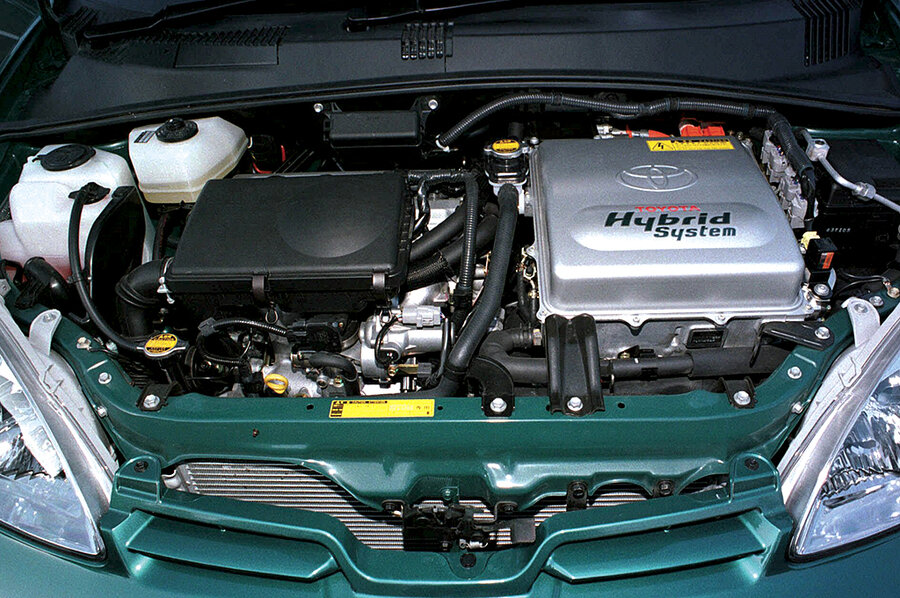
Credit: www.csmonitor.com
Newer battery chemistry and thermal management continue to improve hybrid reliability.
Yes. By 2026, most new hybrids use lithium-ion chemistry with better cooling, smarter software, and longer warranties. Automakers have spent two decades refining hybrid systems. The battery is no longer the experimental risk it once seemed.
That does not mean batteries will last forever. Chemistry and heat still matter. But the trend is clear: each new generation of hybrid is more durable than the last.
Myth vs. Fact
Myth: Hybrid batteries die right after the warranty expires. Fact: Most outlast the warranty, often by many years.
Myth: A dead hybrid battery always means a $5,000 bill. Fact: Sometimes it just needs a 12-volt battery replacement or a cooling fan service.
Myth: All hybrid batteries are covered for eight years or 100,000 miles. Fact: Many are covered longer in CARB states, and some automakers now include 10-year coverage as standard.
Myth: If the hybrid battery fails, the car still runs fine on gas. Fact: Some hybrids can continue on gas with reduced performance, but many require the high-voltage battery for the entire system to operate.
Frequently Asked Questions
How long does a Toyota Prius battery last?
Most Prius batteries last well beyond the warranty period, often 150,000 miles or more. The newer lithium-ion packs are generally more efficient, but maintenance still matters.
How much does it cost to replace a hybrid battery?
Most full hybrid replacements run between $1,500 and $4,500 installed, depending on the model and whether you choose new, remanufactured, or used. Plug-in hybrids and luxury models usually cost more.
Can I drive with a dead hybrid battery?
It depends on the car. Some hybrids will run on gas alone with reduced performance, while others will not move at all. Do not rely on it. Get the battery checked quickly.
Are hybrid batteries covered under warranty?
Yes, most are covered by a separate battery warranty, usually eight years or 100,000 miles. In many CARB states, the coverage is longer.
How do I know if my hybrid battery is failing?
Look for low fuel economy, strange battery gauge behaviour, warning messages, and weak electric power. Then have a specialist test both the 12-volt battery and the high-voltage pack.
Can hybrid batteries be recycled?
Yes. Most old packs can be refurbished for reuse or recycled for nickel, cobalt, and lithium. Dealerships and battery shops handle this regularly.
Conclusion
So how long do hybrid car batteries last? In most cases, far longer than people fear. Plan for ten years, hope for fifteen, and know that the real-world answer depends on heat, maintenance, and driving habits more than any single mileage number.
Don’t fear the battery. Respect it.
Start with one simple step this weekend: find the battery cooling vent in your owner’s manual, check the surrounding area for dust and pet hair, and give it a quick vacuum. That one habit prevents more avoidable battery failures than any other inexpensive piece of advice.
For more honest, practical car care guidance, browse our longer-term car care guides.

Leave a Reply