
Your car’s interior takes a beating. Road dust settles into the carpet, kids drop snacks between the seats, and pet hair somehow embeds itself into every fabric surface. A good car vacuum makes quick work of these messes, but the spec sheets can be confusing. Suction power is measured in different units, and it’s not always clear what actually matters.
The short answer: look for at least 4,000 Pascals (Pa) for basic cleaning, but 7,000 to 12,000 Pa handles most real-world messes effectively. For battery-powered models, aim for 20+ Air Watts (AW). The right power level depends on what you’re cleaning and how often you use the vacuum.
This guide breaks down what those numbers actually mean, what suction levels can handle specific messes, and how to choose a vacuum that matches your car’s needs.
The Quick Answer: What Suction Power Do You Actually Need?
| Cleaning Scenario | Minimum Suction | Recommended Suction |
|---|---|---|
| Light dust and surface debris | 4,000 Pa | 4,000–7,000 Pa |
| Everyday crumbs and loose dirt | 6,000 Pa | 7,000 Pa |
| Pet hair and embedded carpet dirt | 10,000 Pa | 10,000–15,000 Pa |
| Deep cleaning and heavy sand | 12,000 Pa | 12,000+ Pa |
For cordless models, look for at least 20 Air Watts (AW). Anything below 4,000 Pa—or 15 AW—will struggle with anything beyond loose dust. Your ideal suction level depends on the type of mess you regularly clean and how often you use the vacuum.
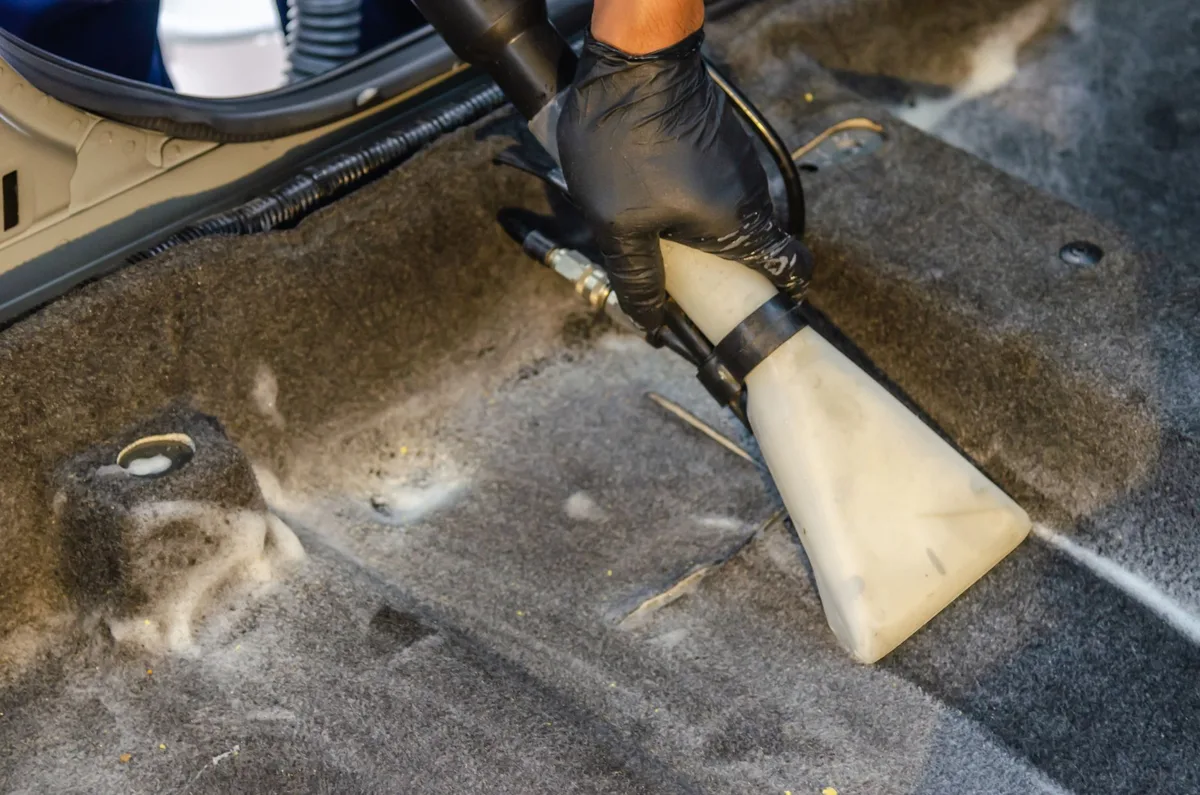
Image source: Pexels / Khunkorn Laowisit (Pexels License)
Understanding Suction Power: Pascals vs. Air Watts
New car vacuum shoppers often get tripped up by the two main units of measurement. Both describe suction, but they capture different aspects of performance.
Pascals (Pa) measures air pressure—the raw force your vacuum uses to lift debris. Higher Pa numbers mean stronger lifting power. Budget-friendly car vacuums start around 4,000 Pa, while powerful models reach 15,000 Pa or beyond. For more on this, see our guide on how to vacuum under car seats effectively.
Air Watts (AW) combines airflow and vacuum pressure into one efficiency rating. This number tells you how effectively the vacuum converts electrical power into cleaning performance. For car vacuums, 20 AW is a good baseline, with premium models ranging from 25 to 100 AW.
A common misconception is that you only need to check one number. In practice, the two measurements work together. A vacuum with high Pa but low AW may have strong suction yet poor airflow, making it slow to pick up debris. Similarly, high AW with low Pa might move air effectively but lack the force to lift embedded particles.
A quick note on battery-powered models: manufacturers often advertise peak Pa ratings that only last for a few minutes before the battery voltage drops. Look for sustained suction ratings and check battery life alongside the power numbers.
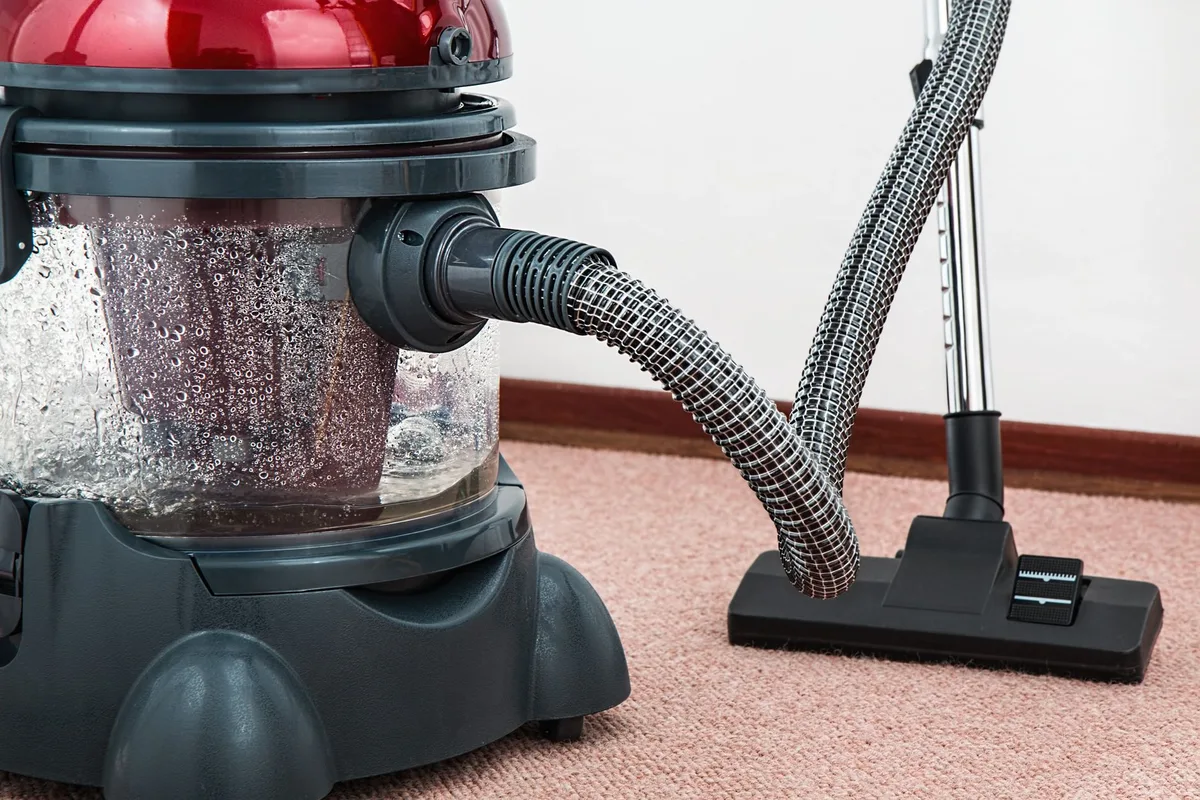
Image source: Pexels / Pixabay (Pexels License)
What Different Suction Levels Can Actually Handle
Now that you understand the units, let’s look at what each power range can realistically accomplish.
Under 4,000 Pa: Dust Buster Territory
This range only handles loose, powdery dust on hard surfaces. Crumbs, small pebbles, and embedded dirt will remain firmly in place. Think of vacuums in this range as powered dusters—handy for quick dashboard touch-ups but not real cleaning tools.
4,000–7,000 Pa: Everyday Car Cleaning
This is the entry point for genuinely useful car vacuums. You can pick up dry food crumbs, loose dirt, sand on hard surfaces, and surface-level dust. Lightly embedded carpet dirt might need a few passes. This range suits most casual users who clean their cars every couple of weeks.
7,000–10,000 Pa: Mid-Range Versatility
Most decent handheld vacuums sit in this range, and for good reason. These models handle spilled snacks, typical carpet debris, and everyday dirt without much effort. They start making a noticeable difference with lightly embedded particles and work well for families with moderate messes.
10,000–15,000 Pa: Serious Cleaning Power
This is where pet hair becomes manageable. Vacuums in this range lift deeply embedded dirt from carpets, remove stubborn fur from upholstery, and clean crevices effectively. You’ll spend significantly less time on tough jobs. For most car owners, this range offers the best balance of power and practicality.
15,000+ Pa: Professional Grade
Vacuums exceeding 15,000 Pa are often professional-grade or designed for heavy-duty use. Battery life usually suffers at these extremes, and the added power may be unnecessary for typical car interiors. Unless you’re a professional detailer, you’ll likely find the 10,000–15,000 Pa range more than sufficient.
Cordless vs. Corded: Power Delivery Makes a Difference
The way a vacuum receives power impacts how effectively it cleans—and how convenient it is to use.
Cordless Car Vacuums
Battery-powered vacuums offer unmatched convenience. You can grab them for quick cleanups without finding an outlet or untangling a cord.
- Pros: Portability, easy storage, no cord management
- Cons: Limited runtime, potentially lower sustained power than corded models
When evaluating cordless models, look past the headline suction rating. A vacuum advertising 15,000 Pa might only sustain that power for eight minutes before the battery drains. Look for models that maintain at least 10,000 Pa for 15–25 minutes of continuous use.
Battery capacity (measured in milliamp-hours, or mAh) matters more than you might think. Higher capacity batteries sustain consistent voltage, which means more stable suction throughout your cleaning session.
Corded Car Vacuums
Plug-in vacuums draw consistent power from your car’s 12V accessory outlet.
- Pros: Unlimited runtime, typically higher sustained suction for the price
- Cons: Cord management, engine must run to power the outlet
Corded models often provide better raw suction at a lower price point because they don’t need expensive battery technology. If you have a large vehicle or do frequent deep cleans, a corded vacuum eliminates the runtime anxiety altogether.
Key Features That Amplify Suction Performance
Raw suction power is only part of the equation. Several features determine how effectively that power translates into clean car interiors.
Filtration System
A vacuum with strong suction but poor filtration simply pushes fine dust back into the air. Look for multi-stage filtration, particularly HEPA filters, to trap microscopic particles and allergens. Cyclonic separation, a feature common in modern vacuums, pre-filters larger debris before it reaches the main filter, maintaining consistent airflow.
Motor Type
Brushless motors are increasingly standard in quality cordless vacuums. They run quieter, last longer, and operate more efficiently than brushed motors. This efficiency translates to more sustained power throughout the battery charge.
Nozzle and Attachment Design
The shape of your vacuum’s nozzle determines how effectively suction transfers to surfaces. A well-designed nozzle seals against flat surfaces and funnels air precisely. Narrow crevice tools direct power into tight spaces, while brush attachments agitate carpet fibers to dislodge embedded dirt.
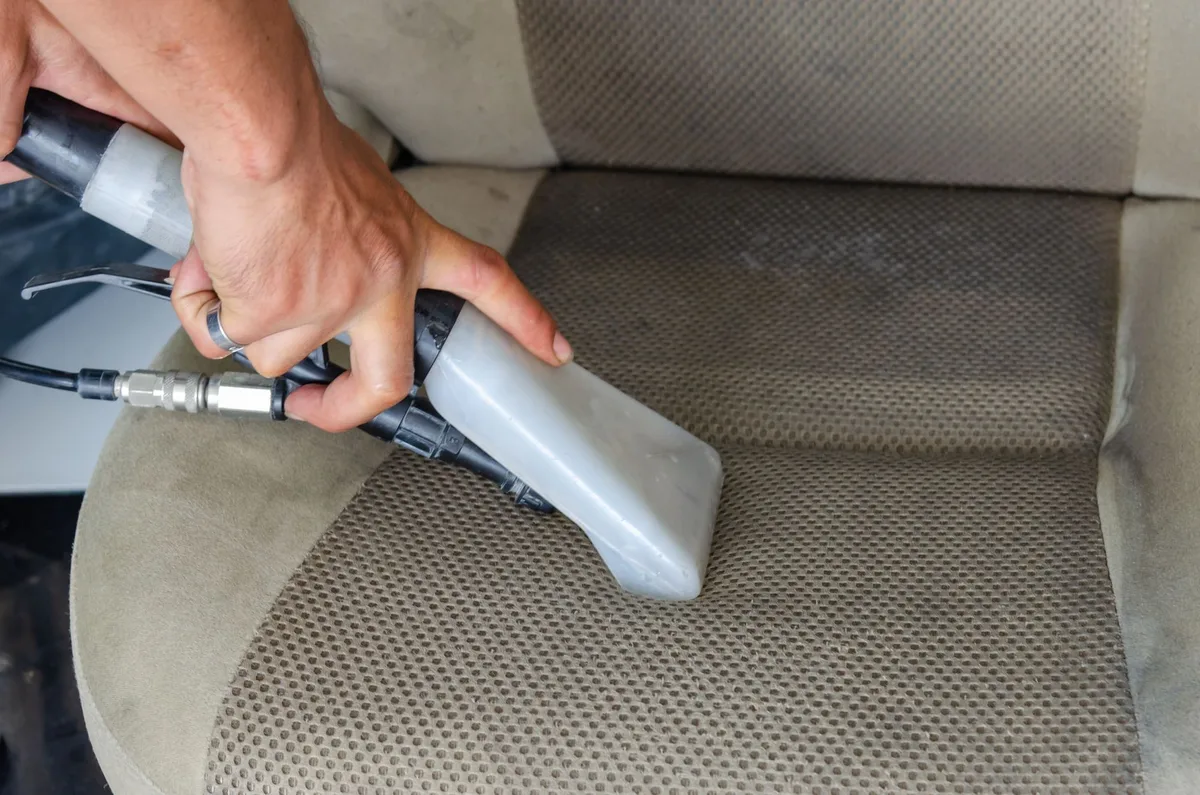
Image source: Pexels / Khunkorn Laowisit (Pexels License)
When looking for the right vacuum, understanding what features matter most can help you avoid overpaying for specs you don’t need.
Dustbin Capacity
A vacuum that needs emptying every two minutes wastes your time. Look for a dustbin capacity of at least 0.5 liters. Also check how the bin empties—a one-button release is far more practical than a fiddly multi-step process.
Ergonomics and Weight
You’ll be holding this vacuum at awkward angles, reaching under seats, and navigating tight spaces. A well-balanced machine with a comfortable grip makes cleaning sessions dramatically more pleasant. Weight matters more than you might expect when vacuuming a full car interior.
Real-World Messes: Matching Power to Your Actual Needs
Understanding what your vacuum will face helps you choose the right power level.
Everyday Crumbs and Loose Dirt
The most common car mess—dry food, gravel, general dust—doesn’t require extreme power. Around 7,000 Pa picks these up efficiently in a single pass. The key is having a vacuum you can grab easily for quick cleanups.
Pet Hair
Pet hair is the toughest challenge for car vacuums. It embeds into fabric fibers and clings stubbornly. Vacuums with at least 10,000 Pa—ideally over 12,000 Pa—combined with a brush attachment are most effective. Without sufficient power, you’ll find yourself making multiple passes and still leaving fur behind.
For persistent pet hair, your technique and tools matter as much as raw suction. A rubberized brush attachment loosens hair from fabric, while strong suction pulls it away.

Image source: Pexels / lizhnni (Pexels License)
Fine Dust and Sand
These tiny particles work their way into every crevice and fabric weave. Strong airflow is essential for lifting them. Vacuums rated 7,000 Pa and above handle typical dust accumulation. If you deal with sandy conditions—beach trips, off-road driving, or dusty rural roads—aim for 10,000 Pa or more.
Filtration is especially important here. Powerful suction with poor filtration will redistribute the fine dust through the exhaust, leaving your car dustier than when you started.
Tight Spaces and Under-Seat Areas
Even the strongest vacuum is useless if it can’t reach dirt. Cars contain dozens of narrow gaps and awkward corners. A quality crevice tool makes all the difference, allowing your vacuum’s suction to work where it’s needed.
You might want to brush up on the best techniques for reaching these spots—knowing how to clean under car seats effectively saves time and ensures you’re actually removing dirt rather than pushing it deeper.
Wet Spills
Most car vacuums are strictly for dry use. Attempting to vacuum liquids with a standard model can damage the motor and create electrical hazards. If you need wet cleanup capability, purchase a wet/dry vacuum specifically designed for that purpose. These models feature sealed motor housings and separate liquid collection systems.
Common Suction Mistakes That Sabotage Cleaning Results
Even with a powerful vacuum, several common errors prevent you from achieving truly clean results.
Focusing only on peak suction numbers. An impressive Pa rating means little if the battery dies after ten minutes or the filtration is poor. Evaluate the whole package rather than a single specification.
Using the wrong attachment. A powerful vacuum with the wrong tool performs poorly. For embedded pet hair, you need a brush attachment to agitate fibers. For tight gaps, you need a narrow crevice tool. Using the main nozzle for every job wastes your vacuum’s potential.
Ignoring maintenance. Suction degrades over time. Clogged filters and full dustbins dramatically reduce performance. Regular maintenance keeps suction at its rated level.
Expecting magic from budget models. A sub-4,000 Pa vacuum will never handle pet hair or deeply embedded dirt, no matter how well you use it. Match your expectations to the vacuum’s actual capabilities.
How to Maintain Strong Suction Over Time
A car vacuum only performs as well as its maintenance routine. These simple habits preserve suction power:
- Empty the dustbin after each significant use. A bin more than half full restricts airflow.
- Clean or replace filters according to manufacturer guidelines. Most washable filters rinse clean with cool water—let them dry completely before reinstalling.
- Check for blockages when suction drops suddenly. A lodged object in the hose or intake port significantly reduces performance.
- Care for your battery by avoiding extreme temperatures and not leaving it fully drained for extended periods.
- Store properly in a dry place to protect components from moisture and dust.
For more guidance on selecting the right model, review the full considerations before making a purchase.
When Higher Suction Isn’t the Answer
More power sounds better, but several trade-offs make extreme suction less practical for many car owners.
Battery life. A 15,000 Pa cordless vacuum frequently runs for only 10 minutes. A 7,000 Pa model might last 25–30 minutes. For full interior cleaning, the longer runtime often matters more than peak power.
Noise levels. High-powered vacuums are louder. In an enclosed car, this becomes unpleasant quickly, especially for passengers.
Weight and bulk. Maintenance of high-power motors and larger batteries adds weight. Maneuvering a heavy vacuum under seats and through tight spaces becomes awkward.
Cost. Ultra-powerful models command premium prices. If your car rarely sees heavy messes, the investment provides limited benefit.
The ideal suction power balances cleaning capability with practical usability for your specific situation.
How to Choose: Matching Suction Power to Your Lifestyle
Choosing the right vacuum power reduces to understanding your own needs.
For quick touch-ups: If your car stays relatively clean and you mainly need to handle crumbs and light dust, a 4,000–7,000 Pa vacuum works perfectly. These models tend to be affordable with longer battery life—ideal for grabbing when you have five minutes to spare.
For families and pet owners: Expect consistent messes that require real power. Look for 7,000–12,000 Pa and prioritize models with good brush attachments. These vacuums handle regular deep cleaning without leaving embedded dirt behind. If you have pets, the higher end of this range makes a significant difference.
For detailing enthusiasts: If achieving a showroom finish matters to you, invest in 12,000+ Pa models with premium attachments. These vacuums reduce effort and time on difficult jobs, making thorough cleaning sustainable.
Advice for parents: if you’re regularly cleaning up after children, consider how well your vacuum reaches the spaces where messes accumulate—proper car seat installation makes vacuuming under and around seats much easier.
Frequently Asked Questions
Is 4000 Pa suction enough for a car vacuum?
Yes, 4000 Pa handles light dust and loose crumbs on hard surfaces. However, it will struggle with embedded carpet dirt and pet hair. For more comprehensive cleaning, look for 7000 Pa or higher.
What is good suction power for a handheld car vacuum?
Good handheld car vacuums range from 7000 to 12000 Pa. This range effectively handles everyday dirt, snack crumbs, and light carpet debris. Pet owners should aim for the higher end of this range.
Is higher Pa always better in a car vacuum?
Not necessarily. Higher Pa often means shorter battery life, more noise, and higher cost. A balanced vacuum with 8000–10000 Pa and good battery life typically outperforms an ultra-powerful model that dies quickly or is too heavy to use effectively.
How many Air Watts do I need for a car vacuum?
Aim for at least 20 Air Watts for effective cleaning. Models with 25–30 AW offer better performance for embedded dirt and pet hair. Beyond 30 AW, you generally enter professional-grade territory with diminishing returns for car use.
Can a car vacuum have too much suction?
Practically speaking, yes. Excessively high suction drains batteries quickly, increases noise, and adds weight. For most car interiors, suction beyond 15000 Pa is unnecessary and often counterproductive due to the trade-offs involved.
Why does my car vacuum seem weaker than when I bought it?
Several factors reduce suction over time: clogged filters, a full dustbin, blockages in the hose, or a degrading battery. Regular maintenance—empty the bin, clean filters, and check for obstructions—restores most lost performance.
Conclusion
The right suction power for your car vacuum depends entirely on how you use it. For light maintenance, 4,000 Pa suffices. For everyday cleaning, aim for 7,000 Pa. For pet hair and deep cleaning, look for 10,000–12,000 Pa. Battery-powered models should deliver at least 20 AW for effective performance.
Remember that suction is only part of the story—filtration, attachments, battery life, and maintenance all affect how clean your car gets. A balanced vacuum that meets your specific needs will serve you far better than a powerful machine with impractical limitations.
Start by identifying the messes you deal with most often, then choose a vacuum that handles those challenges without sacrificing usability. Your car—and your back—will appreciate the difference.

Leave a Reply