
If you've ever stood in a parking lot with a sleeping toddler, a diaper bag, and a heavy infant carrier digging into your shoulder, you've asked yourself a very specific question. What is the lightest car seat you can buy without sacrificing safety?
In the U.S., every car seat sold must comply with Federal Motor Vehicle Safety Standard 213 (FMVSS 213), which sets the crash performance bar but doesn't regulate weight. Infant carriers typically weigh between 7 and 12 pounds, while convertibles run heavier, often 15 to 25 pounds. That gap is exactly why "lightest" means different things depending on which seat type you actually need.
Let's break it down.
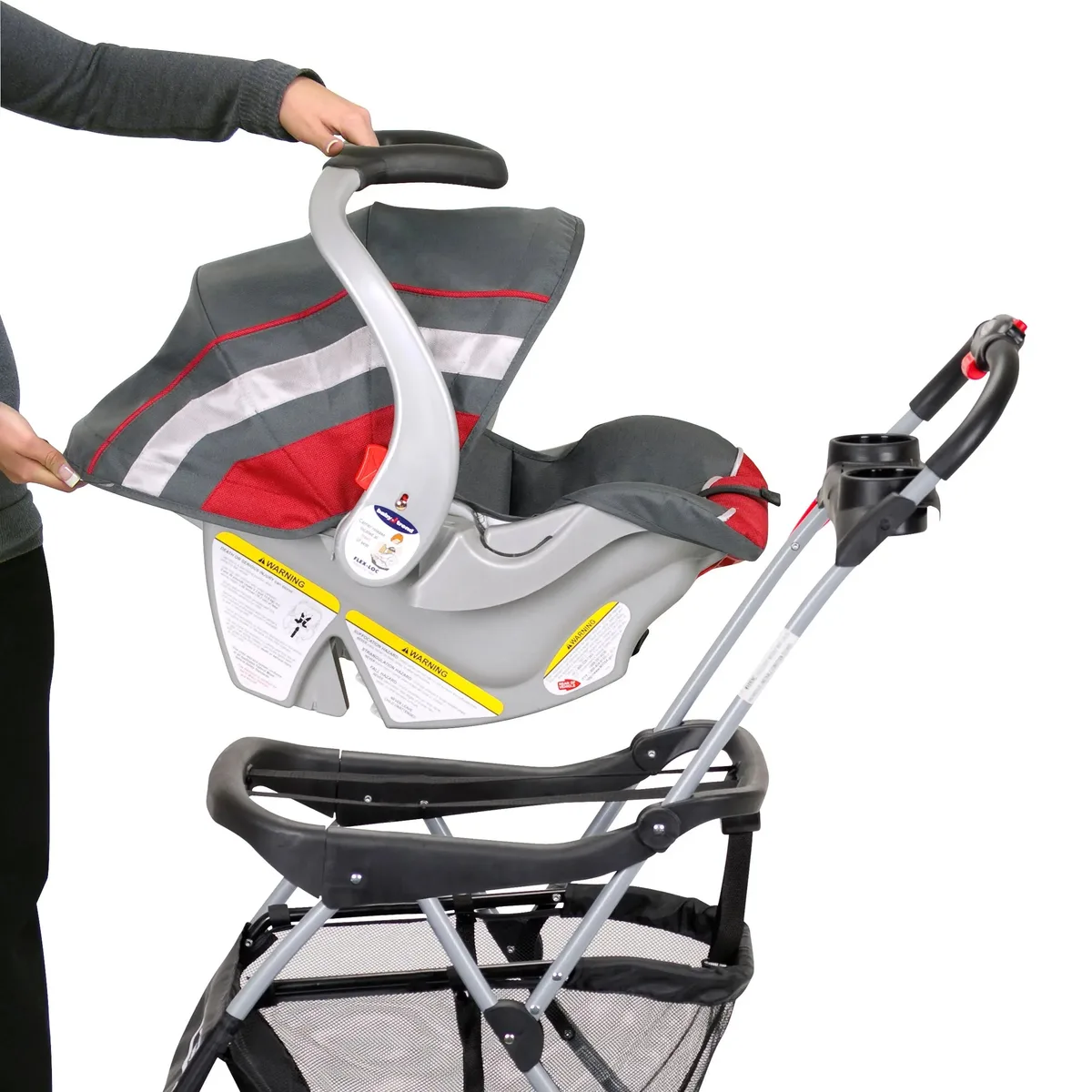
Image source: Web (Bing) / babytrend.com (Web image (fair-use with source credit))
Quick Answer
The lightest car seat category is the infant carrier, with several models weighing under 8 pounds. The lightest convertible seats start around 15 pounds. The lightest boosters drop below 10 pounds, but boosters aren't recommended for young infants.
Weight only matters if the seat fits your child and your vehicle. Check the height and weight limits first, then the overall mass. A seat that's two pounds lighter but doesn't fit your car properly is a bad trade.
Why "Lightest" Is a Trap for Most Parents
Here's what the marketing won't tell you: a pound or two of difference rarely changes your daily life, but a bad fit always does. Many ultra-light seats achieve their low weight by stripping out extra padding, softer fabrics, and those little comfort features you think you don't need until you're on a three-hour drive.
Aggregate buyer feedback consistently shows that parents who buy the absolute lightest seat often complain about one of three things. The shell is too narrow for their toddler. The harness straps dig into little shoulders because the foam is thin.
Or the seat becomes uncomfortable so fast that the child cries every time they're buckled in.
Our research across current manufacturer specifications indicates that the lightest seats in each category are usually made by brands that prioritize portability over creature comforts. That's not inherently bad, but you should know what you're giving up. A seat that's 7 pounds instead of 9 sounds great until your 15-month-old refuses to sit in it.
Safety is another angle. A lighter seat isn't less safe, as long as it meets FMVSS 213. Crash tests don't reward heft; they reward proper structural design and correct installation.
In fact, many lightweight seats use high-grade aluminum or magnesium frames to maintain strength while cutting pounds. The real failure point isn't the seat, it's how well you can get it tight in your car. And that's something our guide to proper installation drills into detail, because a loose install is the most common mistake we see in the field.
Infant vs. Convertible vs. Booster: Where the Weight Goes
Let's talk categories, and why each one has a different "lightest" number.
Infant carriers are the bucket-style seats that click into a base. They're rear-facing only and designed for newborns up to about 30 or 35 pounds. Most weigh between 7 and 12 pounds without the base, which adds another 4 to 6 pounds.
The lightest ones are popular with parents who travel often because the whole seat fits into overhead bins on most airlines. If you're comparing, the lightest infant seats are the clear winners for pure portability.
Convertible seats are the next step. They stay in the car and can be rear-facing for babies and then flipped forward-facing for toddlers. These seats are bigger, sturdier, and heavier, typically 15 to 25 pounds.
Because they don't come out of the car, the weight matters less. You're not carrying it through an airport. The lightest convertible seats use skeletal aluminum frames and dense foam to keep weight down while still passing crash tests.
Boosters are the lightest category of all. High-back boosters hover around 8 to 12 pounds, and backless ones can dip below 5 pounds. But boosters are for kids who've outgrown forward-facing harnesses, usually around age 5 or 6.
They don't have a 5-point harness, so they're not a full car seat in the traditional sense. If you're asking about the lightest car seat for a baby, a booster isn't the answer.
So the real answer depends on your child's age and your lifestyle. An infant seat is the lightest option you'll actually lift in and out of the car. A convertible seat is the lightest long-term investment.
And if you need a seat for a school-age kid, a lightweight booster is the obvious pick.
Data: Real Car Seat Weights to Know
Let's get specific, because "light" without numbers is just marketing fluff. The table below pulls typical weights from current manufacturer listings and gives you a realistic range to compare against. As of 2026, the landscape hasn't shifted dramatically, but some newer materials are shaving ounces off.
| Seat Type | Typical Weight Range | Carried Around? | Best For |
|---|---|---|---|
| Infant carrier (without base) | 7 to 12 lbs | Yes | Newborns, travel, rideshares |
| Infant base (sold separately) | 4 to 6 lbs | No | Stationary use in one car |
| Convertible seat | 15 to 25 lbs | No | Rear-facing to forward-facing |
| High-back booster | 8 to 12 lbs | Sometimes | Kids 40+ lbs |
| Backless booster | 3 to 6 lbs | Yes | Kids 40+ lbs, travel |
One note on LATCH systems. The Lower Anchors and Tethers for Children (LATCH) system has a maximum weight limit, usually a combined weight of 65 pounds, including the seat and the child. That's fine for infant carriers, which are light.
But once you're using a heavier convertible seat with a bigger kid, you might exceed the LATCH limit and need to switch to a seatbelt install. Check the label on your vehicle's lower anchors before you commit.
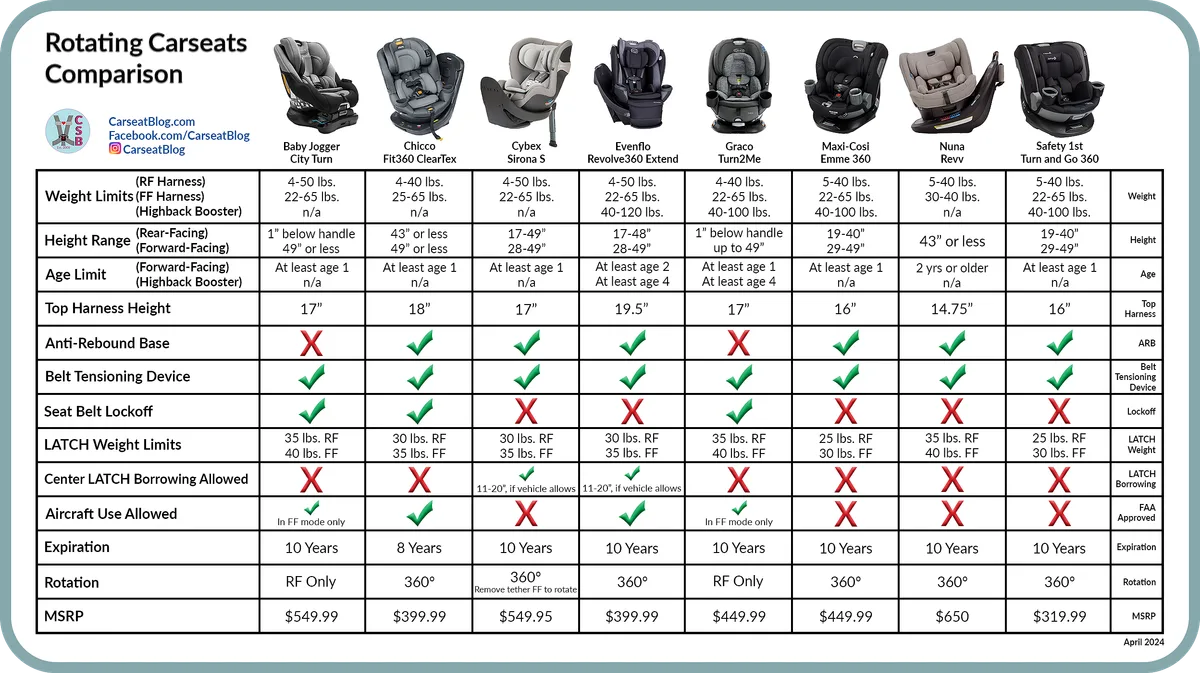
Image source: Web (Bing) / ahtest.presonus.com (Web image (fair-use with source credit))
Manufacturer specs are the final word here, but aggregate reviews from verified buyers consistently point to the same pattern. The seats marketed as "ultra-light" tend to shave weight in the shell, not the harness. That means the hardware, buckles, and straps are the same across the brand's lineup.
The difference is usually the amount of molded foam and comfort padding. That's fine for a small baby, but less ideal for a chunkier toddler who needs more space.
Travel, Rideshares, and Tiny Cars: Matching Seat to Situation
Now let's match the lightest seat to how you actually live. Because the "best" lightweight seat changes based on your daily routine.
If you take Ubers or taxis regularly, you need a seat that comes with you and installs in seconds. That's the classic use case for a lightweight infant carrier at 7 to 8 pounds. You can click it onto a stroller, carry it one-handed, and install it with either the base or a seatbelt.
Same logic applies to air travel, where every pound counts when you're wrangling a carry-on, a diaper bag, and a sleeping baby.
If you're a two-car household, you don't need the lightest seat at all. You need a mid-weight convertible that stays put in each car. Since it never leaves the vehicle, the weight is irrelevant.
What matters is getting a snug fit in both vehicles. Some families buy two identical seats, one for each car, and never deal with the hassle of swapping.
If you drive a tiny car, like a Fiat 500 or a Mini Cooper, the seat's footprint matters more than its mass. A narrow, lightweight convertible seat might allow you to fit a passenger in the back seat, while a bulky one makes it impossible. Look at the seat's width, not just its weight, when you're shopping for small cars.
And if you're a grandparent who watches the kids a few days a week, you want a seat that's easy on your back. A lightweight model you can lift in and out of the trunk is a genuine quality-of-life improvement. That's one case where spending a little more for a lower weight is absolutely worth it.
The alternative is wrestling with a 20-pound seat in a parking lot, which gets old fast.
One more scenario: if you frequently take road trips and stay in hotels, consider how the seat travels. A backless booster is the easiest thing in the world to pack, but it's not for babies. For a toddler, a lightweight convertible that fits in a car seat travel bag is a better bet.
Just check your airline's size limits before you fly, since not all convertible seats fit in the overhead bin. When you're on the road, renting a car seat is always an option, but the rental units are often heavily used and overpriced, so bringing your own makes sense.

Leave a Reply