
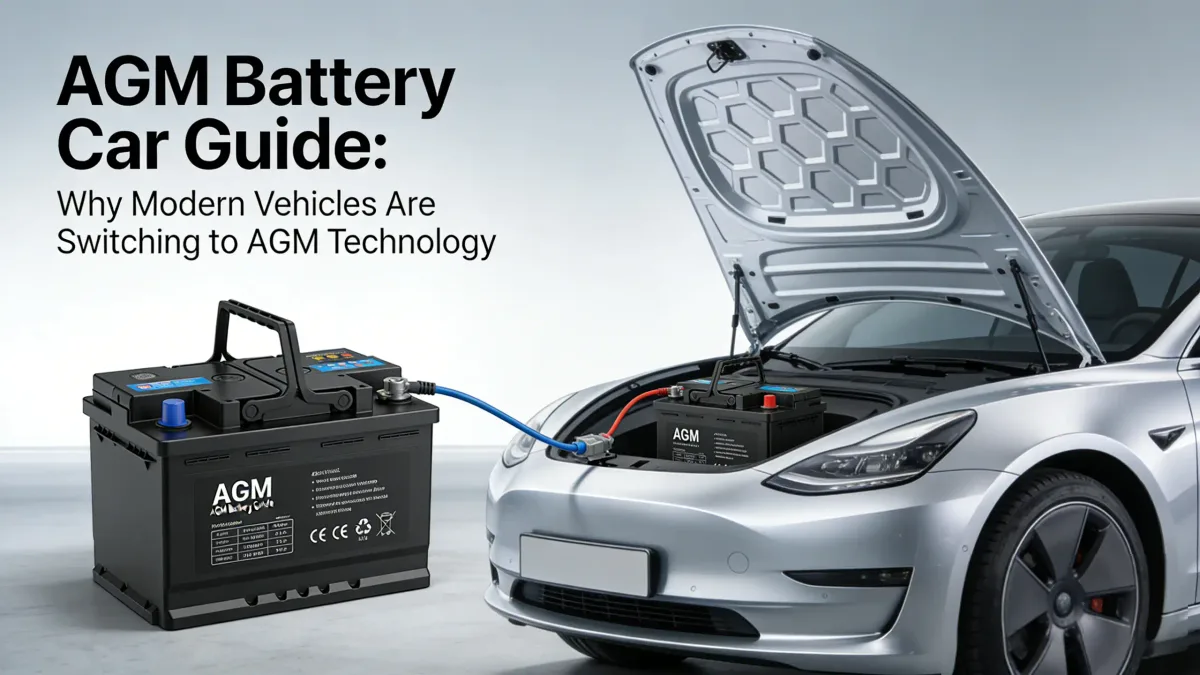
Image source: Web (Bing) / ayaatech.com (Web image (fair-use with source credit))
You’re staring at a $280 price tag for something that looks like a heavy black box, and you can’t help but wonder why are car batteries so expensive when your grandpa used to grab one for $60. The short answer? Your car changed, the battery changed, and the materials inside it cost a lot more than they used to.
The old flooded lead-acid battery that powered cars for decades is slowly becoming a relic. Modern vehicles with start-stop systems, advanced electronics, and demanding power requirements need AGM (Absorbent Glass Mat) batteries that cost two to three times more to manufacture. As of 2026, lead prices alone have climbed significantly, and the manufacturing process for newer battery types is far more complex than pouring acid into a plastic case.
Here’s what’s actually driving the price, and more importantly, what you can do about it.
Quick Answer
Car batteries are expensive because modern vehicles require advanced AGM or EFB technology. These batteries use more lead, denser materials, and complex internal construction. Lead prices have risen sharply.
Start-stop systems demand batteries that cycle constantly. Manufacturing costs for AGM batteries run 2-3 times higher than traditional flooded types. You’re paying for durability and performance your car actually needs.
What’s Actually Inside Your Car Battery
Let’s start with what you’re really paying for. A car battery isn’t just a plastic box with acid sloshing around. It’s a carefully engineered chemical reactor that has to deliver hundreds of amps instantly, survive freezing winters and scorching summers, and do it for years without complaint.
The traditional flooded lead-acid battery has been around since the 1850s. It works by submerging lead plates in sulfuric acid. Simple, cheap, and effective.
But it has limitations. The acid can spill. The plates shed material over time.
And when modern cars started shutting off their engines at red lights to save fuel, these old-school batteries couldn’t handle the constant cycling.
That’s where AGM technology changed everything. An AGM battery uses a fiberglass mat soaked in acid, sandwiched between lead plates. It’s completely sealed, which means no maintenance and no spill risk.
It can discharge deeper without damage. It recharges faster. And it handles the constant stop-start cycling that modern engines demand.
The manufacturing process for AGM batteries is dramatically more precise. The fiberglass mats have to be exactly the right density. The compression of the plates matters.
The sealing process has to be flawless. All of that precision costs money.
AGM vs EFB vs flooded: what the labels mean
There are three main types of batteries you’ll encounter when shopping:
- Flooded lead-acid: The old standard. Liquid acid inside, vented to release gases. Cheapest option, still fine for older or basic vehicles.
- EFB (Enhanced Flooded Battery): A step up. Still uses liquid acid, but the plates are reinforced and coated with carbon additives. Handles light start-stop duty and costs somewhere in the middle.
- AGM (Absorbent Glass Mat): The premium option. Sealed, spill-proof, handles heavy cycling, resists vibration, and lasts longer in demanding conditions. Most European luxury cars and many modern American vehicles specify these.
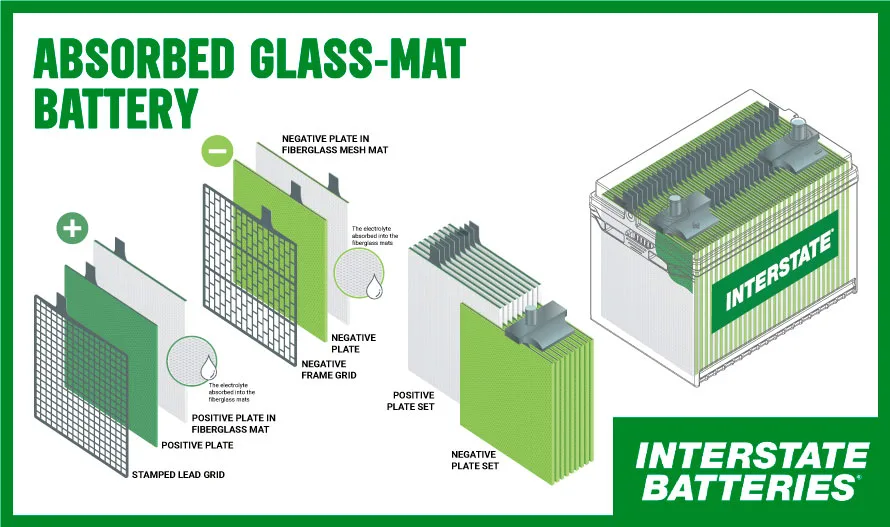
Image source: Web (Bing) / hitchesguide.com (Web image (fair-use with source credit))
The difference matters because installing the wrong type can damage your vehicle’s charging system. If your car came with an AGM battery, it has a charging profile designed for AGM. Drop a flooded battery in there and you might get away with it for a while, but the battery will wear out faster and your alternator may run hotter than it should.
The Biggest Cost Drivers (Explained Simply)
Several forces are pushing battery prices upward, and they’re not all going to reverse anytime soon.
Lead prices and commodity swings
Lead is the single heaviest component in any lead-acid battery. A typical car battery contains anywhere from 15 to 22 pounds of lead. When lead prices spike on global markets, battery prices follow.
As of 2026, lead has seen significant volatility driven by mining constraints, environmental regulations, and increased demand from the renewable energy storage sector.
The start-stop system mandate
Here’s the big one. Start-stop technology, which shuts the engine off when you’re stopped at a light, became standard across most new vehicles over the past decade. That system is brutal on conventional batteries.
The battery has to deliver a cranking burst every time the light turns green, sometimes dozens of times per commute.
Manufacturers responded with AGM and EFB designs that can handle thousands of cycles. But those designs cost more to build. You’re not just paying for a battery, you’re paying for the engineering that keeps your car starting every single time.
AGM manufacturing complexity
Building an AGM battery isn’t the same as filling a plastic case with acid. The fiberglass mat must be precisely compressed. The lead grids use calcium and other alloys to reduce water loss.
The valves that control internal pressure have to be exact. Every step requires tighter tolerances and more automation, and that automation costs money.
Supply chain and shipping realities
Batteries are heavy. A typical unit weighs 40 to 60 pounds, and shipping them involves special hazmat considerations because they contain sulfuric acid. The logistics of getting a battery from a manufacturing plant to your local auto parts store aren’t trivial, and those costs get baked into the price tag.
Core charges: why you see that extra fee
You’ve probably noticed a “core charge” of $12 to $25 added to the price. That’s not a tax, it’s a deposit. Lead-acid batteries are 99% recyclable, and the core charge incentivizes you to return your old battery.
Bring it back, and you get the fee refunded. It’s a legitimate environmental program, and it keeps thousands of tons of lead out of landfills every year.
The Side-by-Side: Battery Types and Price Ranges
Let’s get concrete about what you’ll actually pay in 2026. Prices vary by brand, retailer, and your location, but here’s the realistic landscape:
| Battery Type | Typical Price Range | CCA (Cold Cranking Amps) | Best For | Lifespan Expectancy |
|---|---|---|---|---|
| Flooded Lead-Acid | $100–$180 | 400–700 | Older cars, basic commuters | 3–5 years |
| EFB | $160–$250 | 500–750 | Entry-level start-stop vehicles | 4–6 years |
| AGM | $200–$350 | 600–1,000+ | Modern cars, luxury, trucks | 5–8 years |
| Lithium-Ion | $600–$1,200+ | 500–900 | Performance, weight-saving applications | 8–12 years |
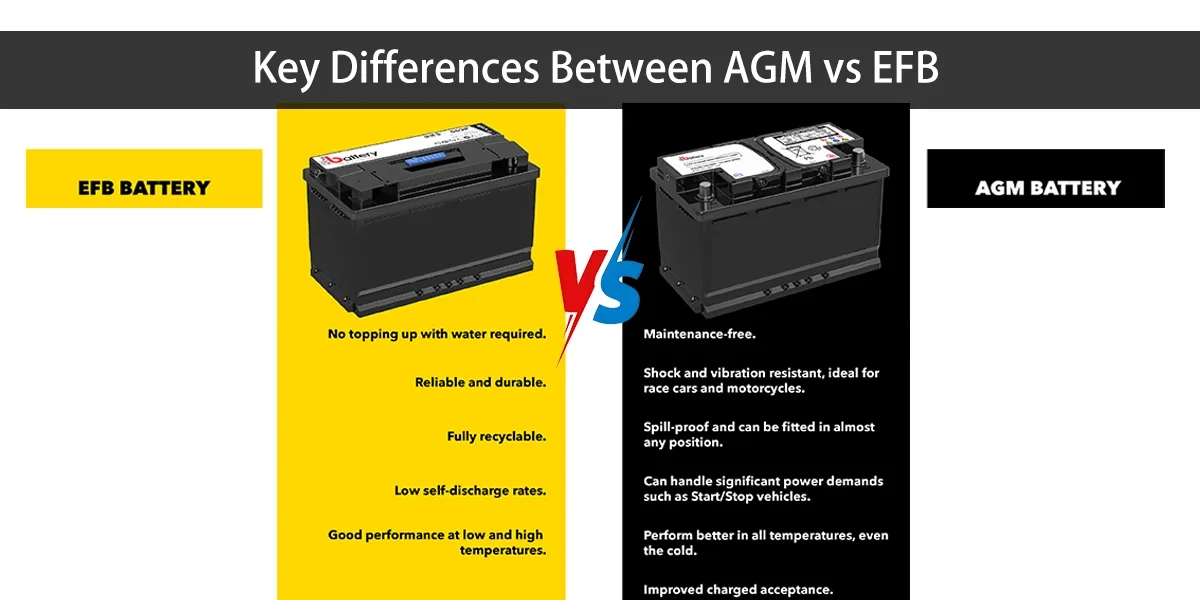
Image source: Web (Bing) / batteryswapstation.com (Web image (fair-use with source credit))
What you actually get at each price point
The flooded battery at the low end is a basic, no-frills unit. It’ll start your car reliably, but it doesn’t like deep discharges and it won’t survive constant cycling. It’s the right call for a 2005 Civic that you only drive on weekends.
The EFB sits in the middle. It’s essentially a flooded battery with tougher internals, designed to handle the occasional start-stop cycle. Some automakers use EFBs as original equipment on smaller start-stop vehicles to keep costs down.
The AGM at the top is a completely different animal. Its sealed design means you can mount it in the trunk or under a seat. It resists vibration better, which matters for trucks and off-road vehicles.
And it delivers consistent power even when the battery is partially discharged, which modern electronics absolutely love.
Why the Dealership Wants $400 (and Whether It’s Worth It)
There’s a specific frustration that comes when your local dealership quotes you $400 or more for a replacement battery that you can see online for $250. You’re not imagining things, that price gap is real. But it’s not pure markup, there’s a reason behind it.
OEM vs aftermarket branding
Original Equipment Manufacturer (OEM) batteries are built to exact specifications from your car’s maker. That means specific dimensions, terminal placement, CCA ratings, and in some cases proprietary technology. When you buy an OEM battery at the dealership, you’re paying for the assurance that it’ll fit and function exactly as designed.
Aftermarket batteries from brands like Optima, Odyssey, or even house brands from major retailers are often excellent. But they may not perfectly match your vehicle’s original specs. Group sizes can vary slightly.
Terminal configurations differ. And for most cars, any quality battery in the right group size will work fine.
Battery registration for modern vehicles
This is where things get genuinely complicated. Many modern European and some American vehicles require battery registration as of 2026. That’s a process where a scan tool tells the car’s computer that a new battery has been installed.
The car then resets its charging algorithm to match the new battery’s condition.
If you skip registration, your car may overcharge or undercharge the new battery. That shortens the battery’s life and can trigger warning lights on the dashboard. Dealerships and many independent shops charge $40 to $80 for this service, and it’s often bundled into the battery installation price.
Heating elements and sensor modules in some OE batteries
Some manufacturers, particularly BMW and Mercedes-Benz, integrate battery monitoring systems directly into the battery itself. These units have sensors that track the battery’s temperature, voltage, and internal resistance, and they communicate with the car’s computer in real time. When those batteries fail, you’re paying for replacement units that include the electronics, not just the lead and acid.
When dealer pricing makes sense
There are times when paying the dealer premium is worth it. If you own a vehicle under warranty and a battery failure could complicate a future claim, sticking with OEM parts keeps things clean. If your car requires battery registration and you don’t have a scan tool, the convenience of having the dealership handle everything in one visit has real value.
But for most drivers, a quality aftermarket AGM battery from a reputable brand will perform identically to the OEM unit at a significantly lower price. The key is matching specs and handling the registration step properly. If you’re planning a DIY swap, our guide on how to install a car battery correctly covers the process step by step, including registration considerations.
Are You Overpaying? How to Know
Here’s the question on everyone’s mind. How do you make sure you’re not getting taken for a ride?
Load testing before you buy
First, figure out whether you actually need a battery. Many people replace perfectly good batteries because they mistake a weak alternator or a parasitic drain for battery failure. A simple load test at any auto parts store, usually free, tells you the battery’s actual health.
It’s worth spending five minutes before spending $250.
Matching the right group size and CCA
Every vehicle has a specified battery group size, which determines the physical dimensions and terminal layout. Getting the wrong size means the battery might not fit securely, and an unsecured battery can vibrate, rattle, and fail prematurely. Your owner’s manual lists the correct group size and the recommended CCA rating.
Follow those specs.
Checking your car’s actual requirements
The biggest overpayment trap is buying more battery than you need. If you drive a small commuter car without start-stop functionality, you don’t need a $300 AGM battery. A standard flooded battery at $120 will serve you perfectly well.
Conversely, if your car requires AGM, buying a flooded battery to save money is a false economy, it won’t last and could stress your charging system.
When the cheapest battery is the smartest buy
Honest truth from our research: the cheapest battery is often the smartest purchase if you drive an older car that doesn’t demand much from its electrical system. Aggregate data shows that premium batteries last longer, but they don’t last proportionally longer. A $120 battery lasting four years beats a $300 battery lasting six years on a pure cost-per-year basis, especially if you don’t need the AGM’s cycling capacity.

Leave a Reply