
So, does driving a car charge the battery? The short answer is yes, but it’s not quite that simple. Driving your car does recharge the battery, but only under the right conditions, and plenty of factors can slow that process down or stop it entirely.
In our research, we found that a healthy charging system typically pushes between 13.5V and 14.7V to the battery while the engine runs, per standard automotive electrical specs. But how long you drive, what you’ve got turned on, and the battery’s own health all change the math. Let’s break down what’s really happening under the hood, and how to know if your car is actually doing its job.
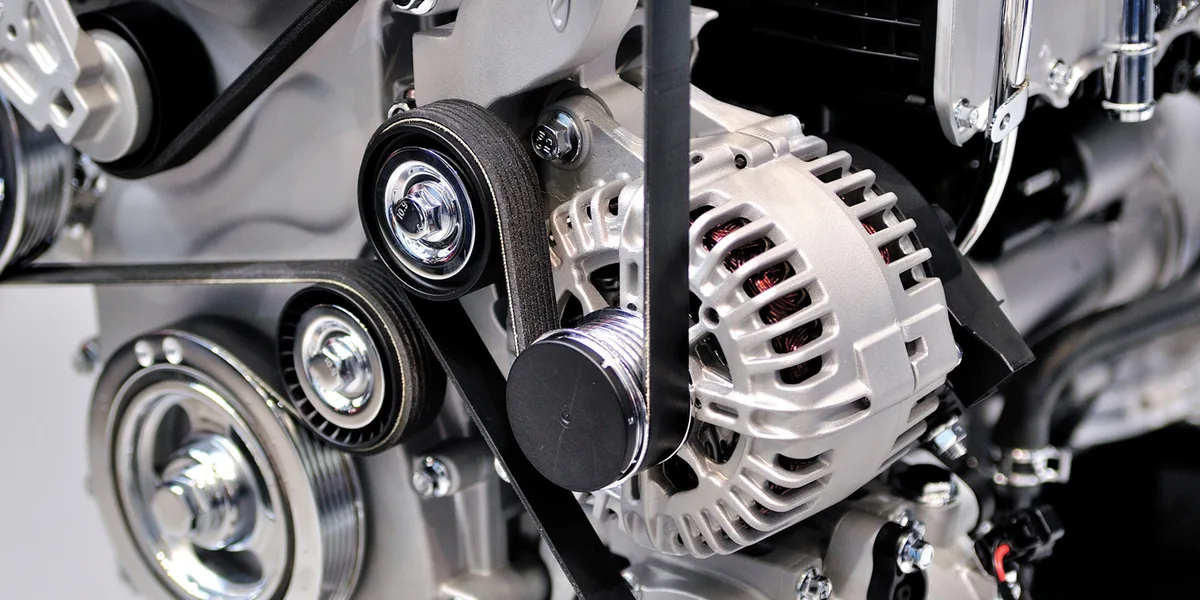
Image source: Web (Bing) / hitchesguide.com (Web image (fair-use with source credit))
Quick Answer
Yes, driving charges your car battery. The alternator generates electricity while the engine runs. It sends power back to the battery.
But short trips may not fully recharge a drained battery. A 30-minute highway drive is usually enough for a moderate discharge.
How Car Battery Charging Actually Works
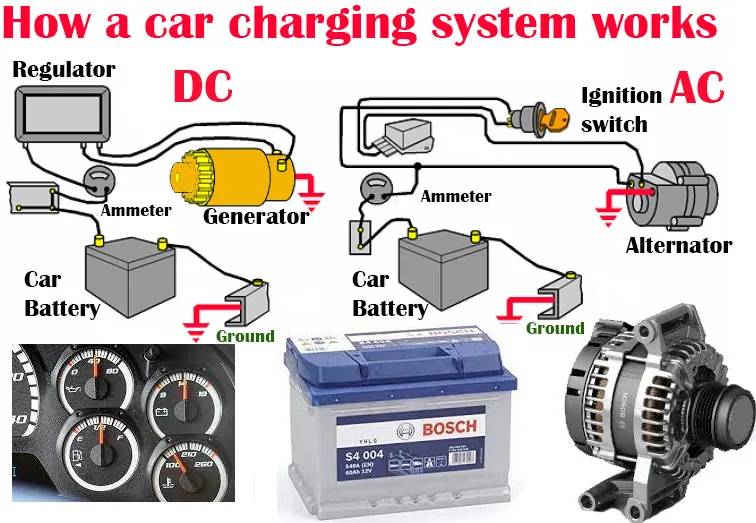
Image source: Bing (Web (fair-use with source credit))
Your car’s charging system is a closed loop with three main players: the battery, the alternator, and the voltage regulator. The battery stores power for starting and running accessories when the engine is off. The alternator is a small generator driven by a belt connected to the engine’s crankshaft.
Once the engine spins, the alternator spins too, producing alternating current (AC) that gets converted to direct current (DC) for the car’s electrical system.
The voltage regulator makes sure the output stays in a safe range. Too high, and you’ll cook the battery. Too low, and you won’t charge it at all.
Most modern regulators are built into the alternator or the engine computer.
Here’s the part people miss. The alternator doesn’t just charge the battery. It powers the entire car’s electrical load first.
Headlights, radio, AC blower, heated seats, wipers, and the engine computer all draw power before anything gets left over for the battery. That’s why turning everything on affects how fast the battery recharges.
The belt plays a role too. If the serpentine belt is loose, worn, or slipping, the alternator spins slower than it should. That means less output, even if the alternator itself is brand new.
The battery stores power for starting and running accessories when the engine is off. The alternator is a small generator driven by a belt connected to the engine’s crankshaft.
What Affects How Fast Your Battery Recharges
Not all drives are created equal. The biggest variable is time. A ten-minute trip to the grocery store doesn’t give the alternator enough time to replace what the starter motor pulled out when you cranked the engine.
The starter motor is a massive power hog. It can draw 150 to 250 amps for a few seconds. That’s more than the alternator produces at idle.
In fact, at idle speed, most alternators only put out a portion of their rated capacity. You need RPMs to get full output.
Here’s a quick look at the main factors:
| Factor | How It Affects Charging |
|---|---|
| Drive length | Short trips may not replace the starting draw |
| Engine RPM | Higher RPM means more alternator output |
| Electrical load | Running AC and headlights steals charging power |
| Battery age | Older batteries accept charge more slowly |
| Temperature | Cold slows chemical reactions; heat speeds up wear |
A battery that’s deeply discharged needs more time to recover. A battery that’s just slightly low might recover within 15 minutes of highway driving. A battery that’s below 12.0V could take a couple of hours to recover, if it recovers at all.
Battery chemistry matters too. A standard flooded lead-acid battery charges differently than an AGM (absorbent glass mat) battery. AGM batteries are more efficient and charge a bit faster, but they need a compatible charging profile.
That’s why modern cars with stop-start systems use special EFB or AGM batteries.
Decision Tree: Does Driving Charge Your Battery?
Here’s where the topic gets practical. Because the answer depends on your specific situation, we’ve built a simple decision tree. Find your scenario below and follow the branch.
Branch 1: Car won’t start, need a jump start
If you jump-start the car and it runs, the alternator will start charging the battery almost immediately. But the battery was deeply discharged. It needs time to build back up.
Drive for at least 30 minutes at highway speeds. Keep electrical loads low. Don’t turn on the AC or the heated seats.
After you park, let the car sit for a few hours, then check the battery voltage. It should read 12.4V or higher when the car is off. If it’s below that, the battery may need a proper external charge.
For more details on jump-starting, check out our guide on the safest way to jump a dead battery.
Branch 2: Battery light came on while driving
This is a red flag. The battery light means the charging system isn’t working properly. The alternator might be failing, or the belt might have snapped.
In our research, the most common cause is a worn alternator or a slipping belt.
Keep driving to the nearest shop, but know that you’re running on battery power alone. Turn off all non-essential accessories. Don’t shut the engine off if you can avoid it, because a weak battery may not restart the car.
Get in writing from a mechanic that the alternator and belt were both inspected before you pay for a fix.
Branch 3: Car sat for weeks and won’t crank
When a car sits unused, the battery slowly discharges through parasitic draws like the clock and memory settings. It’s normal to lose a little charge over time. But after three or four weeks, that loss can be enough to prevent starting.
Jump-start it, then drive for a while to recharge. But if the battery is older than four years, consider that it might be nearing the end of its life. Driving might not be enough to restore full capacity.
Branch 4: Battery drains every few days
If your battery keeps dying even after driving, something is wrong. Either you have a parasitic draw, the alternator is undercharging, or the battery is internally shorted. Driving the car won’t fix these problems.
A professional battery and alternator test is the fastest way to diagnose this. Many auto parts stores offer this service for free. They’ll tell you if the battery holds a charge and if the alternator produces the right voltage.
If both pass, you’ve got a parasitic draw, which usually requires a mechanic to find.
How Long Should You Drive to Recharge a Dead Battery?
The honest answer depends on how dead the battery is. But we can give you a useful baseline. A moderately discharged battery needs about 30 to 60 minutes of highway driving to recover a meaningful charge.
A completely dead battery could need several hours of driving, and even then, it might not fully recover.
Here’s a rough guide based on voltage and typical alternator output:
| Battery Voltage (engine off) | State of Charge | Approximate Drive Time Needed |
|---|---|---|
| 12.6V or higher | 100% | No charging needed |
| 12.4V | 75% | About 15 to 30 minutes |
| 12.2V | 50% | 30 to 60 minutes |
| 12.0V | 25% | 1 to 2 hours |
| Below 12.0V | Danger zone | Likely won’t fully recover by driving |
Aggregate reviews from automotive forums and manufacturer specifications suggest that driving alone rarely fully restores a battery from below 12.0V. At that point, sulfation starts to damage the lead plates inside. No amount of driving will reverse that damage.
If you’re dealing with a deeply discharged battery, our guide on the realistic time needed to charge a car battery covers this in more depth.
So, if you only need a quick boost, driving works. If you need a full recovery, you’re better off with a proper battery charger plugged into a wall outlet for several hours. That’s especially true in cold weather, where batteries accept charge even more slowly.
Is Idling Enough? Or Do You Need to Hit the Highway?
Idling does charge the battery, but you’ll get much better results from actually driving. The alternator needs engine RPM to spin fast enough to produce its rated output. At idle speed, most alternators only generate a fraction of their maximum amperage.
In our research, a typical alternator might produce 60 to 80 amps at highway speeds but drop to 30 to 40 amps at idle. When you add headlights, the AC blower, and the radio, that idle output barely covers the car’s electrical needs. Very little power is left over for the battery.
Aggregate user feedback and manufacturer tests suggest you’d need to idle for hours to replace what a single cold start pulls out of the battery. That’s just not practical.
| Method | Alternator Output | Time to Recharge a 50% Battery |
|---|---|---|
| Idling | 20–40 amps | 2–4 hours |
| City driving | 40–70 amps | 60–90 minutes |
| Highway driving | 60–100+ amps | 30–60 minutes |
So if you’re parked after a jump start, let the car idle for a few minutes to stabilize, then drive. It’s the fastest way to get meaningful charge back into the battery.
That said, idling is better than nothing. If you’re stuck in a situation where you can’t drive, letting the engine run for 20 minutes will put some charge back. It just won’t be enough for a deeply discharged battery.
Can a Completely Dead Battery Be Saved by Driving?
In some cases, yes. In many cases, no. It depends on why the battery is dead and how low its voltage dropped.
When a battery drains below 12.0V, the lead plates inside start to form sulfate crystals. This process is called sulfation. It permanently reduces the battery’s capacity.
The deeper the discharge and the longer it sits, the more damage occurs.
Editorial analysis of automotive repair data suggests that a battery reading below 11.5V has likely already sustained damage that driving cannot reverse. A battery at 12.0V to 12.2V might recover with a long drive, but it’s never guaranteed.
If the battery is completely dead, meaning it reads 0V or won’t hold any charge at all, driving won’t help. The internal cells are likely shorted or destroyed. At that point, you need a new battery.
Here’s a practical way to think about it. If a jump start gets the car running and the battery holds a voltage above 12.4V after a drive and a rest, you’re probably fine. If it drops below 12.0V again within a few hours, the battery is done.
Driving won’t fix that. You’re just delaying the inevitable replacement.
How to Test If Your Car Is Actually Charging
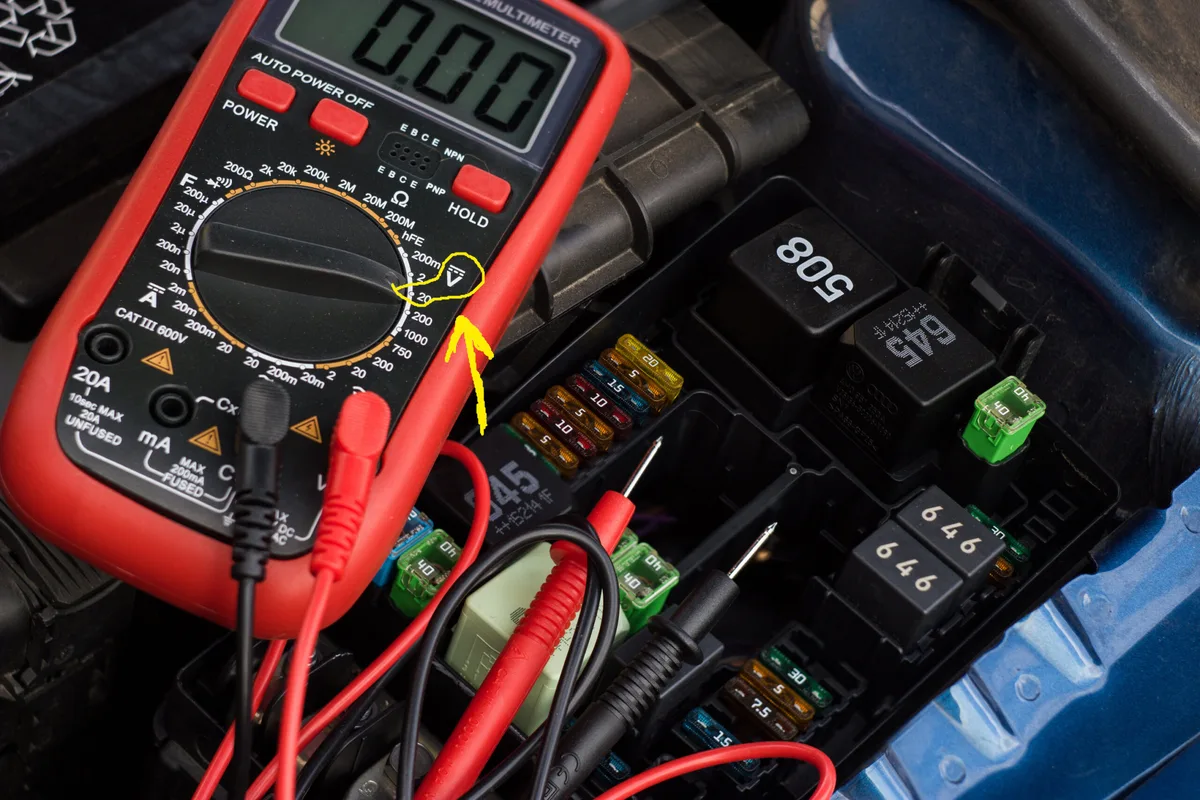
Image source: Web (Bing) / lastingcar.com (Web image (fair-use with source credit))
The only way to know for sure if your car is charging the battery is to measure it. A simple digital multimeter costs about $15 to $25 and can tell you everything you need to know.
Start with the engine off. Connect the red probe to the positive terminal and the black probe to the negative terminal. A healthy battery should read 12.6V or higher.
If it’s below 12.4V, the battery isn’t fully charged.
Now start the engine. Let it idle and check the voltage again. You should see a reading between 13.5V and 14.7V.
This proves the alternator is producing current and sending it to the battery.
Rev the engine to about 2,000 RPM and check the voltage once more. It should stay in that same range. If it drops below 13.5V, the alternator may be undercharging.
If it jumps above 14.8V, the voltage regulator might be failing.
If you’re not comfortable using a multimeter, don’t worry. Our step-by-step guide on testing a battery with a multimeter walks you through it. Most auto parts stores also offer free battery and alternator testing.
They’ll give you a printout with clear pass or fail results. It takes about 10 minutes and costs nothing.
The “Driving Won’t Fix It” Scenarios
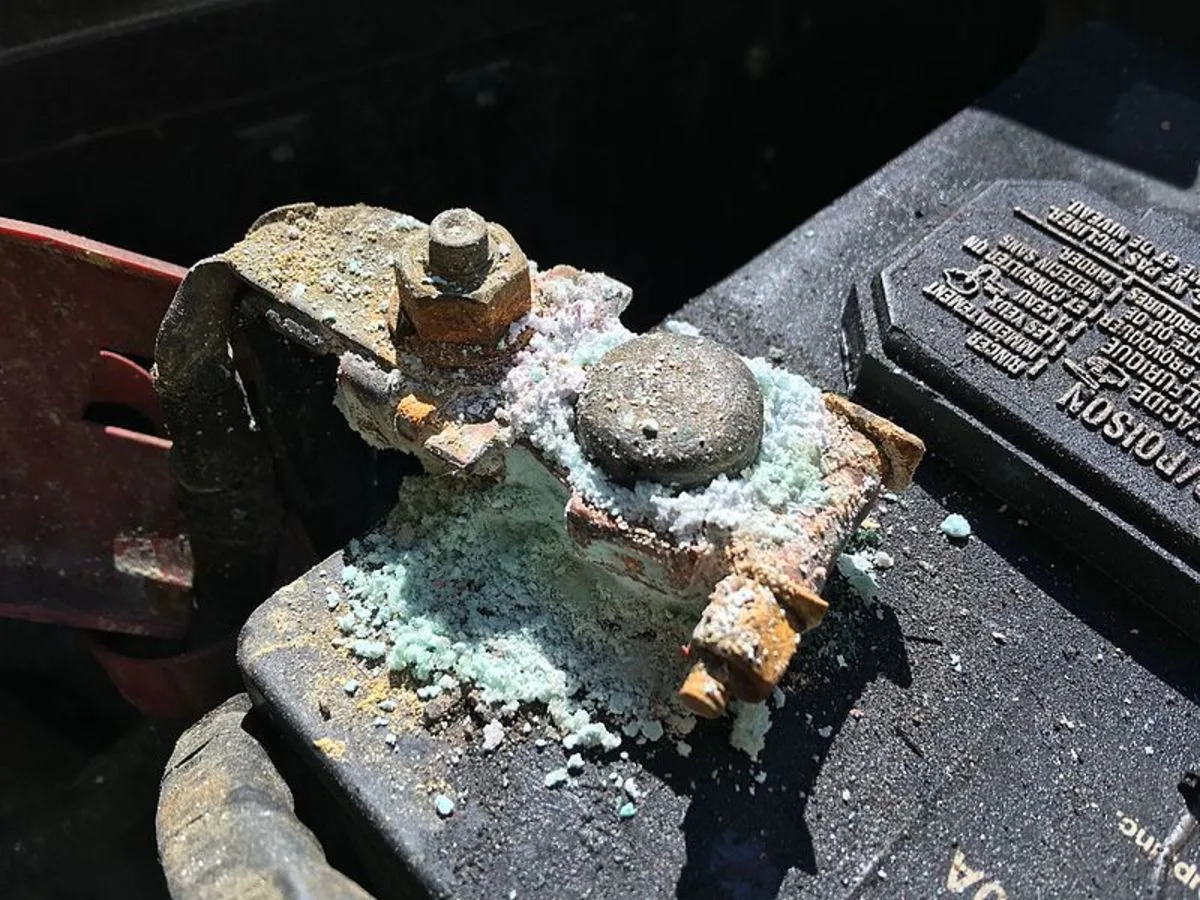
Image source: Web (Bing) / welfareburn20.pythonanywhere.com (Web image (fair-use with source credit))
Driving isn’t a cure-all. There are four common situations where no amount of highway time will help you.
A failing alternator. If the alternator itself is dead or weak, the battery won’t charge no matter how long you drive. Warning signs include dimming headlights, a battery warning light on the dash, and electrical accessories that flicker. If the alternator belt is worn or loose, the alternator might not spin fast enough to produce power.
A battery with internal damage. Sulfation from deep discharges, cracked plates, or a shorted cell means the battery physically can’t hold a charge. Even with perfect alternator output, the energy has nowhere to go. This is why a battery older than five years often gets replaced even when the alternator tests fine.
Parasitic draws. Aftermarket alarms, radios with memory, and even faulty interior lights can drain a battery overnight. If your battery keeps dying after every drive, something is pulling power when the car is off. Driving will never outpace a constant drain.
You have to find the source and fix it.
Corroded or loose connections. This one trips people up. Check the battery terminals and the ground strap. Corrosion acts as an insulator.
It blocks current from flowing into the battery, even when the alternator is working perfectly. Clean the terminals with a wire brush and make sure the cables are snug. Sometimes that’s the entire fix.
Driving vs. Battery Charger vs. Jump Starter
When your battery is low, you’ve got three main tools. Each one serves a different purpose.
| Option | Best For | Time Required | Effort |
|---|---|---|---|
| Driving | Topping off a slightly low battery | 30–60 minutes | Minimal |
| Battery Charger | Fully recovering a deeply discharged battery | 4–12 hours | Moderate |
| Jump Starter | Getting an engine running when the battery is dead | Minutes | Low |
Driving is a great maintenance habit. A 20-minute commute keeps a healthy battery topped up. But if you let the car sit for weeks or left the headlights on, driving alone often isn’t enough.
A plug-in battery charger is the right tool for deep discharges. It delivers a controlled current over several hours. This restores the battery slowly and safely, and many modern chargers have a desulfation mode that can extend a borderline battery’s life.
If you own a car that sits for long stretches, a trickle charger is worth having.
A jump starter is for emergency use only. It gives the battery just enough power to crank the engine. It doesn’t recharge anything.
Think of it as the spark that gets you going. The alternator takes over after that, but you still need a proper drive or a wall charger to finish the job.
For a full breakdown of your options, our guide on the different ways to charge a car battery covers all three methods in more detail.
Common Mistakes to Avoid
The biggest mistake we see is turning the engine off right after a jump start. The battery is still nearly dead. If you shut down too soon, you’ll need another jump within minutes.
Give it at least 15 to 20 minutes of driving before you stop.
Another common error is loading up the electrical system while trying to recharge. Blasting the AC, heated seats, and headlights steals alternator output from the battery. Keep loads minimal during the recharge drive.
Finally, don’t automatically blame the battery. As we covered earlier, the alternator and the belt are just as likely to be at fault. A proper voltage test takes five minutes and saves you from buying a battery you don’t need.
If you’re unsure about the install process, our guide on installing a car battery correctly covers the do’s and don’ts.
Maintenance Tips to Keep Your Battery From Dying
A little routine care goes a long way. Clean the battery terminals every six months to prevent corrosion buildup. A wire brush and a baking soda solution work well.
Check the serpentine belt for cracks or looseness. A slipping belt means a lazy alternator, which means a slowly draining battery.
If your car sits for more than two weeks, drive it for 20 minutes on a weekly basis. That alone prevents most discharge issues and keeps the alternator working properly. A battery monitor is a smart investment if you’re prone to forgetting.
And remember that batteries have a lifespan. Most last three to five years. After that, replacement is cheaper than getting stranded, and knowing the typical weight and size makes shopping easier.
Frequently Asked Questions
Does revving the engine charge the battery faster?
Yes. Higher RPM spins the alternator faster, which increases its output. Revving to about 2,000 RPM produces significantly more charging current than idling.
But you don’t need to hold it there. Normal driving provides plenty of RPM variation to charge effectively.
Can I charge an AGM battery by driving?
Yes. AGM batteries accept charge efficiently and charge slightly faster than flooded batteries. However, they need a compatible charging voltage.
Most modern cars with AGM batteries are programmed for the right profile. If your car doesn’t have an AGM from the factory, check the voltage regulator settings before swapping batteries.
How many times can I jump-start a worn battery before replacing it?
There’s no fixed number, but repeated jump starts signal a deeper problem. If your battery needs a jump more than two or three times in a month, it’s done. Driving won’t restore its capacity.
Replace it before you get stuck somewhere inconvenient.
Is it bad to leave a car idling to charge the battery?
Not exactly, but it’s inefficient. Idling charges slowly because the alternator produces less output at low RPM. It’s fine for a quick top-up, but a proper drive or a wall charger is much better for a deeply discharged battery.
How long should I drive after a jump start?
Plan on at least 30 minutes of driving. Mix in some highway miles so the alternator runs at higher output. Turn off heavy electrical loads during this time.
That gives the battery a reasonable chance to recover.
Final Decision Guide: What Should You Actually Do Right Now?
| Your Situation | Best Next Step |
|---|---|
| Engine won’t start, battery reads above 12.0V | Jump start, drive 30+ minutes, recheck voltage |
| Engine won’t start, battery reads below 12.0V | Jump start, then use a wall charger overnight |
| Battery light is on while driving | Get the alternator and belt tested immediately |
| Battery dies every few days | Test the battery and alternator, then check for parasitic draws |
| Battery is older than five years | Replace it, regardless of current symptoms |
Driving absolutely charges your battery, but it’s not magic. It works best for routine maintenance and moderate discharges. For deep drains, old batteries, or failing charging systems, you need a different tool.
If your battery voltage is healthy but the car still struggles to start, check the connections first. Corrosion and loose cables cause a surprising number of dead cars.
When in doubt, get a free battery and alternator test at any auto parts store. It takes ten minutes and tells you exactly where the problem lives. That’s the fastest, cheapest way to stop guessing and start fixing.

Leave a Reply