
Many people wonder what voltage a car battery really has. You might have heard that car batteries are “12 volts,” but is that the whole story? Understanding the voltage of a car battery is important for drivers, mechanics, and anyone who wants to care for their vehicle.
Battery voltage affects starting power, electrical systems, and even safety. In this article, you’ll discover the actual voltage of a car battery, how it changes, what affects it, and why knowing this matters for your car’s health. We’ll break down the details in simple, clear language, so you can feel confident—even if you’re new to cars or electricity.
What Is The Standard Voltage Of A Car Battery?
When people talk about a car battery, they usually mean a lead-acid battery found in most gasoline vehicles. These batteries are called “12-volt batteries,” but this is more of a name than a strict measurement.
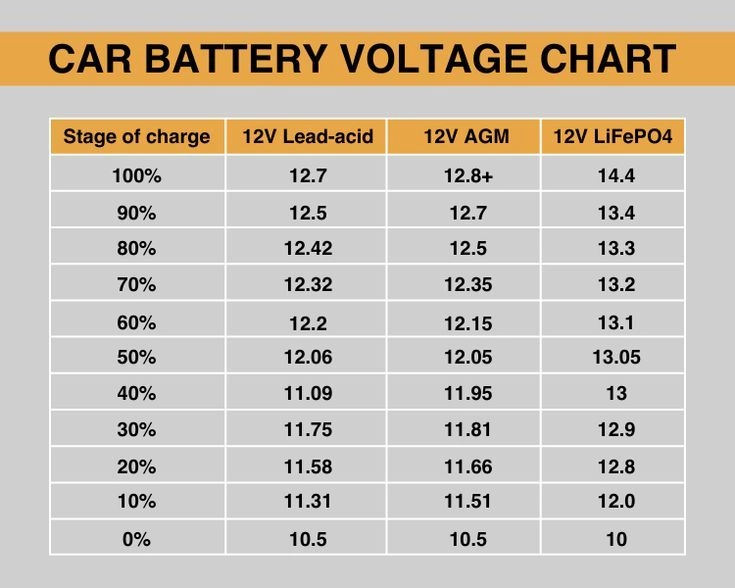
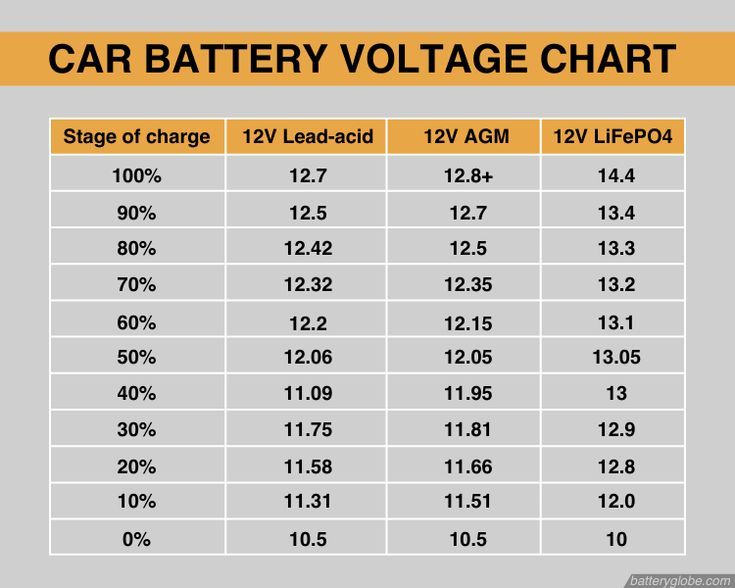
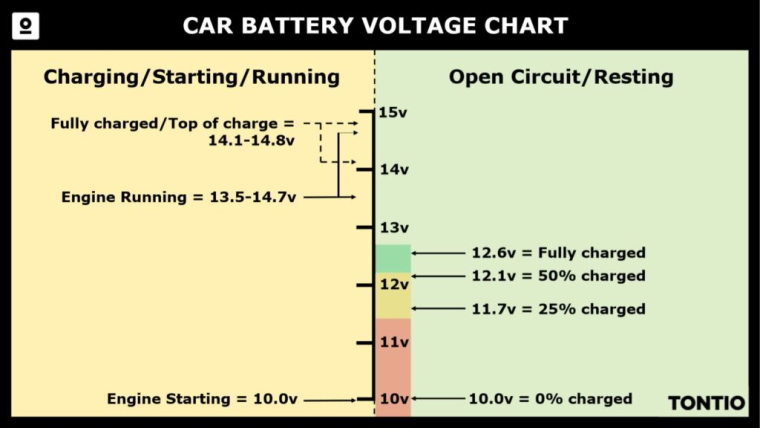
A fully charged car battery will actually measure about 12.6 to 12.8 volts when the engine is off. If the battery reads exactly 12.0 volts, it is only about 50% charged. When the voltage drops below 11.8 volts, the battery is considered discharged and may not start your car.
Here’s a quick reference for typical car battery voltages:
| Status | Voltage (Engine Off) |
|---|---|
| Fully Charged | 12.6 – 12.8 V |
| 75% Charged | 12.4 V |
| 50% Charged | 12.2 V |
| Low Charge | 12.0 V |
| Discharged | 11.8 V or less |
Key insight: The “12-volt” label is only an average. The actual voltage changes based on charge level and condition.
Why Does Car Battery Voltage Matter?
The voltage of your car battery is more than just a number. It affects several parts of your vehicle:
- Starting the Engine: If the battery voltage is too low, your car may not start. Most cars need at least 12.2 volts to turn over smoothly.
- Powering Electronics: Lights, radio, and other features depend on a healthy battery.
- Preventing Damage: Running your car with a weak battery can harm the alternator and other electrical parts.
- Safety: Low voltage can cause strange behavior in systems, like flickering lights or false error warnings.
Most drivers only notice battery voltage when something goes wrong. However, checking the voltage regularly can prevent problems before they happen.
Credit: www.neware.net
How Is Car Battery Voltage Measured?
To check your car battery voltage, you use a digital multimeter or a voltage tester. Here’s how:
- Turn off the car and all electrical accessories.
- Set the multimeter to DC volts (20V range).
- Touch the red probe to the battery’s positive (+) terminal and the black probe to the negative (-) terminal.
- Read the voltage on the display.
If you see 12.6 to 12.8 volts, your battery is healthy. If it’s below 12.4 volts, consider charging or checking for problems.
Extra tip: Measure battery voltage before starting the car and while the engine is running. When running, the alternator should boost voltage to 13.7–14.7 volts.
| Condition | Voltage Range | What It Means |
|---|---|---|
| Engine Off | 12.6 – 12.8 V | Battery is fully charged |
| Engine Running | 13.7 – 14.7 V | Alternator is charging |
| Below 12.4 V | Low voltage | Battery needs attention |
What Affects Car Battery Voltage?
Car battery voltage isn’t always stable. Many factors can change it:
Temperature
Cold weather lowers battery voltage. When it’s below freezing, chemical reactions inside the battery slow down. A battery that reads 12.6 volts in summer might drop to 12.2 volts in winter.
Hot weather can also affect voltage. Heat speeds up chemical reactions but can damage battery cells, lowering voltage over time.
Age And Condition
As batteries get older, their maximum voltage drops. A battery that once showed 12. 8 volts may only reach 12. 5 volts after a few years.
Corrosion on terminals, internal damage, or repeated deep discharges also reduce voltage.
Charging
If your car’s alternator is weak or damaged, the battery won’t charge properly. After driving, battery voltage should be higher (around 14 volts). If it’s not, you may have charging problems.
Electrical Load
Using lights, radio, or air conditioning with the engine off drains voltage faster. Always check voltage after the car rests for a few hours.
Non-obvious insight: Many people forget that short trips don’t charge the battery much. If you only drive a few blocks, the voltage may slowly drop over time.
Credit: www.sinexcel-re.com
Car Battery Voltage In Different Types Of Vehicles
Not all vehicles use the same battery voltage. Here’s a quick look:
| Vehicle Type | Battery Voltage | Notes |
|---|---|---|
| Standard Gas Car | 12V | Most common, lead-acid battery |
| Hybrid Car | 12V & High Voltage (100-300V) | Two battery systems |
| Electric Vehicle (EV) | 12V & High Voltage (300-800V) | 12V for accessories, high voltage for drive |
| Truck/Bus | 24V | Two 12V batteries in series |
| Motorcycle | 6V or 12V | Depends on model |
Key insight: Even modern electric cars use a 12V battery for things like lights and computers, separate from the main drive battery.
What Happens If Car Battery Voltage Is Too High Or Low?
Low Voltage
If voltage drops below 12.0 volts, you may notice:
- Slow or failed engine start
- Dim headlights
- Electrical errors
- Clicking noise when turning the key
If voltage stays low for days, the battery can suffer permanent damage.
High Voltage
If your alternator overcharges, battery voltage may rise above 15 volts. This can cause:
- Battery overheating
- Swollen battery case
- Damage to electronics
- Shorter battery life
Extra tip: Regularly check the voltage when the engine runs. If you see more than 14.7 volts, get your charging system checked.
Credit: www.kwik-fit.com
Signs Of Battery Voltage Problems
How do you know if your battery voltage is wrong? Look for these signs:
- Warning light on dashboard (often a battery symbol)
- Slow cranking or clicking sound at startup
- Electrical glitches (radio resets, dim lights)
- Corroded terminals or leaking fluid
Non-obvious insight: Many people think a battery is dead when it’s just low on charge. Sometimes, a simple recharge can solve the problem.
How To Keep Car Battery Voltage Healthy
Keeping your battery voltage in the safe range is easy if you follow these tips:
- Drive your car regularly for at least 15-20 minutes each trip
- Avoid leaving lights or accessories on when the engine is off
- Clean battery terminals every few months
- Test battery voltage every 3-6 months, especially before winter
- Replace batteries every 3-5 years or when voltage stays low
If you store your car for long periods, use a trickle charger to keep voltage stable.
Common Mistakes When Dealing With Car Battery Voltage
Many beginners make mistakes that can harm their battery or car:
- Using the wrong charger: Fast chargers can overheat and damage batteries. Use chargers rated for 12V car batteries.
- Ignoring voltage drops: If you see voltage below 12.4 volts, don’t wait. Recharge or check for problems right away.
- Jump starting without checking voltage: Jumping a dead battery without knowing the voltage can damage electronics.
- Mixing old and new batteries: In vehicles with multiple batteries (trucks, buses), always use batteries with similar voltage and age.
Extra tip: Always disconnect the negative terminal first when removing a battery. This prevents short circuits.
How Battery Voltage Relates To Other Car Systems
Battery voltage isn’t just about starting your car. It affects:
- Alternator function: If voltage is low, the alternator works harder, which can wear it out.
- Starter motor: Needs strong voltage for fast cranking.
- Computer systems: Modern cars use computers that need stable voltage. Low voltage can cause errors or resets.
Some newer vehicles have sensors that warn you when battery voltage drops. Always check your owner’s manual for details.
Frequently Asked Questions
What Voltage Should My Car Battery Read When Fully Charged?
A healthy, fully charged battery should read 12.6 to 12.8 volts when the engine is off. Anything below 12.4 volts means it’s not fully charged.
Is It Normal For Battery Voltage To Change While Driving?
Yes, it’s normal. When the engine runs, the alternator charges the battery, raising voltage to 13.7–14.7 volts. If it goes much higher or lower, check your charging system.
Can Low Voltage Damage My Car?
Yes. Low voltage can cause hard starting, poor electrical performance, and damage to the alternator. It can also shorten battery life if not fixed.
How Often Should I Check My Car Battery Voltage?
Check your battery voltage every 3–6 months, especially before cold weather. If you notice slow starts or electrical issues, test it right away.
Are All Car Batteries 12 Volts?
Most gasoline cars use 12-volt batteries. Trucks often use 24 volts (two batteries), motorcycles may use 6 or 12 volts, and electric vehicles use high voltage for driving but still have a 12-volt system for accessories.
Understanding car battery voltage helps you keep your vehicle reliable, safe, and ready for the road. By checking and maintaining the right voltage, you avoid common problems and save money on repairs. For more technical details about car batteries, you can visit Wikipedia. Remember: regular checks and smart habits keep your car running smoothly, no matter the season or situation.

Leave a Reply