
Car battery weight isn't the first spec most drivers check—until they're lifting one out of an engine bay or ordering a replacement online. But knowing what a battery should weigh matters more than you might think. It affects whether a replacement fits properly, how your vehicle handles, and whether your charging system stays happy.
This guide breaks down average battery weights across vehicle types, explains why weight varies so much, and gives you practical tips for choosing, handling, and installing the right battery for your car. You can also read our guide on how to replace a car battery install.
Why Battery Weight Deserves Your Attention
The battery under your hood isn't just a power source—it's also a significant piece of physical mass that your suspension, steering, and fuel system have to deal with every time you drive.
Weight Affects More Than You'd Guess
- Fuel economy: Every extra pound your engine has to haul costs you at the pump. The difference between a 25-pound and 50-pound battery is small, but it adds up over a year of driving.
- Handling balance: Automakers engineer their cars with a specific weight distribution in mind. Installing a dramatically heavier or lighter battery than recommended can change how your vehicle corners and brakes.
- Component stress: Oversized batteries put strain on battery trays, hold-down clamps, and wiring harnesses that weren't designed for the extra mass.
- Installation safety: A heavy battery that slips out of your hands can injure you or damage nearby engine components.
Average Car Battery Weight by Type
Car batteries aren't one-size-fits-all. Here's what you can expect to lift, depending on what's under your hood.
| Battery Type | Average Weight | Typical Application |
|---|---|---|
| Standard lead-acid | 35–45 lbs (16–20 kg) | Most sedans, SUVs, and light trucks |
| Heavy-duty lead-acid | 50–60 lbs (23–27 kg) | Pickup trucks, vans, diesel engines |
| Compact / small case | 25–30 lbs (11–14 kg) | Small cars, some Japanese imports |
| AGM (absorbent glass mat) | 35–50 lbs (16–23 kg) | Luxury vehicles, start-stop systems |
| Lithium-ion (auxiliary) | 20–30 lbs (9–14 kg) | Hybrids and some performance cars |
| EV main battery pack | 400–1,200 lbs (180–545 kg) | Electric vehicles |
Keep in mind these are general ranges. Your specific battery's weight is printed on its label or can be found in your owner's manual. For more on this, see our guide on how long does it take to charge a.
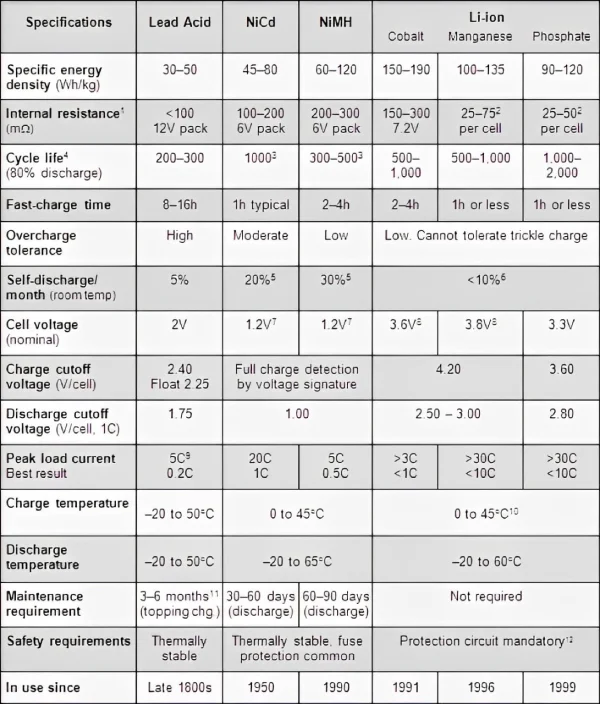
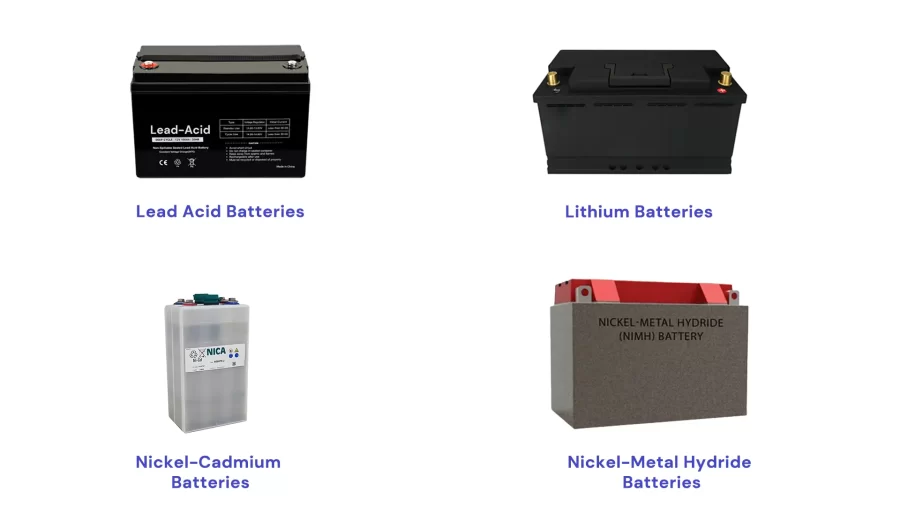
Lead-acid, AGM, and lithium batteries pack very different weights into similar-looking cases.
Credit: www.ufinebattery.com
What Makes One Battery Heavier Than Another?
Several factors determine how much a car battery weighs. Understanding them helps you make sense of why two batteries with similar dimensions can feel completely different in your hands.
Battery Chemistry
The internal materials are the single biggest factor in battery weight.
- Lead-acid batteries use thick lead plates submerged in sulfuric acid. Lead is dense—that's where most of the weight comes from. These are the industry standard because they're reliable and cost-effective.
- AGM batteries are a type of lead-acid battery where the acid is absorbed into fiberglass mats instead of free-flowing liquid. They're slightly heavier than standard flooded batteries because of the denser internal construction, but they're more vibration-resistant and have a longer lifespan.
- Lithium-ion batteries swap lead plates for lithium compounds, cutting weight dramatically for the same power output. The trade-off is higher cost.
Capacity and Amp-Hour Rating
Battery capacity is measured in amp-hours (Ah)—essentially how much electrical charge a battery can deliver over time. More capacity requires larger plates and more acid, which means more weight.
- A small 12V 35Ah battery might weigh around 25 pounds.
- A robust 12V 70Ah battery will often exceed 40 pounds.
That's why the "bigger is better" approach to battery shopping leads to unnecessary weight and potential fitment problems.
Physical Case and Features
You might not think about it, but the battery case itself adds weight. Reinforced cases for off-road use, integrated handles, thermal insulation, and built-in sensor modules (common in modern cars with battery management systems) all add ounces to pounds to the total.
Your Vehicle's Demands
Cold climates, high electrical loads, and large-displacement engines all require bigger batteries. If your car has stop-start technology, heated seats, premium audio, or a diesel engine, it likely needs a heavier battery than a basic economy car with minimal electronics.
Battery Weight by Vehicle Category
Every vehicle type has its own battery requirements. Here's a practical breakdown of what you'll find in typical cars and trucks.
| Vehicle Type | Typical Battery Weight | Notes |
|---|---|---|
| Compact/subcompact car | 25–35 lbs | Small engine, basic electrical demands |
| Midsize sedan | 35–45 lbs | Standard battery, moderate electronics |
| Full-size sedan | 40–50 lbs | Larger engine, more accessories |
| SUV/crossover | 45–55 lbs | Additional features, sometimes dual batteries |
| Full-size pickup truck | 50–60 lbs | Heavy-duty starting power; diesel trucks may use two |
| Commercial truck | 50–70 lbs per battery | Often two to four batteries wired together |
| Motorcycle | 8–15 lbs | Small, low-capacity batteries |
| Hybrid (auxiliary) | 20–30 lbs | Small 12V battery; the drive battery is separate |
| Electric vehicle | 400–1,200 lbs (main pack) | Massive pack mounted low in the chassis |
The Electric Vehicle Exception
EV battery packs are a different world. The main pack in a vehicle like a Tesla Model S can weigh around 1,200 pounds, while smaller EVs may use packs closer to 400 pounds. These aren't just heavy—they're structural components mounted under the floor to lower the center of gravity and improve stability. This placement is precisely why EVs handle well despite their substantial mass.
Choosing the Right Battery Weight for Your Car
When your battery needs replacing, weight should be part of your decision—but it shouldn't be the primary factor. Here's what actually matters.
Read the Manufacturer's Specification
Your owner's manual and the label on your current battery tell you exactly which group size and cold cranking amps (CCA) rating your vehicle needs. Match those specs first. Weight follows along logically: a battery designed for your car will weigh about what the factory installed.
The Risks of Getting It Wrong
- Too heavy: The battery may not fit the tray. Even if it fits, the mounts and cables may not handle the stress. You risk damaging components and voiding your warranty.
- Too light: A lightweight battery often lacks the capacity and cranking power your engine needs, especially in cold weather when battery performance naturally drops.
If you're considering a lithium-ion battery to save weight—whether for a project car or daily driver—verify that your vehicle's charging system is compatible. Standard alternators may overcharge lithium chemistry without proper management.
A correctly secured battery sits flush on its tray with the hold-down clamp snug.
Credit: cmbatteries.com
How to Check a Battery's Weight Before You Buy
You don't need to guess. Weight information is easy to find.
- Look at the label: Most batteries list their weight with the product specifications.
- Check the manufacturer's website: If the label has faded, search using the model number printed on the case.
- Ask the retailer: Whether you're shopping online or in-store, the weight is standard product data.
- Weigh your old battery: If you're curious about a replacement you already have, a bathroom scale works fine for a standard car battery—just make sure it's rated for the weight.
Safely Lifting and Handling a Car Battery
At 40 pounds, a car battery is an awkward, heavy, and potentially dangerous object. The acid inside can cause burns, and a dropped battery can cause serious injury.
Proper Technique
- Use both hands and lift with your legs. Bend at the knees, not your back.
- Carry the battery upright. Tilting it can cause acid to leak through vent caps.
- Use the handle if it has one. Most modern batteries include integrated handles; use them.
- Wear acid-resistant gloves. Protecting your skin matters if a case is cracked or a vent cap is loose.
- Grip the case, not the terminals. The terminal posts are the weakest points to pull on.
For batteries over 50 pounds, don't be shy about asking a second person to help. Your back will thank you later.
Battery Weight and Shipping Considerations
Ordering a battery online? Weight directly affects what you pay for shipping.
Because car batteries are heavy, hazardous materials, they ship through specialized ground services. A standard 40-pound battery will cost notably more to ship than a lightweight AGM or lithium unit. Some retailers fold shipping costs into the purchase price, while others add it at checkout.
When you buy a new battery, the retailer or installer should accept your old one for recycling. If they don't, most auto parts stores will take it off your hands. Lead-acid battery recycling is a well-established process, and disposing of batteries improperly is both dangerous and illegal in many areas. The Environmental Protection Agency provides guidance on proper battery disposal and recycling practices, and responsible handling matters because lead and sulfuric acid are hazardous materials.
Common Battery Weight Mistakes to Avoid
- Assuming all batteries of the same size weigh the same: AGM and flooded batteries with identical dimensions can differ by several pounds.
- Choosing a battery that barely fits the tray: If it fits only by forcing it, it's the wrong battery. That extra weight and the wrong footprint will stress your mounting system.
- Ignoring cold-climate needs: Cranking a cold engine demands more from a battery. Choosing a unit with lower capacity to save weight is a recipe for winter starting problems.
- Buying online without checking the return policy: A battery that doesn't fit may have restocking fees, and shipping it back won't be cheap.
Weight Considerations for Performance and Project Cars
For enthusiasts, battery weight is a real performance variable. Racing and track-day drivers often switch to lightweight lithium-ion batteries to shave 20 pounds or more off the front of the car. A reduction in unsprung or front-end weight translates to quicker acceleration and sharper turn-in.
But there's a trade-off. Small lithium batteries—often weighing just 5 to 10 pounds—may not have the reserve capacity to power a daily driver's accessories or sit through a week of short trips without needing a recharge. What works for a weekend track car can leave you stranded in a daily driver.
If you're building a project car, also note that battery relocation to the trunk changes handling. In that case, the move matters more than the weight itself because it shifts the car's balance.
Caring for a Battery Based on Its Weight
Maintenance needs vary by battery type, but weight-conscious care helps extend lifespan.
Keeping the Battery Secure
A loose battery rattling around under the hood is dangerous. Vibration shortens battery life and can crack the case. Check your hold-down clamp periodically to ensure the battery sits snug in its tray.
Keeping the Battery Clean
Corrosion on terminals adds electrical resistance and can drain a battery faster than you'd expect. Cleaning the terminals a couple of times a year is simple maintenance that pays off in reliability.
Keeping the Charging System in Check
Modern vehicles with battery management systems track battery health to optimize charging. If your car has this feature, replacing your battery with a different chemistry or capacity than specified can confuse the system and reduce performance.
Keeping your battery properly maintained and your vehicle's electrical system in good shape extends the life of any battery. For guidance on keeping the interior of your car clean and well cared for, our rundown on choosing the right car vacuum cleaner offers practical advice, and learning how to clean under seats effectively helps keep your vehicle comfortable.
Frequently Asked Questions
How much does a typical car battery weigh?
A standard lead-acid car battery weighs between 35 and 45 pounds (16–20 kg). Compact car batteries weigh around 25–30 pounds, while heavy-duty batteries for trucks and SUVs can reach 50–60 pounds.
Does battery weight affect car performance?
The difference is minor for most drivers. A much heavier battery than intended adds unnecessary weight, slightly hurting fuel economy and acceleration. A much lighter battery may lack the capacity your vehicle needs, causing starting problems or electrical issues.
Why are electric car batteries so heavy?
Electric vehicle batteries store far more energy than a 12V starter battery. The main packs typically weigh between 400 and 1,200 pounds because they contain hundreds of individual cells. Automakers mount them low under the floor for weight distribution and safety.
Can I switch to a lighter battery to save weight?
Only if it meets your vehicle's specifications. A lighter lithium-ion battery may work fine for racing, but most daily drivers need the capacity and cranking amps of a standard battery. Check your owner's manual or consult a professional before making the switch.
How should I lift a heavy battery safely?
Use both hands, bend at your knees, and keep your back straight. Carry the battery upright using its handle. Wear gloves to protect against acid, and get help for batteries over 50 pounds.
Final Thoughts
Battery weight matters because it reflects what's inside: capacity, chemistry, and construction quality. For most drivers, the best approach is simple—choose the battery your manufacturer recommends, and the weight takes care of itself.
When you're ready to replace a battery, look up the correct group size and CCA rating first. Check the weight to prepare for handling it safely. And when the old battery comes out, recycle it properly.
Knowing these basics also helps with other vehicle projects. If you're installing car seats for your little ones or working through your restoration checklist, understanding how to manage heavy, awkward components is a skill that translates everywhere. From the weight of a battery to the weight of a toddler buckled into a properly installed car seat, mindful handling makes everything safer.
Have a battery question that wasn't answered here? Drop by our blog for more practical car maintenance guides, or consult your vehicle's manual for the exact battery specifications your car requires.

Leave a Reply