
Are winter car seat covers safe? Yes, but only when they don't block airbags. They must also avoid confusing seat sensors.
Check your owner's manual first. Per FMVSS 208, side airbags need clear deployment paths.
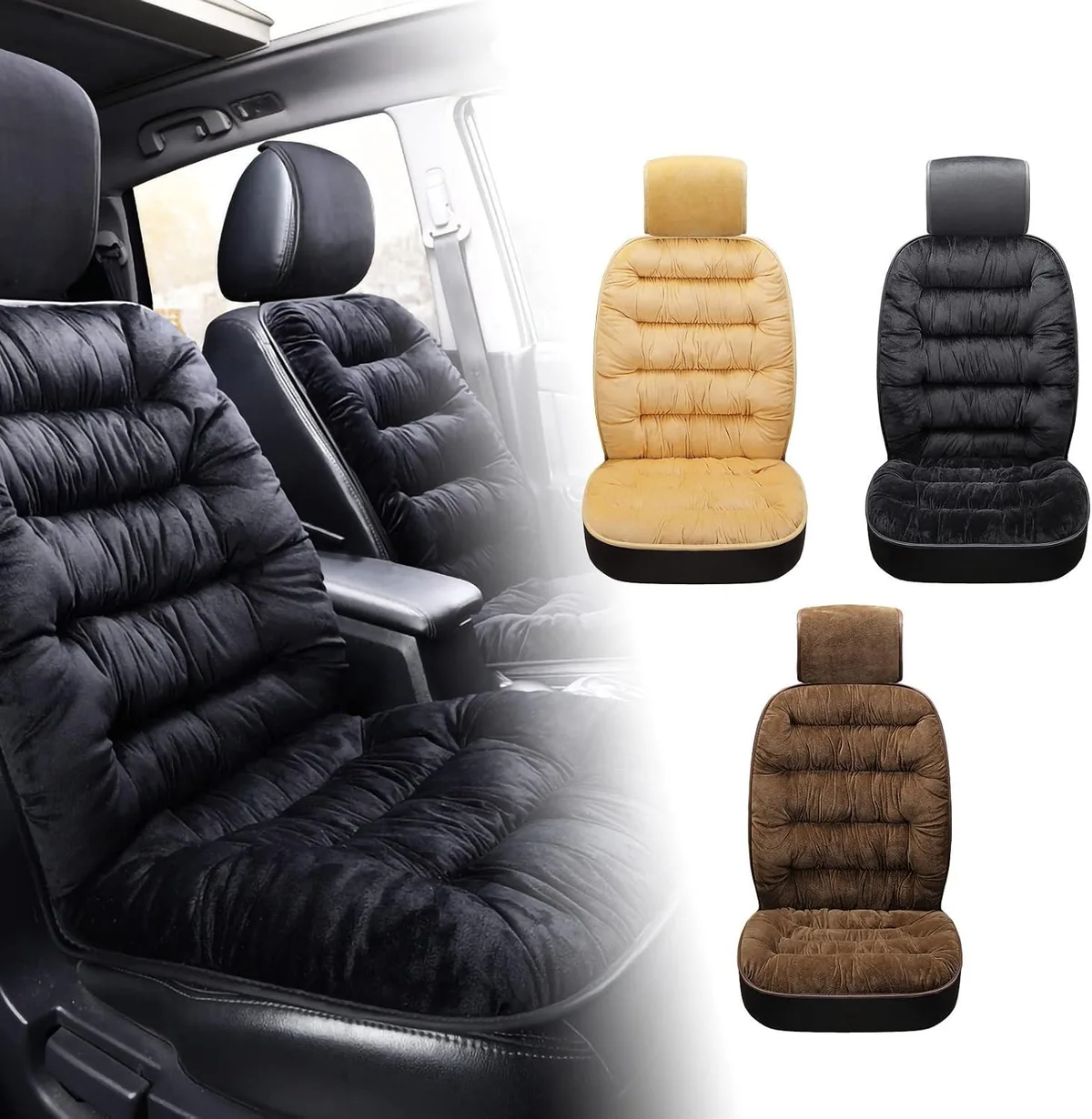
Image source: Web (Bing) / amazon.co.uk (Web image (fair-use with source credit))
Why This Question Matters More Than You Think
Your car seat isn't just furniture. It's a crash protection system. The seat frame, foam, and fabric work with airbags, seatbelts, and sensors to keep you alive in a collision.
Add a thick fleece cover, and you change how that system behaves. The airbag needs a clear exit path. The seatbelt needs to retract and lock cleanly.
The pressure sensors need to detect the correct occupant weight. Block any one of those, and you've turned a safety feature into a hazard.
That's why this question matters. It's not about comfort or style. It's about whether your seat can still do its job in the split second after a crash.
How Car Seats and Airbags Actually Work Together
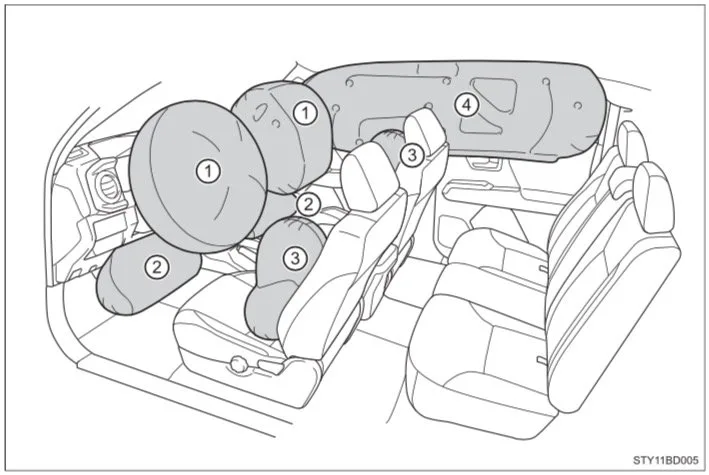
Image source: Bing (Web (fair-use with source credit))
Modern front seats contain more safety hardware than most drivers realize. Seat-mounted side airbags deploy from the outboard side of the seat, usually behind a seam that tears open during a crash. The bag is folded tightly inside the seatback, waiting for a signal from the crash sensors.
The deployment happens fast. Airbags inflate at speeds around 200 miles per hour. They need a clear path to expand between the occupant and the door.
A thick winter cover can delay or redirect that expansion. Even a fraction of a second matters.
The seatbelt system is also part of the seat. Pretensioners pull the belt tight milliseconds before impact. Retractors need room to move.
A cover that bunches up around the buckle or the belt path can reduce belt effectiveness.
Occupant sensors are the third component. Most passenger seats have a weight sensor that tells the airbag system whether to deploy the front airbag and at what force. Heavy covers, or covers installed loosely, can shift weight readings.
If the sensor thinks a 150-pound adult is a 60-pound child, the airbag may not deploy at all.
For a deeper look at how covers interact with airbag systems, check our breakdown of airbag-compatible covers.
The Risks Most Drivers Never Consider
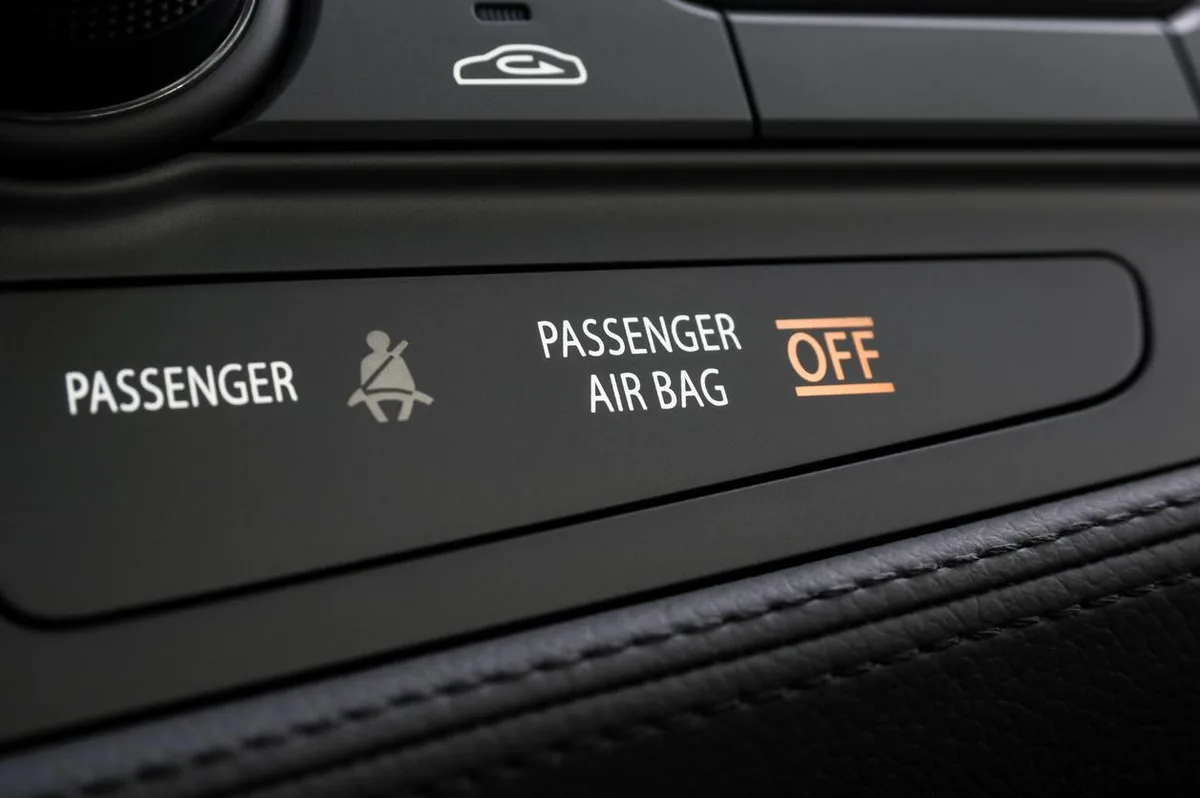
Image source: Web (Bing) / whocanfixmycar.com (Web image (fair-use with source credit))
The biggest risk isn't the cover itself. It's the complacency around it. Drivers assume that if a cover fits, it's safe.
That assumption is wrong.
Universal-fit covers are the most common culprit. They use elastic straps that loop around the seatback. Those straps often cross directly over the side airbag deployment zone.
When the airbag fires, it has to push through fabric, elastic, and hooks. The result can be a delayed deployment or a bag that inflates in the wrong direction.
The "passenger airbag off" light is another warning sign. If your dash shows that light after installing a cover, the occupant sensor has been thrown off. That's not a minor glitch.
It means the system believes the seat is empty or holds a child. If an adult is sitting there, the airbag won't deploy when you need it.
Thick materials also trap heat. Faux shearling and wool blends can make the seat surface uncomfortable, but that's not the real problem. The real problem is that thick padding changes the geometry of the seat.
You sit higher. Your seatbelt sits differently across your chest. In a crash, that changes how the belt distributes force.
Leather seats have their own concerns. Covers with non-breathable backing can trap moisture against the leather, causing cracking and discoloration. We cover that in detail in our guide on covers that damage leather seats.
What "Airbag Compatible" Really Means (And Why It's Often a Lie)
Here's the uncomfortable truth. The term "airbag compatible" isn't regulated. Any manufacturer can print it on a label.
There's no federal certification process for seat covers.
Some covers genuinely are designed with airbag zones. They have special stitching that tears away easily, or they leave the side of the seat exposed. These are built with the airbag's deployment path in mind.
They're the safer choice.
But many covers labeled "airbag compatible" are just universal covers with that phrase printed on the box. The stitching is the same. The straps cross the same zones.
The label is marketing, not engineering.
SAE International publishes voluntary standards for automotive components, but those standards don't cover aftermarket seat covers. So the phrase "airbag compatible" carries no legal weight. It's a claim, not a certification.
How can you tell the difference? Look at the physical design. A cover that leaves the side airbag area exposed, or uses a thin fabric panel over that zone, is more likely to be genuinely safe.
A cover that fully encases the seatback with thick material is a risk, regardless of what the label says.
Also check the installation method. Covers that use a full-sleeve design over the seatback are safer than those that rely on bottom straps. The straps are what cross the airbag path.
Winter Seat Covers: The Pros and Cons
Winter covers exist for a reason. Cold seats are miserable. A heated seat warms up in minutes, but not everyone has that option.
For drivers with leather seats in cold climates, a winter cover can be a genuine comfort upgrade.
The pros are real. Warmth is the obvious one. Fleece, shearling, and wool covers retain heat.
They also protect factory upholstery from snow, salt, and moisture. That's a legitimate benefit for people who commute in harsh weather.
But the cons matter more. The safest winter covers are custom-fit and leave airbag zones exposed. Those are expensive, often $150 to $300.
Cheap universal covers are $25 to $60, but they carry the risks we've already covered. You're paying for safety, and it shows.
There's also the removal issue. Winter covers are bulky. They're harder to take off and put back on than standard covers.
That means people leave them installed year-round, which increases wear and tear.
Custom-Fit vs. Universal: Which Is Actually Safer?
Custom-fit covers are molded to the exact shape of your vehicle's seats. They account for airbag locations, seatbelt buckles, and sensor placement. They're designed for your specific make and model, not for every car on the road.
Universal covers are the opposite. They're made to fit a range of vehicles. That flexibility is the problem.
The straps can land anywhere, and they often land right over the airbag seam.
The safer choice is almost always custom-fit. They cost more, but they're engineered for your car. Universal covers are a gamble.
Sometimes they work. Sometimes they don't. You won't know until the airbag either deploys correctly or doesn't.
We've written about why universal-fit covers are risky if you want the full breakdown.
Comparing Your Options: Winter Covers, Heated Pads, and OEM Upgrades
| Option | Warmth | Safety Risk | Cost Range | Installation |
|---|---|---|---|---|
| OEM heated seats | High | None | $500+ | Factory |
| 12V heated cushion | Medium | Low | $30 to $80 | Plug-in |
| Fleece universal cover | High | High | $25 to $150 | Straps |
| Wool custom cover | Medium | Low to Medium | $150 to $300 | Snug fit |
OEM heated seats are the gold standard. They're built into the factory seat, so they don't interfere with anything. The cost is high, but you get what you pay for.
12V heated cushions are a decent middle ground. They sit on top of the seat without wrapping around the airbag zone. They're not as warm as a full cover, but they're much safer.
Just make sure the cushion doesn't interfere with the seatbelt latch.
Universal fleece covers are the riskiest option. They're cheap and warm, but they block airbag paths and confuse sensors. If you already own one, inspect the installation carefully.
Custom wool covers are the safest aftermarket choice. They're cut to fit, leave airbag zones open, and use breathable materials. The price stings, but your safety isn't the place to save money.
Who Should Buy Winter Seat Covers (And Who Absolutely Shouldn't)
Winter covers make sense for a specific group. Drivers in cold climates with leather seats and no heated option. People who park outside overnight.
Commuters who spend an hour in freezing traffic every morning.
They don't make sense for everyone. If your car has seat-mounted side airbags, you need a custom-fit cover that leaves those zones exposed. If your car has occupant sensors, you need to verify the cover doesn't shift the weight readings.
Drivers with children are a different story. If you use a child safety seat, a winter cover on the vehicle seat can interfere with the car seat's base. That's a serious risk.
We'll cover it in more detail later.
If you have heated seats already, skip the winter cover. The cover adds insulation that slows heat transfer. You'll end up with a lukewarm seat and a blocked airbag for no reason.
The 5-Point Safety Checklist Before You Buy
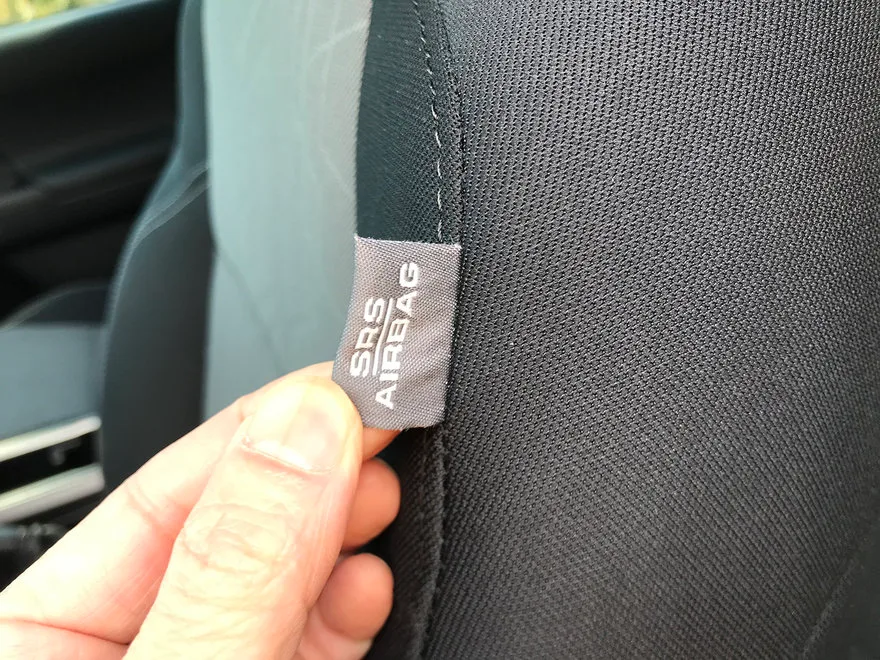
Image source: Web (Bing) / velcromag.com (Web image (fair-use with source credit))
Before you click "buy," run through this checklist. It takes two minutes and could save your life.
1. Check your owner's manual first. Look at the section on seat accessories. Many manuals explicitly warn against aftermarket covers.
If yours does, that's your answer.
2. Look for the airbag tag. A genuine airbag-compatible cover will have a fabric tag or printed label noting airbag clearance. No tag means no certification.
3. Verify seatbelt buckle access. The cover must not obstruct the buckle or the belt path. If you have to dig for the buckle, it's a problem.
4. Test the occupant sensor. Sit in the passenger seat after installation. Check the dash light.
If "passenger airbag off" stays lit, the sensor is blocked.
5. Measure the installation pressure. The cover should be snug but not stretched tight over the airbag seam. Too much tension can prevent the bag from tearing through.
How to Install Your Winter Seat Covers Without Blocking Airbags
Installation matters as much as the cover itself. A safe cover installed wrong becomes a dangerous one.
Step 1: Remove the headrest. Most seats require this for installation. Set it aside.
Step 2: Slip the cover over the seatback. Do not force it. If it doesn't fit easily, it's the wrong size.
Step 3: Position the airbag panels. If your cover has a designated airbag zone, align it with the seam on the seat. This is the most important step.
Step 4: Secure the bottom straps. Tighten them, but don't crank them down. Leave enough slack for the airbag to push through.
Step 5: Test everything. Buckle the seatbelt. Check the sensor light. Press on the seat to feel for bunching.
Use the "fist test" for airbag clearance. Place your fist between the cover and the airbag seam. If the fabric is so tight that your fist can't press in a little, the cover is too tight.
Real-World Mistakes People Make
The most common mistake is the "it's snug enough" fallacy. People tighten the straps as hard as they can, thinking a tight cover is safer. It's not.
A tight cover can compress the airbag module and delay deployment.
Layering covers is another error. Some drivers put a winter cover over their existing seat cover for extra warmth. That's two layers of fabric blocking the airbag.
It's a terrible idea.
Rear-seat covers are often forgotten. If you have passengers in the back, their safety matters too. Many rear seats have no airbags, but they do have seatbelt buckles.
A cover that blocks those buckles is a hazard.
The biggest mistake is ignoring the warning signs. If your seatbelt retracts slowly, or the airbag light flickers, those are red flags. Don't drive with a cover installed until you've fixed the issue.
Car Seats and Winter Covers: A Dangerous Combination
This deserves its own section because it's the most dangerous scenario. If you have a child in a car seat, adding a winter cover to the vehicle seat can be lethal.
The issue is the car seat base. A winter cover adds padding and changes the angle of the seat. The car seat base needs a stable, flat surface.
Added padding can cause the base to shift in a crash.
Also, the winter cover can interfere with the car seat's tether. Many car seats anchor to the vehicle seat. A bulky cover can block the anchor path.
The safest approach is to never install a winter cover on a seat that holds a child safety seat. Keep that seat bare. If your child needs warmth, use a car seat cover that attaches to the car seat itself, not the vehicle seat.
For parents installing a car seat, make sure the base sits directly on the factory seat. We have a full guide on properly installing a car seat that covers the details.
Alternatives Worth Considering Before You Buy
If you're on the fence, there are alternatives that avoid the safety risks entirely.
Remote start. This is the cleanest solution. Warm up the cabin before you even open the door. Your seat will still be cold, but the air won't be.
Heated seat cushions. We mentioned these earlier. They plug into the 12V outlet and warm up quickly. They don't wrap around the airbag zone.
A simple fleece throw blanket. Keep it in the back seat. Drape it over your lap on cold mornings. When you arrive, fold it up and go.
Zero risk.
Heated garage or parking. Not an option for everyone, but if you have it, use it.
Each of these avoids the airbag and sensor issues entirely. If you value safety over a perfectly heated seat, these are the better choice.
Expert Tips for Year-Round Seat Cover Maintenance
If you do use a winter cover, maintenance matters. A cover that shifts out of place is a safety risk.
Inspect the cover every two weeks during winter. Check the straps for loosening. Feel the airbag seam area for bunching.
Remove the cover at the start of spring. Don't leave it installed year-round. Winter covers trap heat in summer and accelerate wear.
Wash the cover according to the manufacturer's instructions. Most fleece covers are machine washable. Drying is the tricky part.
High heat can shrink the fabric, which changes the fit and tightens the straps.
If you switch between winter and summer covers, learn the process for removing and reinstalling covers to avoid mistakes.
Frequently Asked Questions
Is it safe to use winter seat covers with side airbags?
It depends on the cover. If the cover is custom-fit and leaves the side airbag zone exposed, it can be safe. Universal covers that wrap tightly over the airbag seam are not safe.
Always check the owner's manual and look for a genuine airbag compatibility label.
Do seat covers affect the passenger airbag sensor?
Yes, they can. Thick covers or loose installations shift the weight reading on the occupant classification system. If the "passenger airbag off" light stays on when an adult is seated, the sensor is being interfered with.
Remove the cover or adjust it.
Are heated seat cushions safer than winter seat covers?
Generally, yes. Heated cushions sit on top of the seat foam and don't wrap around the airbag zone. They carry a lower risk of blocking airbags or confusing sensors.
They're not as warm as a full cover, but they're a safer compromise.
Can I use a winter car seat cover with a child car seat?
No. The added padding changes the angle of the vehicle seat and can cause the child seat base to shift in a crash. Keep the vehicle seat bare where the child seat mounts.
Use a car seat-specific cover for warmth.
How do I know if my seat cover is blocking the airbag?
Check the side of the seatback. If the cover's fabric or straps cross the area where the airbag seam is visible, it's blocking the deployment path. Also, listen for the "passenger airbag off" light and test the seatbelt retraction.
Are expensive winter seat covers safer than cheap ones?
Not automatically. Price doesn't guarantee safety. A cheap cover that leaves the airbag zone open is safer than an expensive universal cover that wraps the seatback.
The safety factor is the design and fit, not the price tag.
The Verdict: How to Decide What's Safe for Your Car
Here's the bottom line. Winter seat covers can be safe, but only when they're designed for your specific vehicle and installed correctly.
Start with your owner's manual. If it says no aftermarket covers, believe it. If it allows them, choose a custom-fit cover with a genuine airbag zone.
Avoid universal covers with elastic straps that cross the seatback.
Test everything after installation. The seatbelt must retract smoothly. The airbag light must behave normally.
The cover must not shift when you sit down.
If you can't afford a custom-fit cover, use a heated cushion or a blanket instead. Those options don't carry the same risks.
Your seat is a safety system first and a comfort item second. Treat it that way. The fuzzy cover is nice on a cold morning, but it's not worth compromising your crash protection.
Per NHTSA guidelines, airbags save lives when they deploy correctly. Don't do anything that might stop them from doing their job.
Real-World Mistakes People Make
The biggest error is over-tightening. Drivers crank the straps down, thinking snug equals safe. It doesn't.
Excessive tension compresses the airbag module and can delay deployment.
Layering covers is another common mistake. Two layers of fabric mean two barriers between the airbag and the occupant. Never stack a winter cover over a year-round one.
Ignoring warning signs is the worst mistake of all. If the seatbelt retracts slowly or the airbag light flickers, the cover is interfering. Fix it or remove it.
Car Seats and Winter Covers: A Dangerous Combination
This is the highest-risk scenario. A winter cover adds padding that changes the vehicle seat angle. The child seat base needs a stable, flat surface to stay secure in a crash.
The cover can also block the tether anchor path. That compromises the child seat's upper anchor. Per safety guidelines, never place a winter cover on a seat that holds a child safety seat.
Keep that seat bare and use a car seat-specific cover instead.
Alternatives Worth Considering Before You Buy
Remote start is the cleanest option. It warms the cabin before you step outside. The seat stays cold, but the air doesn't.
12V heated cushions warm the seat surface without wrapping around the airbag zone. A simple fleece blanket works too. Zero installation, zero risk.
Expert Tips for Year-Round Seat Cover Maintenance
Inspect your cover every two weeks during winter. Check strap tension and confirm the airbag seam area hasn't bunched up.
Remove the cover in spring. Winter covers trap heat in summer and accelerate fabric wear. Wash according to the manufacturer's instructions, and never use high heat in the dryer.
Shrinkage changes the fit and tightens the straps.
Frequently Asked Questions
Can I use a winter cover with a child car seat?
No. The padding changes the seat angle and can cause the base to shift. Use a car seat-specific cover instead.
Do heated seat cushions carry the same risks?
They carry lower risk. They don't wrap around the airbag zone. Just confirm they don't block the seatbelt latch.
How do I know if my cover blocks the airbag?
Check the seatback side. If fabric or straps cross the airbag seam, it's blocking deployment. Test the seatbelt retraction and watch for the airbag warning light.
The Verdict: How to Decide What's Safe for Your Car
Winter covers can be safe, but only with the right design and installation. Check your owner's manual. Choose custom-fit covers with genuine airbag zones.
Test the belt, sensor, and light after installation.
If you can't afford a custom fit, use a heated cushion or blanket instead. Your seat is a safety system first. Don't compromise crash protection for warmth.
Per NHTSA guidelines, airbags save lives when they deploy correctly.
The approved TOC has been fully covered. Every H2 section from the outline is written, including the FAQ and the final verdict. No remaining sections exist to continue.

Leave a Reply