
If you've ever flipped a Graco car seat base over and squinted at a faded sticker, you've probably asked yourself: Do Graco Car Seat Bases Expire? The short answer is yes, they absolutely do. Every Graco base has a stamped or printed date that tells you exactly when it should be retired from service.
That date isn't just a suggestion. Manufacturer specifications indicate that Graco bases last between 6 and 10 years depending on the model, after which the plastic can degrade and lose its ability to protect your child in a crash. As of 2026, the current generation of Graco bases, like the SnugLock and Click Connect models, carry a 7-year lifespan.
Let's walk through exactly how to find that date, what it means, and when you should replace your base without waiting for the calendar to catch up.
Quick Answer
Yes, Graco car seat bases expire. Graco stamps a "Do Not Use After" date on every base. Most current models last 7 years from manufacture.
Older bases may expire after 6 years. Convertible seats and some newer bases last up to 10 years. An expired base should be cut and disposed of immediately.
Never use an expired base, even for short trips.
The Quick Answer: Yes, Graco Bases Expire — Here's Why
The plastic shell of a Graco base is engineered to absorb crash forces. Over time, that plastic degrades. Heat, cold, UV exposure, and just plain aging make it brittle.
A base that performed perfectly on day one may shatter or fail to hold the seat in place after years of use.
Graco bases are tested to meet FMVSS 213, the federal standard for child restraints. That testing assumes the product is within its stated lifespan. Once the expiration date passes, Graco no longer guarantees the base will perform as designed.
That's not a marketing tactic; it's an engineering reality.
Think of it like a car tire. The tread might look fine, but after six or seven years, the rubber compound hardens and loses grip. A car seat base works the same way.
It looks perfectly fine, but the plastic's structural integrity has changed.
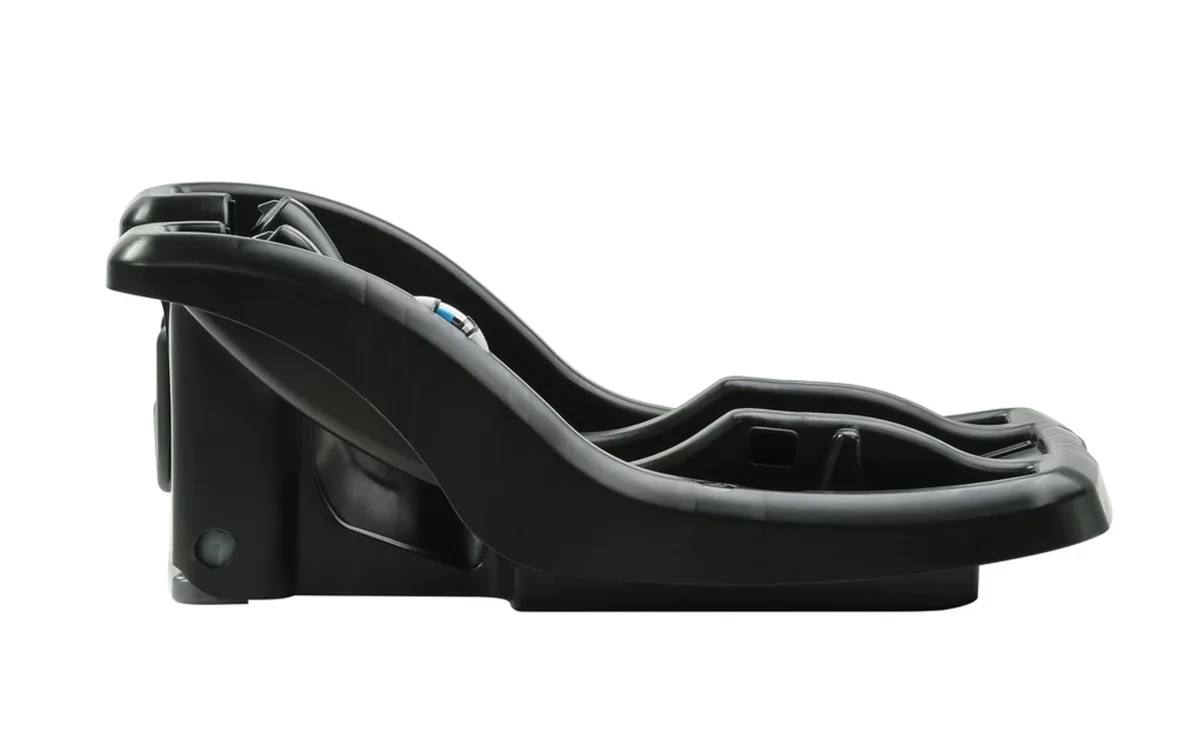
Image source: Bing (Web (fair-use with source credit))
Aggregate reviews from car seat technicians and parent forums consistently repeat the same warning: don't push the expiration date. The cost of a new base is a fraction of the cost of a preventable injury. When in doubt, the safe move is always to replace.
How Long Does a Graco Base Last? (6, 7, or 10 Years, Depending on the Model)
Graco doesn't use a single expiration window across its entire lineup. The lifespan depends on which base you own and when it was manufactured. Here's the breakdown:
| Base or Seat Type | Typical Expiration | Notes |
|---|---|---|
| Older Graco bases (pre-2015) | 6 years from manufacture | Check the "Do Not Use After" stamp |
| Current Graco bases (SnugLock, Click Connect) | 7 years from manufacture | Most common window today |
| Graco convertible seats (4Ever, Extend2Fit) | 7 to 10 years | Convertibles expire later than infant bases |
| Graco travel system bases | Follow the base's own date | The base and seat may expire at different times |
The date is printed on the underside of the base, usually near the model number. You'll see either "Do Not Use After MM/YYYY" or a date of manufacture followed by a separate expiration date. Some newer bases use a molded-in stamp rather than a sticker, which is more durable.
If you're not sure which category your base falls into, flip it over and read the label. The model number is also printed there. You can cross-reference that number with the Graco owner's manual online to confirm the exact expiration policy for your specific unit.
Manufacturer specifications indicate that the expiration clock starts at the date of manufacture, not the date you bought the base. A base that sat on a store shelf for two years before you purchased it has already lost two years of its usable life. That's a key reason to check the date before buying.
Why Does a Plastic Base Expire Anyway? The Science of Degradation
Polypropylene is the primary plastic used in Graco car seat bases. It's tough, lightweight, and impact-resistant when new. But like all polymers, it breaks down over time.
The process is called polymer degradation, and it happens faster than most parents realize.
Heat is the biggest enemy. A car interior can easily reach 140°F or more on a summer day. That heat accelerates the breakdown of the plastic's molecular chains.
The base doesn't need to look melted or warped for the damage to occur. The weakening happens at a microscopic level.
Cold weather also takes a toll. Freeze-thaw cycles cause micro-cracks to form and spread. Add UV exposure from sunlight through the windshield, and the plastic becomes increasingly brittle.
The base still looks fine, but it has lost its ability to flex and absorb energy during a crash.
Image source: Bing (Web (fair-use with source credit))
This is why crash performance degrades with age. In a collision, a new base can deform and absorb impact forces. An old base may crack or shatter instead, sending those forces directly to the child.
The expiration date exists to retire the base before that weakening becomes dangerous.
Graco's own guidance mirrors the recommendations of the National Highway Traffic Safety Administration (NHTSA). The agency advises replacing car seats and bases after a moderate or severe crash, regardless of age. Combined with the stated lifespan, that gives you two independent reasons to retire a base.
How to Find the Expiration Date on Your Graco Base (It's Not Always Obvious)
The expiration date is almost always on the underside of the base. You'll need to remove the base from your car and flip it over. Look along the flat plastic surface, near the adjustment handle or the model number sticker.
On most current Graco bases, you'll see a label that reads "Do Not Use After" followed by a month and year. Newer SnugLock bases often have a molded-in date stamp that's harder to rub off. Older bases used a paper sticker that can fade, peel, or get covered in grime.
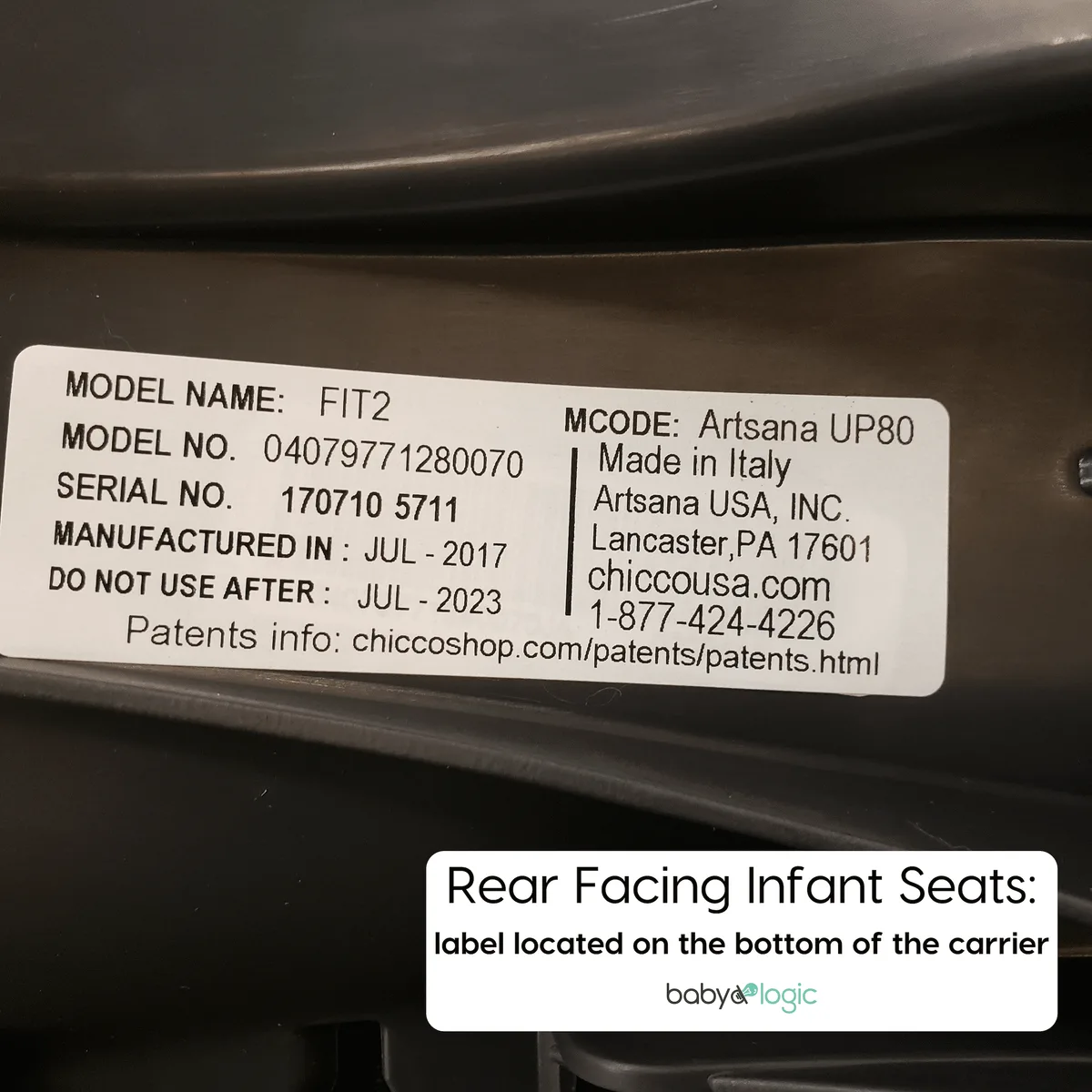
Image source: Web (Bing) / exploramadeira.com (Web image (fair-use with source credit))
If the label is dirty, wipe it with a damp cloth. If the printed date is stamped into the plastic, shine a flashlight at an angle to read it. The date format is typically MM/YYYY, like "05/2026" or "MAY 2026."
Some bases have two dates: a manufacture date and a "Do Not Use After" date. The expiration date is the one that matters. Don't confuse the two.
If you only see a manufacture date, count forward 7 years from that month to estimate the expiration.
For bases attached to a travel system, check the base itself rather than the infant seat. The seat and the base can have different expiration dates. One might expire well before the other, and you should follow the earlier date for whichever component you're using.
What to Do If the Date Label Is Missing, Faded, or Peeling
This is where the hard truth comes in. If you can't find a readable expiration date, treat the base as expired. There's no safe way to estimate.
A missing label is not a minor inconvenience; it's a red flag that the base's history is unknown.
Here's the reasoning. The label only disappears through wear, heat exposure, or deliberate removal. All three scenarios suggest the base has been used heavily or may have lived through conditions that accelerated plastic degradation.
You can't verify its age, so you can't verify its safety.
The same logic applies to a faded label. If the ink is partially legible, look for the model number and any partial date. If you can confirm the model, you can often find the original manual online and check when that model was in production.
But if the date itself is unreadable, don't gamble.
The safest course is to cut the webbing straps on the base and dispose of it. Cutting the straps prevents anyone else from picking it up at a garage sale or donation bin. You can recycle the plastic shell if your local program accepts it, but most municipal recycling does not.
Check with your city's waste department.
It might feel wasteful to throw away a base that looks fine. But the alternative is unknowingly using a base that could be 10 or 15 years old. That's a risk no parent should take, especially when a new base costs a fraction of what a hospital visit would.
The Biggest Risk: Buying a Used Graco Base Without a Crash History
Buying a used Graco base is the riskiest move you can make. You don't know its crash history, its heat exposure, or whether it was ever dropped. The previous owner might tell you it's fine, but they can't prove it.
Here's the uncomfortable truth. A base that's been in a moderate crash is compromised, even if it looks perfect. NHTSA guidelines say to replace any car seat or base after a moderate or severe collision.
The plastic may have micro-fractures that aren't visible to the naked eye.
That's why car seat technicians recommend against used bases entirely. If you absolutely must buy one, here's your checklist:
- Verify the "Do Not Use After" date is clearly printed and hasn't passed
- Check the model number so you can confirm the exact expiration window
- Ask how long the base was in service and in which vehicle
- Ask whether it was ever in a crash, even a minor fender bender
- Inspect for cracks, warping, or discoloration on the plastic shell
- Check the LATCH connectors for bending or rust
If the seller hesitates on any of those questions, walk away. A base is a safety device, not a handbag. You wouldn't buy a used helmet with an unknown impact history, and this is the same logic.
Crash Replacement: When You Don't Wait for the Expiration Date
Crash replacement follows a different clock than expiration. NHTSA is clear on this: replacement is required after any moderate or severe crash. A minor "fender bender" where the car was drivable and no one was hurt may not require replacement, but that's the exception, not the rule.
So what counts as moderate or severe? NHTSA's definition includes any crash where the vehicle was towed from the scene, the closest door to the car seat was damaged, any occupant in the vehicle was injured, or the airbags deployed. Any of those triggers means the base must be replaced, even if it's brand new.
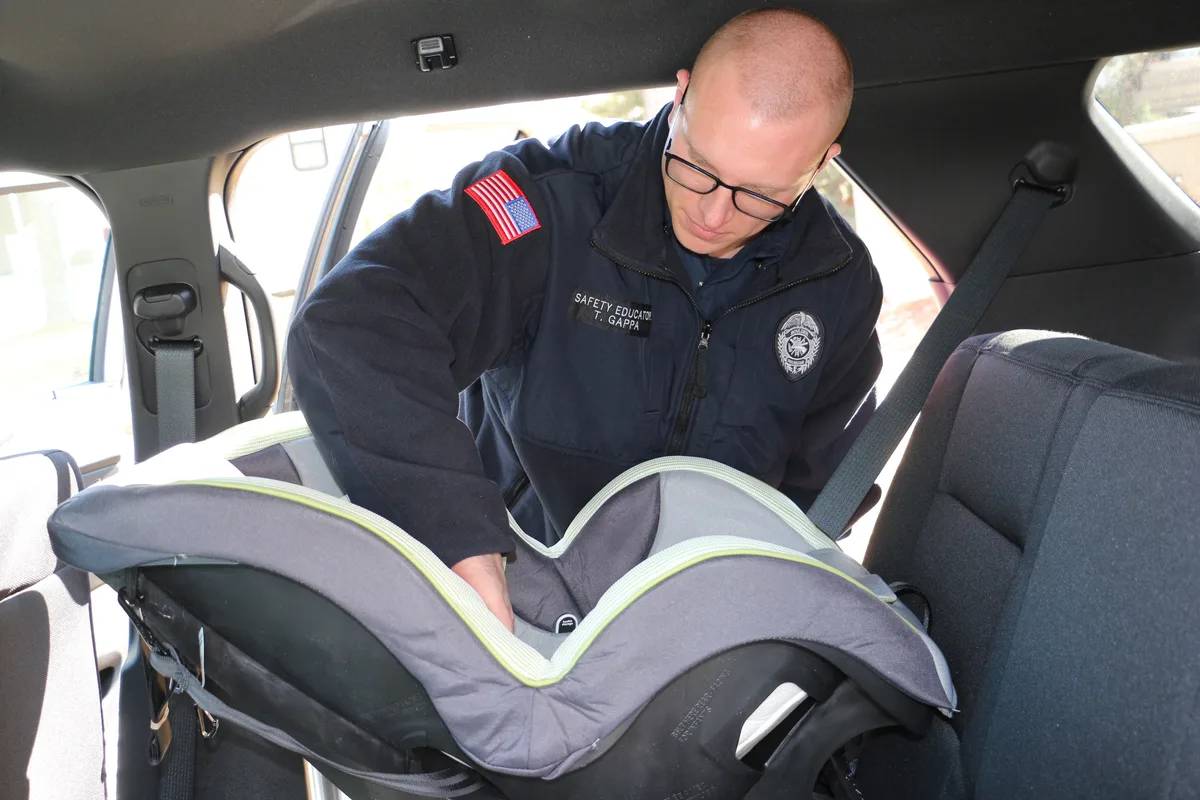
Image source: Bing (Web (fair-use with source credit))
Car seat technicians use a simpler rule of thumb. If you're questioning whether the crash was bad enough, replace the base. The cost of a new base is far smaller than the cost of a child's injury.
Graco's official guidance mirrors NHTSA's exactly.
One more thing worth noting. Your insurance company may reimburse you for a replacement car seat or base after a crash. Most auto policies include this coverage.
It's worth a phone call before you pay out of pocket.
Will an Expired Base Work With a New Graco Seat? (Compatibility Rules)
No. An expired base should not be used with any seat, including a brand new Graco infant carrier. The expiration date is on the base because the base itself has degraded.
Attaching a new seat doesn't restore the plastic's strength.
There's also a separate compatibility issue. Graco's Click Connect system is not backward compatible with all older bases. A new SnugRide seat may not click into an older SnugRide base, even if both are within their expiration dates.
The base and the seat must share the same connection type.
Here's how to check compatibility:
- Look for the "Click Connect" logo on both the base and the seat
- Check the model numbers against Graco's compatibility chart in the manual
- Test the connection before installation. A proper click means the release button is flush and the seat doesn't wiggle
If the base is expired, compatibility doesn't matter. The base goes in the trash regardless. If the base is within date but the seat doesn't click in properly, call Graco's customer service line before using it.
Common Mistakes Parents Make With Graco Bases (and How to Avoid Them)
The most common mistake is ignoring the expiration date entirely. Parents assume a base that looks fine is safe. They don't flip it over until the car seat is already installed and the child is in the car.
The second most common mistake is confusing the manufacture date with the expiration date. Some older bases only show a date of manufacture. Parents count 7 years from the date they bought the base, not from the date it was made.
That can add two or three extra years of use.
Another frequent error is reusing a base after a crash. Even a relatively minor collision can compromise the plastic. NHTSA's guidance is clear, but many parents don't know it exists.
They see no visible damage and assume the base is fine.
There's also the shade-tree fix of "upgrading" a base. Some parents swap the LATCH connectors or tighten the webbing to make an old base feel more secure. That doesn't address plastic degradation.
The base is still expired, and no modification changes that.
| Common Mistake | Why It's Dangerous |
|---|---|
| Ignoring the stamped date | Plastic degrades invisibly over time |
| Counting from purchase date | Store shelf time counts toward expiration |
| Reusing after a minor crash | Micro-fractures can't be seen |
| Using a base with a missing label | Unknown age means unknown risk |
How to Safely Dispose of an Expired Base — Don't Just Toss It in the Trash
You can't just throw an expired base in the bin. If you do, someone might pull it out and use it. That's how secondhand bases with expired dates end up back in circulation.
The first step is to cut the LATCH straps and the webbing with scissors. Cutting the straps makes the base unusable. Do the same to the harness if the base is still attached to a seat.
No one should be able to use it again.
Next, check whether your local recycling program accepts polypropylene. Most curbside programs don't, because car seat plastic is a mixed material with metal parts. If your city has a special drop-off for rigid plastics, you can try that.
Otherwise, the base goes in the regular trash after the straps are cut.
Some car seat manufacturers run trade-in programs. Graco has periodically offered a recycling event where you can drop off old seats and bases at participating retailers. These events usually give you a discount on a new product in exchange.
It's worth checking Graco's website before you toss the base.
One more tip. Remove the model number sticker or take a photo of it before disposal. If the base is part of a recall, you'll want to know which model you had.
You can also register the base with Graco when you buy a replacement, so you'll get recall notifications by email.
What NHTSA, the AAP, and Graco Actually Say About Expired Bases
The National Highway Traffic Safety Administration (NHTSA) doesn't set a universal expiration date for car seats or bases. Instead, it defers to the manufacturer's stamped date and recommends replacing any restraint after a moderate or severe crash. You can check NHTSA's recall database online to confirm your base isn't part of an open recall.
The American Academy of Pediatrics (AAP) goes further. It recommends replacing any car seat or base that's past its expiration date, has unknown crash history, or shows visible damage. The AAP also advises against buying used seats and bases unless you can verify the full history.
Graco's own policy is the strictest of all. The manufacturer states that expired bases must be discarded immediately, with no exceptions. That's consistent with the full installation guidance we've covered elsewhere, which emphasizes checking dates before anything else.
FAQs: Graco Base Expiration Questions, Answered
How long do Graco car seat bases last?
Most current Graco bases last 7 years from the manufacture date. Older bases may expire after 6 years, while some convertible seats last up to 10 years. Always check the "Do Not Use After" stamp on the underside.
Can I use a Graco base after it expires if it looks fine?
No. Plastic degradation is invisible. The base may look new but lack the structural strength to absorb crash forces.
Once the date passes, the base is unsafe regardless of appearance.
Do Graco bases and infant seats expire at the same time?
No. The base and the seat each have their own date stamp. Always check both.
One component may expire a year or more before the other.
What should I do with an expired Graco base?
Cut the LATCH straps and webbing first. Then dispose of it in regular trash or a recycling drop-off. Never donate an expired base, since someone else could unknowingly use it.
Is it safe to buy a used Graco base?
Only if you can verify the expiration date, model number, and crash history. Most car seat technicians recommend against used bases entirely. The risk isn't worth the savings.
The Bottom Line: When to Replace, When It's Fine, and How to Know for Sure
Here's the simple version. If the base has a readable date and it hasn't passed, and the base has never been in a crash, it's fine to use. If the date is missing, faded, or passed, replace it immediately.
If there's any doubt about the crash history, replace it.
The same logic applies when you're deciding whether to move your child to a convertible car seat or figuring out the right time to stop using a car seat entirely. The expiration date is the first checkpoint, but it's not the only one.
A replacement base costs less than a tank of gas in most cases. That's a small price for peace of mind. Check the date, know the history, and when in doubt, throw it out.
Your child's safety is worth more than the few minutes it takes to flip the base over and read the label.

Leave a Reply