
Does insurance cover car seat replacement after accident? Here's what you need to know if you've just been in a collision. The short answer is yes, usually, but the way you file makes all the difference.
Our research shows that most standard auto policies will cover the cost of a new car seat after a crash. Under NHTSA guidance, a car seat should be replaced after any moderate or severe collision, even if it looks perfectly fine. The catch?
Your insurer rarely volunteers that information. You have to know how to ask.
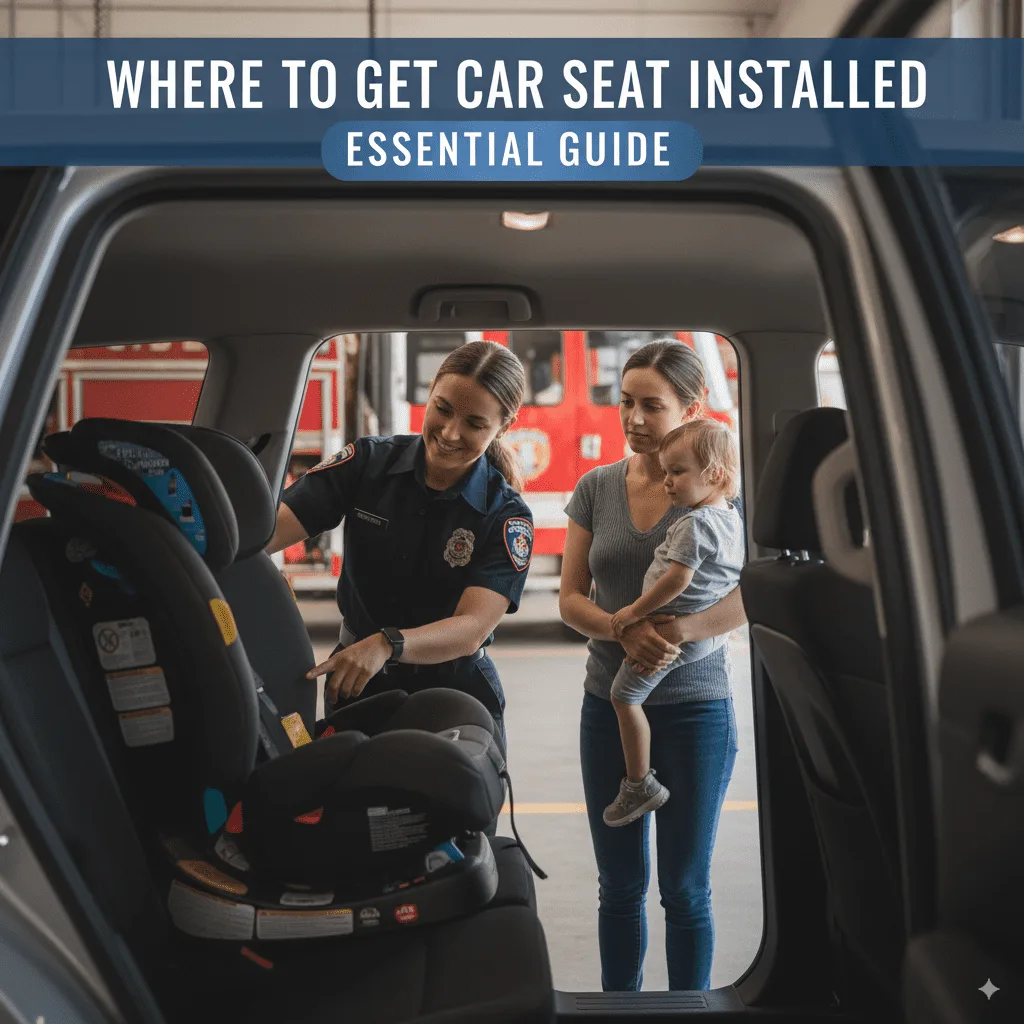
Image source: Web (Bing) / thedailyautomotive.com (Web image (fair-use with source credit))
The Short Answer: Yes, Usually, If You Know the Right Way to Ask
If the car seat was in the vehicle at the time of the crash, it's almost always covered under your policy. The key is adding it to your claim before the car is assessed. Don't wait until after the repair estimate comes back.
Your adjuster isn't going to bring it up. You'll need to ask directly and get it in writing. The coverage typically falls under property damage liability, collision, or uninsured motorist protection, depending on who was at fault.
Once you get your reimbursement, you'll want to install the new seat correctly before your next drive.
Why Insurance Companies Stay Vague About Car Seat Coverage
Insurance companies don't volunteer car seat replacement because it isn't part of the standard damage assessment. The adjuster walks around the car, snaps photos of the bumper, and writes up a repair estimate for the vehicle. A car seat isn't on that form.
That's why so many parents get told "no" on the first call. The adjuster might say car seats aren't covered, or that the seat "looks fine." But that's not how the policy reads. In our research, most insurers will cover it if you press the right buttons.
The real battle is getting the claim rep to add it before they finalize your payout.
First Decision Branch: Who Was At Fault in the Accident?
The very first question is who caused the crash. It determines which coverage pays and whether you'll face a deductible.
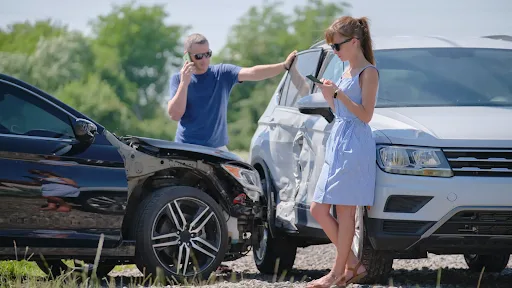
Image source: Web (Bing) / portagecars.co.nz (Web image (fair-use with source credit))
- The other driver was at fault. Their property damage liability pays for your car seat and your repairs. This is the cleanest path. You'll file against their policy, and the seat gets added to the claim with no deductible out of your pocket.
- You were at fault. Your collision coverage handles it. You'll pay your deductible first, and the seat's cost is folded into your repair total.
- The at-fault driver was uninsured. Uninsured motorist property damage coverage steps in, but only if you carry that coverage on your own policy. It's not required in every state.
- Your car was parked and hit. If someone hit your parked car, their liability covers it if they're identified. If not, you'll use collision coverage if you have it.
Remember, the seat counts as part of the vehicle's contents. If the crash wasn't your fault, tell the adjuster immediately that you want the car seat replacement added to the claim. That single sentence can save you a few hundred dollars.
Know Your Coverage: Collision, Liability, PIP, and MedPay
Different parts of your auto policy can cover a car seat, and knowing which one applies makes the process smoother.
- Collision coverage. Pays to replace your car seat if you caused the crash. You pay your deductible, but the seat's cost is included in the settlement.
- Property damage liability. Covers the other driver's car seat if you hit them. It also covers their car, fence, mailbox, whatever you hit. If you caused the accident, this is the coverage that pays for the other family's gear.
- Uninsured and underinsured motorist coverage. Kicks in when the at-fault driver has no insurance or not enough to cover your losses. This can include your car seat replacement.
- Personal injury protection (PIP) or MedPay. These are medical coverages, but in a few states, they can apply to child safety equipment if your child was in the seat during the crash. It's an uncommon path, but it's worth one question to your agent.
If you're driving a rental car, the situation gets more complicated. The rental company's insurance may cover the seat, but the policy language is rarely clear. Before you rely on that, read our breakdown on renting a car seat with a rental car.
If you plan to switch to a convertible car seat after the crash, the same claim process applies.
Before You File: Is It Worth Claiming Based on Your Deductible?
Here's where the math gets real. A car seat costs anywhere from $100 to $500, depending on the model. Your collision deductible might be $500 or $1,000.
If the seat is cheaper than your deductible, a standalone claim is pointless.
But if you're already filing for vehicle damage, the calculation flips. The seat's replacement cost gets added to the repair estimate. So if your car repair is $2,800 and the seat is $300, your total claim is $3,100.
You pay the same deductible, but the seat effectively becomes free.
| Deductible | Car Seat Cost | Worth a Standalone Claim? |
|---|---|---|
| $500 | $200 | No |
| $500 | $450 | No |
| $250 | $250 | Maybe |
| $100 | $300 | Yes |
The simple rule is this: if the seat costs more than your deductible, file. If it costs less and you're at fault, skip it. But if the other driver is at fault, you don't pay a deductible at all, so file for the seat no matter what it costs.
Their coverage pays for the full replacement.
Before you head to the store, check the NHTSA guidelines on car seat replacement after crashes. They spell out exactly which crashes require a new seat and which ones don't. Knowing that before you call your insurer keeps you from getting talked out of a claim you're entitled to.
How Serious Was the Crash? Matching NHTSA Crash Criteria to Your Situation
Not every accident means you're entitled to a new seat, and that's honestly a good thing. If every fender bender triggered a replacement, insurers would fight every claim. NHTSA's guidance separates truly minor incidents from crashes where the seat may have taken hidden structural damage.
According to NHTSA, a crash counts as "minor" only when ALL of these are true:
- The vehicle was drivable from the scene
- The door closest to the car seat was undamaged
- No occupants in the vehicle were injured
- No airbags deployed
- No visible damage to the car seat itself
- The vehicle wasn't involved in a rollover
If your crash checks every box, the seat can stay in service. If even one criterion fails, NHTSA says the seat needs replacement. That's not a suggestion.
That's the federal agency's official position on child passenger safety.
This is also where adjusters get creative. They'll tell you the collision was "minor" to close the claim quickly. Don't take their word for it.
Measure your crash against the NHTSA checklist, not against how the car looks. A cracked bumper on the outside can still mean violent forces inside the cabin.
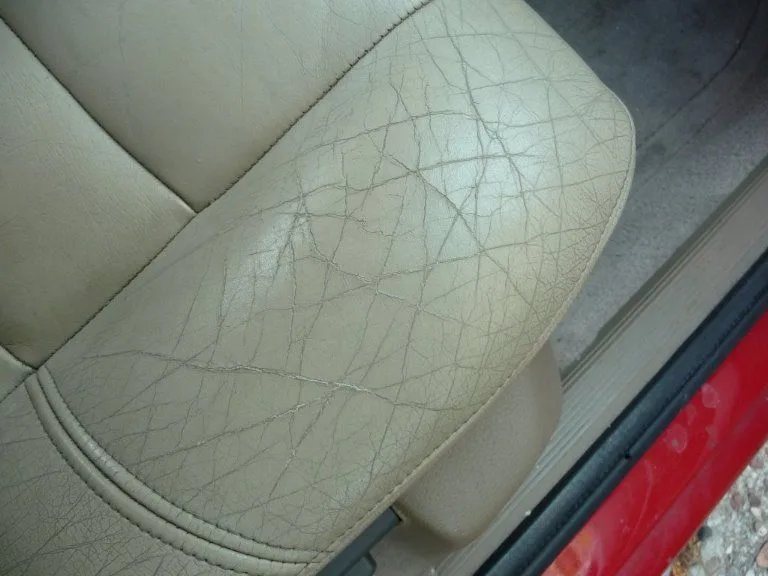
Image source: Web (Bing) / pinterest.com (Web image (fair-use with source credit))
Step-by-Step: How to Get a Car Seat Reimbursed After a Collision
The process is straightforward once you know the order of operations. Follow each step and you'll keep the insurer honest from day one.
- Document the scene. Take photos of the car, the car seat installed, and the damage to both. Capture the seat's model number and serial number from the labels on the plastic shell.
- Get a police report. Even for minor crashes, a report creates an official record. Insurers trust paperwork over memory.
- File your claim immediately. Call your insurer and state that you need to add a car seat replacement to the claim. Say the words "NHTSA crash criteria" and refer to the crash as moderate or severe if it wasn't a textbook minor collision.
- Ask for written confirmation. Get an email or claim note stating the seat replacement is included. Verbal promises vanish when the claim changes hands.
- Buy the new seat. Choose a comparable model based on your child's current age and size. Keep the receipt.
- Submit the receipt. Send it to your adjuster and request reimbursement or direct payment to the retailer.
- Dispose of the old seat. Cut the harness straps and remove the cover so nobody else can use it. A crashed seat is compromised, even if it looks fine.
The whole process takes about two to four weeks once the receipt lands with your insurer. If your claim drags past that, follow up with a phone call. Persistence gets results.
If the Claim Is Denied: Manufacturer Crash Warranties and Other Options
A flat "no" from your insurer isn't the end of the road. Nearly every major car seat manufacturer has a crash replacement policy that most parents never know about.
Graco, Britax, Chicco, and Evenflo each offer a discounted or free replacement seat if yours was in a moderate or severe crash. You'll typically send photos of the damaged seat, proof of the accident, and the seat's serial number. The manufacturer handles the rest.
Some policies replace the seat at no cost; others knock 30 to 50 percent off the price.
If the insurer denies your claim and the manufacturer warranty doesn't cover you, escalate. File a complaint with your state's department of insurance. That agency has the power to audit the insurer's practices, and adjusters get remarkably cooperative once a formal complaint lands on their desk.
You can also try a supplemental claim. Many parents report that the first adjuster misapplied the policy language, and a second review catches the error. Our research shows that one polite but firm escalation resolves a surprising number of denials.
Common Mistakes That Cost Parents a Free Replacement
Parents lose out on car seat coverage in predictable ways. Avoid these, and you'll save yourself a few hundred dollars.
- Not mentioning the car seat at all. It's not on the standard claim form. You have to bring it up yourself.
- Waiting until after the claim closes. Once the repair payment is issued, adding a car seat becomes a separate, harder fight. Get it added while the claim is still open.
- Accepting the first denial. The first person you talk to might not know the policy. Ask for a supervisor or a second review.
- Trusting the phrase "it looks fine." Visible damage isn't the point. The internal foam and plastic can be compromised without a scratch on the shell.
- Throwing out the old seat before photos. The insurer and manufacturer both need evidence. Keep the seat until your reimbursement clears.
- Assuming state law will back you up. Child passenger safety statutes require a seat to be present and used. They don't automatically force insurers to pay for a new one.
One more costly habit: cleaning up the rental or family car before the inspection. If you remove the seat and wash the vehicle, the insurer might argue the seat wasn't in the car. Leave everything as-is until the adjuster inspects the scene.
State Laws and FMVSS 213: What Actually Backs You Up
Most people expect state law to guarantee car seat replacement after a crash. The truth is messier. Child passenger safety laws in most states require children to ride in an appropriate restraint.
They rarely address who pays for a new one after a collision.
What actually protects you is Federal Motor Vehicle Safety Standard 213. That's the regulation that sets performance requirements for every car seat manufactured in the US. It doesn't force insurers to write checks, but it establishes the safety baseline that your claim rests on.
If the seat met FMVSS 213 standards, it was designed to absorb crash forces, and those forces are exactly why replacement matters.
A handful of states have explicit child restraint replacement statutes. These laws require insurance companies to cover the cost of a new seat if the original was occupied during a crash. Which means the answer can change depending on your zip code.
If your state has one of these statutes, print it out and reference the law by name when you call your adjuster. It's hard to argue with your own policy contract.
For state-specific guidance, check your state's insurance department website. These are .gov domains, and they publish consumer guides that spell out your rights in plain language.
What a New Car Seat Costs vs. What You'll Likely Get Back
Basic booster seats start around $40. Full-featured convertible models run $150 to $450. Infant seats with a base typically land in the $100 to $300 range.
These numbers matter because your reimbursement is based on comparable replacement, not what you originally paid two years ago.
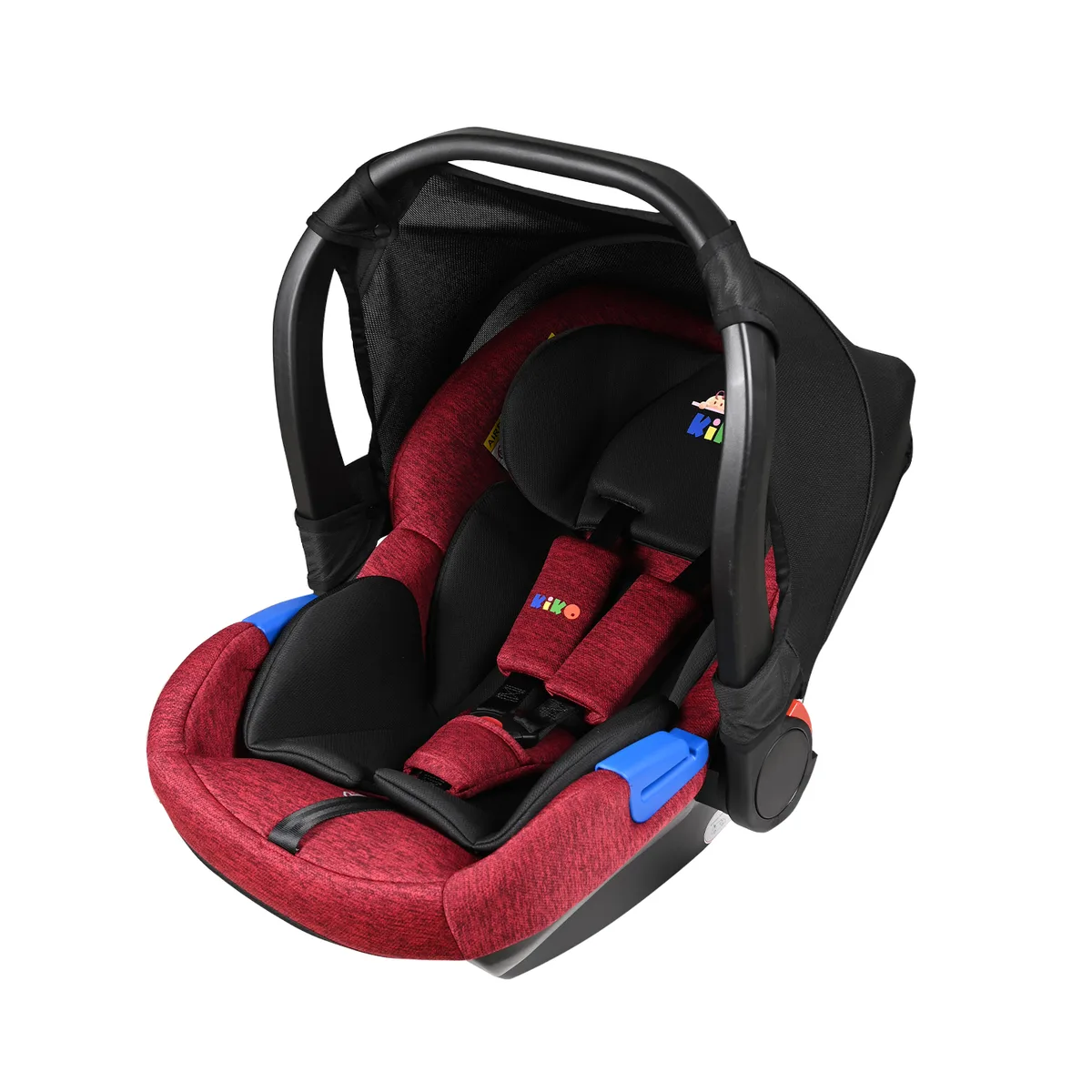
Image source: Web (Bing) / kiko.com.sa (Web image (fair-use with source credit))
The good news is that insurers rarely depreciate car seats the way they do with car parts. A seat that cost $250 last year should bring back the full $250, not a prorated check. If the adjuster tries to cut the payout because the seat is "used," push back with your state's department of insurance guidance and the manufacturer's replacement cost.
What you'll typically get back:
- New booster: $40 to $100
- Convertible seat: $150 to $450
- Infant seat with base: $100 to $300
- High-end extended rear-facing model: as high as $500
Compare the payout against the mid-range convertible seats your child needs based on their height and weight. If the reimbursement comes up short, submit the difference to the manufacturer's crash replacement program.
Real-World Scenario: What the Claims Process Looks Like From Start to Finish
Here's a typical chain of events. A family with a Graco Extend2Fit gets rear-ended at a red light in Ohio. It looks like a fender bender, but the crash still counts as moderate because the driver ended up with whiplash.
The parent files a claim against the at-fault driver's liability coverage. The initial repair estimate comes to $2,400. The parent asks about the car seat.
The adjuster hesitates, then says it "doesn't look damaged." The parent cites NHTSA crash criteria and asks for the claim note to reflect the seat replacement.
The repair total jumps to $2,700 with the $300 replacement seat included. The check for the vehicle arrives in 10 days, and the seat reimbursement lands separately two weeks later. The whole process took less than a month.
The lesson here is simple. You don't need to fight. You need to ask the right question on the first call.
Frequently Asked Questions
Does insurance cover a car seat that wasn't in the car during the crash?
No. If the seat wasn't in the vehicle at the moment of the collision, it has no connection to the accident. Insurers won't cover it, and filing that claim could be considered fraud.
Replace it only if the crash damaged it elsewhere.
Do I need a police report to get a car seat replacement?
Not strictly, but it helps. A police report gives your insurer an official record of the crash. It also documents that a child was present and in a restraint.
Without one, the adjuster may ask for extra photos or a written statement from you.
What if my car seat is already expired?
Expired seats aren't covered by insurance. They were already past their useful service life before the crash. NHTSA recommends replacing expired seats regardless.
Your insurer might still include it if the crash was severe, but don't count on it.
Will claiming a car seat raise my insurance rates?
Not by itself. Any claim can affect your rates, but a $250 to $400 car seat addition is rarely the deciding factor. If you're not at fault, your premium shouldn't move under most state laws.
If you file a collision claim with you at fault, a rate increase is possible.
Can I use MedPay or PIP for car seat replacement?
In a few states, yes. Personal injury protection sometimes covers child safety equipment when the child was in the seat at the time of the crash. Check your policy's PIP or MedPay section.
Ask your agent whether car seats qualify as medical equipment under your specific plan.
Your Action Plan: What to Do Today to Secure Your Replacement
- Photograph everything. The seat, the car, the crash scene. Get the serial number label.
- Call your insurer today. Say the words "car seat replacement" and "NHTSA crash criteria" on that first call.
- Request written confirmation. Ask for it before you spend a dollar on a new seat.
- Buy the correct seat. Match it to their height and weight limits, not just the price tag.
- Keep the old seat until the check clears. Cut the harness straps afterward so nobody else can use the crashed seat.

Leave a Reply