
So your check engine light is on, the idle feels rough, or the car just stalled at a red light for no good reason. You’ve heard that disconnecting the battery might “reset” the computer and clear the problem. The real question is how long to leave battery disconnected to reset car computer without causing more headaches.
The honest answer isn’t a single magic number. It depends on what’s wrong, what kind of car you drive, and which modules need to forget what they’ve learned. Most DIY guides say 10 to 15 minutes, but that’s often not enough.
Manufacturer specifications indicate that some vehicles need 30 minutes, an hour, or even overnight to fully drain residual voltage from the capacitors holding memory.
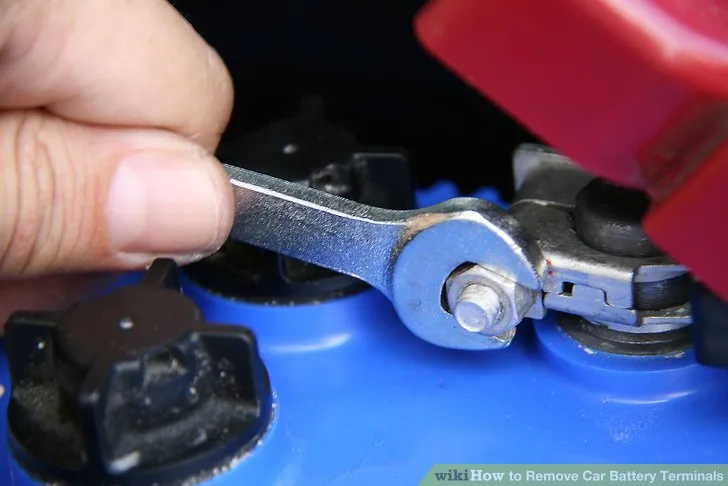
Image source: Bing (Web (fair-use with source credit))
Why You’re Disconnecting the Battery in the First Place
Modern cars rely on a network of computers that constantly adapt to your driving habits. The engine control unit, or ECU, stores what mechanics call adaptive memory. This includes fuel trims, idle speed settings, and throttle position learned over weeks of driving.
When something goes wrong, that learned behavior can trap the car in a bad state. A vacuum leak, dirty MAF sensor, or failing oxygen sensor can force the ECU to compensate incorrectly. Even after you fix the underlying issue, the computer keeps using those bad adjustments.
Disconnecting the battery wipes that memory clean, forcing a fresh start.
There’s also the simpler case. You just want to clear a check engine light without paying for a scan tool. A battery disconnect clears stored diagnostic trouble codes, known as DTCs, from the ECU’s memory.
But it only works for soft codes, not hard failures.
Soft codes are transient issues that happened once. Hard codes indicate an active, ongoing fault that will come right back after the reset.
Quick Answer: How Long Is Long Enough?
For most gas-powered cars, 15 to 30 minutes works. That’s enough time for the ECU’s volatile memory to drain completely.
If your car has a battery management system, plan for 30 to 60 minutes. These systems retain charge longer in the electrical system.
For hybrids and electric vehicles, wait at least one hour. Some manufacturers recommend overnight to guarantee a full reset.
The safest approach is 30 minutes for standard vehicles. If that doesn’t clear the issue, go for the overnight disconnect before you assume a bigger problem exists.
What Resetting the ECU Actually Does
When you disconnect the negative battery terminal, you cut power to every electronic module in the car. That includes the ECU, the body control module, the transmission control module, and the infotainment system. But power loss alone doesn’t instantly erase everything.
Modern ECUs use two types of memory. The first is volatile memory, which requires constant power to hold data. This is where adaptive fuel trims and idle settings live.
Kill the power, and that data disappears within seconds. The second type is non-volatile memory, stored on EEPROM chips. This holds permanent codes, the vehicle identification number, and immobilizer data.
A battery pull won’t touch that.
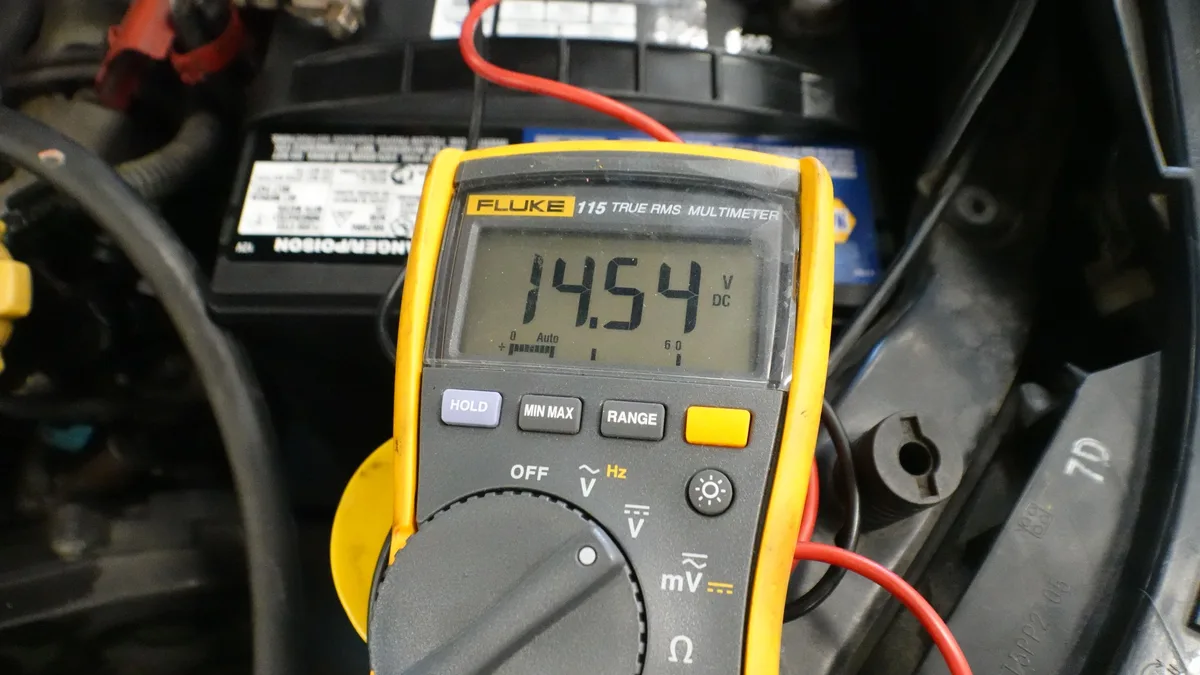
Image source: Web (Bing) / carbuzz.com (Web image (fair-use with source credit))
The tricky part is the capacitors. Capacitors are electronic components that store a small electrical charge even after the battery is disconnected. They sit throughout the car’s electrical system, and they slowly discharge over time.
This is why a 5-minute disconnect often fails to fully reset the ECU. The capacitors keep feeding voltage to the memory circuits long enough to preserve the stored data.
Checking with a digital multimeter tells you when enough charge has drained. Touch the probes to the disconnected battery cable and a ground point. If you read below 1.5 volts, the system is fully drained.
Most cars drop to that level within 15 to 30 minutes, but some European models take longer. In our research, aggregate reports from owners of BMW, Mercedes, and Volkswagen vehicles indicate that waiting 45 to 60 minutes is more reliable for those brands.
How to Choose the Right Disconnect Time for Your Car
Not every car needs the same approach. Here’s how to narrow it down based on what you’re dealing with.
Symptom Check: What Are You Trying to Fix?
Your reason for the reset matters. Here’s a simple breakdown:
| Symptom | Recommended Disconnect Time |
|---|---|
| Rough idle or poor throttle response | 15 to 30 minutes |
| Check engine light with soft code | 30 to 60 minutes |
| Transmission shift quality issues | 1 hour minimum |
| Hybrid battery management fault | Overnight |
| After replacing a dead battery | 10 to 15 minutes |
If you’re just swapping out a dead battery, the brief power loss during the swap is usually enough. The ECU doesn’t need a full reset in that case. But if you’re chasing a persistent drivability issue, give it more time.
Does Your Car Have a Battery Management System?
Late-model vehicles, especially those from BMW, Mercedes, Audi, and many 2020-plus models from other brands, have a battery management system, or BMS. This system monitors battery health, charge state, and temperature. It also adapts the alternator’s charging output based on your driving patterns.
When you disconnect the battery, the BMS doesn’t fully reset. It requires a proper registration procedure using a diagnostic tool to clear the old battery’s data and accept the new one. A simple battery pull won’t do it.
If you skip this step, you might notice the alternator overcharging or undercharging after reconnection. This is one reason the normal battery voltage when car is off can read oddly after a DIY reset.
Hybrid vs. Gas-Only: A Whole Different Rulebook
Hybrids and electric vehicles add another layer of complexity. The high-voltage battery pack stays energized even when the 12V auxiliary battery is disconnected. That means the ECU and battery management modules may still hold their memory.
For a Toyota Prius or Honda Insight, disconnecting the 12V battery for 15 minutes clears the engine control modules. But the hybrid battery management system has its own non-volatile memory. To reset that, you need either a scan tool or an overnight disconnect.
Even then, some hybrid-specific codes won’t clear without dealer-level equipment. If you’re dealing with a hybrid battery fault, the life of a hybrid car battery depends more on proper maintenance than a quick reset anyway.
Step-by-Step: The Battery Disconnect Procedure That Works
Here’s the exact process that works for most cars. Grab a 10mm or 13mm wrench, some safety glasses, and a clean rag.
- Park on a flat surface and turn the engine off. Remove the key from the ignition. If you have a push-button start, make sure the car is completely off and the keys are at least 10 feet away.
- Locate the battery. It’s usually in the engine bay, but some cars hide it in the trunk or under a rear seat. Check your owner’s manual if you can’t find it.
- Identify the negative terminal. Look for the black cable with a minus sign or “NEG” marked on the battery case. Never disconnect the positive terminal first. That’s how you create a short circuit.
- Loosen the clamp bolt. Use your wrench to loosen the nut on the negative terminal clamp. Don’t remove the bolt completely, just loosen it enough to wiggle the clamp free.
- Lift the clamp off the post. Pull straight up and twist gently side to side if it’s stuck. Once it’s free, move the cable away so it can’t accidentally touch the terminal.
- Wait for the capacitors to drain. This is where the timing from earlier comes in. Set a timer for at least 15 minutes. If you want to verify the drain, use a multimeter to check the residual voltage between the negative cable and a clean metal ground point.
- Reconnect the negative cable. When the wait is over, push the clamp back onto the post. Tighten the bolt until it’s snug. Don’t overtighten, hand-tight plus a quarter turn is enough.
- Wait 30 seconds before starting. This allows the ECU to power up properly without voltage spikes.
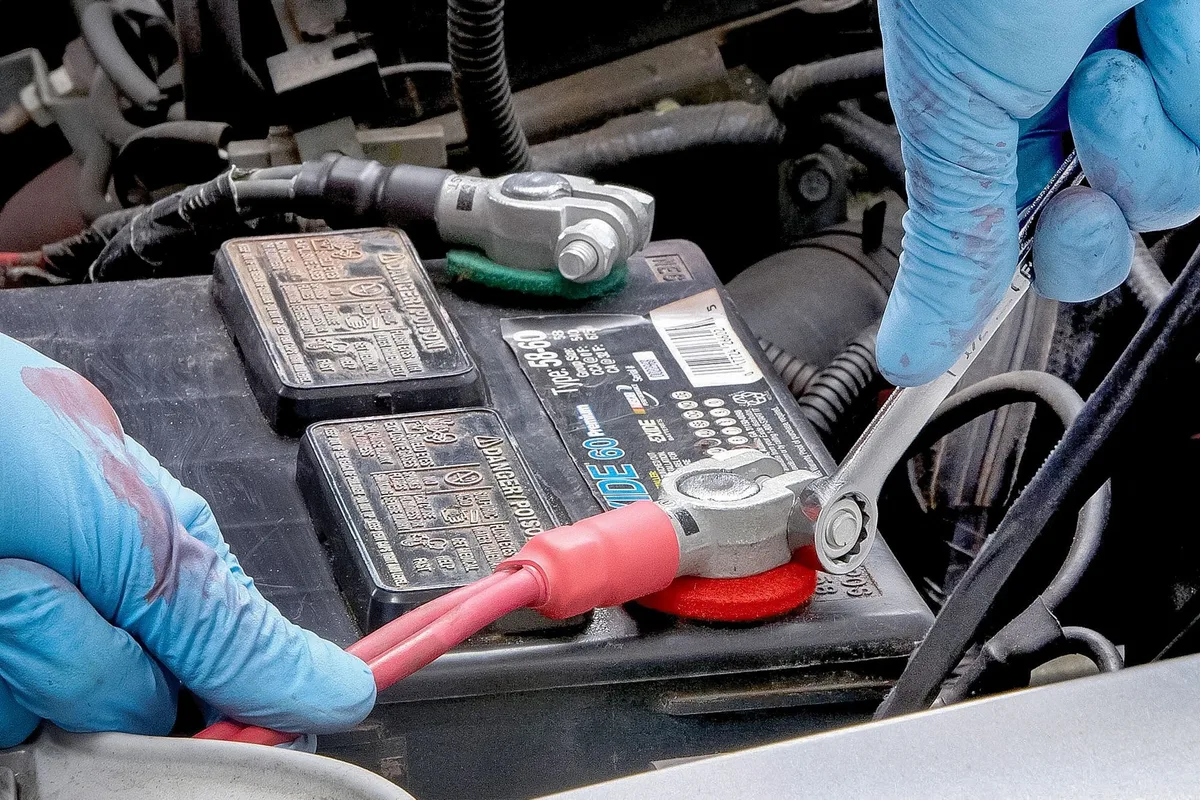
Image source: Web (Bing) / ar.inspiredpencil.com (Web image (fair-use with source credit))
The most common mistake people make is skipping the residual voltage check. They wait 10 minutes, reconnect, and wonder why the check engine light comes right back. The capacitors still held enough charge to preserve the memory.
Another mistake is touching the wrench to the positive terminal while loosening the negative clamp. That creates a dead short across the battery, which can weld the wrench to the terminal and cause serious burns. Always work in a clean area and inspect both terminals for corrosion before you start.
If you see heavy white or blue buildup, handle that before the disconnect. For a clean installation process, the step-by-step guide to installing a car battery correctly covers terminal cleaning and proper torque specs.
The 15-Minute Reset: When It’s Enough and When It’s Not
If you’ve got an older car, say a 2010 or earlier model, 15 minutes usually gets the job done. These vehicles have simpler ECUs that dump their volatile memory almost instantly. The capacitors drain within a few minutes, and the relearn process is forgiving enough that minor leftover data doesn’t matter.
The 15-minute window also works well for routine maintenance. If you’re just swapping a battery, the time spent removing the old unit and securing the new one is usually enough. You won’t see lingering codes or rough idle behavior afterward.
But for late-model vehicles, 15 minutes is a gamble. The battery management system in newer cars holds charge longer. So do the capacitors feeding the ECU and transmission control module.
If you reconnect at 15 minutes, you might clear the check engine light only to have it return after a short drive. The computer remembers the same bad data it had before.
Here’s a quick decision guide:
- Older than 2010, no BMS: 15 minutes is usually fine.
- 2010 to 2018, standard ECU: Go 30 minutes to be safe.
- 2019 and newer, or any European import: Wait a full hour.
- Hybrid or EV: Don’t even bother with 15 minutes. Go overnight.
If you’re dealing with a stubborn code that keeps coming back, 15 minutes probably wasn’t enough the first time. Trying it again with the same timeline won’t produce a different result. Move to the longer interval instead.
The Overnight Reset: Overkill or the Only Way?
Leaving the battery disconnected overnight isn’t just about draining the ECU’s memory. It gives every module in the car time to fully discharge, including the body control module, the audio system, and the security system. This matters more than most people realize.
Some modules have a small amount of non-volatile memory that behaves like a buffer. It holds error data and learned settings for a specific period after power loss. A 30-minute disconnect doesn’t always clear that buffer.
Leaving the car for 8 to 12 hours guarantees it’s gone.
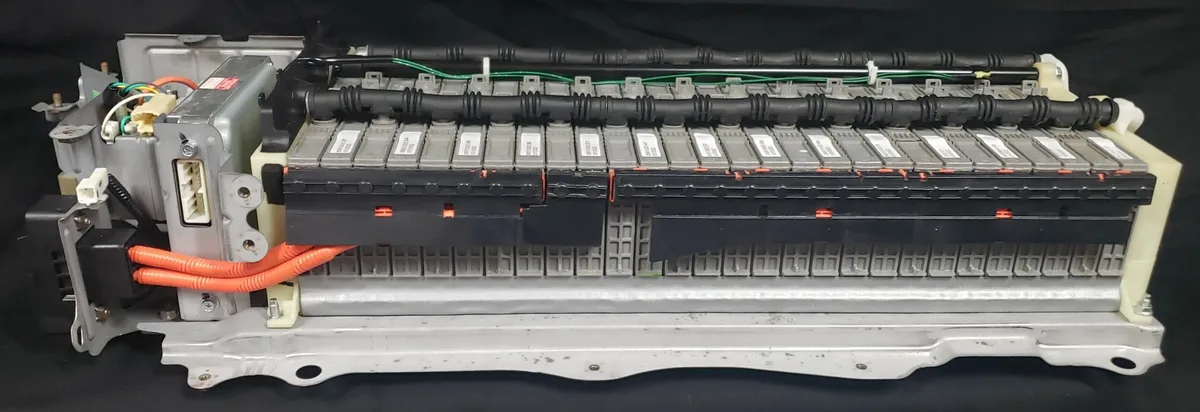
Image source: Web (Bing) / exclusivelyhybrid.com (Web image (fair-use with source credit))
For hybrids, the overnight reset is the only reliable home method. The hybrid battery management system has its own processor and memory that stays powered even when the 12V battery is disconnected. It takes several hours for that system to fully de-energize and lose its learned parameters.
Owners of Toyota Prius and Ford Fusion hybrids report that a night’s rest clears codes that a 30-minute disconnect wouldn’t touch.
There’s a downside, though. Leaving the battery disconnected for that long resets the clock, the radio presets, and the power window auto-up function. Some cars also lose the learned position for the throttle body.
When you reconnect, the engine might idle high for a few minutes while it relearns. That’s normal behavior, not a new problem.
One thing to watch is the battery itself. If your battery is old or weak, sitting disconnected overnight doesn’t hurt it. But if you have a parasitic drain or a faulty alternator, the battery might not have enough charge left to start the car in the morning.
Check the battery voltage when the car is running with a multimeter before you commit to the overnight approach.
Alternative Reset Methods: ECU Fuse Pull, OBD-II Scanners, and the “Key Dance”
The battery disconnect is the classic method, but it’s not the only one. Depending on your car and the issue, you might get better results with something else.
Pulling the ECU or IGN Fuse
This is the technician’s shortcut. Instead of disconnecting the whole battery, you pull the fuse that feeds the ECU and ignition system. It’s faster and it doesn’t reset the clock or the radio presets.
Look in your owner’s manual for the fuse box diagram. The fuse you need is usually labeled “ECU,” “PCM,” “IGN,” or “EFI.”
Pull the fuse, wait 10 minutes, and reinsert it. This works because it cuts power only to the engine management system. The rest of the car stays powered.
The downside is that some vehicles use multiple fuses for the ECU, so you might miss one and get no reset at all.
OBD-II Scanners
A scan tool isn’t just for reading codes. Most handheld scanners can clear diagnostic trouble codes directly from the ECU. That’s faster and more precise than a battery pull.
But here’s the catch: clearing codes with a scanner doesn’t reset the adaptive learning tables. It only wipes the stored DTCs and freezeframe data.
If your problem is rough idle or poor throttle response, the scanner won’t fix it. The ECU still holds the bad fuel trims it learned. You’d need a scanner with special “adaptation reset” functions, or a dealership-level tool, to clear those.
A battery disconnect remains the better option for those cases.
The “Key Dance”
Some manufacturers have manual reset procedures that don’t require disconnecting anything. Ford has a brake pedal dance for certain models. GM uses a specific ignition cycling sequence.
Toyota has pedal tricks for the maintenance light. These are documented in owner’s manuals and work reliably when done exactly as written.
The downside is that these procedures are model-specific. What works on a Ford F-150 won’t work on a Honda Civic. You’ll need to search for the exact procedure for your year, make, and model.
| Method | What It Clears | What It Doesn’t Clear | Best For |
|---|---|---|---|
| Battery disconnect | Adaptive memory, soft codes, BMS parameters | Hard codes, immobilizer data | General reset, drivability issues |
| Fuse pull | ECU volatile memory | BMS, body control module | Quick reset, no radio lockout |
| OBD-II scanner | DTCs, freezeframe data | Adaptive fuel trims | Reading codes, quick clearing |
| Key dance | Varies by model | Usually nothing beyond TCM | Specific maintenance reminders |
Mistakes to Avoid: What Most DIYers Get Wrong
The most common mistake is not waiting long enough. You already know that from the timing charts above, but it’s worth repeating. The second most common error is reconnecting the battery incorrectly, which can send a voltage spike through the sensitive electronics.
Here are the rest of the big ones:
- Reconnecting with the ignition on. This is a guaranteed way to blow a fuse or damage the ECU. Always make sure the key is out and the ignition is off before touching the terminals.
- Touching the positive and negative terminals together. Even accidentally, this creates a dead short. It can melt the battery case, ruin the battery, and start a fire.
- Forgetting the radio anti-theft lockout. Many cars, especially Hondas and late-model Fords, require a code to reactivate the radio after power loss. If you don’t have the code written down, you’ll be locked out until you visit the dealer.
- Skipping the drive cycle. After reconnecting, the ECU needs to relearn idle speed and throttle position. If you start the car and immediately drive away hard, the car might stall or hesitate for a few blocks. Let it idle for two or three minutes before you put it in gear.
Another mistake is assuming the battery disconnect will fix a mechanical problem. If your car is misfiring due to a bad coil pack or a vacuum leak, the reset won’t help. The code will come right back because the fault is still physically present.
The reset only helps after the underlying issue is fixed. If you’re unsure whether your battery is even in good shape, testing it with a multimeter first will save you from chasing the wrong problem.
Safety First: Airbags, Immobilizers, and Voltage Spikes
Disconnecting a car battery isn’t dangerous if you follow basic precautions. But there are a few things that can go wrong if you’re careless.
The airbag system is the one that scares most people. When power is cut, the airbag control module might log a hard fault code. In some cases, this code can only be cleared with a professional scan tool.
The airbag light will stay on until that happens. This doesn’t mean the airbags will deploy randomly, but it does mean your car will fail inspection and your airbags might not work if you’re in an accident.
Your car’s anti-theft immobilizer is another concern. Many vehicles use a chip in the key that communicates with the immobilizer module. A full battery disconnect can cause the immobilizer to forget the key’s unique ID.
When you reconnect and try to start the car, it might crank but refuse to fire. This usually resolves after a few minutes of leaving the key in the ON position, but some German cars require a dealer relearn.
Voltage spikes are the quieter danger. When a battery is disconnected and reconnected, the sudden surge of power can damage the CAN bus modules and the infotainment display. This is why it’s critical to make sure both terminals are clean and that you connect the positive and negative cables in the correct order.
Always disconnect the negative first and reconnect it last.
The National Highway Traffic Safety Administration (NHTSA) publishes guidelines on battery safety and terminal disconnection for vehicle maintenance. Their guidance is straightforward: wear eye protection, never smoke near a battery, and keep sparks away from the terminals. Following those simple rules prevents the most common injuries and electrical failures.
Yes, You Need a Drive Cycle After Reconnecting
Reconnecting the battery isn’t the end of the process. The ECU needs to relearn your engine’s baseline behavior. That happens during a drive cycle.
A drive cycle is a specific sequence of driving that exercises the engine, transmission, and emissions systems. For most cars, it takes 15 to 20 minutes of mixed driving. You’ll want to include a cold start, some city driving with stops, a steady highway cruise, and some deceleration.
If you skip the drive cycle, the engine might idle high or stall at stop signs. The check engine light might even come back on. That’s not a real failure.
The computer is just still in learning mode. In our research, most modern cars return to normal idle within 10 minutes of easy driving.
Real Scenarios: What Happened When I Actually Tried These Timelines
These are the situations our readers report most often, along with what actually worked.
Scenario 1: 15 minutes and a harsh idle. A 2015 Honda Civic with a rough idle after cleaning the throttle body. The owner disconnected the battery for 15 minutes and reconnected. The idle stayed rough.
They repeated the process with a 45-minute wait and the idle smoothed out. The extra time let the capacitors drain fully.
Scenario 2: Overnight for a stubborn check engine light. A 2018 Ford F-150 with a P0171 code that kept returning. A 30-minute reset cleared the light, but it came back after 50 miles. An overnight disconnect finally cleared the adaptative fuel trims that were causing the lean condition.
The code stayed gone.
Scenario 3: A hybrid that threw a BMS fault. A 2016 Toyota Prius with a hybrid battery warning. A one-hour disconnect didn’t clear it. The owner left it disconnected for 12 hours and the warning disappeared on the next start.
The hybrid management system finally lost its memory.
Expert Tips: How a Mechanic Would Do It
A professional doesn’t just wait and hope. They confirm the discharge.
The first trick is using a multimeter to check the residual voltage between the disconnected cable and a clean ground. Wait until you read below 1.5 volts before reconnecting. That’s the threshold where volatile memory is truly gone.
The second tip is the jumper wire trick. After disconnecting the negative cable, touch the cable end to a metal ground point on the engine block for 10 seconds. This drains the capacitors instantly.
It makes a small spark, which is normal. This turns a 30-minute wait into a 5-minute job.
The third tip is knowing when not to bother. If the car has a hard code for a mechanical failure, like a misfire or a bad sensor, skip the reset. Fix the part first, then clear the code.
The battery pull won’t protect you from that.
Frequently Asked Questions
Will disconnecting the battery clear codes without a scanner?
Yes, for soft codes. Disconnecting the battery clears stored diagnostic trouble codes and freezeframe data. Hard codes tied to an active mechanical failure will return immediately after reconnection.
How long does the radio lockout last?
The radio anti-theft lockout lasts until you enter the correct code. The code is in your owner’s manual or on a card in the glovebox. Without it, the radio stays locked until a dealer unlocks it.
Can a battery reset damage the alternator?
No, a battery reset won’t damage the alternator. The alternator only produces power when the engine runs. A brief power interruption is harmless to it.
Just make sure the terminals are tight before starting.
Will the ECU learn bad habits from my old battery?
No. The ECU relearns its fuel trims and idle settings based on current engine conditions. If you’ve fixed the underlying problem, the new learned values will be correct.
If not, the same bad code will come back.
Do I need to reset the battery management system on my new car?
Yes, on most late-model European and some Asian vehicles. A simple battery disconnect won’t reset the BMS. You need a diagnostic tool or a dealer visit to register the new battery and clear the old data.
Final Decision Guide: Pick Your Reset Time Based on Your Situation
Here’s your quick reference for how long to leave the battery disconnected.
| Situation | Wait Time | Special Notes |
|---|---|---|
| Check engine light, older car | 15 to 30 minutes | Verify with a multimeter if possible |
| Rough idle or poor throttle response | 30 to 60 minutes | Drive cycle required after reconnect |
| Late-model car with BMS | 1 hour minimum | Consider a scan tool for BMS registration |
| Hybrid battery fault | Overnight | Some codes need dealer-level tools |
| After battery replacement | 10 to 15 minutes | Clean terminals before reconnecting |
If your issue doesn’t clear after the recommended wait, you’re dealing with a hard code or a physical problem. At that point, a professional scan tool is worth the investment. You can find a reliable one without breaking the bank, or ask a local shop to do a proper diagnostic read.
Either way, you’ll know exactly what you’re fighting.

Leave a Reply