
Most parents hear one number — 20 pounds — and assume it’s the green light to flip the seat. It isn’t. The forward-facing minimum printed on a car seat label (usually 20 to 22 pounds) only marks where a harness physically begins to fit a small child. It says nothing about whether a toddler’s spine is ready for forward-facing crash forces.
Current guidance from pediatric experts points the other way: keep children rear-facing until they outgrow their seat’s rear-facing limits. On most convertible models that limit lands between 40 and 50 pounds — often around age three or later. So the real answer to “what weight for a forward facing car seat” is not one universal figure. It’s a set of numbers printed on your own seat, plus your child’s height and age.
This guide walks through exactly how to read those numbers, what the law requires, and how to make the switch correctly when the time comes.
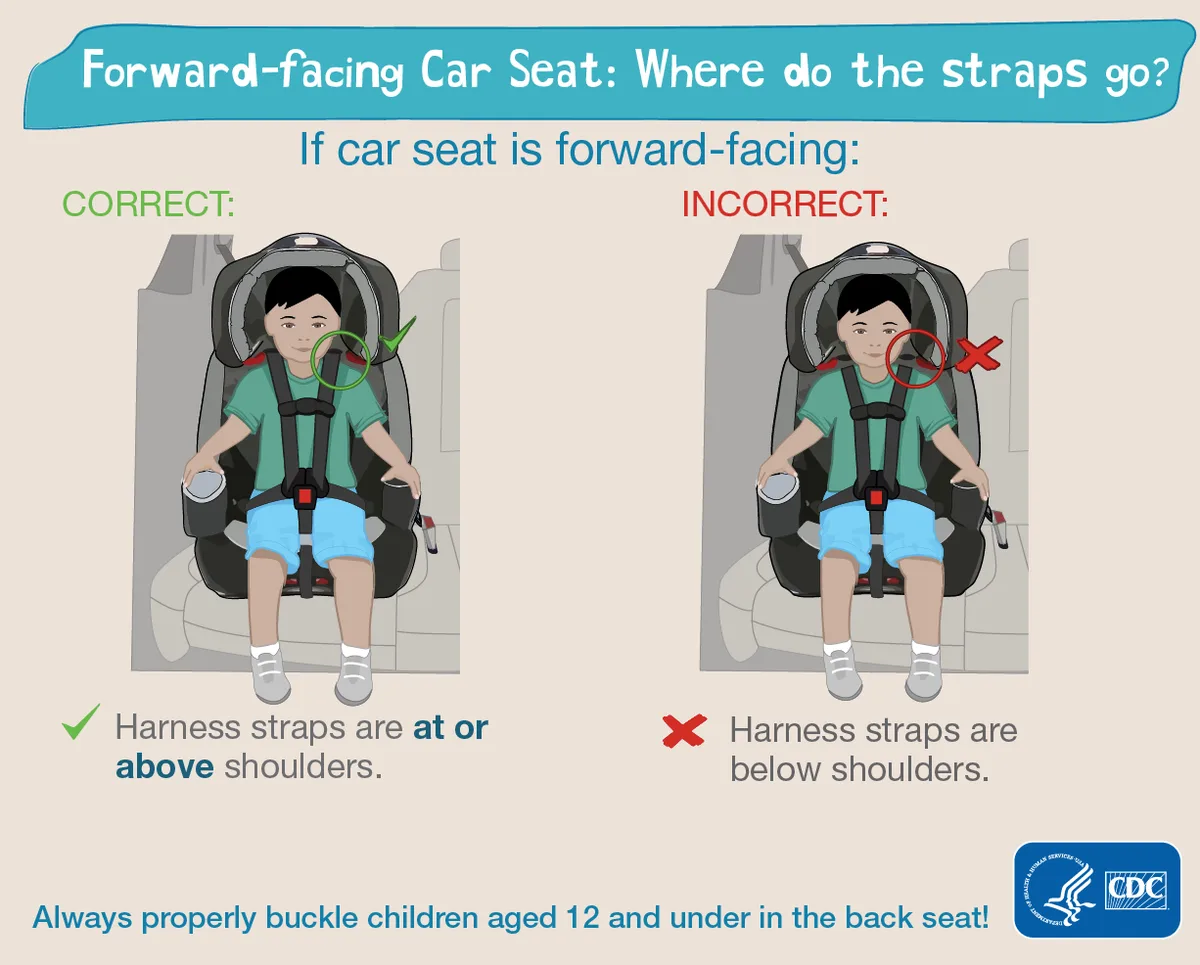
Image source: Web (Bing) / storage.googleapis.com
Extended rear-facing keeps crash forces on the seat’s shell instead of a young spine — the setup experts recommend for as long as the label allows.
The Short Answer: When Is It Actually Safe to Turn the Seat?
The safest weight for a forward-facing car seat is the maximum rear-facing limit of your specific seat — not the minimum forward-facing number on the same label. Two conditions should be met before you flip:
- Your child has outgrown rear-facing mode by weight or height (whichever comes first)
- Your child is at least two years old, the floor many state laws use
Here’s how the numbers line up:
| Guideline | Weight | Typical age |
|---|---|---|
| Manufacturer’s forward-facing minimum | 20–22 lbs | ~1 year |
| State law (varies by state) | Rear-facing required to at least age 2 | 2 years |
| Best practice (pediatric guidance) | Your seat’s max rear-facing limit | 2–4+ years |
| Typical convertible rear-facing max | 40–50 lbs | 3–5 years |
| Forward-facing harness max | 40–65 lbs | 4–7 years |
Your seat’s label always overrides generic charts — including the one above. And if you’re still shopping, a seat that adapts from infancy through the harness years removes most of this guesswork, since one purchase covers both directions of travel.
Why the Minimum Weight Is a Floor, Not a Finish Line
The 20-pound mark answers a narrow question: when can a harness physically contain this child? It does not answer the question that actually matters — is this child’s body built to handle forward-facing crash forces?
In a frontal collision, a forward-facing harness restrains the torso at the shoulders while the head and neck keep moving forward. That relative motion loads the cervical spine, and a toddler’s vertebrae are still partly cartilage, with connective tissue that stretches far more than an adult’s. Rear-facing cradles the head, neck, and torso together and drives crash forces into the shell and the vehicle seatback instead.
The American Academy of Pediatrics has been clear about this for years: children should ride rear-facing for as long as the seat allows, with no rush to flip at a birthday. The “2-year rule” that circulates online is a legal floor in many states — never a target. After age two, weight and height — not age — decide the timing.
In practice, the height limit usually ends rear-facing before the weight limit does. Tall, slim toddlers tend to max out on height around age three; heavier children can reach the weight cap at a similar age. Either one ends the mode.
How to Read Your Seat’s Weight and Height Limits
Every car seat carries a molded label on the side (plus a full manual in the cupholder or storage area). The label lists separate rows for rear-facing and forward-facing use, and parents routinely mix them up.
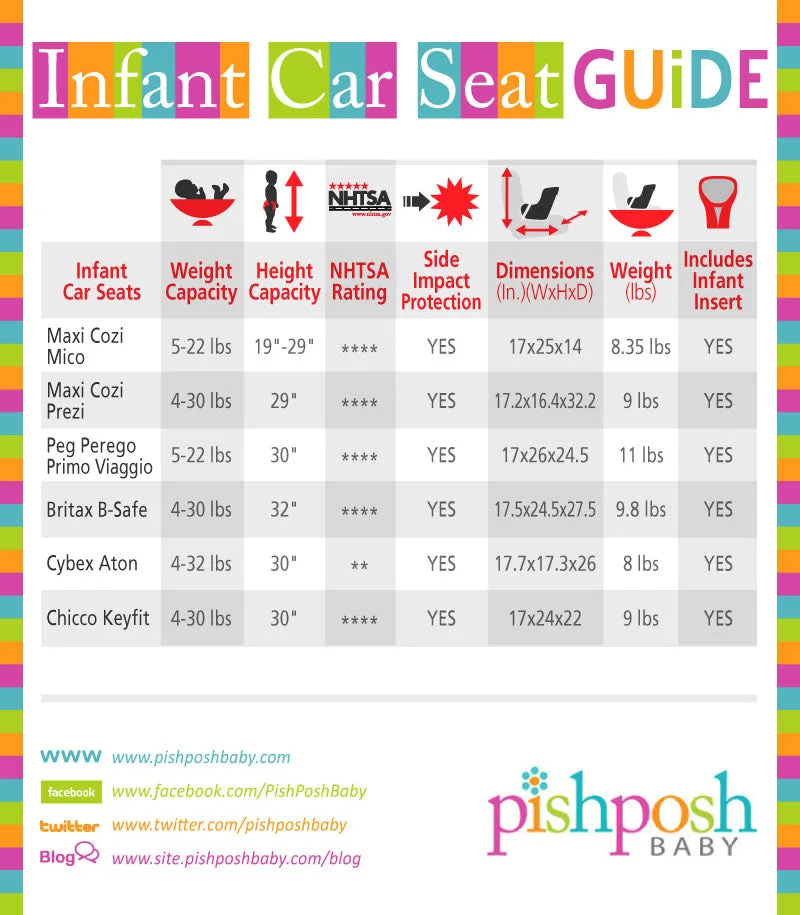
Image source: Web (Bing) / automotiveplanner.com
A molded side label like this one lists the rear-facing and forward-facing limits that override every generic chart.
What you’re looking for:
- Rear-facing weight max — the ceiling for the mode you want to stay in as long as possible
- Forward-facing weight min and max — the harness range after the switch
- Height limits for each mode — printed beside the weights, and just as binding
- Harness slot positions — rear-facing straps sit at or below the shoulders; forward-facing straps sit at or above them
Typical ranges by seat type:
| Seat type | Rear-facing max (typical) | Forward-facing harness max (typical) |
|---|---|---|
| Infant-only carrier | 22–35 lbs | Not applicable |
| Convertible | 40–50 lbs | 40–65 lbs |
| All-in-one | 40–50 lbs | 50–65 lbs, then booster to 100+ |
| Harness-to-booster combo | Varies by model | 65–90 lbs on high-weight models |
A common mistake is reading only the weight rows and ignoring the height line printed next to them. If your child hits either limit, that mode is over — you don’t need to exceed both.
Three Checks Before You Turn the Seat Forward
Before you plan switch day, confirm your child has genuinely outgrown rear-facing mode:
- Weigh your child against the label. If they’re under the rear-facing weight max, the decision is already made — keep them rear-facing.
- Check head position. In most seats, at least one inch of shell must remain above the top of the child’s head while rear-facing. If the head is at or above that line, the seat is outgrown regardless of weight.
- Compare shoulders to harness slots. Rear-facing straps must sit at or below shoulder level. If your child’s shoulders are above the top rear-facing slot, the mode has ended.
Per NHTSA’s car seat guidance, your owner’s manual — not a blog chart — is the final authority on your model’s limits. Take five minutes with the manual before committing to the change.
What the Law Actually Requires
State laws set the minimum, and they vary. A growing number of states require children to ride rear-facing until at least age two, and a few add weight or height triggers on top of that. Because the details change and differ from state to state, check your own state’s current rule through its DMV or highway safety office rather than relying on an old article or forum post.
Two things matter about the legal layer:
- The law is a floor, not advice. Meeting the legal minimum doesn’t mean it’s the safest choice for your child.
- Manufacturer limits always bind. Even in a state with loose rules, using a seat outside its labeled weight or height range is improper use — and it can affect crash protection and insurance outcomes.
The practical rule: follow the stricter of the two — state law or your seat’s label. In almost every case, that’s the label.
Step-by-Step: Switching to Forward-Facing the Right Way
Once all three checks confirm your child is ready, the conversion itself takes about 15 minutes. Pick a calm day — this is not a five-minutes-before-school task.
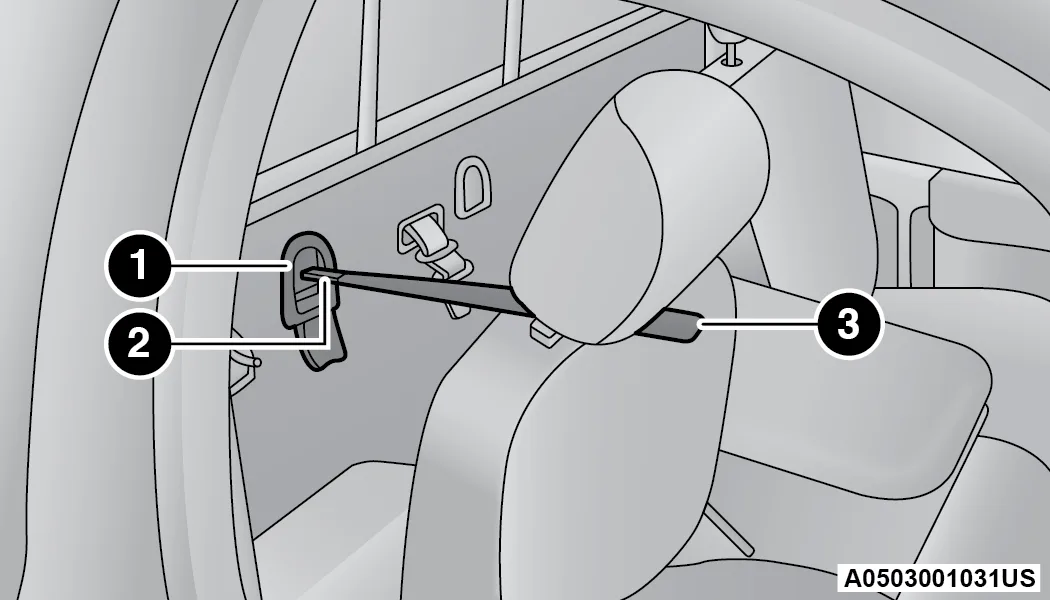
Image source: Bing (Web (fair-use with source credit))
The top tether is the step most often skipped — hook it to the vehicle anchor and pull until the strap is taut.
- Re-thread the harness. Move the shoulder straps to the slot at or just above your child’s shoulders. Most seats offer several positions; choose the closest one.
- Reinstall through the forward-facing belt path. It’s usually marked with a red sticker or label. Tighten the seat belt or LATCH strap until the base moves less than one inch side to side at the belt path.
- Attach the top tether. Find the anchor in your vehicle — typically on the rear deck, seatback, or ceiling depending on the model. Hook it, kneel in the seat to compress it, and pull the strap tight.
- Buckle and tighten. Fasten the harness, then pull the adjuster strap until no slack remains at the hip or shoulder.
- Run the pinch test. Try to pinch the webbing vertically at the collarbone. If you can gather a fold, tighten further. The chest clip belongs at armpit level, not on the belly.
Two cautions: don’t install with LATCH and the seat belt at the same time unless your manual explicitly approves it, and recheck the install after a week — new configurations sometimes loosen as straps settle. If the seat still shifts more than an inch, our walkthrough on getting a rock-solid fit covers LATCH and belt routing in detail.
The LATCH Math Most Parents Miss
Forward-facing seats add a constraint many families never see coming: the combined weight limit for LATCH. Manufacturers set a maximum for the child plus the seat together — commonly 65 pounds. Once the pair exceeds it, you must reinstall using the vehicle seat belt instead.
Do the math early. Weigh your child, add the seat’s weight, and compare. If you’ve never checked, the seat’s own heft is often the surprise — heavier all-in-one models can consume half the combined limit before your child turns two. The seat belt is a completely safe alternative when installed tight and locked, so hitting the LATCH limit is a routing change, not a safety downgrade.
Where the Seat Belongs in Your Vehicle
The back seat is always the right answer for children under 13 — front airbags deploy with enough force to seriously injure a child, and there is no scenario where a forward-facing kid travels up front by choice. If you’re weighing placement in a two-row car, our breakdown of why the back row wins covers airbag risk and the rare exceptions, such as pickups without a rear seat.
Within the back row, the center position offers the most distance from side impact — when it fits. The trade-off: not every center position has a dedicated tether anchor or compatible LATCH spacing. A properly tethered outboard install beats a center install with no tether, so check your vehicle’s anchor map before deciding. In practice, that single detail decides the position more often than crash-preference charts do.
Five Mistakes That Undo an Otherwise Perfect Setup
- Skipping the tether. It limits forward head movement in a frontal crash, and it’s the most frequently missed step in real-world installs. If your seat allows a tether, use it — every time.
- Chest clip too low. A clip at the belly loads crash forces onto soft abdominal organs instead of the ribcage. Armpit level, always.
- Bulky winter coats. Puffy padding compresses in a crash and leaves the harness loose. Buckle over a thin layer, then blanket the child.
- Turning early because “the legs look cramped.” Bent knees are comfortable for toddlers and not a safety problem. Legs have never been a reason to flip early.
- A loose installation. More than one inch of movement at the belt path means the whole system starts loose. Put your knee in the seat, re-tighten, and retest.
Caring for the Seat and the Car Through These Years
Rear-facing and early forward-facing years mean crushed crackers, melted crayons, and juice in every crevice — and the mess tends to collect exactly where the seat anchors matter. A simple routine of vacuuming the crevices and wiping the surrounding upholstery with a damp microfiber cloth handles most of dealing with snack spills without any special products.
Odors need a different approach: masking sprays fade in days, so treat the source instead. Our guide to stubborn odors walks through practical fixes that work around a permanently installed car seat. One rule applies to the seat itself: spot-clean only what your manual approves, and never machine-wash or soak the harness straps — replacements exist for a reason.
Life After the Harness
Forward-facing with a harness is a middle stage, not the destination. When your child eventually outgrows the harness — by weight, height, or the shoulder-slot position — the next step is a high-back booster that lets the vehicle belt do the restraining. Readiness shows up in behavior as much as size: the child must sit upright, keep the belt low on the hips and across the shoulder, and resist slouching or fidgeting for the whole ride. Most kids get there around age five or later, not younger.
When that day arrives, moving past the harness explains boosters, the five-step seat belt fit test, and how to tell genuine readiness from wishful thinking.
Conclusion
The number that decides when your child moves to a forward-facing car seat is not 20 pounds and it’s not a birthday. It’s the rear-facing maximum printed on your own seat’s label — commonly 40 to 50 pounds on today’s convertible models — combined with the height limit and the one-inch shell rule. Keep your child rear-facing until one of those limits is genuinely reached, make age two the absolute floor, and when the day comes, install through the correct belt path with the tether tight.
Here’s your next step: walk out to the car tonight, read the side label, and write down your seat’s rear-facing weight and height limits alongside your child’s current stats. That one minute tells you exactly where you stand — no chart required. And when you’re ready for more hands-on car-care guides, everything lives in our full garage of guides.
Frequently Asked Questions
Can my child ride forward-facing at 20 pounds?
Twenty pounds is where many harnesses physically start to fit — it is not a safety green light. Keep your child rear-facing until they reach your seat’s rear-facing weight or height limit and are at least two years old. For most children that means waiting until three or four, comfortably past that 20-pound mark.
What if my toddler hits the rear-facing limit before age two?
It happens, mostly with taller children who outgrow the height limit first. If your child has genuinely maxed out rear-facing mode before their second birthday, forward-facing is the correct next step — but choose a seat with a tall forward-facing harness range, always attach the top tether, and check your state’s law, since some states allow exceptions only in specific circumstances.
Is rear-facing uncomfortable for my child’s legs?
No. Toddlers bend their knees comfortably and often cross their legs, rest them on the seatback, or dangle them happily. In practice, this is one of parents’ biggest worries and one of children’s smallest complaints. Broken legs from crash forces are far less common than neck injuries, which is exactly why extended rear-facing is recommended.
Do I need to buy a new seat to rear-face longer?
Not usually. Check your current seat’s label first — many convertible and all-in-one models already support rear-facing to 40 or 50 pounds. If yours caps out at a lower weight, replacing it with a higher-limit model is worthwhile only if your child is still small; otherwise, the switch to forward-facing is the right move anyway.
Can I use LATCH and the seat belt at the same time?
Only if your seat’s manual and vehicle manual both explicitly allow it — a small number of combinations are tested that way. By default, pick one method and install it tightly. Remember the combined-weight rule too: once your child plus the seat exceeds the LATCH limit, switch to the seat belt even if you installed with LATCH originally.
How will I know my child has outgrown the forward-facing harness?
Three signs end the harness stage: your child exceeds the labeled harness weight, their shoulders rise above the top harness slot, or their ears reach the top of the seat’s headrest. Any one of these means it’s time for a belt-positioning booster — not before. Most children stay harnessed to age five or beyond.
Does turning the seat around affect car maintenance or cleaning?
It changes your cleaning routine slightly. A forward-facing seat exposes more of the vehicle seatback to kicks, crumbs, and spills, so keep up with regular vacuuming and spot-cleaning. One safety note: never deep-clean or machine-wash harness straps, and avoid harsh chemicals on the shell — replace damaged parts through the manufacturer instead.

Leave a Reply