
Looking for where to donate infant car seat? You're not alone. You've probably got a clean, unused seat sitting in the garage, and you want it to help someone else.
The problem is that most donation centers won't touch used car seats. There's a good reason for that, and it's not just bureaucracy.
Car seats carry an expiration date, usually six to eight years from the manufacturing date, based on Federal Motor Vehicle Safety Standard 213. Plastic degrades over time, so an old seat may fail in a crash. Charities know this, which is why they ask a lot of questions.
We'll walk you through what actually works, and where your seat can still go.
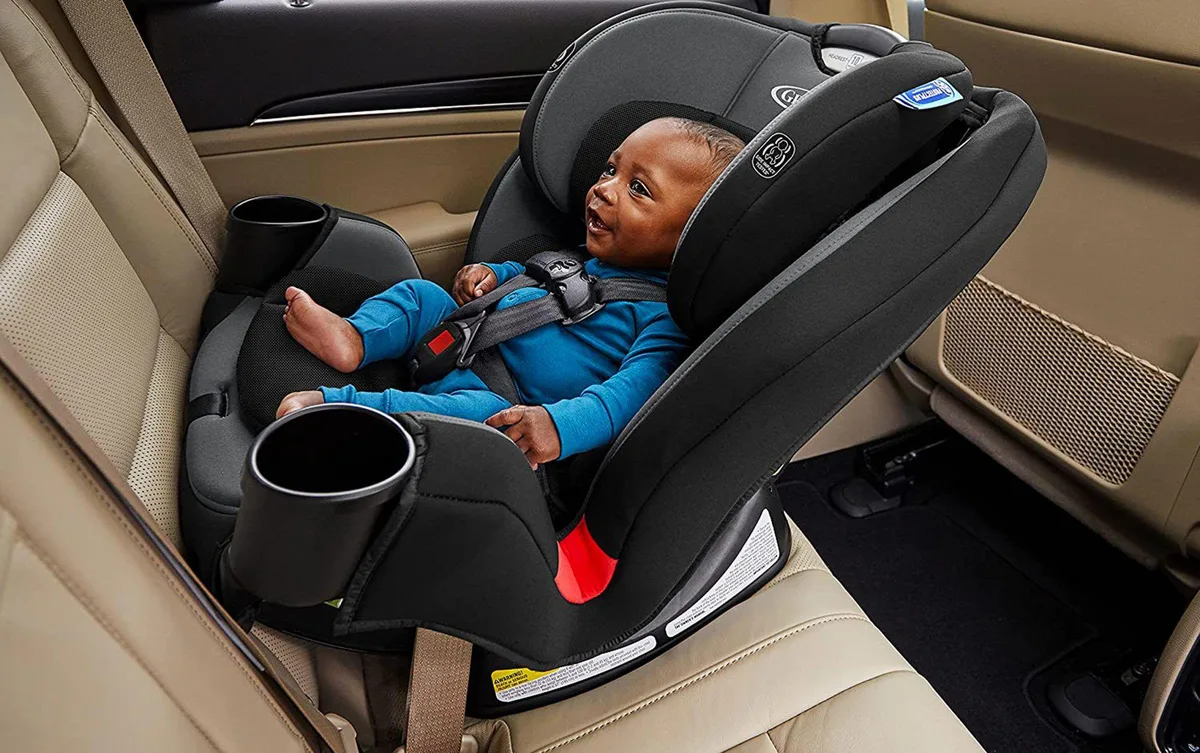
Image source: Web (Bing) / size-charts.com (Web image (fair-use with source credit))
Why Donating an Infant Car Seat Is More Complicated Than It Looks
Think about why you're donating. You want your old seat to protect another baby. That's noble.
But a used car seat comes with unknowns. No one can guarantee it hasn't been dropped, mistreated, or involved in a collision.
A car seat's plastic shell and harness webbing are designed for one crash. After that, the seat should be retired, even if it looks perfect. Charities can't verify a seat's history, so they say no.
Expiration dates add another wrinkle. The plastic weakens over time, and manufacturers stop standing behind the seat.
In our research, most charities have the same policy. No expired seats. No crash history.
No missing parts. Thrift stores like Goodwill won't accept car seats at all, even with the tags still attached. They can't take on that kind of liability.
The good news? Several real options exist. You just need to know where to look.
Before you donate anything, make sure the seat was never in an accident. And if you're unsure about the signs of misuse, spend a few minutes reading up on properly installing a car seat so you know what to check.
Quick Answer: Can You Even Donate a Used Infant Car Seat?
Where to donate infant car seat? Start with local charities and shelters. Try crisis nurseries, domestic violence shelters, and foster care agencies.
The seat must be unexpired, never crashed, not recalled, and in good shape. Retailer trade-in events accept any seat for recycling. Manufacturer recycling programs are the best fallback for expired seats.
Before You Donate: The 5-Point Safety Check
Before you contact any charity, you need to know exactly what condition your seat is in. Here's the five-point safety check we recommend. Run through this before you even make a phone call.
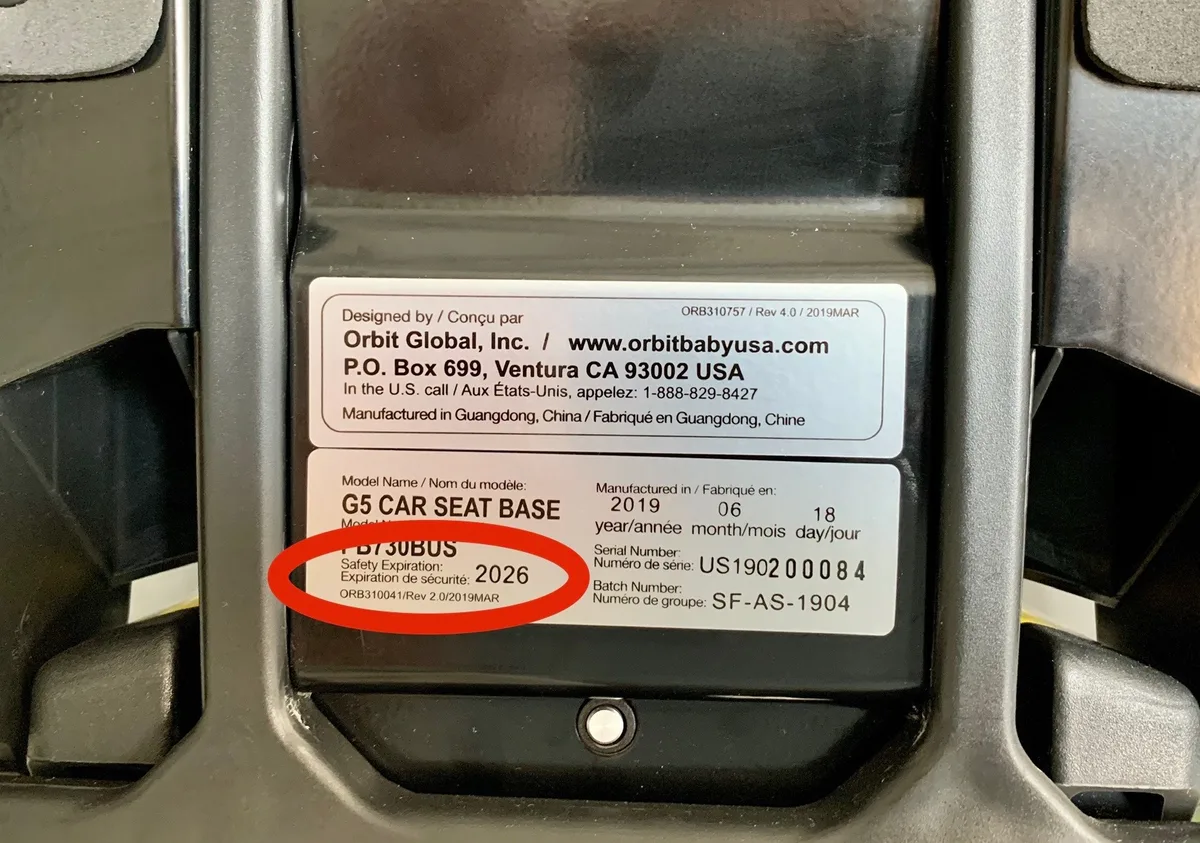
Image source: Web (Bing) / carseatcare.com (Web image (fair-use with source credit))
- Expiration date. Look for a sticker or stamp on the plastic shell with the manufacture date and expiration date. Most infant seats last six to eight years. If the seat is expired, it cannot be donated. Period.
- Crash history. If the seat was in any car crash, even a minor one, it must be retired. Manufacturers say to replace seats after any moderate or severe crash. A low-speed fender bender might be okay, but no donation center can verify that. Treat any crash as a disqualifier.
- Recall status. Run the model number and manufacture date through the NHTSA recall database. If it's been recalled and not fixed, don't donate it. Even a fixed seat can be hard to verify, so many charities decline seats that were ever subject to a recall.
- Physical condition. Inspect the plastic shell, harness straps, buckles, and base. Look for cracks, stress marks, frayed webbing, or rust. If anything looks worn, it's a no-go. Also remove any bulky car seat covers that could hide damage or interfere with the harness.
- Manual and parts. The seat needs its original instruction manual and all original parts. Shelters can't use a seat without knowing the exact harness routing or weight limits. If you lost the manual, search online for a PDF. Can't find one? Skip the donation.
If your seat passes all five points, you have something worth donating. If it fails any of them, skip straight to the recycling section ahead. No charity wants a seat that's missing a manual or shows signs of wear.
Where to Donate an Infant Car Seat: Charities That Say Yes
Once your seat passes the safety check, here's where it can actually go. These organizations frequently accept infant car seats, especially from verified donors.
- Crisis nurseries. They provide emergency care for babies while parents work through a crisis. They always need car seats to transport kids safely.
- Domestic violence shelters. Women leaving a home often escape with nothing but their children. A safe car seat can be a lifeline for them.
- Foster care agencies. Foster parents often take in children with little notice. Agencies are usually glad to receive a seat that meets safety standards.
- Pregnancy resource centers. Many run classes where parents earn baby gear. A donated seat can be given to a family who just completed a course.
- Children's hospitals. Some have child passenger safety programs that distribute seats to families in need.
- Safe Kids coalitions. These local groups host car seat checkups and often know which families need a seat.
Call ahead before you drive over. Ask if they accept car seats, and confirm they'll take yours. We've seen centers say yes on the phone and reject the seat in person because the policy changed or the staff rotated.
If your baby has outgrown the infant carrier, you might be looking at the switch to a convertible seat. That's a common time to donate. Just make sure the new seat actually fits your child's height and weight.
Also, if your child is getting close to the height or weight limit, check our guide on when kids outgrow car seats before you rush to donate. It might save you from buying a seat you don't need yet.
Retailer Trade-In Events: The Easiest Way to Pass It Along
The simplest option might not be a charity at all. Retailer trade-in events accept any car seat, no questions asked, and they don't require a safety check.
Image source: Web (Bing) / carxplorer.com (Web image (fair-use with source credit))
As of 2026, Target runs a car seat trade-in event twice a year, usually in April and September. You bring any old car seat to the store, drop it in a collection box near the entrance, and get a coupon for 20% off a new car seat. Walmart has run similar promotions as well.
The dropped seats are sent to a recycling partner, not to another family. So it's not a charitable donation in the traditional sense. But it keeps the seat out of a landfill, and it gives you money off your next purchase.
This is the best option if your seat is expired, damaged, or recalled. Charities won't take a seat in that condition, but trade-in events will. You can also hand in booster seats, stroller bases, and even damaged pieces.
If you're traveling and don't want to lug your old seat around, our guide to rental car seats covers the options. That way, you can retire the old seat safely and still have something safe for your trip.
Manufacturer Recycling Programs: When Donation Isn't an Option
If your seat fails any of the five safety checks, donation is off the table. You need recycling. The good news: you still have options.
Some manufacturers run take-back programs. Clek accepts car seats and recycles the plastic into new products. Britax has partnered with recycling facilities in the past.
Evenflo and Graco often support community recycling drives. Check each brand's website for current programs and timelines.
Image source: Bing (Web (fair-use with source credit))
Local recycling centers are another route. Look for facilities that handle polypropylene plastics. Call ahead and ask if they take car seats.
Many don't, because the fabric, foam, and metal parts complicate the sorting process. Specialty programs like TerraCycle sometimes run collection drives with retailers.
Some communities host dedicated car seat recycling events. These often pop up around Earth Day, Baby Safety Month, or local safety fairs. Your nearest fire station or Safe Kids coalition can point you toward the next one.
The seat gets stripped, crushed, and turned into raw plastic pellets. It's not glamorous, but it keeps a bulky hunk of plastic out of the landfill.
Here's the hard part: if your seat is expired, don't hand it down to a friend or relative. We know it still looks safe. It isn't.
Expired plastic can shatter in a crash, and foam degrades from the inside out. If you're wondering whether a seat you have is still good, read our guide on when a car seat is truly past its prime. The seat you retire today might be the one that saves a headache later.
What Donation Centers Actually Do With Your Seat
Curious what happens after you drop it off? Here's the short version.
A donation center doesn't just put your seat on a shelf. Someone inspects it first. They check the expiration sticker, look up recalls by model number, and scan for cracks or missing hardware.
Many shelters have a certified child passenger safety technician on staff or on call. That person decides if the seat is safe to redistribute.
If it passes, the center cleans it, removes any old labels, and matches it to a family in need. Some organizations run loaner programs instead. Families borrow a seat for a few weeks while they get back on their feet.
Others use donated seats as backups for emergency placements, especially in foster care.
Ask your local charity what they do with donated seats. Their answer tells you a lot about how seriously they take safety. If they say they'll take any seat no matter the condition, that's a red flag.
A responsible program checks everything, including whether the seat still has its original label with the manufacture date.
Donate vs. Trade In vs. Recycle: Which Makes Sense for You?
Here's a quick comparison to help you decide. We've broken it down by what you're trying to do.
| Option | Best for | What happens |
|---|---|---|
| Charity donation | Seat passes all safety checks | Seat gets inspected and given to a family in need |
| Retailer trade-in | Any seat, even expired or damaged | Seat gets recycled, you get a discount coupon |
| Manufacturer recycling | Expired, recalled, or damaged seats | Seat gets broken down into raw materials |
| Municipal recycling | Seats too far gone for anything else | Seat goes through standard plastic recycling |
If your seat is unexpired, never crashed, and has all its parts, donate it. That's the best outcome for everyone. A family gets a safe seat, and you get the satisfaction of knowing it's being used.
If your seat is expired or damaged, use a trade-in event or manufacturer program. You'll keep it out of the trash and often save money on a replacement. That's a win, even if it's not a tax-deductible donation.
If neither option exists in your area, look for a municipal recycling event that handles mixed plastics. Some cities accept car seats alongside electronics and tires. Call your local waste management department and ask about their next collection day.
Mistakes to Avoid When Donating a Car Seat
We've seen well-meaning parents make the same mistakes over and over. Here's what to skip.
- Donating an expired seat. Check the sticker. If it's past the date, it's trash or recycling.
- Donating a seat with crash history. Even a low-speed fender bender counts. Micro-cracks aren't visible.
- Donating a recalled seat. Run the model and manufacture date through the NHTSA recall database first.
- Donating without the manual. Shelters can't install a seat they don't understand.
- Donating a dirty or moldy seat. No one wants a seat that smells like old milk.
- Dropping off without calling first. Policies change. A charity might have stopped accepting seats last month.
- Washing the harness straps. Soaking webbing in water degrades the fibers. Spot clean instead.
- Donating a seat with missing parts. If the base, buckle, or chest clip isn't there, it's not usable.
One more thing: don't leave a seat outside a donation center after hours. It looks like overnight carelessness, but some charities treat it as a liability. Rain, heat, and pests can damage the seat, and the charity has no way to know where it came from.
If they won't take it, they won't take it. Reward someone else's generosity by checking in first.
How to Prepare a Car Seat for Donation
A little prep work goes a long way. Here's how to make your seat ready for a new family.
- Remove the harness and buckles carefully. You don't need to disassemble everything, but check that all straps move freely and latch correctly.
- Take off the fabric cover. Most covers are machine washable. Wash on a gentle cycle with mild detergent, then air dry. Heat from a dryer can shrink the fabric and distort the harness slots.
- Wipe down the plastic shell. Use a soft cloth and mild soap. Avoid bleach, ammonia, or harsh solvents. They can weaken the plastic and leave fumes.
- Spot clean the harness webbing. A damp cloth is all you need. Don't put it in the washing machine.
- Gather every piece. Base, canopy, infant insert, chest clip, and any packaging. It all needs to go together.
- Track down the manual. If you can't find it, download a PDF from the manufacturer's website and print it. Fold it into the seat base so nobody loses it.
- Write a short note. On a piece of paper, list the model number, manufacture date, expiration date, and a note that it was in a smoke-free home if that's true. Tape it to the base.
Finally, do a last 30-second inspection. Look for cracks, stress marks, and that little plastic piece that holds the harness snugger. If anything feels off, err on the side of recycling.
Most charities will forgive you for not donating. They won't forgive a broken seat that harms a child.
Tax Deductions for Car Seat Donations: What Counts
Donating to a registered 501(c)(3) charity can earn you a tax deduction. Shelters, crisis nurseries, and pregnancy resource centers usually qualify. For-profit trade-in events don't.
The IRS lets you deduct the fair market value of the seat, not what you paid for it. A three-year-old infant seat might be worth $20 or $30. Keep a receipt that lists the charity's name, the date, and the item.
If the donation is worth more than $250, you'll need a written acknowledgment. Get an itemized receipt and snap a photo of the seat before you drop it off.
When to Skip Donation and Just Ditch the Seat
Some seats shouldn't go to anyone. If any of these apply, recycling is the only responsible choice.
- The seat is expired. Check that manufacture date sticker.
- The seat was in a crash, even a minor one. Micro-cracks can hide for years.
- The seat has a recall that can't be fixed. Some recalls have no remedy parts available.
- The plastic shell shows stress marks, cracks, or discoloration.
- The harness or buckle is damaged, frayed, or won't latch.
- The seat smells of mold, smoke, or heavy wear that no cleaning can fix.
It's tempting to pass a seat to a friend or family member. Don't. Old car seats feel sturdy but lose impact protection over time.
If you're not sure whether your child's current seat is still safe to use, our guide on when to remove the newborn insert has good timing cues. And if you're wrestling with how to keep the car clean in the meantime, a car vacuum suited for tight spaces helps spot details like that date sticker.
Frequently Asked Questions
Can I donate a car seat that was in a minor fender bender?
No. Most manufacturers say to replace a seat after any moderate or severe crash. Even low-speed impacts can create micro-cracks you can't see.
Charities won't accept it. Recycle it instead.
How do I know if my car seat is expired?
Look for a sticker or stamped label on the plastic shell. It lists the manufacture date and expiration date. Most infant seats last six to eight years.
If the date is missing, contact the manufacturer with your model number.
My car seat was recalled. Can I donate it?
No, not as-is. Check the NHTSA recall database to see if the fix is available. If the remedy is ready, some charities may accept it after the repair.
Most say no to any recalled seat to keep things simple.
Do fire stations accept car seat donations?
Rarely. Fire stations host car seat inspections and installation checks, but they don't take donations. They can point you to a Safe Kids coalition or local charity that does.
Final Decision Guide: Donate, Trade In, or Recycle
Here's the short version.
If your seat passes all five safety checks, call a local charity and donate it. If it's expired, damaged, or recalled, use a retailer trade-in event or manufacturer recycling program. If you're replacing a seat because your child outgrew it, check the height and weight limits before you rush.
Many infant seats hold kids up to 32 inches and 35 pounds, so you might have more time than you think.
One honest note: donating a car seat is easier said than done. Most charities have strict policies, and many seats don't qualify. Don't force it.
Recycle it properly. The planet's better for it, and you'll feel good knowing you handled it the safe way.

Leave a Reply